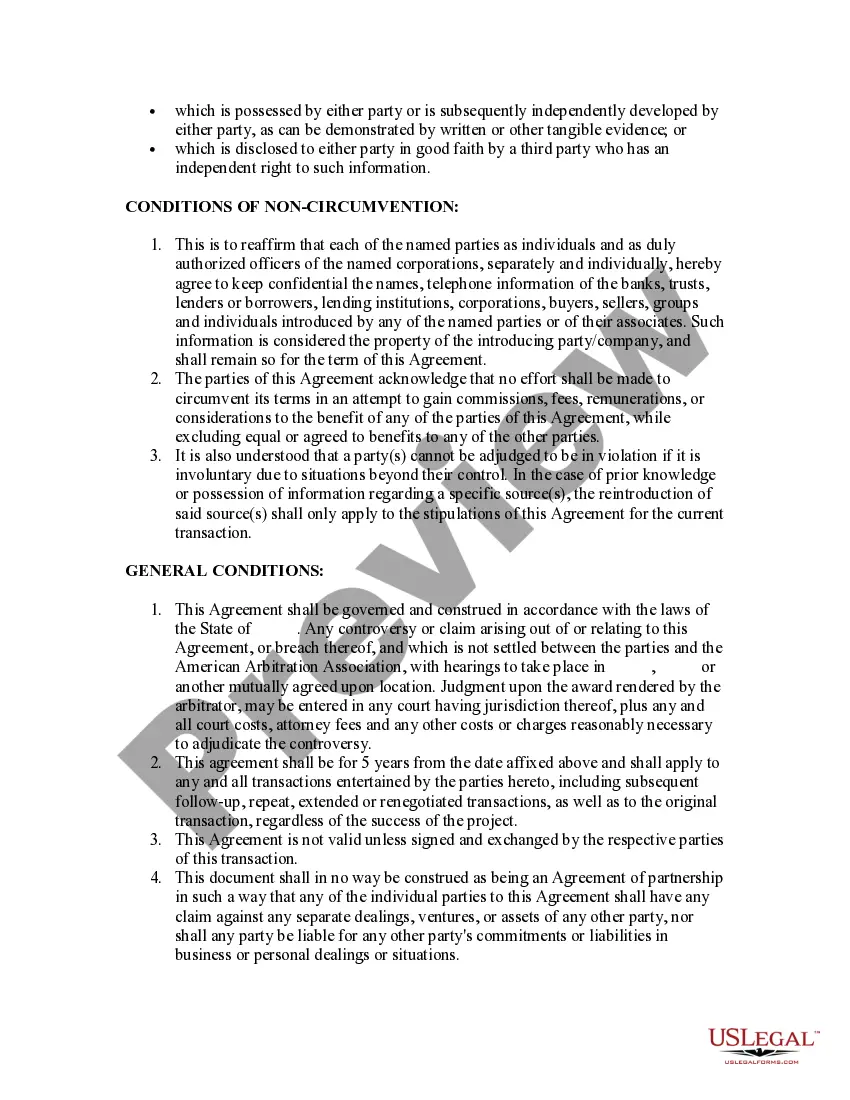
Non Disclosure Form Meaning In Miami-Dade
Description

Get your form ready online
Our built-in tools help you complete, sign, share, and store your documents in one place.
Make edits, fill in missing information, and update formatting in US Legal Forms—just like you would in MS Word.
Download a copy, print it, send it by email, or mail it via USPS—whatever works best for your next step.
Sign and collect signatures with our SignNow integration. Send to multiple recipients, set reminders, and more. Go Premium to unlock E-Sign.
If this form requires notarization, complete it online through a secure video call—no need to meet a notary in person or wait for an appointment.
We protect your documents and personal data by following strict security and privacy standards.

Make edits, fill in missing information, and update formatting in US Legal Forms—just like you would in MS Word.

Download a copy, print it, send it by email, or mail it via USPS—whatever works best for your next step.

Sign and collect signatures with our SignNow integration. Send to multiple recipients, set reminders, and more. Go Premium to unlock E-Sign.

If this form requires notarization, complete it online through a secure video call—no need to meet a notary in person or wait for an appointment.

We protect your documents and personal data by following strict security and privacy standards.
Looking for another form?





Form popularity
FAQ
You don't need a lawyer to create the agreement, but you may need someone with legal expertise to review it. We recommend consulting with a legal expert to ensure your agreement fully protects your organisation's interests when the document is first created.
An NDA is a legal agreement which defines information that the parties wish to protect from dissemination and outlines restrictions on use. NDAs are also valuable to protect the ability to patent an invention, something that can be compromised if a disclosure of the invention becomes public knowledge.
Regardless of whether you're being asked to sign an NDA or asking someone else to, a nondisclosure agreement means your secrets will stay underground, and if information leaks, there can be serious legal repercussions.
disclosure agreement (NDA), also known as a confidentiality agreement, is a legally binding contract in which one party agrees to give a second party confidential information about its business or products and the second party agrees not to share this information with anyone else for a specified period of time.
By law, a nondisclosure contract must be reasonable and necessary for protecting a legitimate business interest. It must also be limited in scope and duration, in terms of timing, geography, and other relevant factors. While not required, you should put any confidentiality agreement in writing.
The purpose of a non-disclosure agreement is twofold: confidentiality and protection. Information protected by a confidentiality agreement can include everything from product specs to client rosters. Business models, test results and even embargoed press releases or product reviews can all be covered by an NDA.
NDAs usually last between one and five years, but this can vary based on the transaction or market conditions. For employers or business owners, it is beneficial to have NDAs in place for as long as possible. The duration of an NDA is critical for protecting confidential information effectively.
Privilege with respect to trade secrets. A person has a privilege to refuse to disclose, and to prevent other persons from disclosing, a trade secret owned by that person if the allowance of the privilege will not conceal fraud or otherwise work injustice.
Non-disclosure involves a situation where the seller of real estate doesn't disclose the property's true condition. Seller could end up being liable for non-disclosure even if he or she didn't intentionally conceal anything from the buyer.
