Non Disclosure Form Meaning In Hennepin
Description

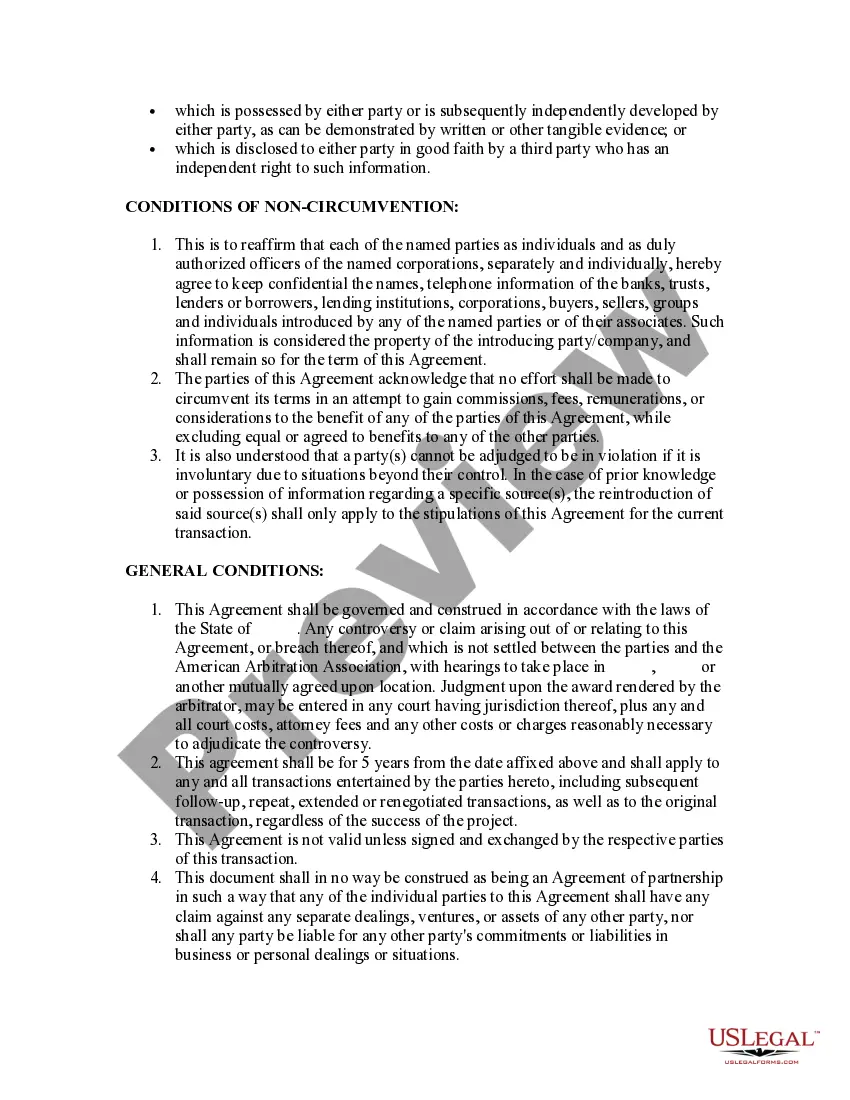
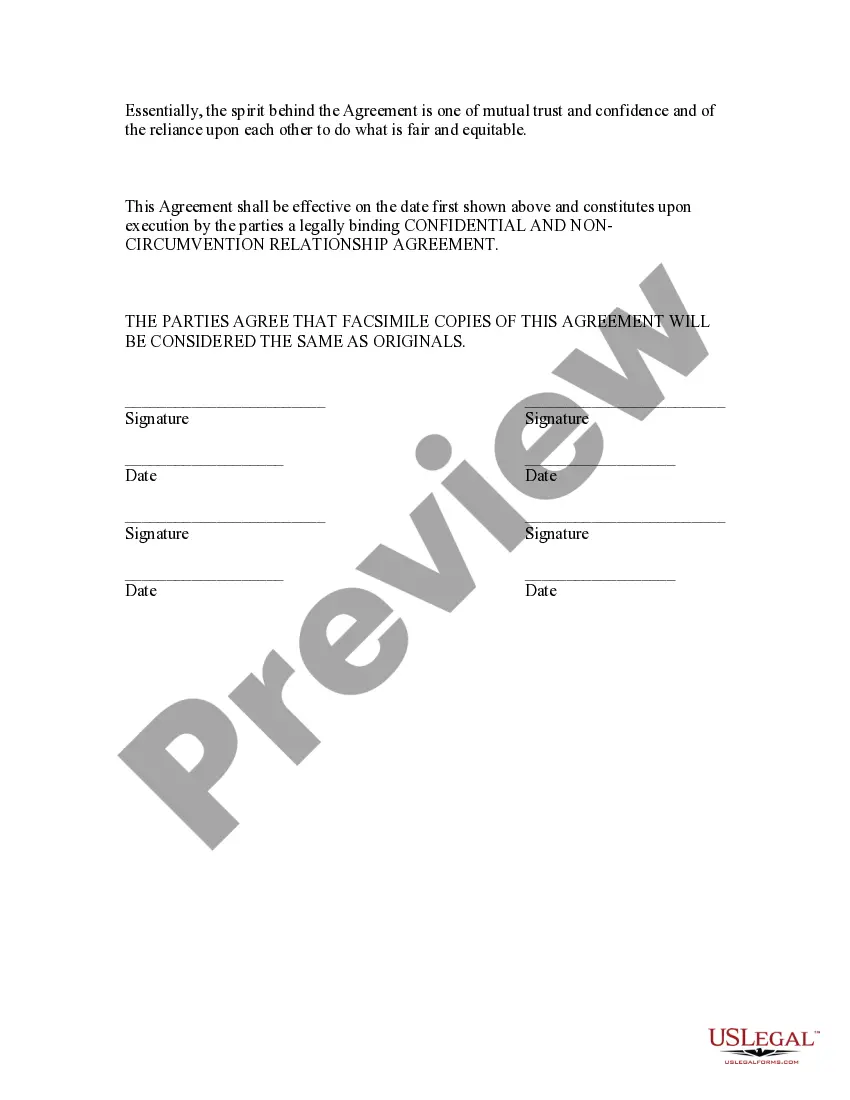
Get your form ready online
Our built-in tools help you complete, sign, share, and store your documents in one place.
Make edits, fill in missing information, and update formatting in US Legal Forms—just like you would in MS Word.
Download a copy, print it, send it by email, or mail it via USPS—whatever works best for your next step.
Sign and collect signatures with our SignNow integration. Send to multiple recipients, set reminders, and more. Go Premium to unlock E-Sign.
If this form requires notarization, complete it online through a secure video call—no need to meet a notary in person or wait for an appointment.
We protect your documents and personal data by following strict security and privacy standards.

Make edits, fill in missing information, and update formatting in US Legal Forms—just like you would in MS Word.

Download a copy, print it, send it by email, or mail it via USPS—whatever works best for your next step.

Sign and collect signatures with our SignNow integration. Send to multiple recipients, set reminders, and more. Go Premium to unlock E-Sign.

If this form requires notarization, complete it online through a secure video call—no need to meet a notary in person or wait for an appointment.

We protect your documents and personal data by following strict security and privacy standards.
Looking for another form?

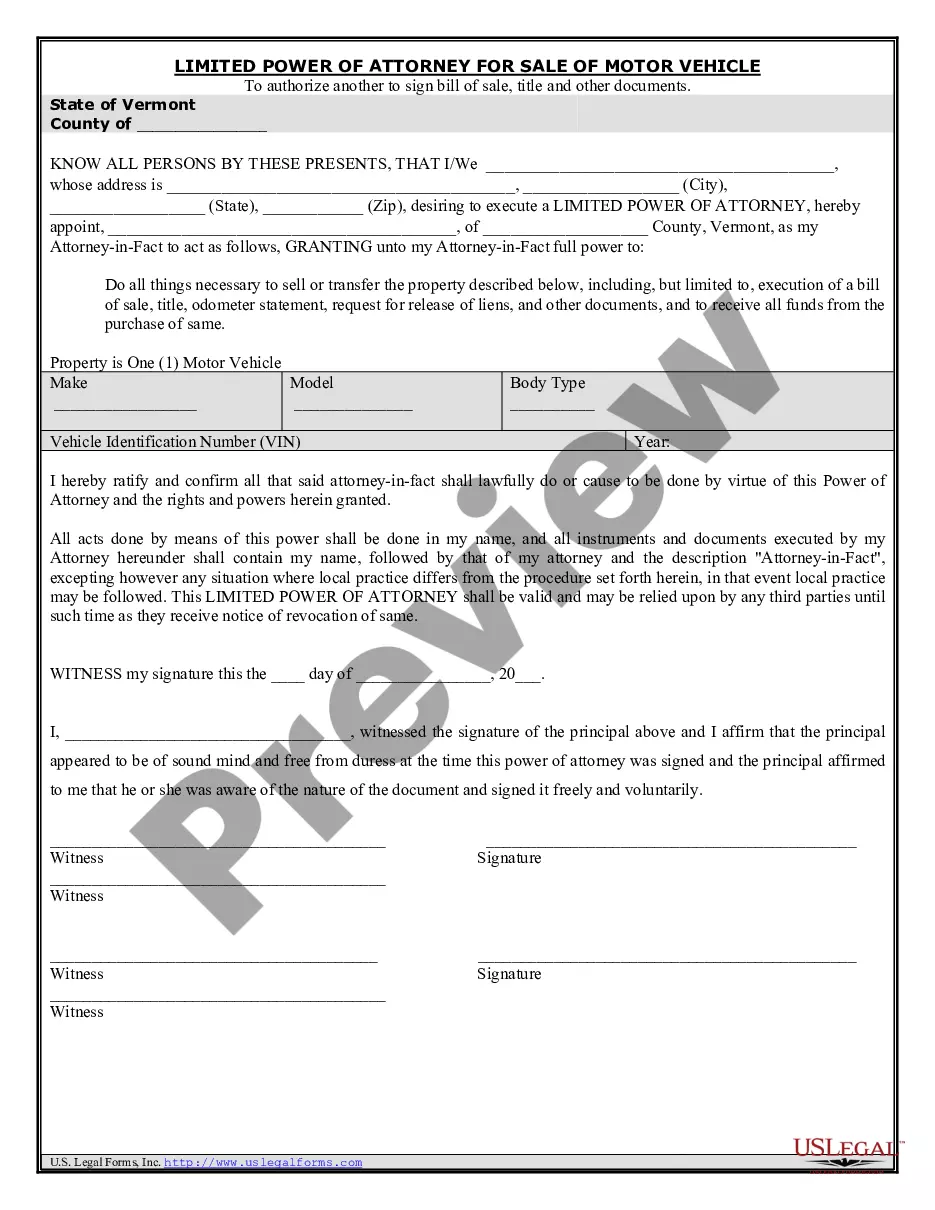





Form popularity
FAQ
Generally, NDAs will be enforced by a court, but some statutes and public policy may prevent the enforcement of an NDA. For example, many NDAs will be voided or partially so regarding criminal acts. Often NDAs may be unenforceable unless certain procedural requirements are met.
The purpose of a non-disclosure agreement is twofold: confidentiality and protection. Information protected by a confidentiality agreement can include everything from product specs to client rosters. Business models, test results and even embargoed press releases or product reviews can all be covered by an NDA.
What is an NDA? NDAs, or non-disclosure agreements, are legally enforceable contracts that create a confidential relationship between a person who has sensitive information and a person who will gain access to that information.
An NDA is a legal agreement which defines information that the parties wish to protect from dissemination and outlines restrictions on use. NDAs are also valuable to protect the ability to patent an invention, something that can be compromised if a disclosure of the invention becomes public knowledge.
Noun. formal. the failure to reveal or disclose information, esp in a court of law. the nondisclosure of his medical condition.
What is an NDA in layman's terms? A nondisclosure agreement (NDA) is a legal document between two or more parties who agree not to disclose any sensitive information revealed over the course of doing business together.
NDAs are enforceable when they are signed — if they are properly drafted and executed. NDAs are enforceable once signed, provided they have been drafted and executed properly. Unilateral NDAs need only the signature of the receiving party, whereas mutual non-disclosure agreements need the signatures of both parties.
No matter its title, an NDA is a binding contract, commonly used when two or more parties wish to enter into initial discussions about specific confidential processes, methods or technology, to consider a potential, future relationship, and to agree to restrict the usage and additional disclosure of the shared ...
Employee namehereby agrees that he/she shall hold in confidence and hereby agrees that he/she shall not use, commercialize or disclose except under terms of employment of Company Name,any confidential information or intellectual property to any person or entity, or else under provision governed by this ...
Before signing an NDA, look out for seven crucial red flags that could limit your freedom or expose you to risks, including broad definitions of confidential information, indefinite duration, lack of mutuality, restrictive non-compete clauses, absence of provisions for legal disclosures, unclear remedies for breach, ...