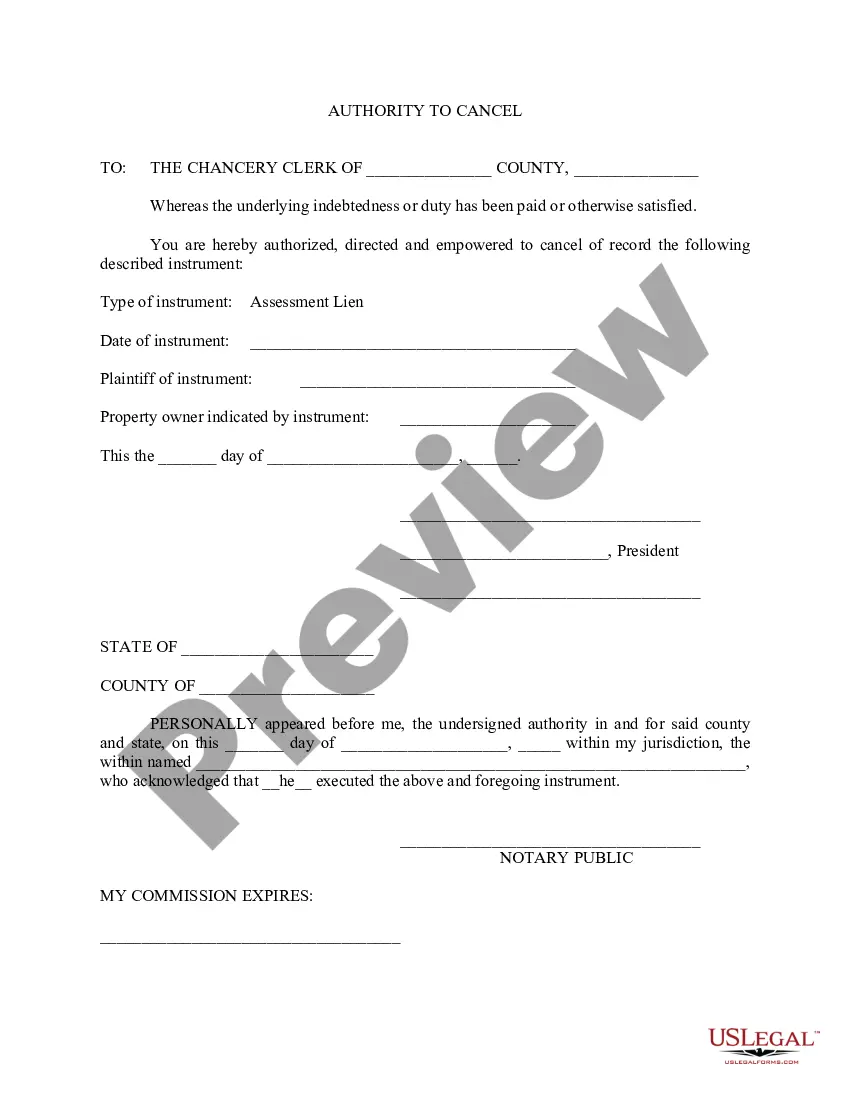
Authority Cancel Withdrawal In California
Description

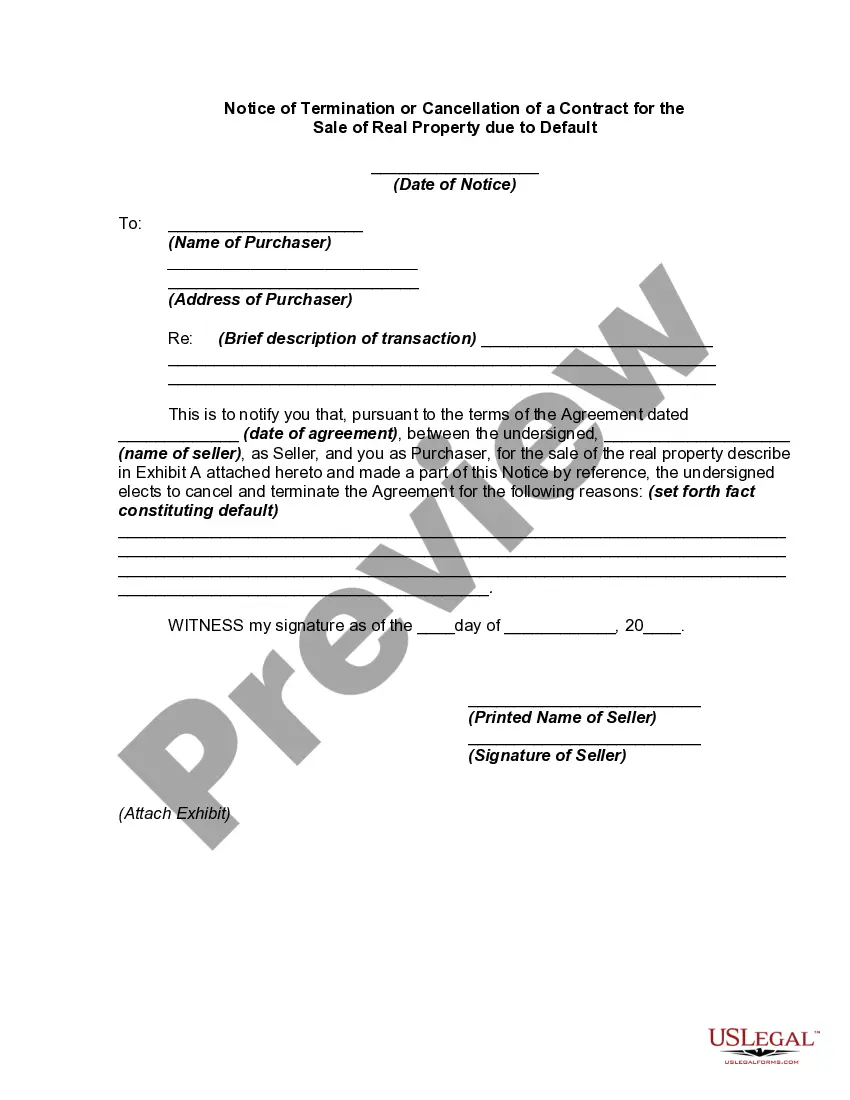
Get your form ready online
Our built-in tools help you complete, sign, share, and store your documents in one place.
Make edits, fill in missing information, and update formatting in US Legal Forms—just like you would in MS Word.
Download a copy, print it, send it by email, or mail it via USPS—whatever works best for your next step.
Sign and collect signatures with our SignNow integration. Send to multiple recipients, set reminders, and more. Go Premium to unlock E-Sign.
If this form requires notarization, complete it online through a secure video call—no need to meet a notary in person or wait for an appointment.
We protect your documents and personal data by following strict security and privacy standards.

Make edits, fill in missing information, and update formatting in US Legal Forms—just like you would in MS Word.

Download a copy, print it, send it by email, or mail it via USPS—whatever works best for your next step.

Sign and collect signatures with our SignNow integration. Send to multiple recipients, set reminders, and more. Go Premium to unlock E-Sign.

If this form requires notarization, complete it online through a secure video call—no need to meet a notary in person or wait for an appointment.

We protect your documents and personal data by following strict security and privacy standards.
Looking for another form?


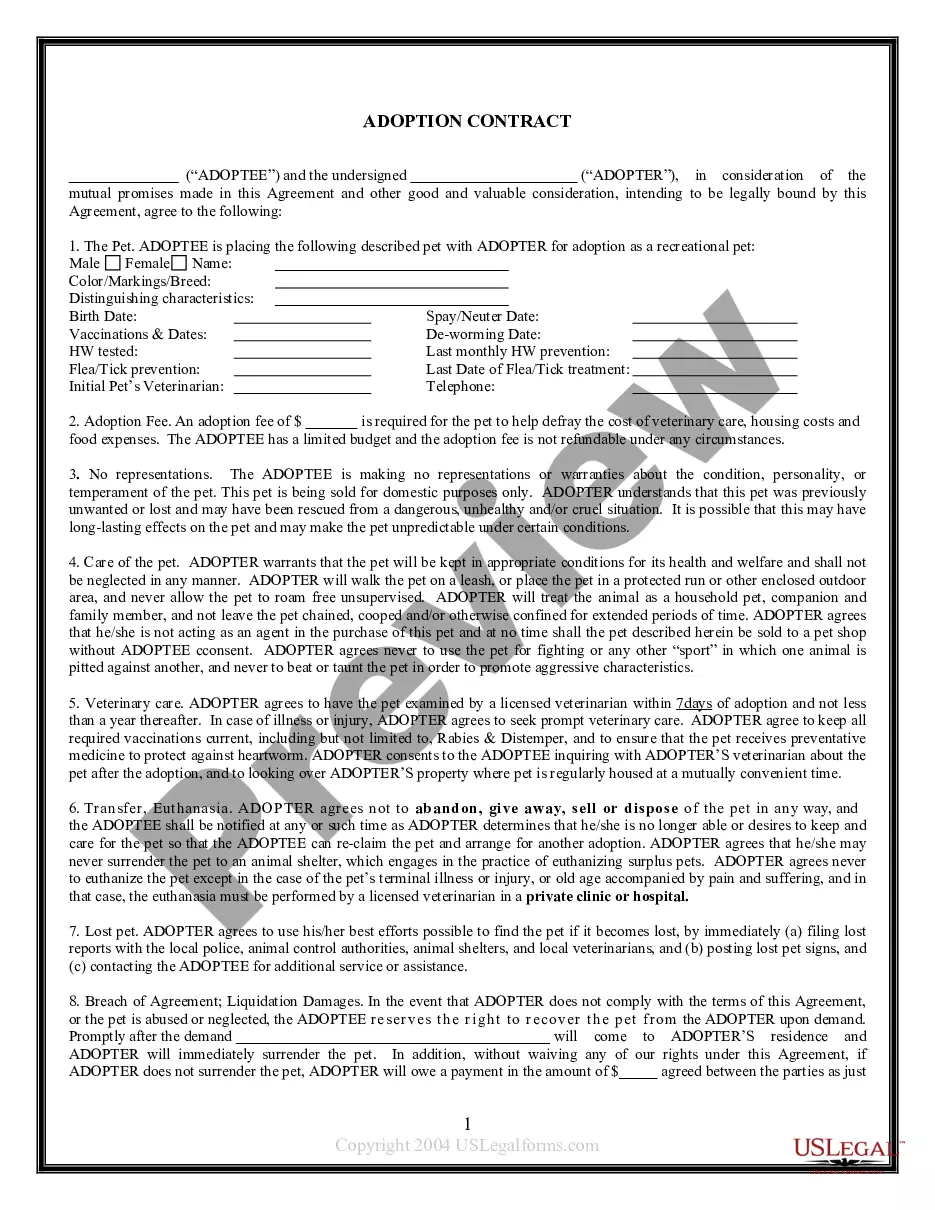
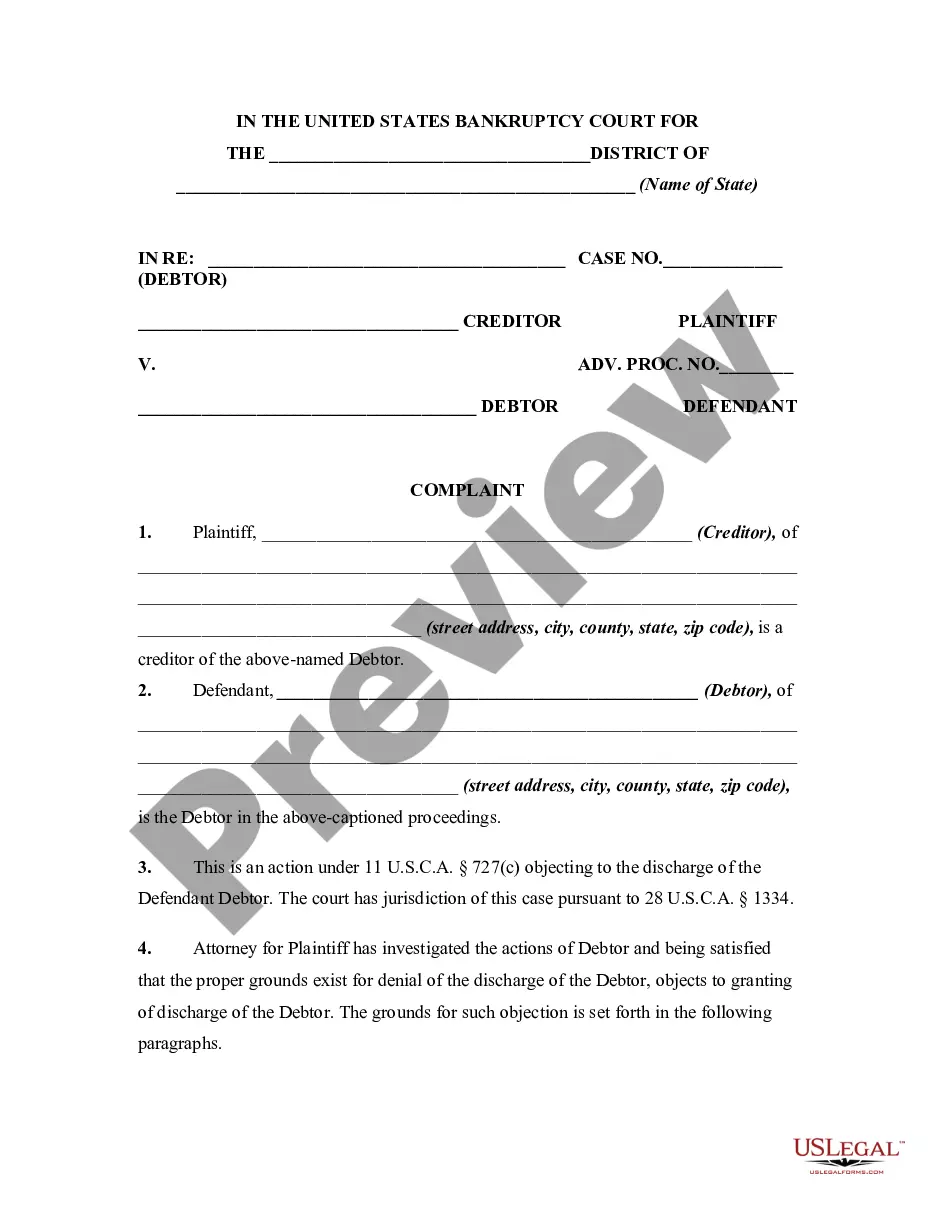
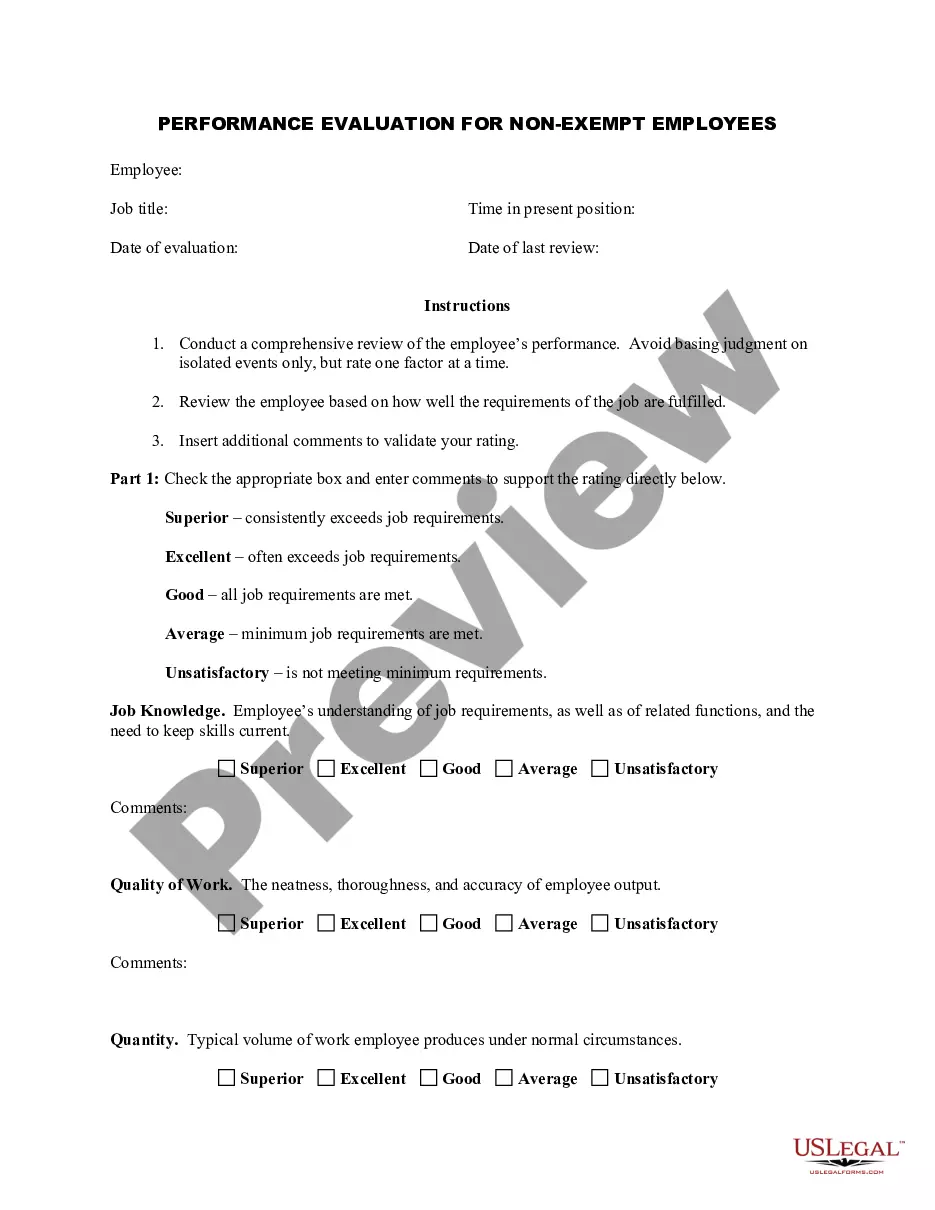




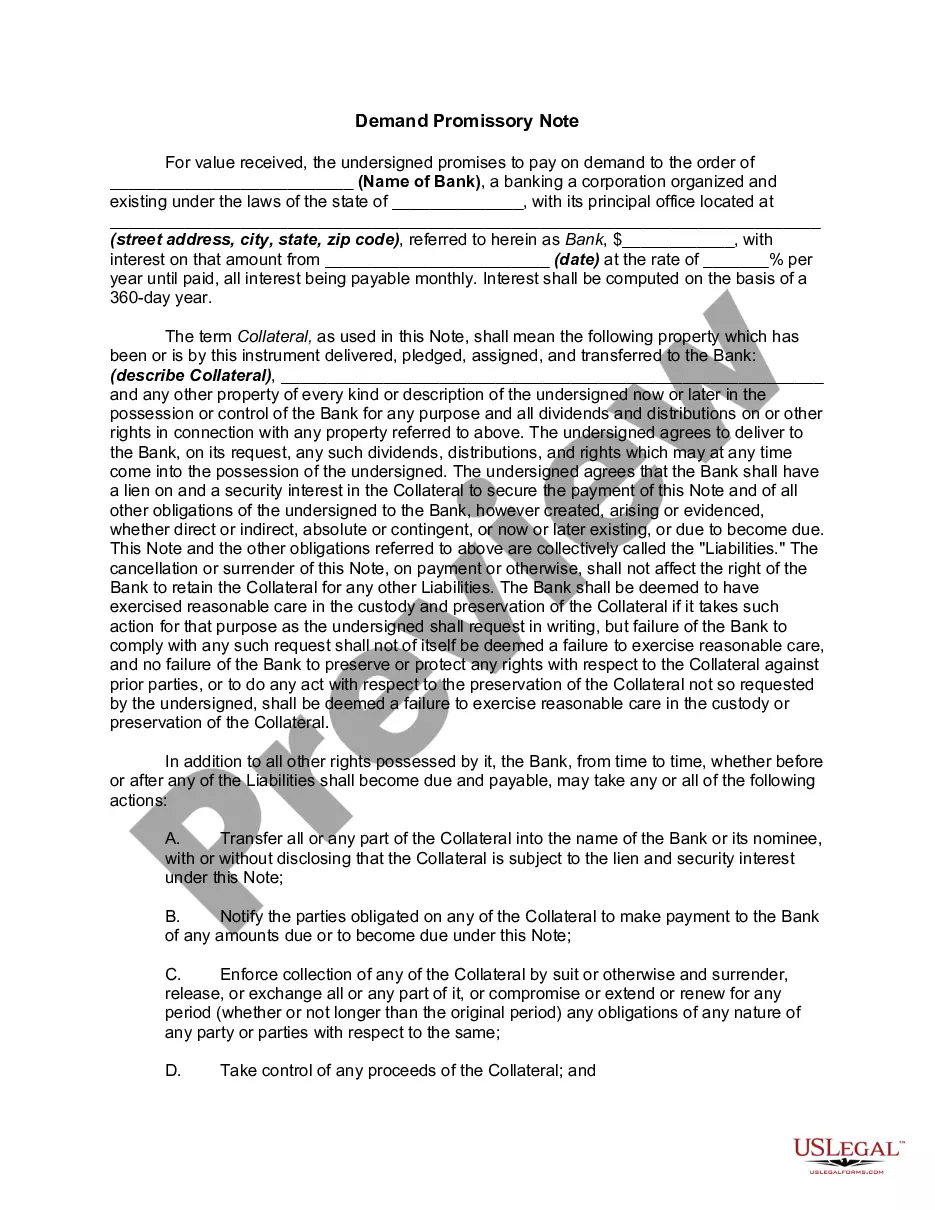
Form popularity
FAQ
Resigning as a power of attorney is typically something that can be accomplished by informing the principal that you don't want the appointment anymore and also then providing them written notice of your resignation (be sure to keep a copy, and proof of service/mail).
Create a Revocation Document: Draft a written statement that explicitly revokes the Power of Attorney. This document should include your name, the name of your agent, the date the original POA was executed, and a clear statement that you are revoking the authority granted by that document.
A principal can revoke a POA simply by telling the agent that they don't wish for them to retain power of attorney in front of witnesses. However, a verbal revocation can leave the matter open to question or interpretation.
Create a Revocation Document: Draft a written statement that explicitly revokes the Power of Attorney. This document should include your name, the name of your agent, the date the original POA was executed, and a clear statement that you are revoking the authority granted by that document.
What a power of attorney can't do Change a principal's will. Break their fiduciary duty to act in the principal's best interests. Make decisions on behalf of the principal after their death. (POA ends with the death of the principal. Change or transfer POA to someone else.