Letter With Money In Washington
Description
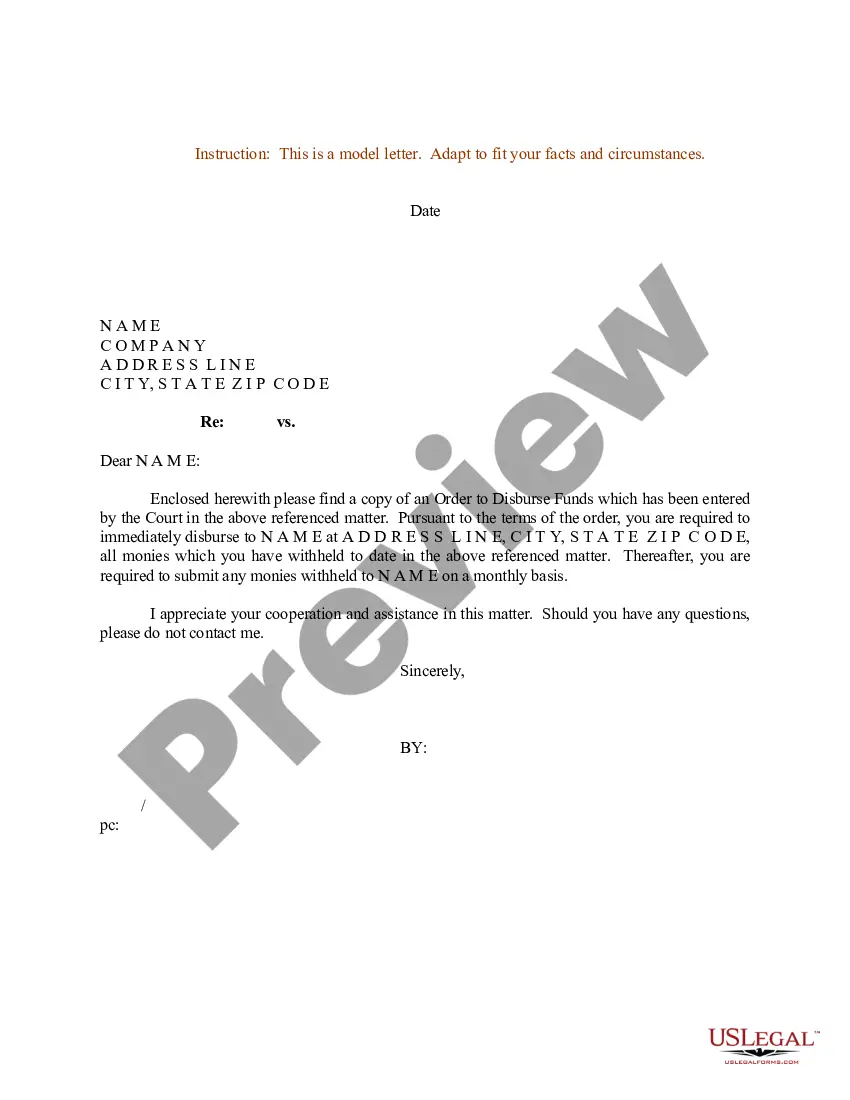
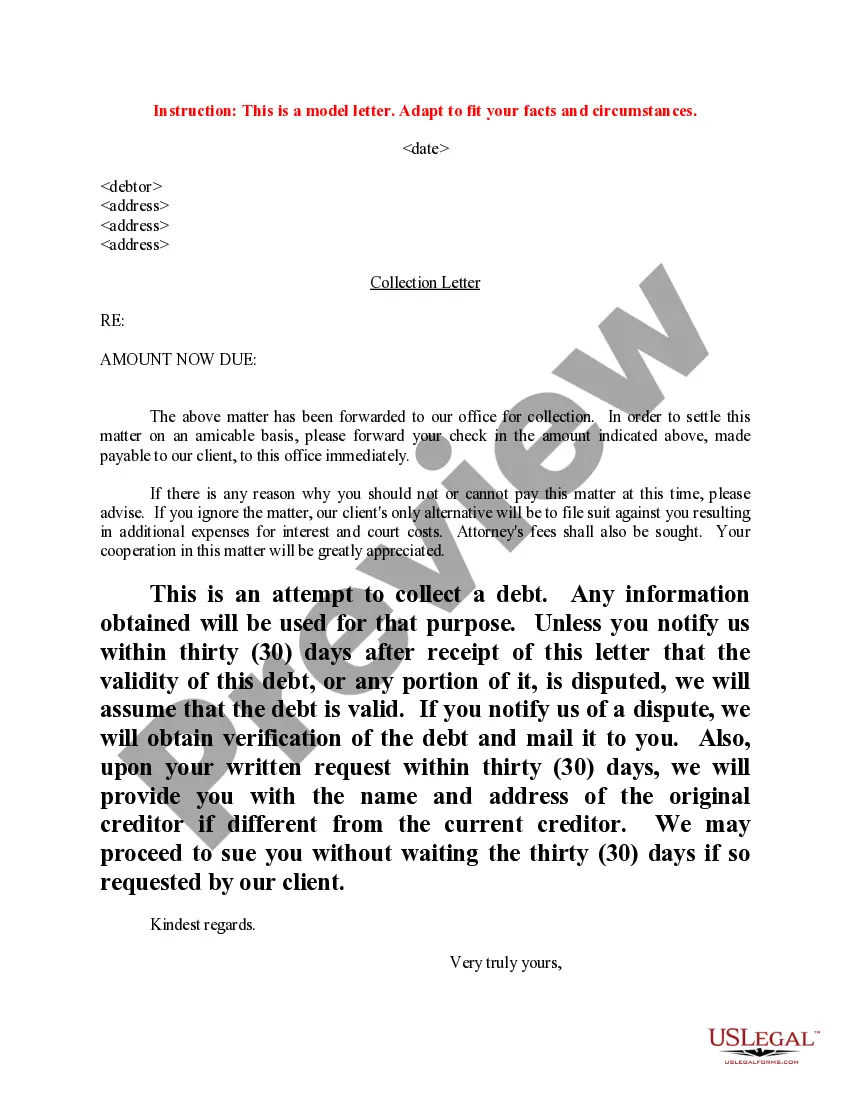
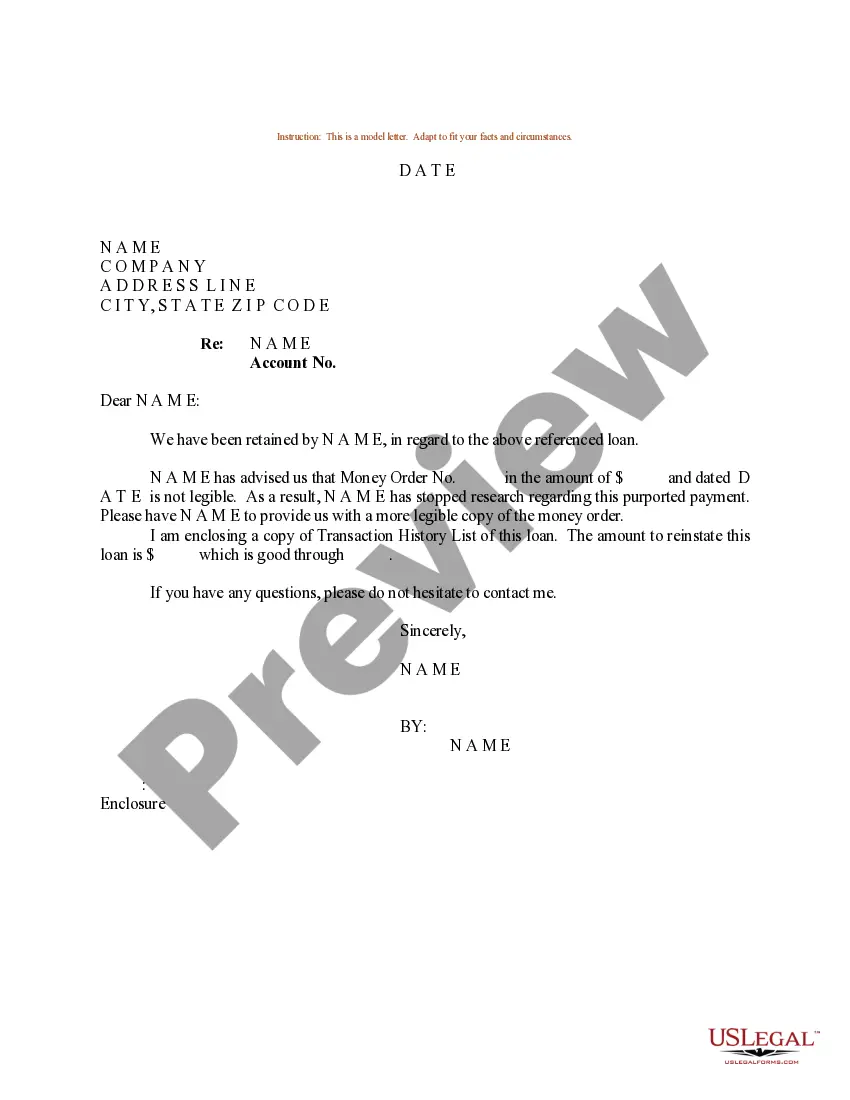
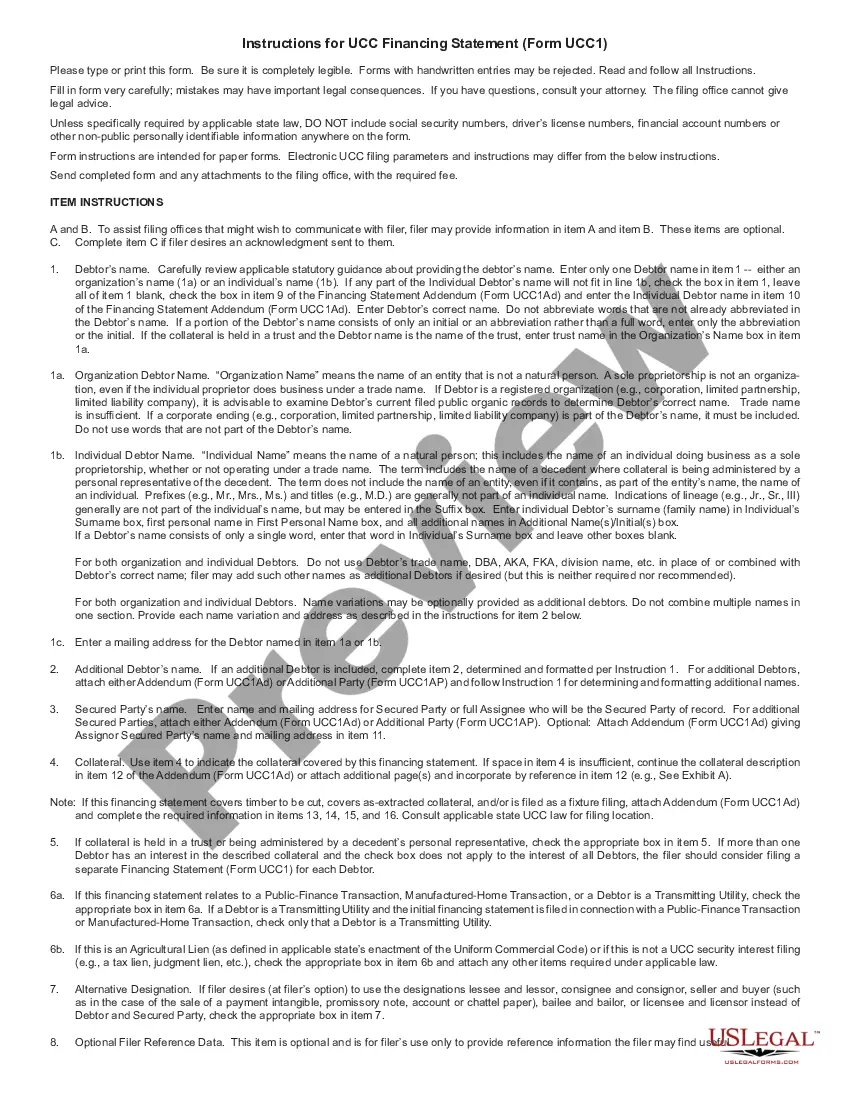
Get your form ready online
Our built-in tools help you complete, sign, share, and store your documents in one place.
Make edits, fill in missing information, and update formatting in US Legal Forms—just like you would in MS Word.
Download a copy, print it, send it by email, or mail it via USPS—whatever works best for your next step.
Sign and collect signatures with our SignNow integration. Send to multiple recipients, set reminders, and more. Go Premium to unlock E-Sign.
If this form requires notarization, complete it online through a secure video call—no need to meet a notary in person or wait for an appointment.
We protect your documents and personal data by following strict security and privacy standards.

Make edits, fill in missing information, and update formatting in US Legal Forms—just like you would in MS Word.

Download a copy, print it, send it by email, or mail it via USPS—whatever works best for your next step.

Sign and collect signatures with our SignNow integration. Send to multiple recipients, set reminders, and more. Go Premium to unlock E-Sign.

If this form requires notarization, complete it online through a secure video call—no need to meet a notary in person or wait for an appointment.

We protect your documents and personal data by following strict security and privacy standards.
Looking for another form?







Form popularity
FAQ
In these letters, George Washington shares his thoughts on Shays' Rebellion and the weaknesses of the Articles of Confederation with his friend and former chief artillery officer, Henry Knox.
The four core concepts Washington outlines in this letter are importance of a strong federal government, paying off the debt accrued by the nation during the war, establishing a well-trained militia in each state and promoting unity between the states despite their differences.
In this April 1789 letter to General Henry Knox, his friend from the Continental Army who served as Secretary of War, Washington accepted the inevitability of his election to the presidency, but with remarkable reluctance. His tone suggests how precarious the future of America seemed to him.
I feel, my dear Genl Knox, infinitely more than I can express to you, for the disorders which have arisen in these states. Good God! who besides a tory could have foreseen, or a Briton predicted them! were these people wiser than others, or did they judge of us from the corruption, and depravity of their own hearts?
George Washington to Henry Knox, February 3, 1787: If government shrinks, or is unable to enforce its laws; fresh manœuvres will be displayed by the insurgents— anarchy & confusion must prevail—and every thing will be turned topsy turvey in that State; where it is not probable the mischiefs will terminate. . . .
Designed to inspire and guide future generations, the address also set forth Washington's defense of his administration's record and embodied a classic statement of Federalist doctrine. Washington's principal concern was for the safety of the eight-year-old Constitution.
He wrote that the new nation he was helping build would give "to bigotry no sanction, to persecution no assistance." Today, the letter is considered a stepping stone for the First Amendment that would come the following year, in 1791.
When is property considered abandoned? Most property is presumed abandoned after three years.
Washington Dormancy Periods Most property types in Washington have a dormancy period of three years. Accounts are considered dormant if the owner of a property has not indicated any interest in the property or if no contact has been made for the allotted dormancy period for that property.
In the main body of your letter, present the facts of the case in a calm, thorough manner. Your description of damages may take up most of the body of the letter. Make sure your demand letter ends by affirming your willingness to pursue legal action if not satisfied.

