Letter For Money In Utah
Description
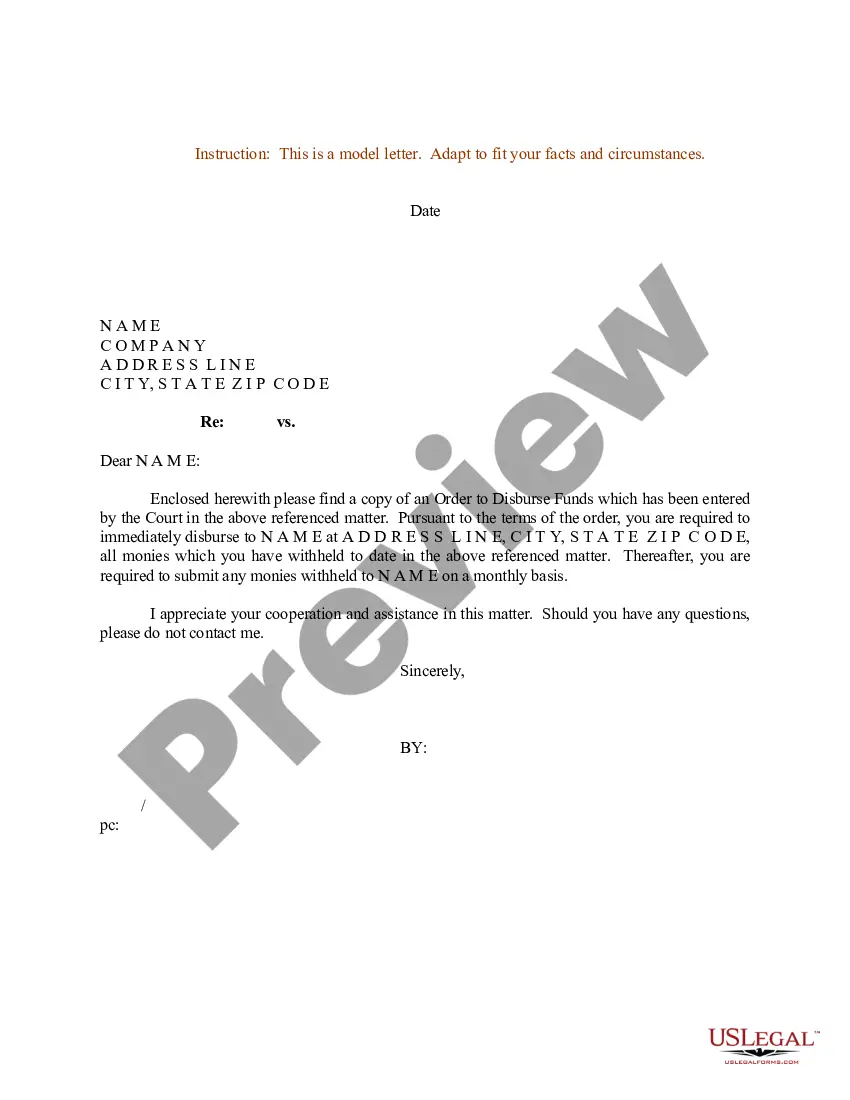
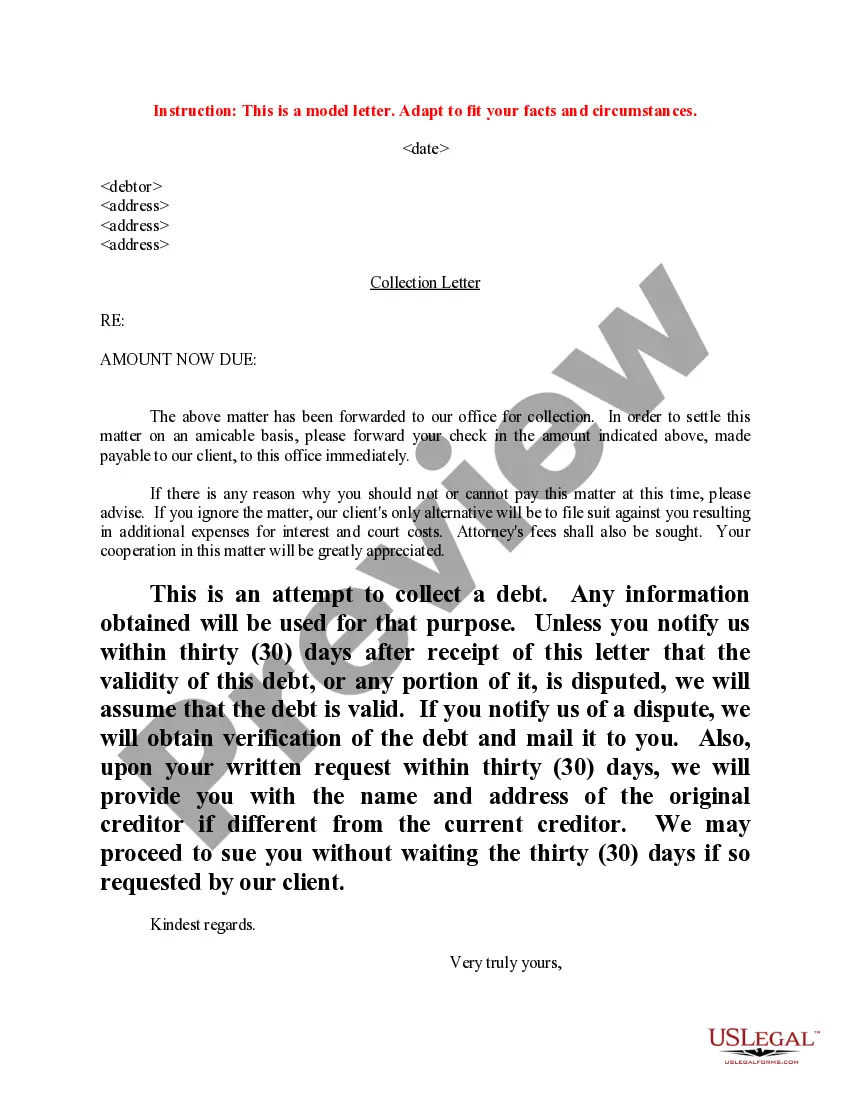
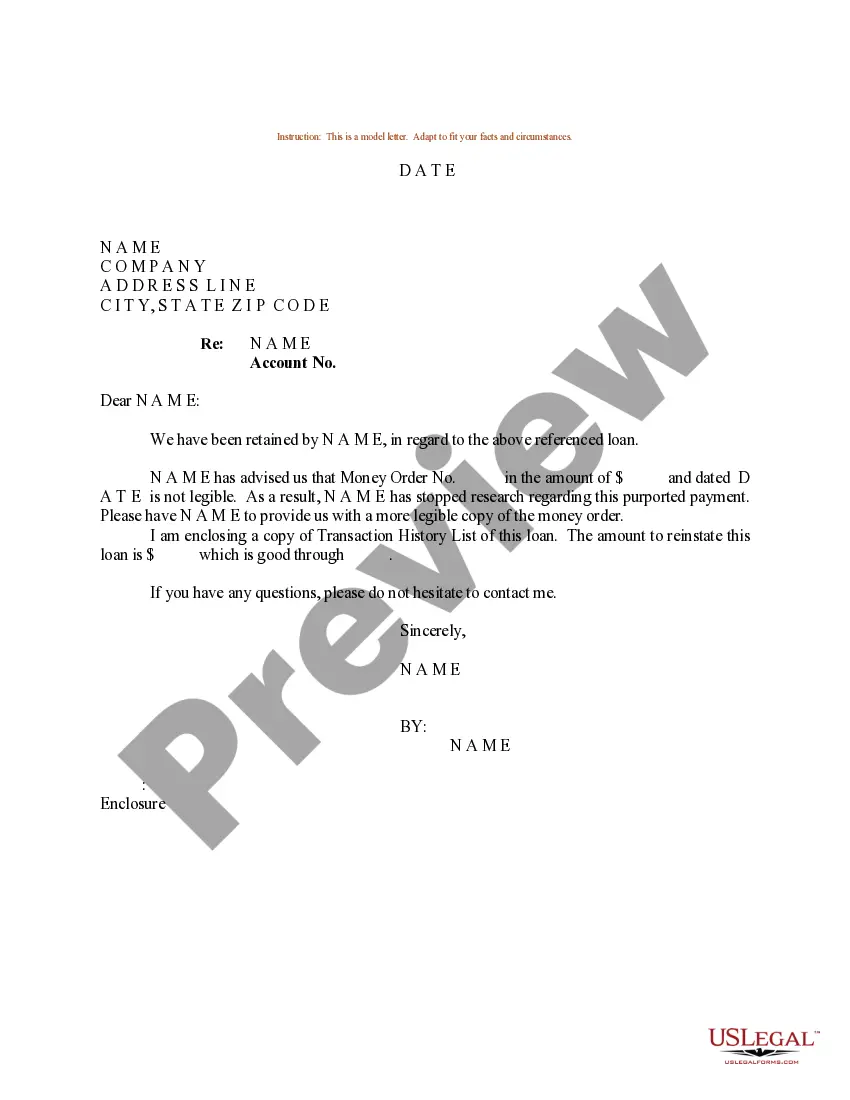
Get your form ready online
Our built-in tools help you complete, sign, share, and store your documents in one place.
Make edits, fill in missing information, and update formatting in US Legal Forms—just like you would in MS Word.
Download a copy, print it, send it by email, or mail it via USPS—whatever works best for your next step.
Sign and collect signatures with our SignNow integration. Send to multiple recipients, set reminders, and more. Go Premium to unlock E-Sign.
If this form requires notarization, complete it online through a secure video call—no need to meet a notary in person or wait for an appointment.
We protect your documents and personal data by following strict security and privacy standards.

Make edits, fill in missing information, and update formatting in US Legal Forms—just like you would in MS Word.

Download a copy, print it, send it by email, or mail it via USPS—whatever works best for your next step.

Sign and collect signatures with our SignNow integration. Send to multiple recipients, set reminders, and more. Go Premium to unlock E-Sign.

If this form requires notarization, complete it online through a secure video call—no need to meet a notary in person or wait for an appointment.

We protect your documents and personal data by following strict security and privacy standards.
Looking for another form?









Form popularity
FAQ
Generally, if the property in question has not had any activity within a certain period of time, e.g., three years for most properties, and the holder is unable to locate the property owner, it is considered abandoned and must be reported to the Unclaimed Property Division of the State Treasurer's Office.
By law, unclaimed property is reportable once it reaches the dormancy period. That period covers the time that property has been aged without owner contact, typically one to five years. This allows companies enough time to continue to resolve credit issues and other outstanding matters on their own before escheating.
After a designated period of time (called the dormancy period) with no activity or contact, the property becomes “unclaimed” and—by law—must be turned over to the state.
Lost items reported to the Unclaimed Property Division are held for the benefit of rightful owners, FOREVER. Even when someone dies before collecting their unclaimed property from the state the heirs can claim their portion.
If you believe you are entitled to an unclaimed financial asset of a deceased relative, you can file a claim with the state government or business that is holding it. If you are specifically named as a beneficiary in the deceased relative's will, the claim process can be relatively smooth.
Utah Dormancy Periods Generally, most property types have a 3 year dormancy period. Accounts are considered dormant if the owner of a property has not indicated any interest in the property or if no contact has been made for the allotted dormancy period for that property.

