Letter Cash Withdrawal In Queens
Description
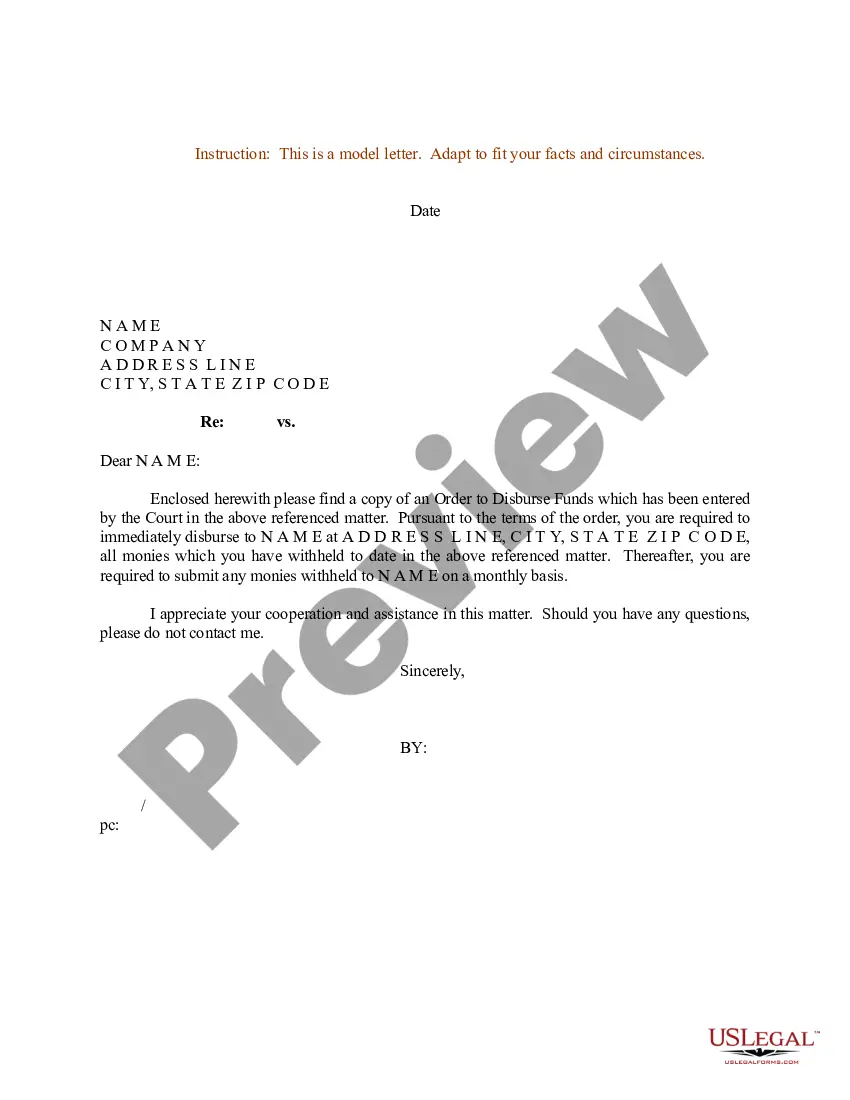
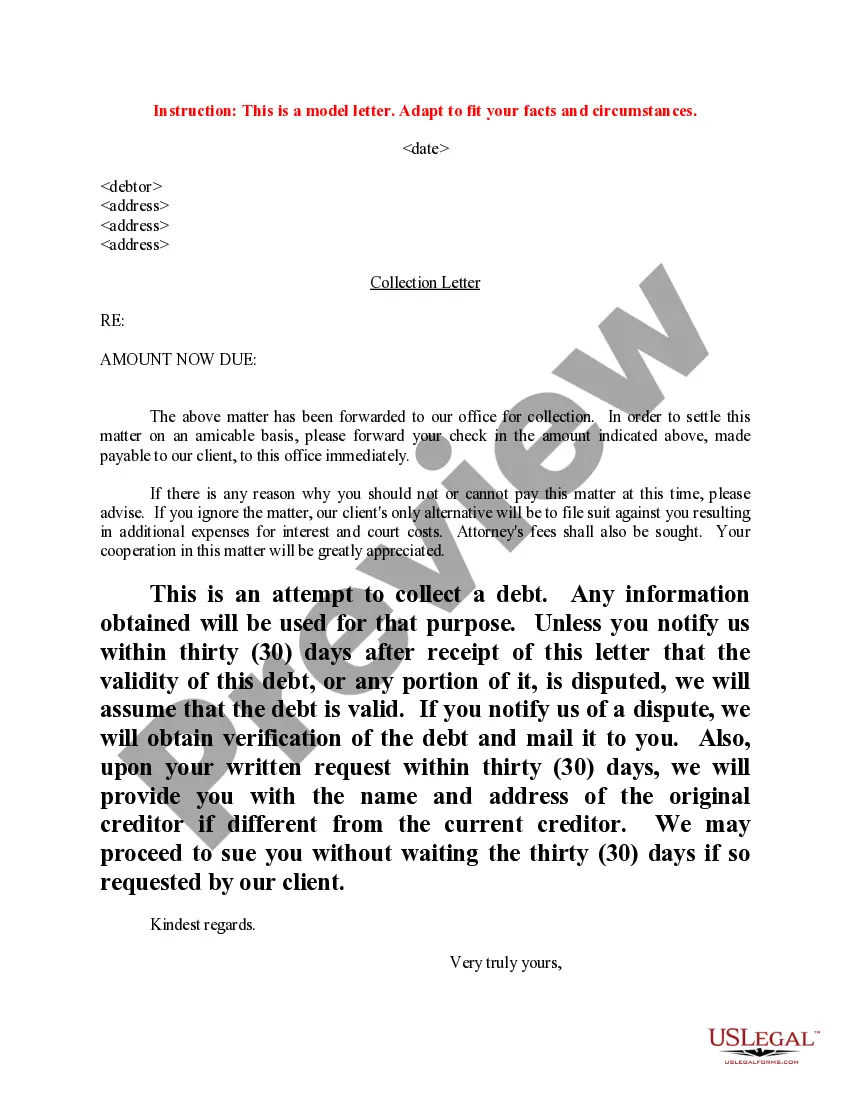
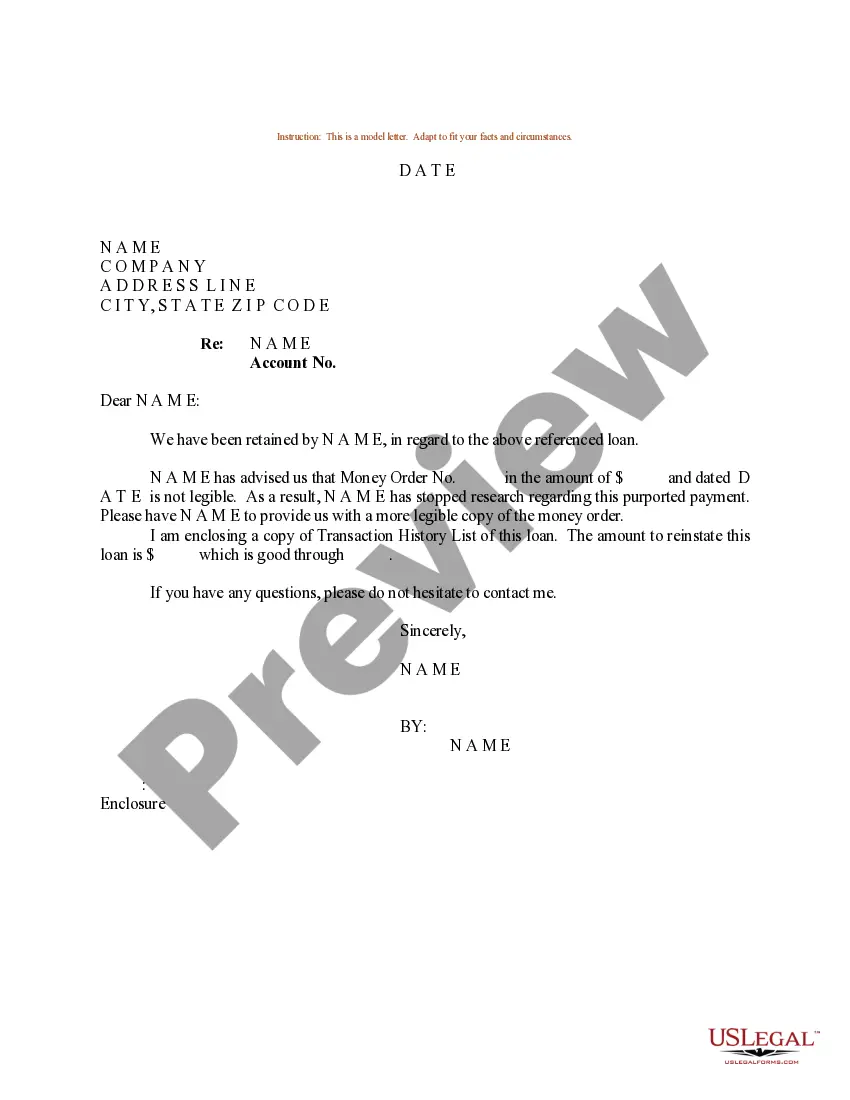
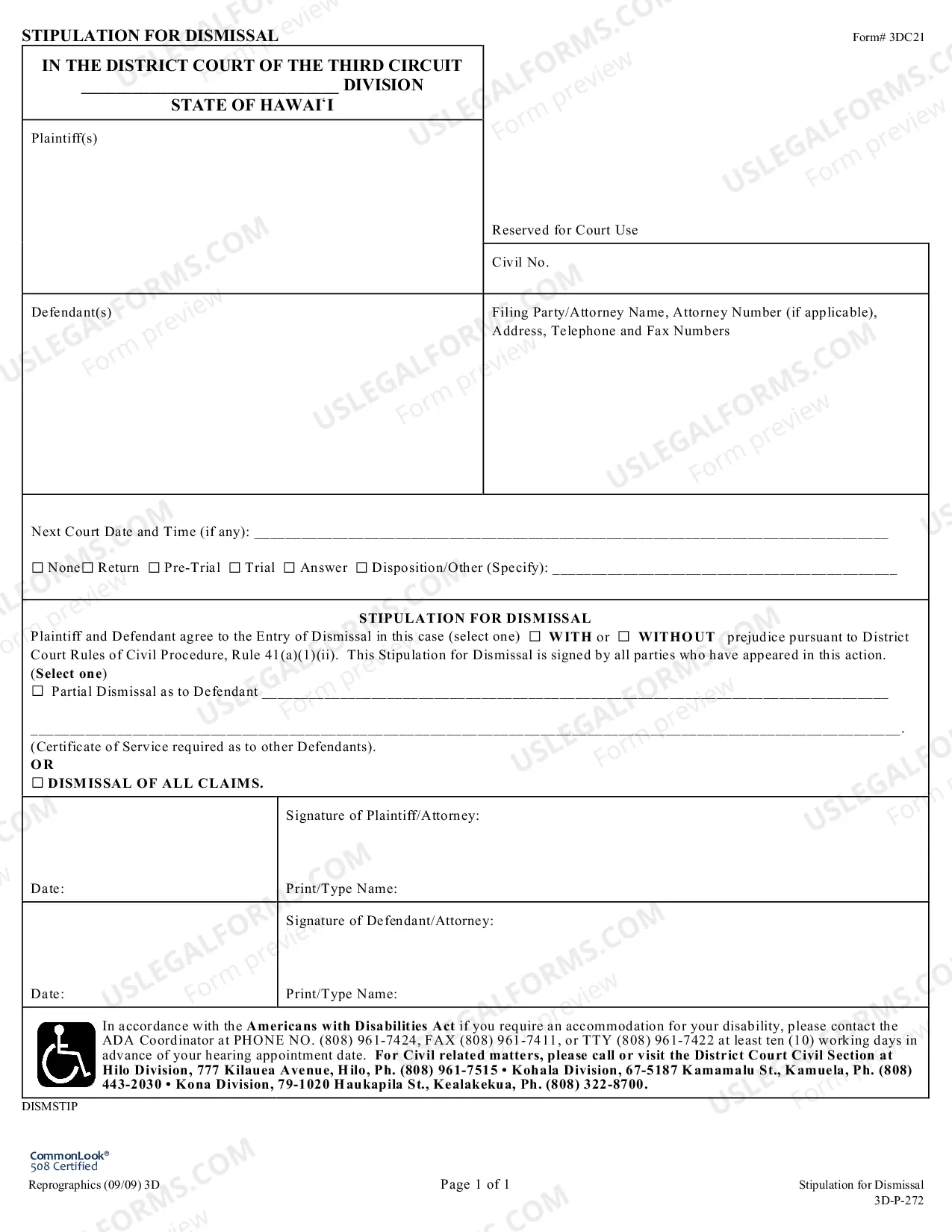
Get your form ready online
Our built-in tools help you complete, sign, share, and store your documents in one place.
Make edits, fill in missing information, and update formatting in US Legal Forms—just like you would in MS Word.
Download a copy, print it, send it by email, or mail it via USPS—whatever works best for your next step.
Sign and collect signatures with our SignNow integration. Send to multiple recipients, set reminders, and more. Go Premium to unlock E-Sign.
If this form requires notarization, complete it online through a secure video call—no need to meet a notary in person or wait for an appointment.
We protect your documents and personal data by following strict security and privacy standards.

Make edits, fill in missing information, and update formatting in US Legal Forms—just like you would in MS Word.

Download a copy, print it, send it by email, or mail it via USPS—whatever works best for your next step.

Sign and collect signatures with our SignNow integration. Send to multiple recipients, set reminders, and more. Go Premium to unlock E-Sign.

If this form requires notarization, complete it online through a secure video call—no need to meet a notary in person or wait for an appointment.

We protect your documents and personal data by following strict security and privacy standards.
Looking for another form?

Form popularity
FAQ
The Surrogate's Court is established in every county to hear cases involving the affairs of decedents, including the probate of wills, and the administration of estates and trust proceedings. Family, Supreme, and Surrogate's Courts have concurrent jurisdiction over guardianships of the person and property of infants.
A probate court (sometimes called a surrogate court) is a court that has competence in a jurisdiction to deal with matters of probate and the administration of estates. In some jurisdictions, such courts may be referred to as orphans' courts or courts of ordinary.
If your petition is granted, you will receive letters of administration from the Queens County Surrogate's Court. These letters give you the legal authority to administer the decedent's estate, including managing their assets, paying their debts, and distributing their property to heirs.
In New York State, the Surrogate's Court maintains jurisdiction over all actions and proceedings relating to the affairs of decedents.
Student records, etc. are available in an accessible format or with appropriate communication supports upon request by email to financialaid@queensu.ca, by phone at 613.533. 2216, or in person at Gordon Hall, 74 Union Street, Room 125.
Withdrawal from the University The student does this by completing the Withdrawal/Leave of Absence Form and turning it in to the Registrar's Office.
How to Get Your T2202 On the main page of SOLUS select the Financial Account tile. On the left sidebar select T2202A Tax Forms. Select your requested year and click Retrieve. SOLUS will then prepare your T2202 and it will appear in a pop-up.
1. Is it hard to get into Queen's University? Queen's University has one of the lower acceptance rates among universities in Canada at 42%, making it quite selective and competitive to get into.
It's vital to remember that acquiring Letters Testamentary involves a process, often requiring the assistance of an experienced estate attorney. And while the process may take time, particularly in populous regions like New York City, this process is crucial to ensuring the transition of the decedent's assets.

