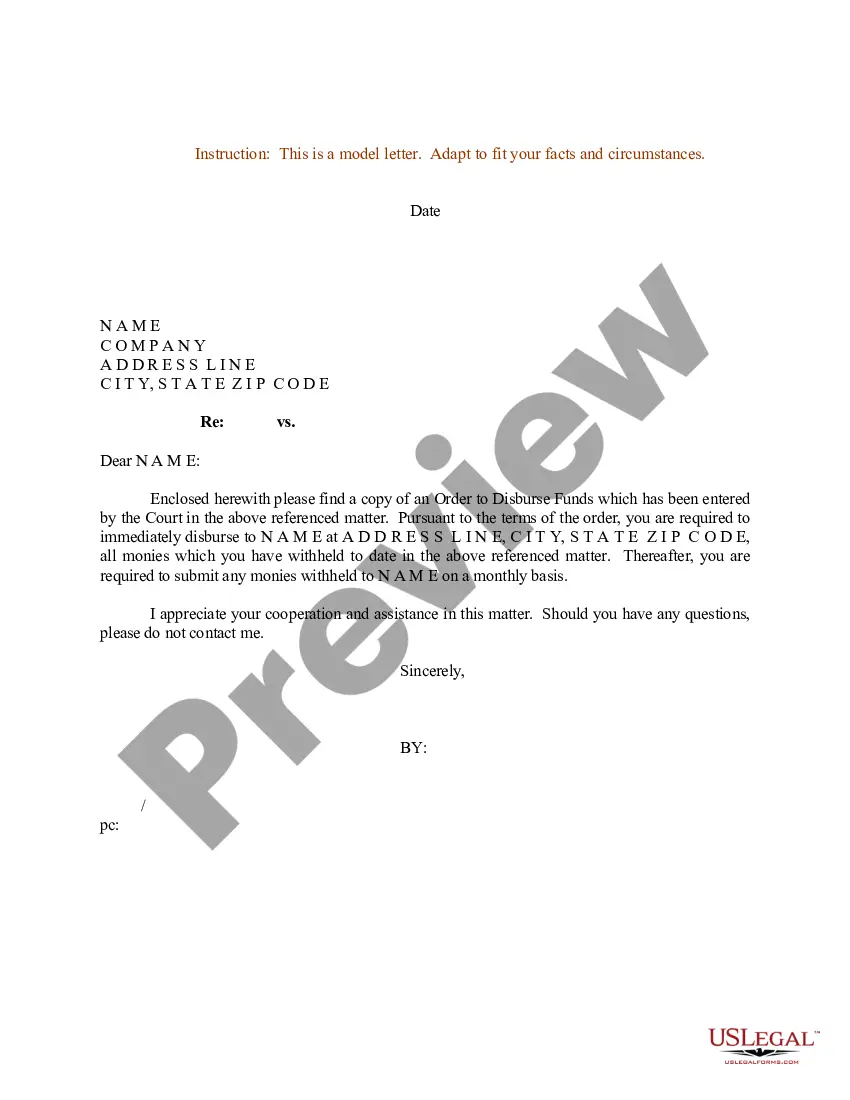
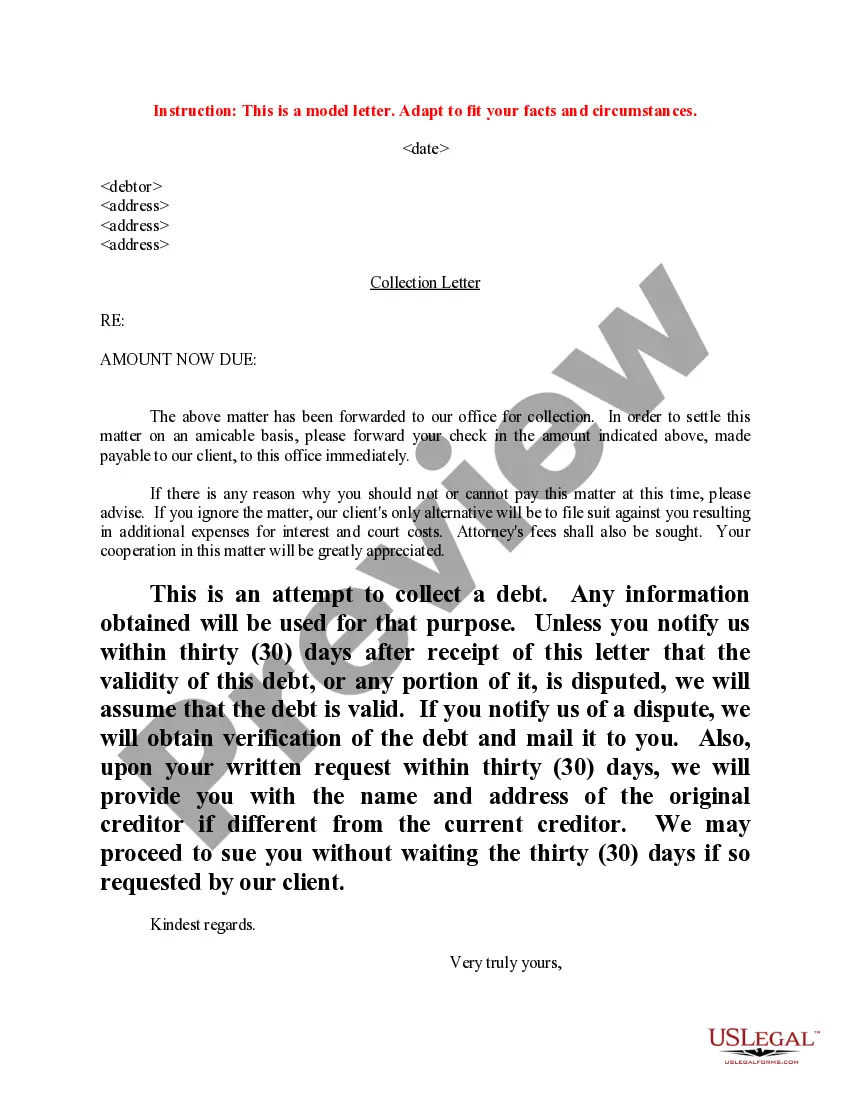
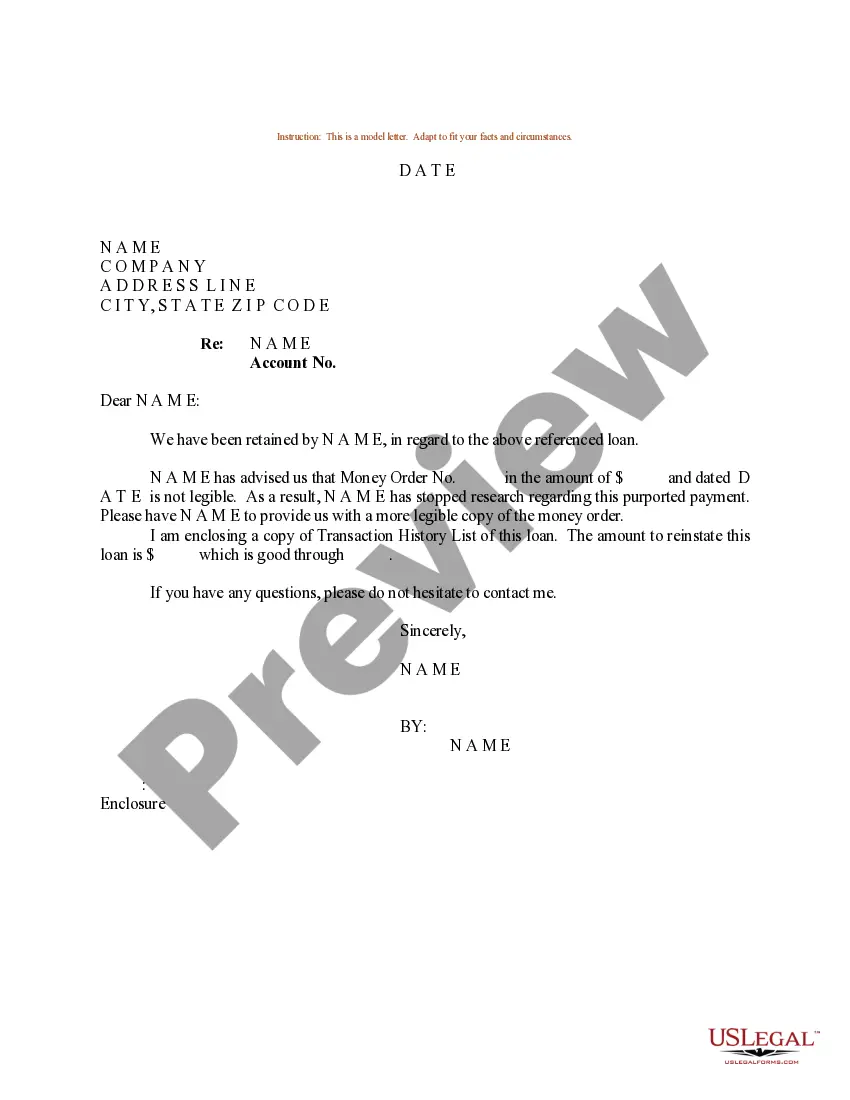
Letter For Money Refund In Ohio
Description
Get your form ready online
Our built-in tools help you complete, sign, share, and store your documents in one place.
Make edits, fill in missing information, and update formatting in US Legal Forms—just like you would in MS Word.
Download a copy, print it, send it by email, or mail it via USPS—whatever works best for your next step.
Sign and collect signatures with our SignNow integration. Send to multiple recipients, set reminders, and more. Go Premium to unlock E-Sign.
If this form requires notarization, complete it online through a secure video call—no need to meet a notary in person or wait for an appointment.
We protect your documents and personal data by following strict security and privacy standards.

Make edits, fill in missing information, and update formatting in US Legal Forms—just like you would in MS Word.

Download a copy, print it, send it by email, or mail it via USPS—whatever works best for your next step.

Sign and collect signatures with our SignNow integration. Send to multiple recipients, set reminders, and more. Go Premium to unlock E-Sign.

If this form requires notarization, complete it online through a secure video call—no need to meet a notary in person or wait for an appointment.

We protect your documents and personal data by following strict security and privacy standards.
Looking for another form?










Form popularity
FAQ
Statement from the Ohio Department of Taxation: Most taxpayers who file an original return and request direct deposit of their refund will receive it within 15 business days. Returns submitted by mail and/or requesting a refund check generally take 8 to 10 weeks to process.
In Ohio, an online tax return filing that is smoothly processed typically sees a refund within two to three weeks. Filing a paper return takes longer for Ohio's tax department to process, and can take anywhere from eight to 10 weeks.
The Ohio Department of Taxation provides a tool that allows you to check the status of your income tax refund online. You can also call the department's individual taxpayer helpline at 1-800-282-1784.
Direct deposit will allow you to receive your refund within seven to ten days, if not sooner. If you would like to use this method you will be asked to provide the following information: Indicate your direct deposit will be made to a checking account. The Bank Routing Number.
If you file a complete and accurate paper tax return, your refund should be issued in about six to eight weeks from the date IRS receives your return.
With income tax fraud and identity theft on the rise, the Ohio Department of Taxation (ODT) is committed to safeguarding taxpayer dollars by increasing security measures. The identity verification letter is just one of the tools ODT is using to prevent fraudsters from receiving a refund as a result of identity theft.
Refer to the tax return identified on the identity verification letter (Ohio IT 1040 or Ohio SD 100). The amount will be listed directly to the right of “YOUR REFUND” on the return. Enter the amount in whole dollars (no decimal places). Do not use your federal refund amount.
If you need more information on the offset, contact the Bureau of the Fiscal Service at 800-304-3107 (or TTY/TDD 866-297-0517) to find out where Treasury applied your tax refund.
You generally cannot stop a tax refund offset. The IRS service center processing the return will likely not honor the request. However, the documentation submitted with the tax return can help with other interactions with the IRS. This first option presupposes that the taxpayer knows of their Federal or other debt.

