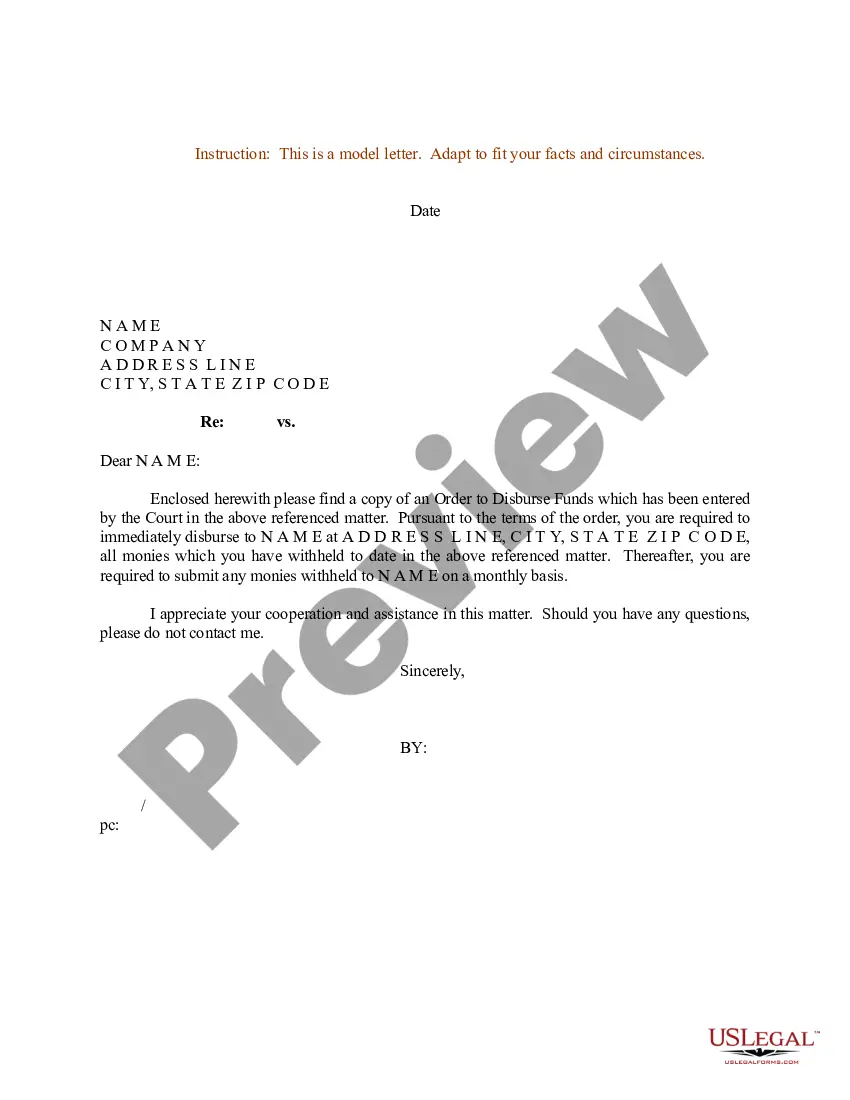
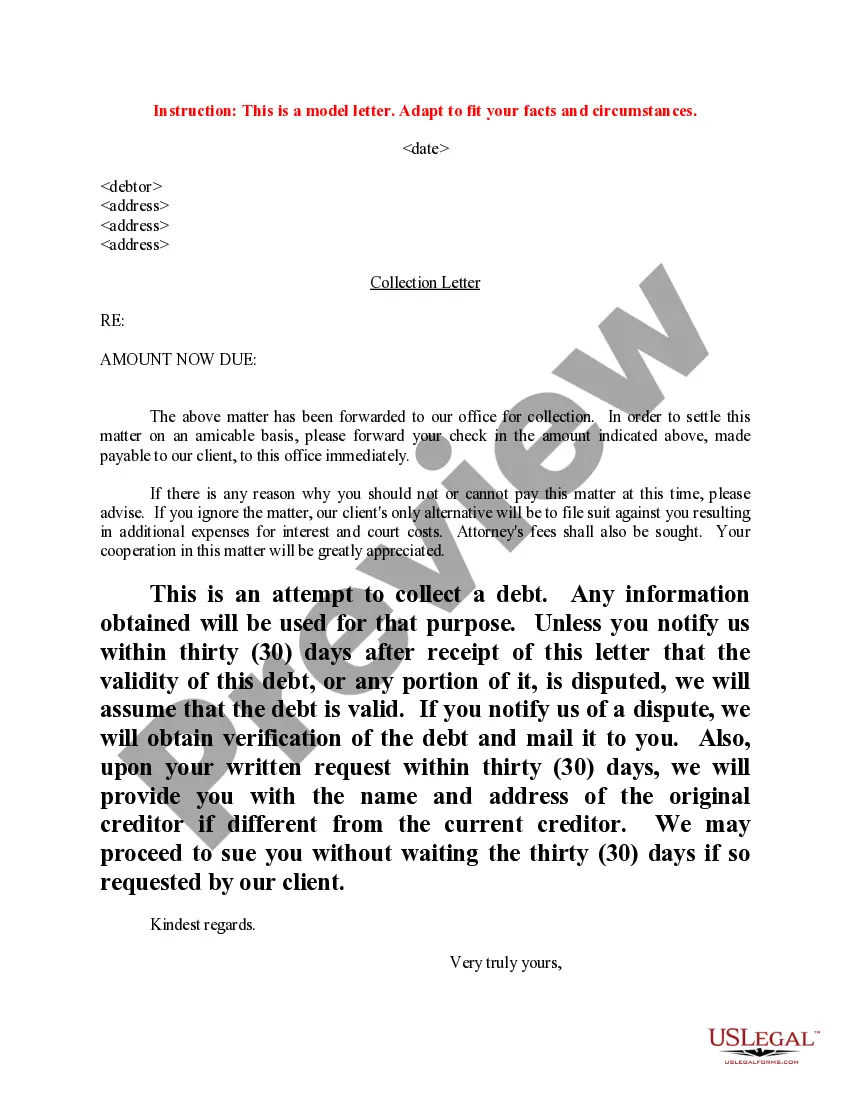
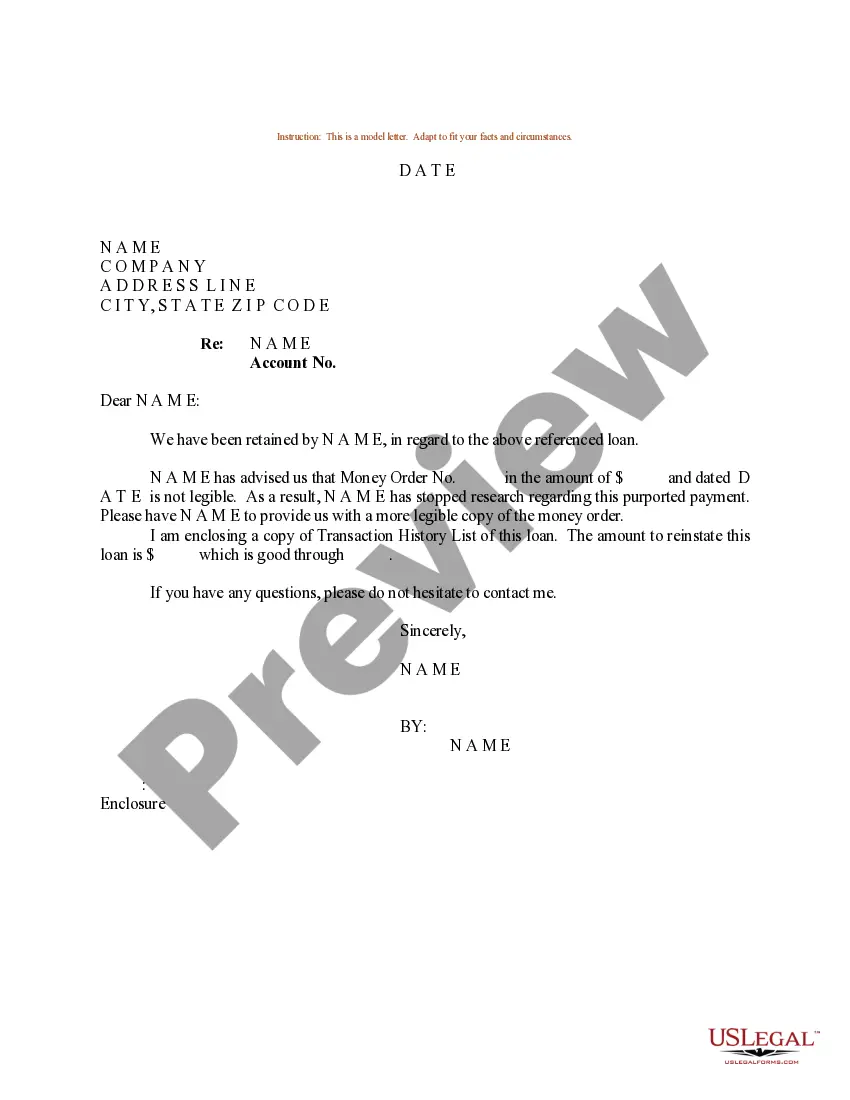
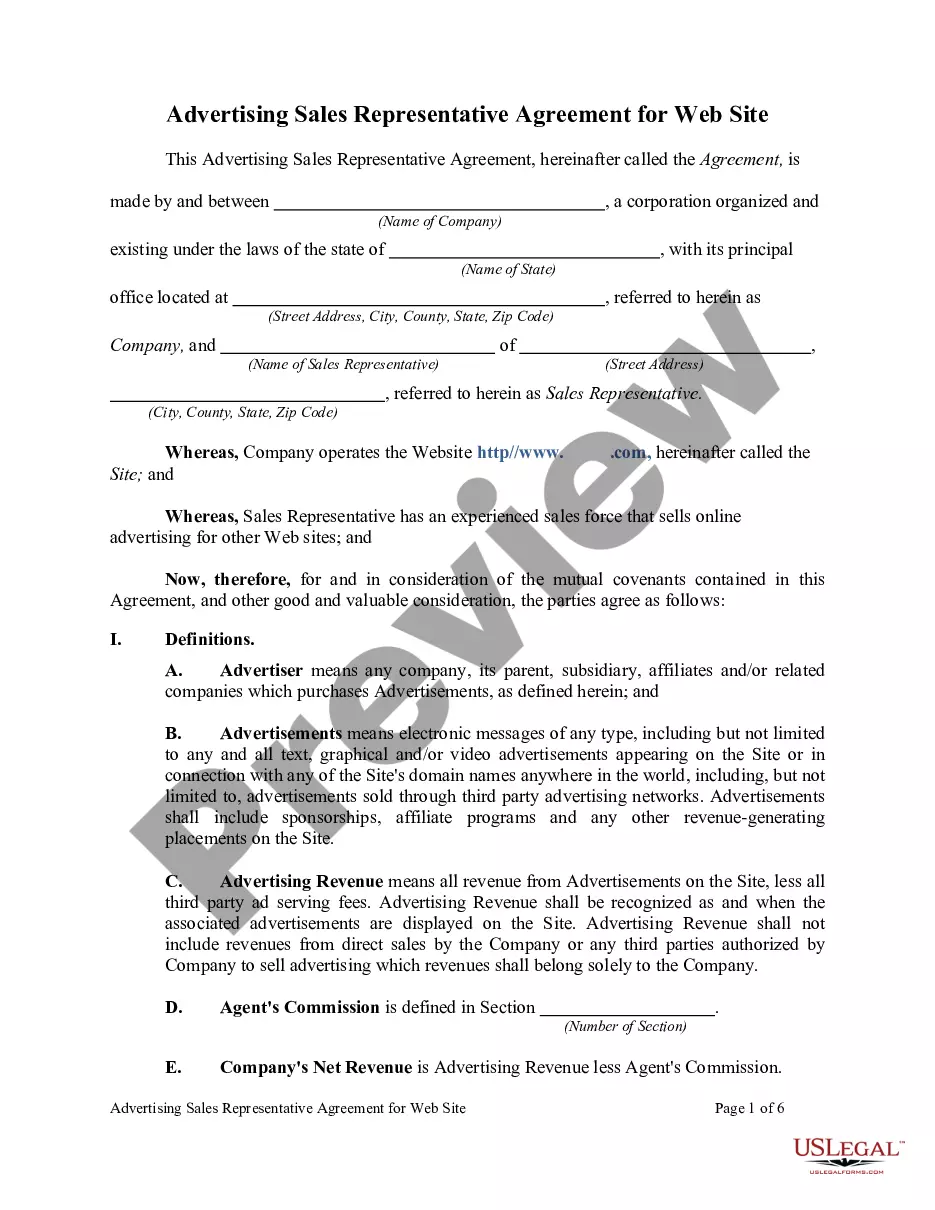
Letter For Money Transfer In Miami-Dade
Description
Get your form ready online
Our built-in tools help you complete, sign, share, and store your documents in one place.
Make edits, fill in missing information, and update formatting in US Legal Forms—just like you would in MS Word.
Download a copy, print it, send it by email, or mail it via USPS—whatever works best for your next step.
Sign and collect signatures with our SignNow integration. Send to multiple recipients, set reminders, and more. Go Premium to unlock E-Sign.
If this form requires notarization, complete it online through a secure video call—no need to meet a notary in person or wait for an appointment.
We protect your documents and personal data by following strict security and privacy standards.

Make edits, fill in missing information, and update formatting in US Legal Forms—just like you would in MS Word.

Download a copy, print it, send it by email, or mail it via USPS—whatever works best for your next step.

Sign and collect signatures with our SignNow integration. Send to multiple recipients, set reminders, and more. Go Premium to unlock E-Sign.

If this form requires notarization, complete it online through a secure video call—no need to meet a notary in person or wait for an appointment.

We protect your documents and personal data by following strict security and privacy standards.
Looking for another form?







Form popularity
FAQ
Public Records Requests However, if you are unable to locate the records online, you may submit a Public Records Request form. This form may be submitted by mail to Records Management, Miami-Dade County Clerk of Courts, P.O. Box 14695, Miami, FL 33101 or by email to cocpubreq@miamidade.
Anyone can access public records in Florida. ing to Chapter 119 of Florida Statutes, state, county, and municipal records can be inspected by "any person." State laws also describe access as a "mandated duty." To obtain a record, you must contact whoever's been appointed or elected to maintain the records.
If you receive a request for public information or for a record in any format such as documents, electronic information, video, etc., forward the request immediately to the Citizen Information Center (CIC) at prr@dadeschools. If you are NOT the custodian of the record(s), please notify staff at CIC.
To send a wire within the U.S., you need: Beneficiary name (person or company to whom the wire is being sent) Beneficiary physical address. Beneficiary account number.
To send a wire transfer by bank, you will typically be asked to provide the following information: Recipient full name. Sender full name. Recipient phone number. Sender phone number. Recipient address. Recipient bank name and information. Recipient checking account information.
What information do I need to send a wire transfer in the app or online banking? You'll need the name and address of the person who will receive the wire transfer (often called the beneficiary). You'll also need their bank information, including account number and bank routing number.

