Sample Money Order Form For Physicians In Maricopa
Description
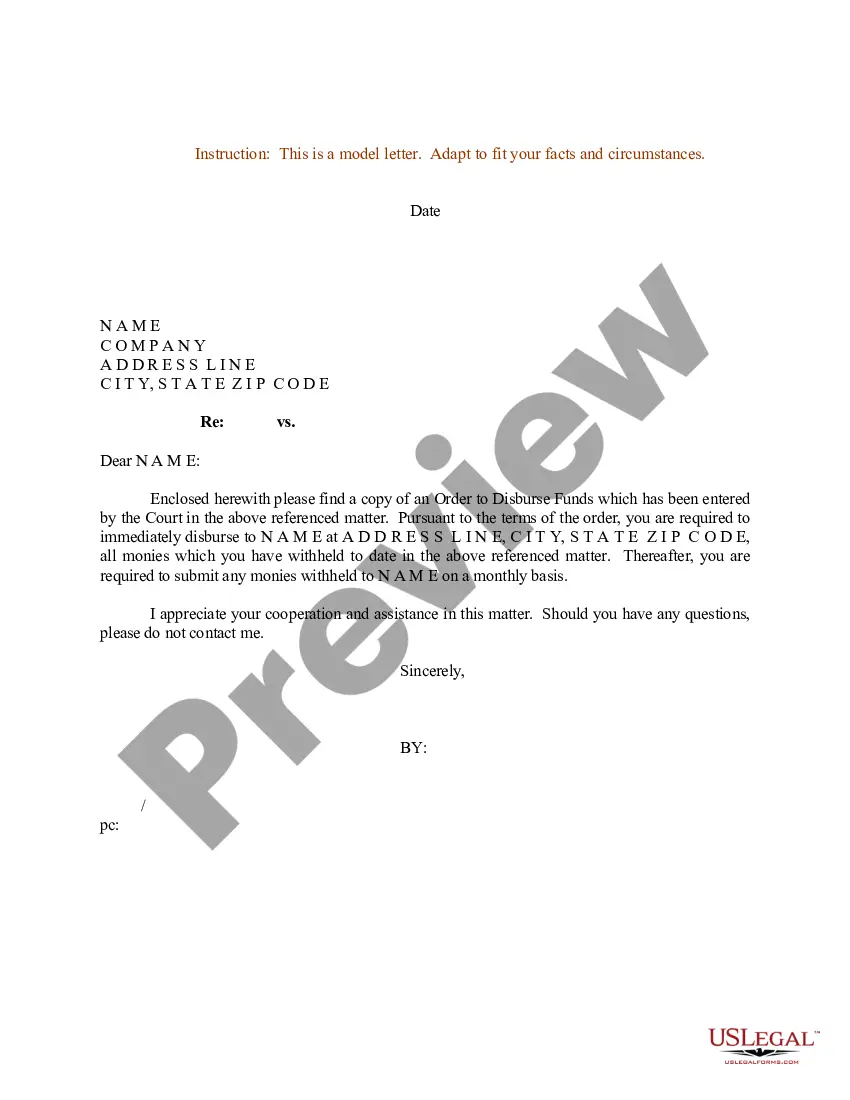
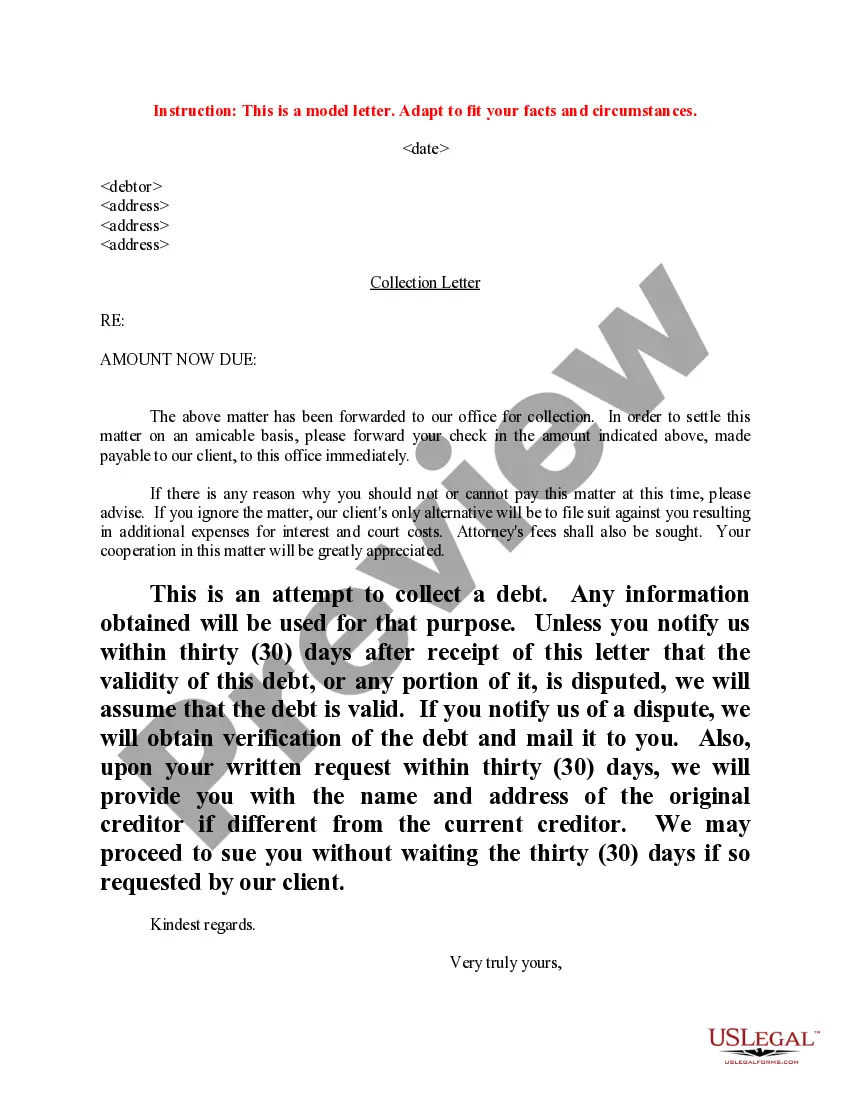
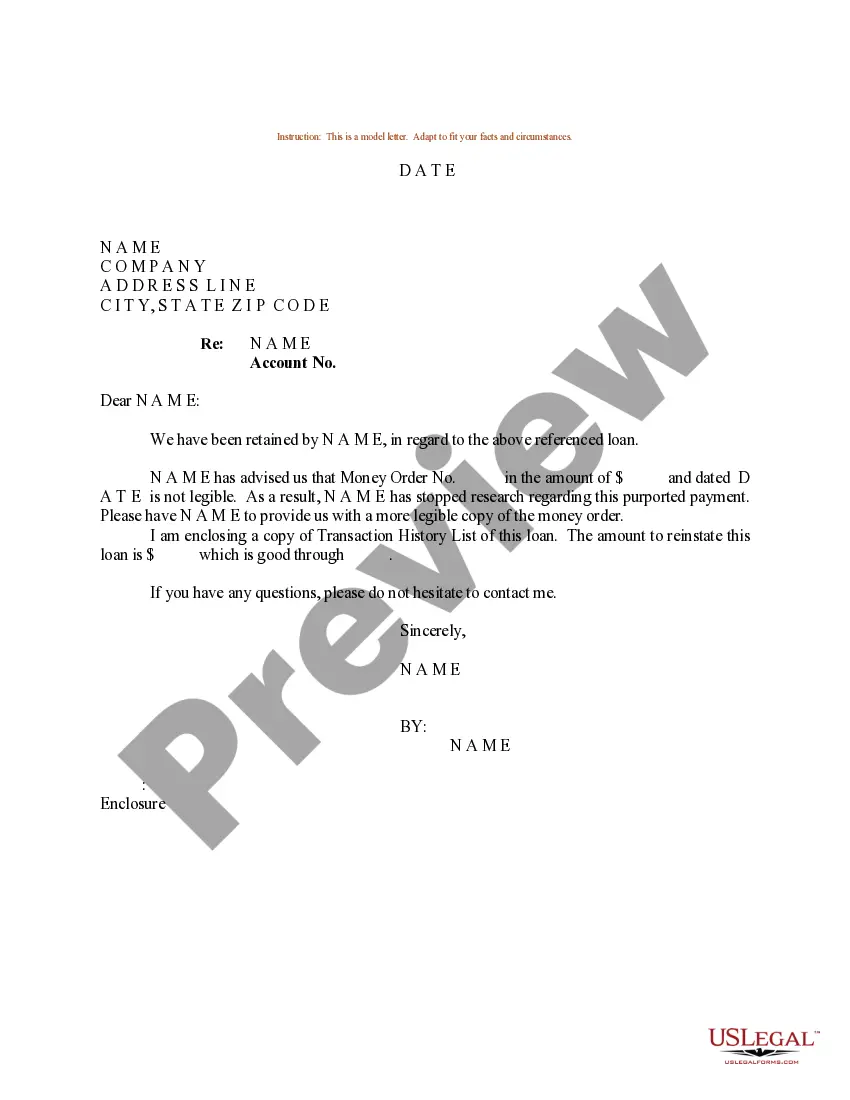
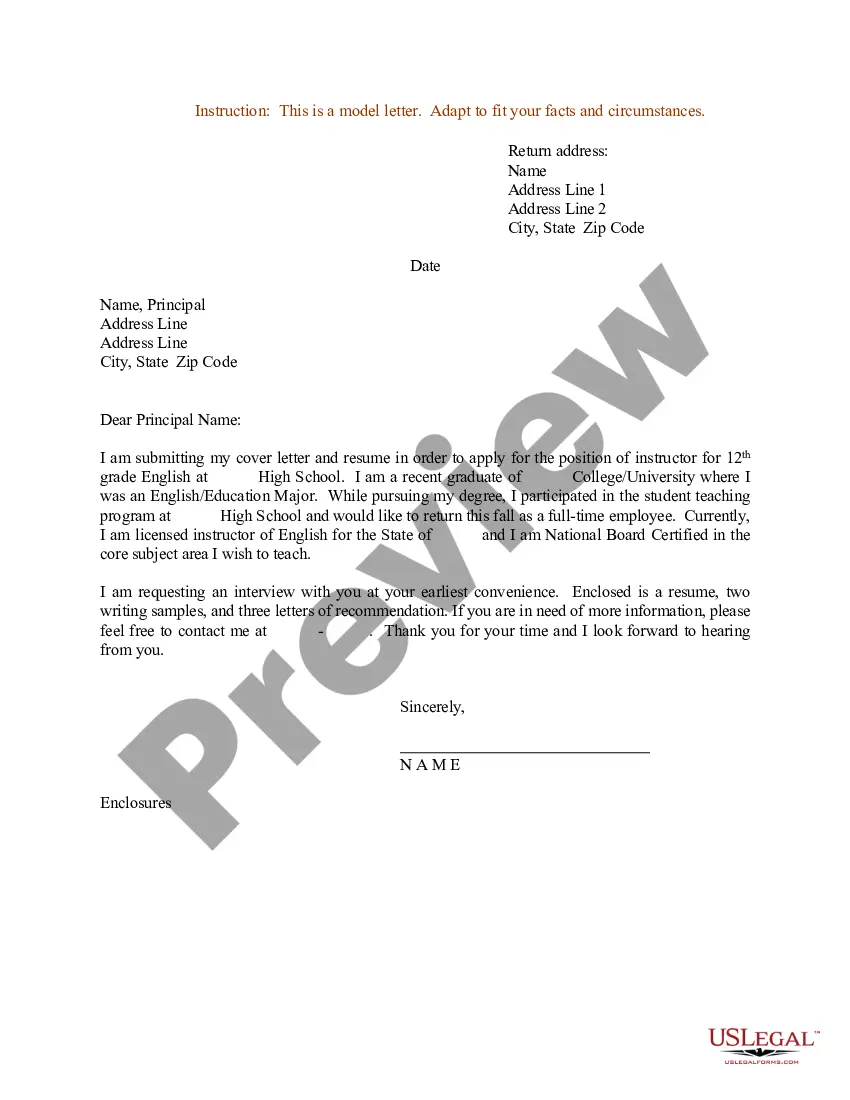
Get your form ready online
Our built-in tools help you complete, sign, share, and store your documents in one place.
Make edits, fill in missing information, and update formatting in US Legal Forms—just like you would in MS Word.
Download a copy, print it, send it by email, or mail it via USPS—whatever works best for your next step.
Sign and collect signatures with our SignNow integration. Send to multiple recipients, set reminders, and more. Go Premium to unlock E-Sign.
If this form requires notarization, complete it online through a secure video call—no need to meet a notary in person or wait for an appointment.
We protect your documents and personal data by following strict security and privacy standards.

Make edits, fill in missing information, and update formatting in US Legal Forms—just like you would in MS Word.

Download a copy, print it, send it by email, or mail it via USPS—whatever works best for your next step.

Sign and collect signatures with our SignNow integration. Send to multiple recipients, set reminders, and more. Go Premium to unlock E-Sign.

If this form requires notarization, complete it online through a secure video call—no need to meet a notary in person or wait for an appointment.

We protect your documents and personal data by following strict security and privacy standards.
Looking for another form?







Form popularity
FAQ
For the court to approve the informal probate process, the will must, among other things, be valid, as determined by the court (Title 14-3303), and uncontested. Formal probate generally occurs if there is no will for an estate or when someone contests the will. The absence of a will makes the estate “intestate.”
Informal probate is a streamlined version of the probate process that involves less court supervision and simpler administrative procedures. It is designed for straightforward estates where there are no disputes among heirs or creditors and where the validity of the will is not in question.
Informal probate is the process of submitting the paperwork to the probate court registrar who may appoint the personal representative and admit a will to probate or that the person died intestate (without a will). All without a court hearing before a judge. But informal probate is not available in all cases.
On average, probate in Arizona takes between six months to a year for an uncontested estate. If complications arise, such as disputes over the will or difficulty locating beneficiaries, the process can extend beyond 12 months. The executor files a petition to open probate with the Arizona probate court.
What if the Other Parent Doesn't Obey a Court Order? How to file a Motion for Contempt What if the other parent doesn't obey a court order? ... Step 1: Fill out the court forms. Step 2: File the court forms with the clerk. Step 3: Tell the other party about the court case. Step 4: Return the original papers to the clerk.
Before an Arbitrator is Appointed When filing a complaint, the plaintiff also must file a Certificate of Compulsory Arbitration which states the monetary amount of the controversy. If the case is designated an arbitration case, an arbitrator is appointed once an answer to the complaint is filed.
If you're doing it on your own, however, you may contact your court clerk for information on how to do this. The motion has to state what your ex-spouse isn't doing, what areas he or she is in violation of. It must clarify why he or she ought to be held in contempt of the divorce decree. You must prove your case.
If you're doing it on your own, however, you may contact your court clerk for information on how to do this. The motion has to state what your ex-spouse isn't doing, what areas he or she is in violation of. It must clarify why he or she ought to be held in contempt of the divorce decree. You must prove your case.
A document that starts a case where the person filing is asking the court to make additional orders to force compliance with an already existing order.

