Letter With Cash In Florida
Description
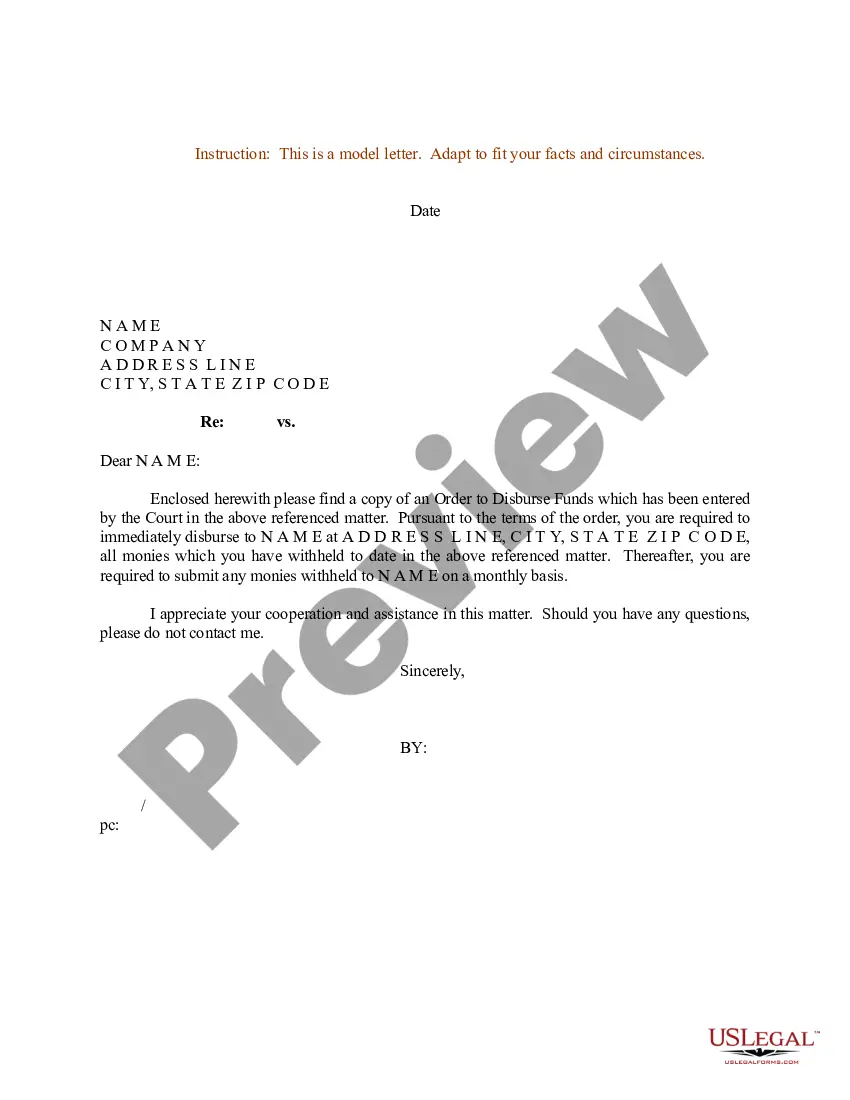
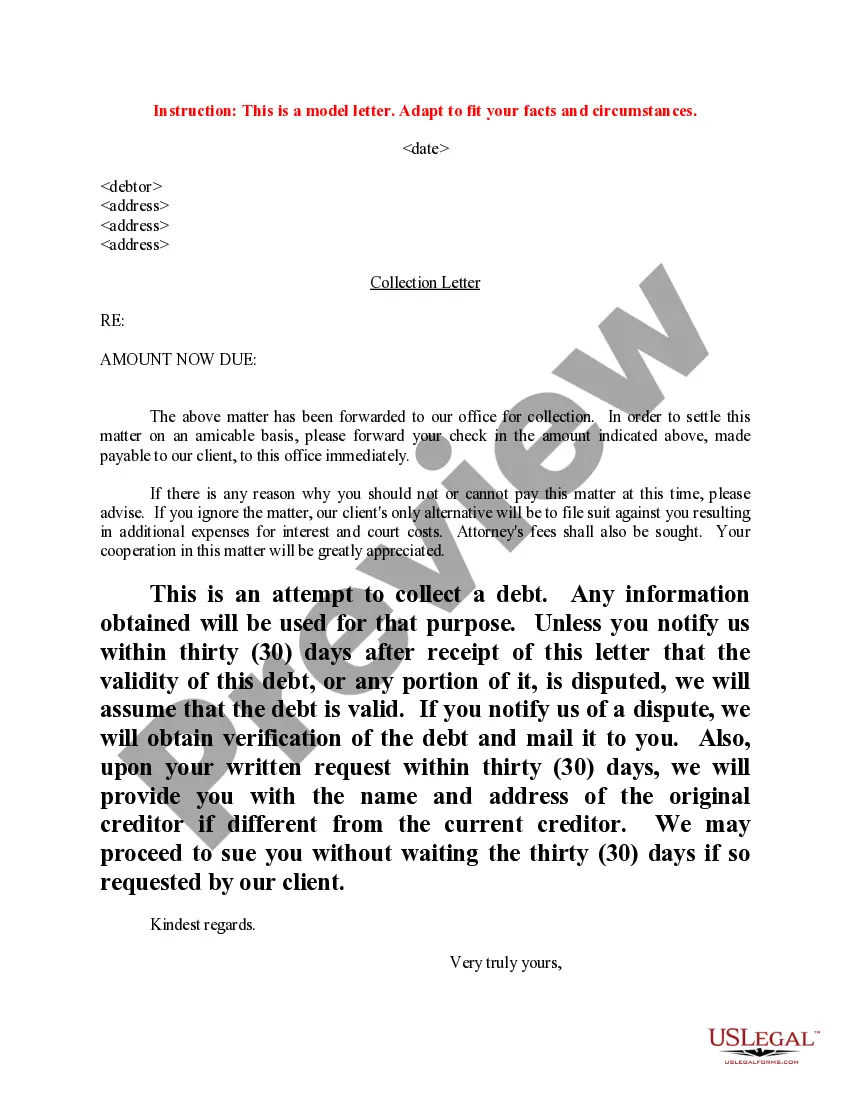
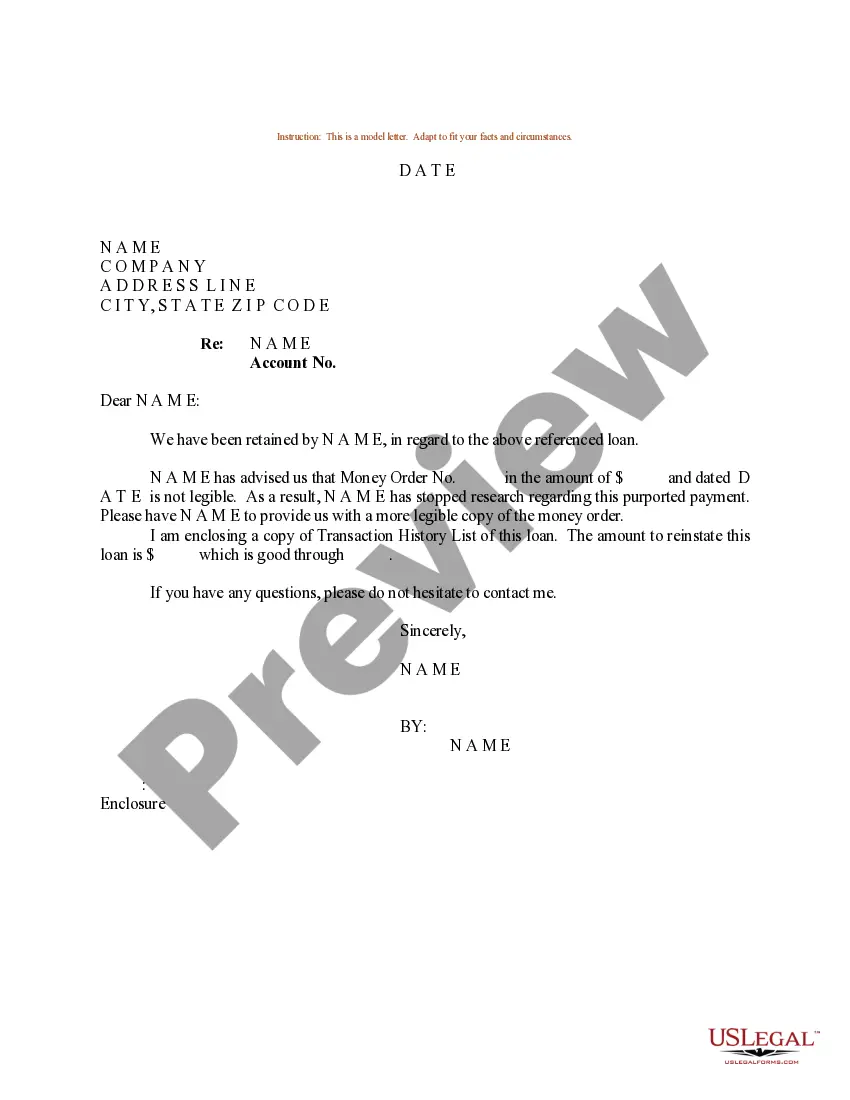
Get your form ready online
Our built-in tools help you complete, sign, share, and store your documents in one place.
Make edits, fill in missing information, and update formatting in US Legal Forms—just like you would in MS Word.
Download a copy, print it, send it by email, or mail it via USPS—whatever works best for your next step.
Sign and collect signatures with our SignNow integration. Send to multiple recipients, set reminders, and more. Go Premium to unlock E-Sign.
If this form requires notarization, complete it online through a secure video call—no need to meet a notary in person or wait for an appointment.
We protect your documents and personal data by following strict security and privacy standards.

Make edits, fill in missing information, and update formatting in US Legal Forms—just like you would in MS Word.

Download a copy, print it, send it by email, or mail it via USPS—whatever works best for your next step.

Sign and collect signatures with our SignNow integration. Send to multiple recipients, set reminders, and more. Go Premium to unlock E-Sign.

If this form requires notarization, complete it online through a secure video call—no need to meet a notary in person or wait for an appointment.

We protect your documents and personal data by following strict security and privacy standards.
Looking for another form?
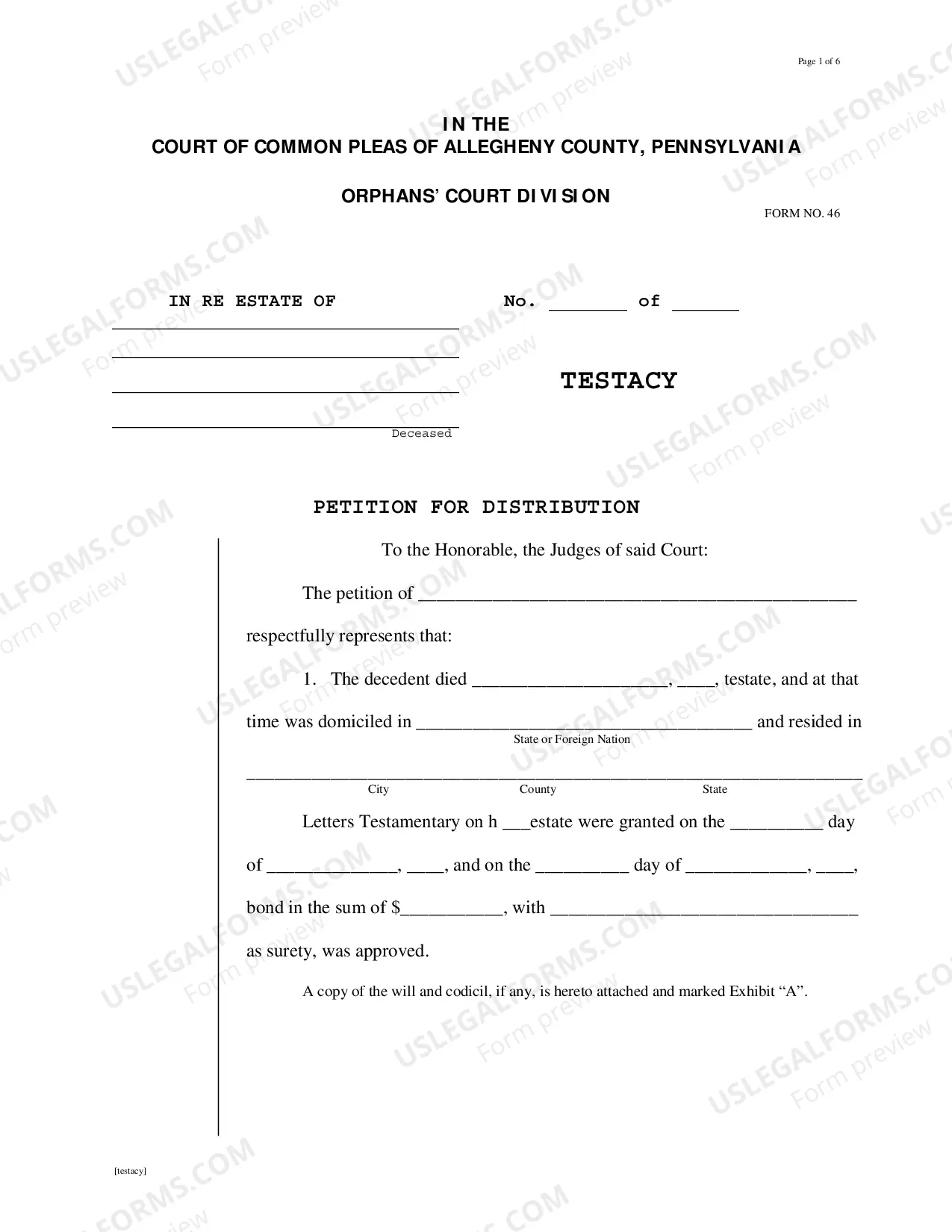

Form popularity
FAQ
Is this safe? Yes, claiming your property through the Department of Financial Services’ Division of Unclaimed Property is safe. As a state agency, the department is the only organization in Florida that can legally collect, store and return unclaimed property.
Claims are processed in the order they are received in our office. It often takes less time, but based on very high volume, please allow up to 90 days - after we receive it, for a claim to be processed. Please click here CHECK CLAIM STATUS to see if your claim was received.
It's legit. Companies are required by law to send these notices of unclaimed property. They're asking to confirm your information so they don't send a check to where you don't live anymore.
When sending an envelope, it's important to include the sender's full name and address, the recipient's full name and address, and any postage. The sender's name and address generally go in the top left corner of the envelope. The recipient's name and address should be in the lower center of the envelope.
Place your letter inside an envelope and seal it. Write the recipient's address on the front of the envelope in the bottom center. Then, add your address in the top left corner. Stick a First Class stamp and any additional postage in the top right corner and drop the letter at the post office or put it in your mailbox.
Always include applicable RM (Room), FL (Floor), STE (Suite), or APT (Apartment) # on same line as (and after) street address (preferred), or on the line above the street address, not below. Use two letter state abbreviations in address block. Use a ZIP+4® ZIP Code™ (if known) on last line following city and state.
U.S. addresses should have the following information: The addressee (first line) Delivery address (second line) City name, state abbreviation, and ZIP Code (third line) Country name (fourth line)
Detailed Format Breakdown Recipient Name. The recipient's full name should be written on the first line. Street Address or PO Box (P.O. Box) Provide the street name and house/building number for residential or business addresses. City and State with ZIP Code. Country Name.
Envelopes: Write your address (the "return" or "sender" address) in the top left corner. Write the delivery address (the "recipient" address) in the bottom center.
Yes, claiming your property through the Department of Financial Services’ Division of Unclaimed Property is safe. As a state agency, the department is the only organization in Florida that can legally collect, store and return unclaimed property.

