Letter For Money In Contra Costa
Description
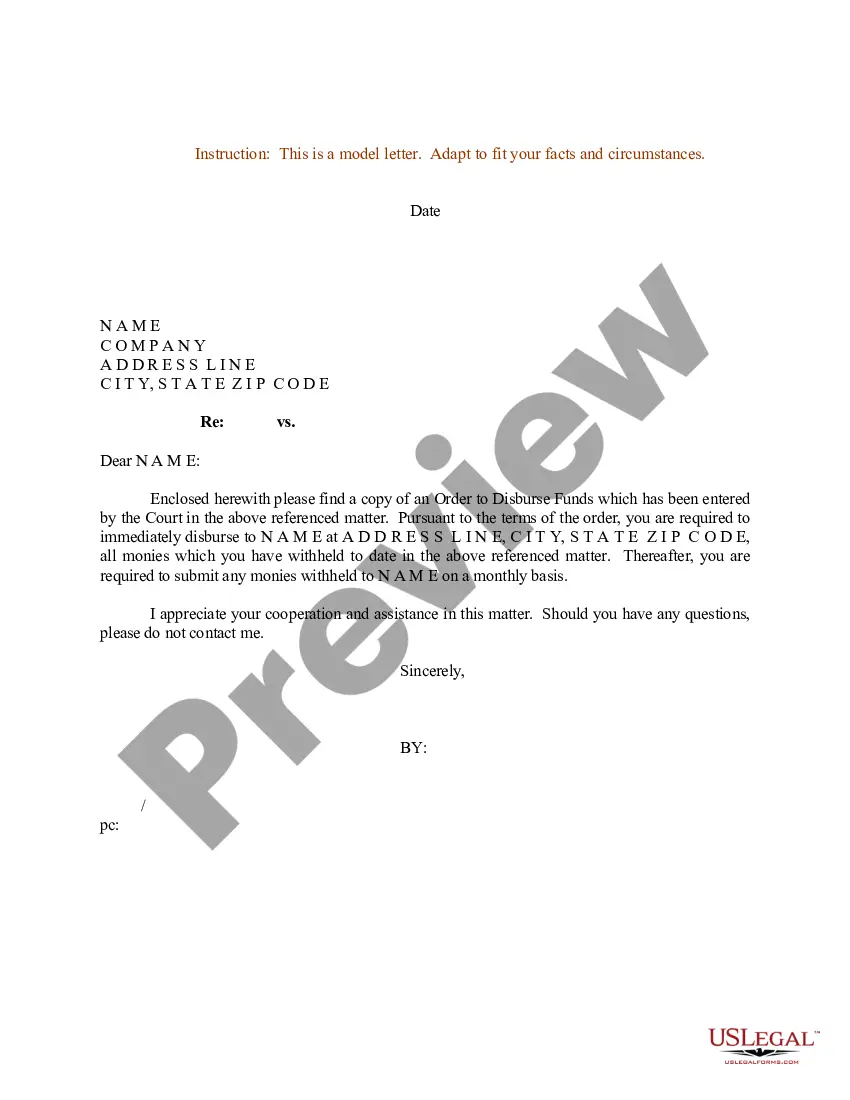
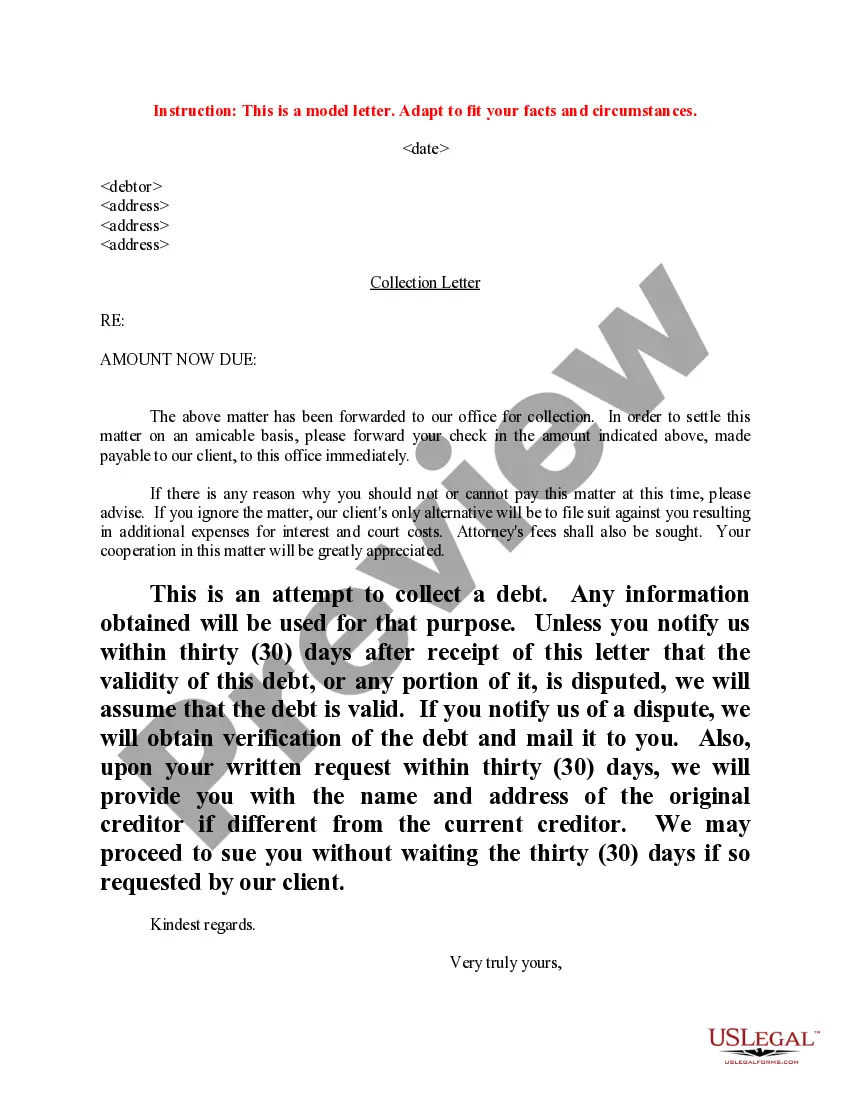
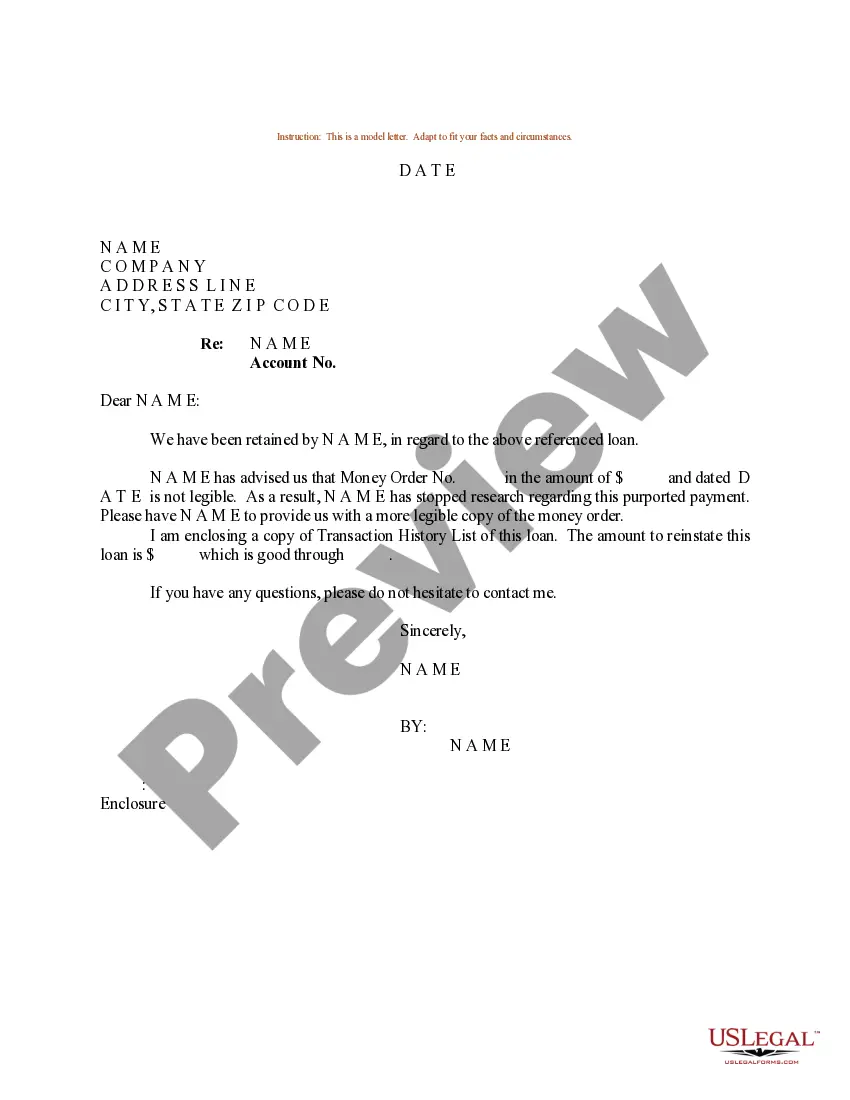
Get your form ready online
Our built-in tools help you complete, sign, share, and store your documents in one place.
Make edits, fill in missing information, and update formatting in US Legal Forms—just like you would in MS Word.
Download a copy, print it, send it by email, or mail it via USPS—whatever works best for your next step.
Sign and collect signatures with our SignNow integration. Send to multiple recipients, set reminders, and more. Go Premium to unlock E-Sign.
If this form requires notarization, complete it online through a secure video call—no need to meet a notary in person or wait for an appointment.
We protect your documents and personal data by following strict security and privacy standards.

Make edits, fill in missing information, and update formatting in US Legal Forms—just like you would in MS Word.

Download a copy, print it, send it by email, or mail it via USPS—whatever works best for your next step.

Sign and collect signatures with our SignNow integration. Send to multiple recipients, set reminders, and more. Go Premium to unlock E-Sign.

If this form requires notarization, complete it online through a secure video call—no need to meet a notary in person or wait for an appointment.

We protect your documents and personal data by following strict security and privacy standards.
Looking for another form?








Form popularity
FAQ
The Nuts and Bolts of a Demand Letter Gather complete information before you start writing. Describe your injuries and medical treatment. List your medical expenses, lost wages, and non-economic damages. Make a settlement demand. Include a deadline for legal action if you want to, but don't bluff.
While it's technically possible to write a demand letter yourself, there are significant advantages to seeking the guidance of a legal professional. Here's why. Professional expertise. An attorney specialized in personal injury law understands the nuances of relevant statutes, case law, and procedural requirements.
Demand letters are valuable tools for creating records, dispute resolution, and much more. But, they can backfire and lead to liability for the sender and even its attorney for threats or demands that are legally improper.
Even an attorney can make a mis-step where his or her demand letter amounts to extortion, but a non-lawyer is more likely to make such a mis-step, and is why you should never write a Demand Letter but, instead, have an attorney do it for you.
Demand Letter Components Facts of the case. An outline of what happened. Statement of the issue. A brief description of the problem. Demand. The dollar amount or action necessary to resolve the case. Response deadline. The date by which the recipient must respond. Noncompliance consequences.
If you are trying to resolve a dispute, you may want to send a demand letter. You can write one yourself, but hiring an attorney will help you navigate legalities and show the recipient the seriousness of the matter.
The Superior Court of Contra Costa implemented its E-filing system in 2022. They selected Odyssey Case Manager from Tyler Technologies, a software solution in use by 29 of the 58 courts in the state.
Every case-initiating document filed in the Central District must be filed electronically, except: (a) in criminal cases; (b) in sealed cases, or where leave to file the case under seal is sought; or (c) where the filer is exempt from e-filing pursuant to Local Rule 5-4.2(a), such as parties who are not represented by ...
Please tell us as much as you can about what you are looking for, and tell us how we can reach you, including by email. Fill out and send a Request for Judicial Administrative Records form to the Public Information Officer by fax at (925) 608-2658 or by email at: mediainfo@contracostaurts.ca.
Although a demand letter is not a required prerequisite to a lawsuit under California law, courts tend to have a more favorable view of parties that make good faith efforts to resolve disputes prior to formal legal action in court.

