Sample Membership Letters With Reference In North Carolina
Description

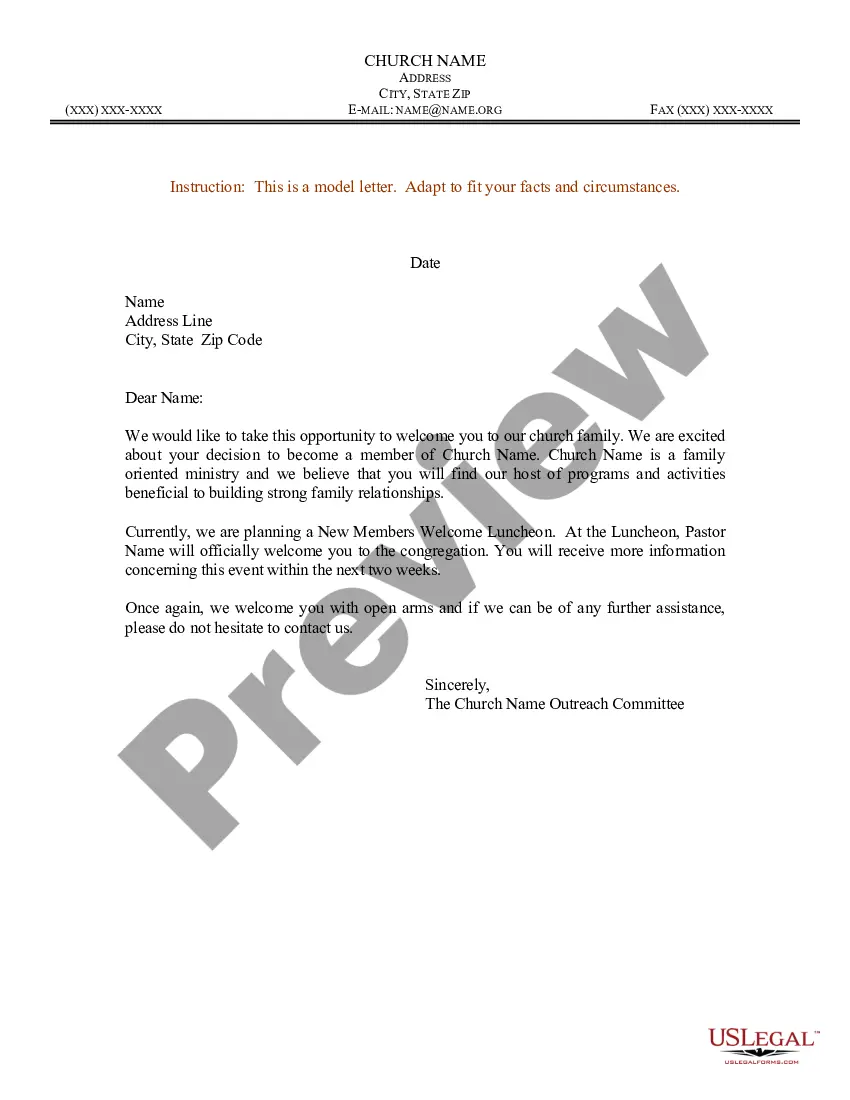
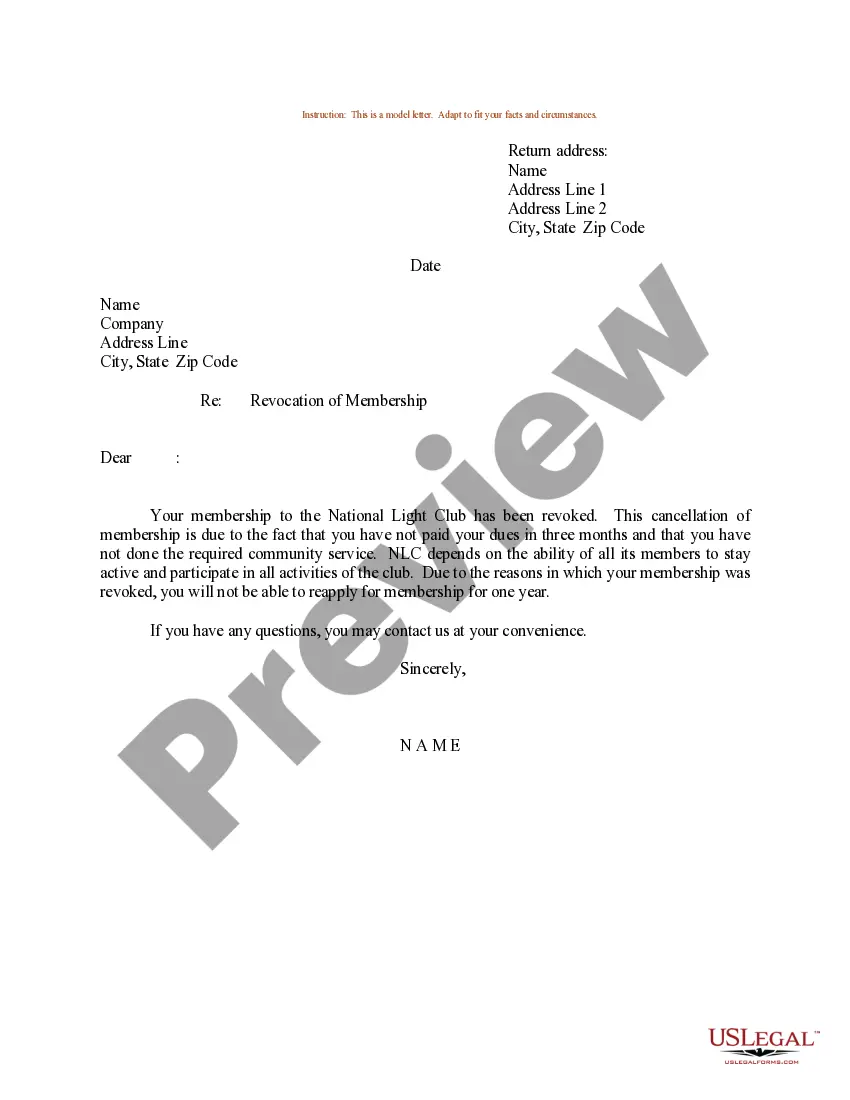
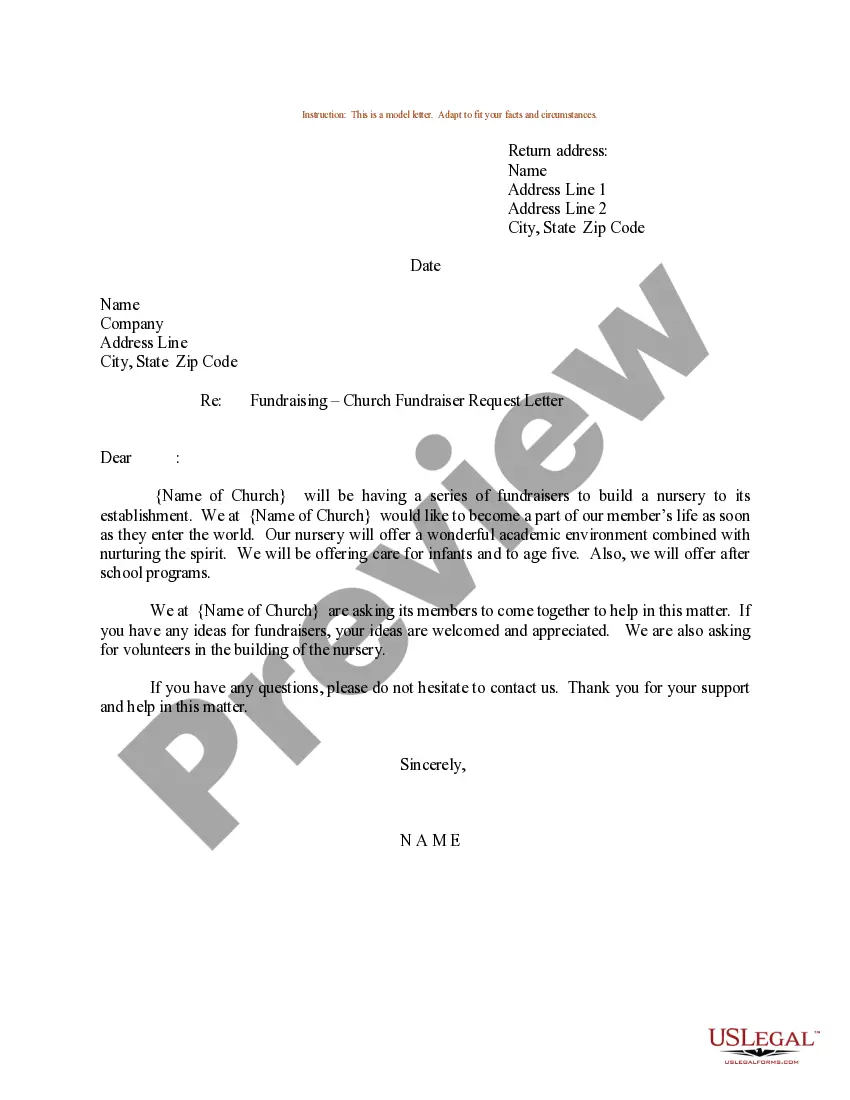
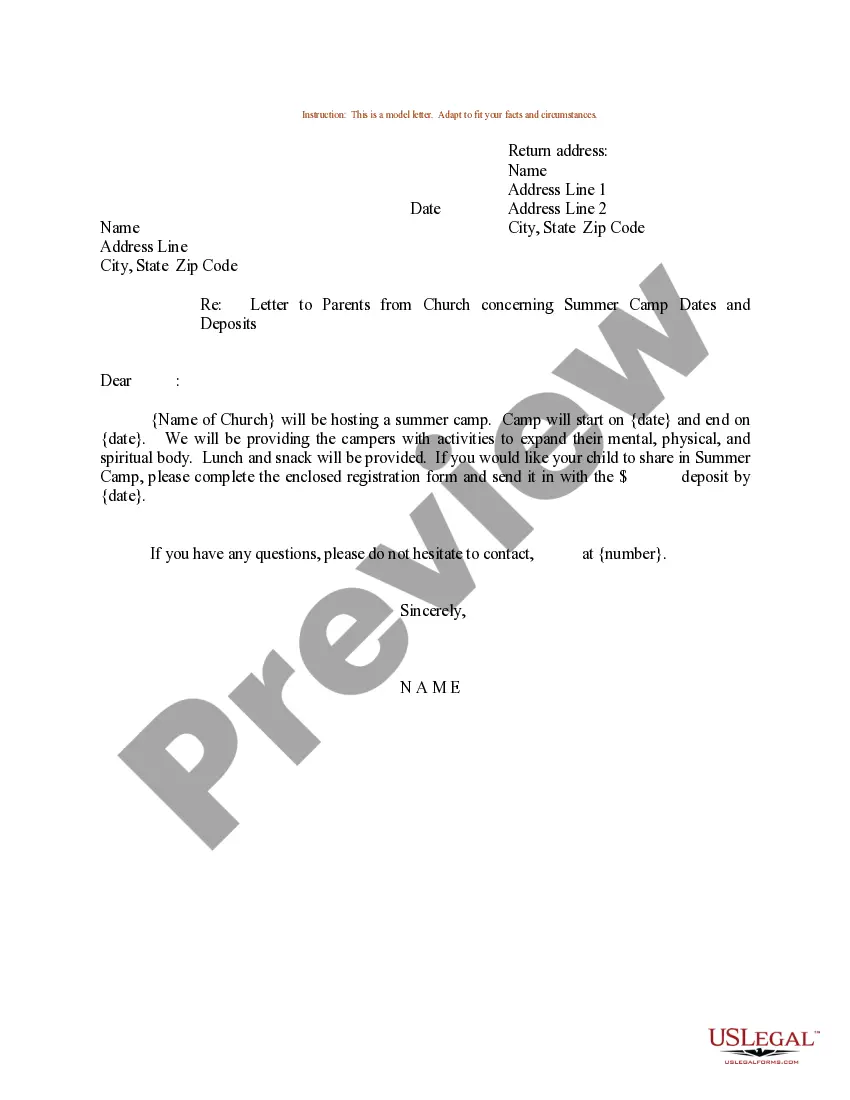
Get your form ready online
Our built-in tools help you complete, sign, share, and store your documents in one place.
Make edits, fill in missing information, and update formatting in US Legal Forms—just like you would in MS Word.
Download a copy, print it, send it by email, or mail it via USPS—whatever works best for your next step.
Sign and collect signatures with our SignNow integration. Send to multiple recipients, set reminders, and more. Go Premium to unlock E-Sign.
If this form requires notarization, complete it online through a secure video call—no need to meet a notary in person or wait for an appointment.
We protect your documents and personal data by following strict security and privacy standards.

Make edits, fill in missing information, and update formatting in US Legal Forms—just like you would in MS Word.

Download a copy, print it, send it by email, or mail it via USPS—whatever works best for your next step.

Sign and collect signatures with our SignNow integration. Send to multiple recipients, set reminders, and more. Go Premium to unlock E-Sign.

If this form requires notarization, complete it online through a secure video call—no need to meet a notary in person or wait for an appointment.

We protect your documents and personal data by following strict security and privacy standards.
Looking for another form?









Form popularity
FAQ
The term reference usually applies to a job search while letters of recommendations are formal letters (either hard or soft copy) written to support a candidate for graduate school or a research/teaching position.
A recommendation letter cannot replace a reference letter and vice versa. But regardless of the endorsement letter you choose, it should align with the other materials in your application, such as your resume and cover letter, to present a cohesive narrative.
References typically offer their testimony reactively rather than proactively as a result of a hiring manager's solicitation. This means that references don't typically provide their perspective unless a hiring manager asks for it. Comparatively, those who make referrals often do so proactively.
Letters of recommendation are very specific, are normally requested or required, and they are always specifically addressed to an individual; whereas letters of reference are more general in nature and usually addressed to "Whom It May Concern.”. 'Reference' letter is often the term used for employment purposes.
The general structure for a reference letter is as follows: Addressee name and address (if known) Date. Salutation ('To whom it may concern', or 'Dear Sir or Madam', or 'Dear <title> <surname>') Confirm dates, job title(s) capacity, and salary and benefits details if required/appropriate.
Ask in person first. Before you send a formal, written request for a letter of recommendation, speak with each individual in person. Send a formal letter of recommendation request. Follow up before the due date. Say a final thank you.
Choose to ask for recommendations from people who are familiar with your accomplishments and unique skills. The right references are likely to write you a letter of recommendation that conveys their belief in your future potential, which can help set you apart from other candidates.
When and whom to ask for a reference letter A direct supervisor or manager. A team lead or project manager with whom you've collaborated closely. A mentor who has guided you in professional growth.
Consider a teacher who led a club you were in. If requested by the college, you can also think about other adults who know you well. A coach, employer, or club adviser can say a lot about your skills and character. Ask your admissions officer if it okay to submit recommendations beyond what is required by the college.

