Sample Membership Letters With Attention In Nassau
Description

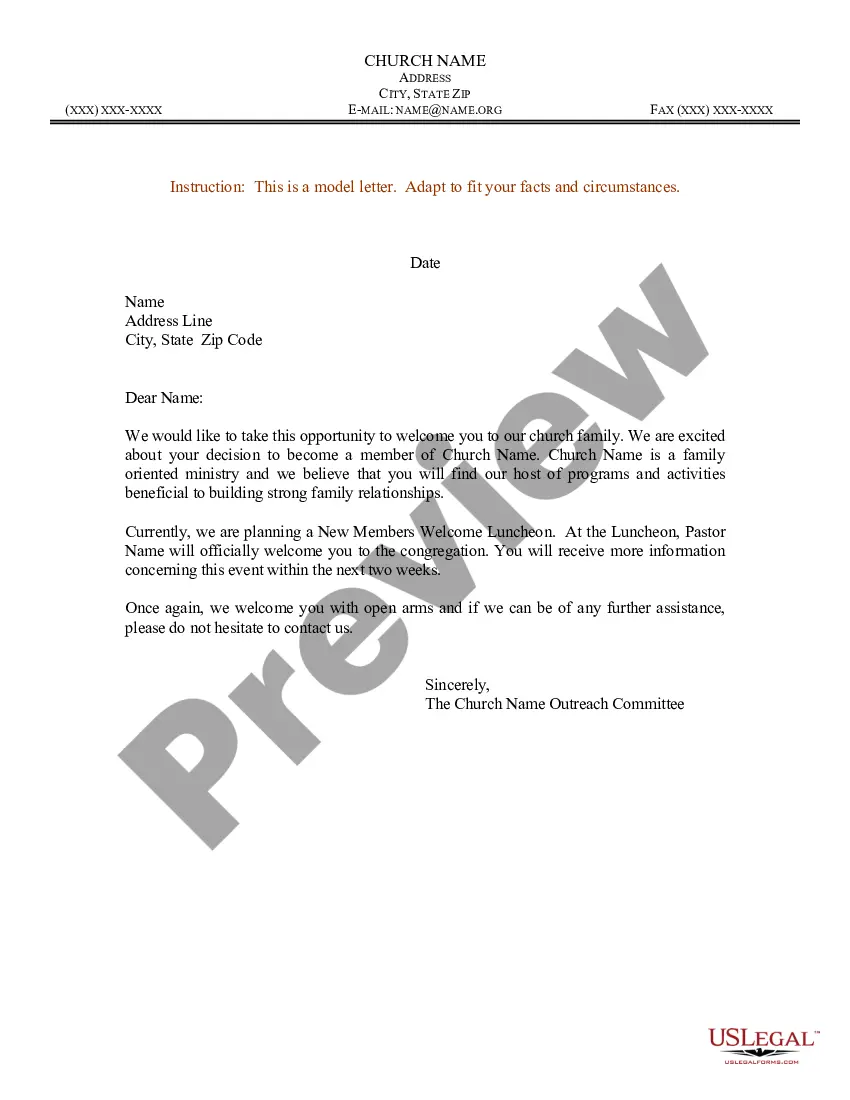
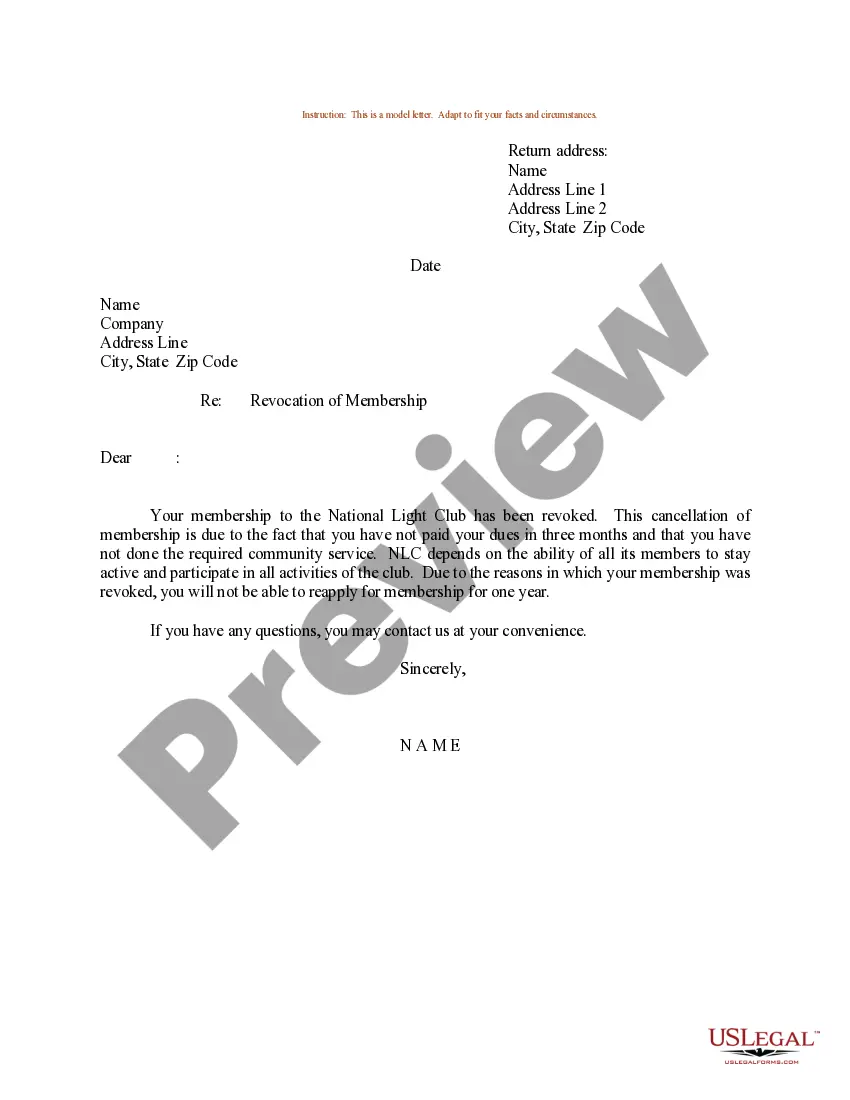
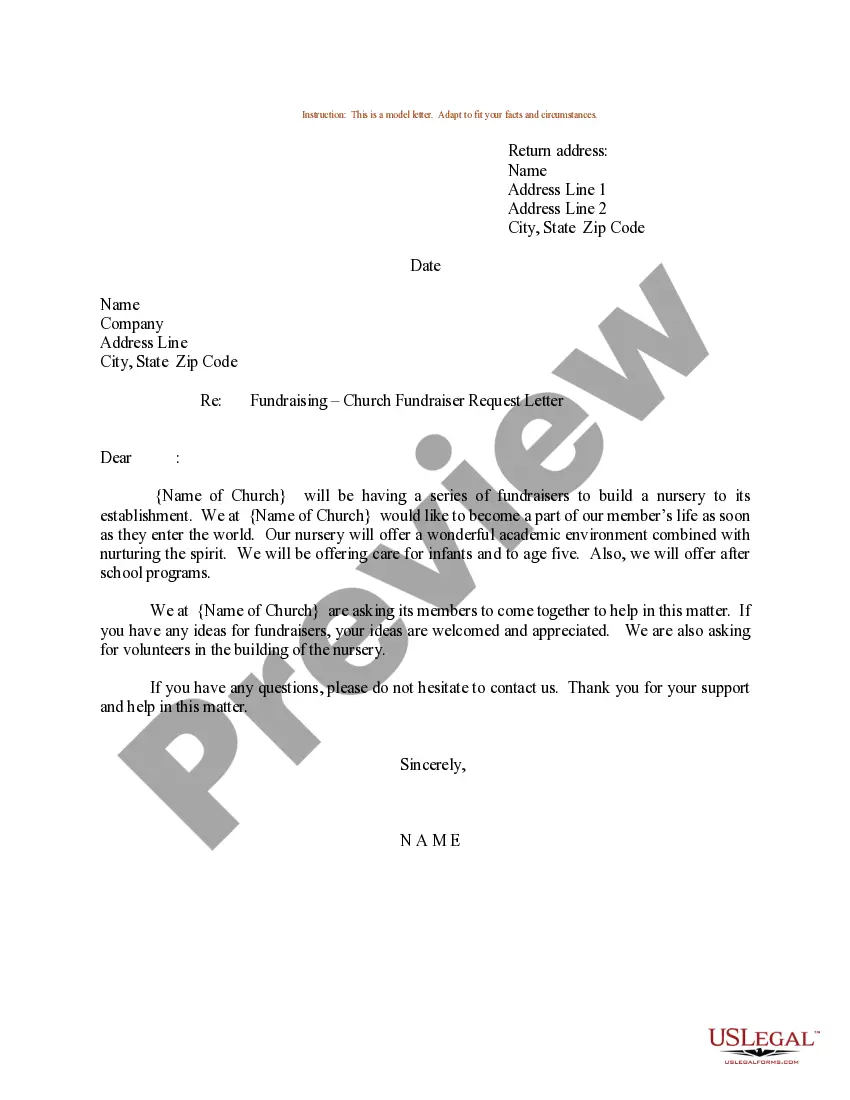
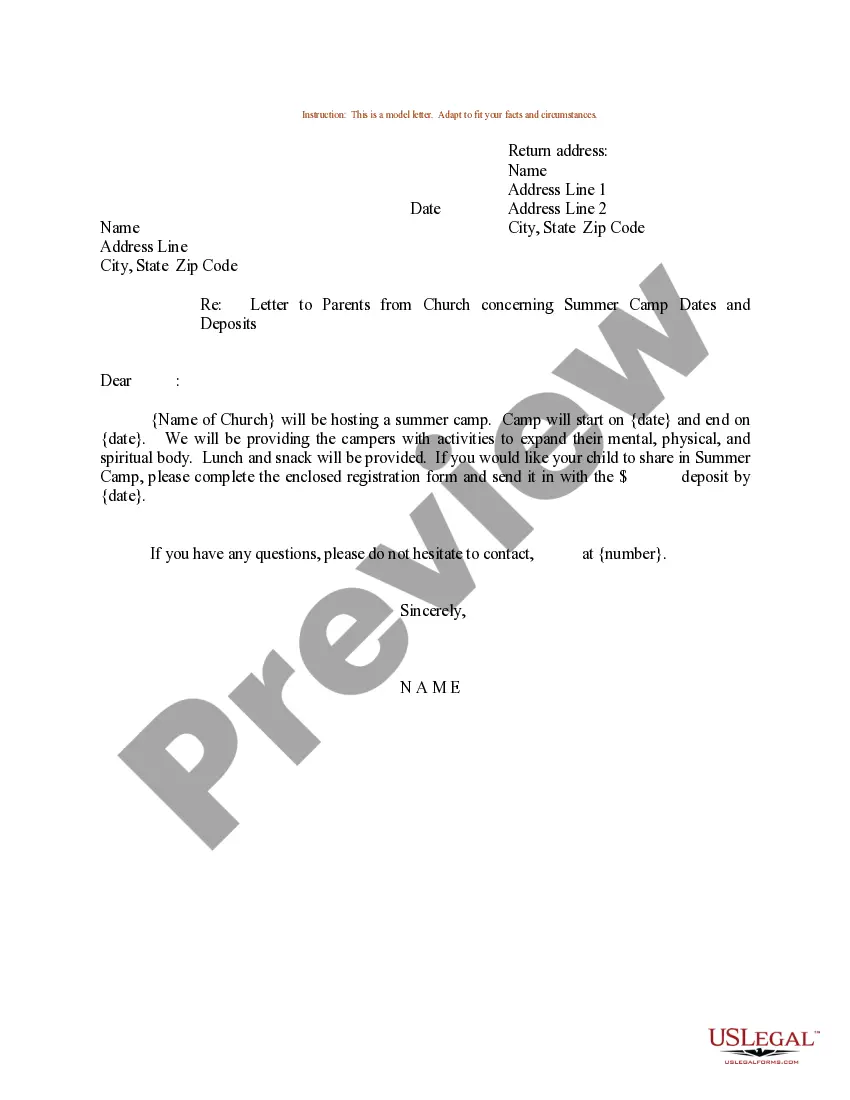
Get your form ready online
Our built-in tools help you complete, sign, share, and store your documents in one place.
Make edits, fill in missing information, and update formatting in US Legal Forms—just like you would in MS Word.
Download a copy, print it, send it by email, or mail it via USPS—whatever works best for your next step.
Sign and collect signatures with our SignNow integration. Send to multiple recipients, set reminders, and more. Go Premium to unlock E-Sign.
If this form requires notarization, complete it online through a secure video call—no need to meet a notary in person or wait for an appointment.
We protect your documents and personal data by following strict security and privacy standards.

Make edits, fill in missing information, and update formatting in US Legal Forms—just like you would in MS Word.

Download a copy, print it, send it by email, or mail it via USPS—whatever works best for your next step.

Sign and collect signatures with our SignNow integration. Send to multiple recipients, set reminders, and more. Go Premium to unlock E-Sign.

If this form requires notarization, complete it online through a secure video call—no need to meet a notary in person or wait for an appointment.

We protect your documents and personal data by following strict security and privacy standards.
Looking for another form?








Form popularity
FAQ
Are you sending a package to someone who doesn't usually live at that address? Address it to the name of the business or a person who lives at the address. On the second line, write C/O (care of) or ATTN (attention) followed by the recipient's name. Then, finish the rest of the address as usual.
When writing to a manager you do not know by name or to a department, use an attention line. (Example: "Attention Claims Manager.") Avoid stuffy "Dear Sir" or "Dear Madam" salutations. I am writing this letter to express my appreciation for the wonderful assistance we received from your staff during the past month.
THRU shall be used for a memorandum to be sent to officials and employees to let them be aware. ATTENTION shall be used to direct the letter to a particular person in an organization.
2. Write the "attention" line: The first line in an attention section is the attention line. Begin this line with either the abbreviation "ATTN," or the full word "Attention." Then, after a colon, write the person's name.
Attention Line: The attention line routes the letter. I. Use the attention line if you are not certain of the name of the person to whom you are writing. (You might write, “Attention: Department of Accounting”.
Write "Attn" followed by the name of the recipient. This line signifies to the mail carrier exactly for whom the letter is intended. For example, write "Attn: John Smith," where "John Smith" is replaced with your recipient's name. As an alternative, you can write out the full word "attention."
The definition of attn is abbreviation for attention. An example of attn is what one may put on an envelope to direct to the letter to a specific person in the company.
Add the attention line On the envelope, place this line above the name of the recipient's organization. Within the letter itself, the attention line goes beneath the organization's name and address. When writing this line, use the following format:Attention: recipient's name or job title.
ATTN. Definition & Meaning | Dictionary.
When writing to a manager you do not know by name or to a department, use an attention line. (Example: "Attention Claims Manager.") Avoid stuffy "Dear Sir" or "Dear Madam" salutations. I am writing this letter to express my appreciation for the wonderful assistance we received from your staff during the past month.

