Sample Membership Letters With Thru In Maricopa
Description

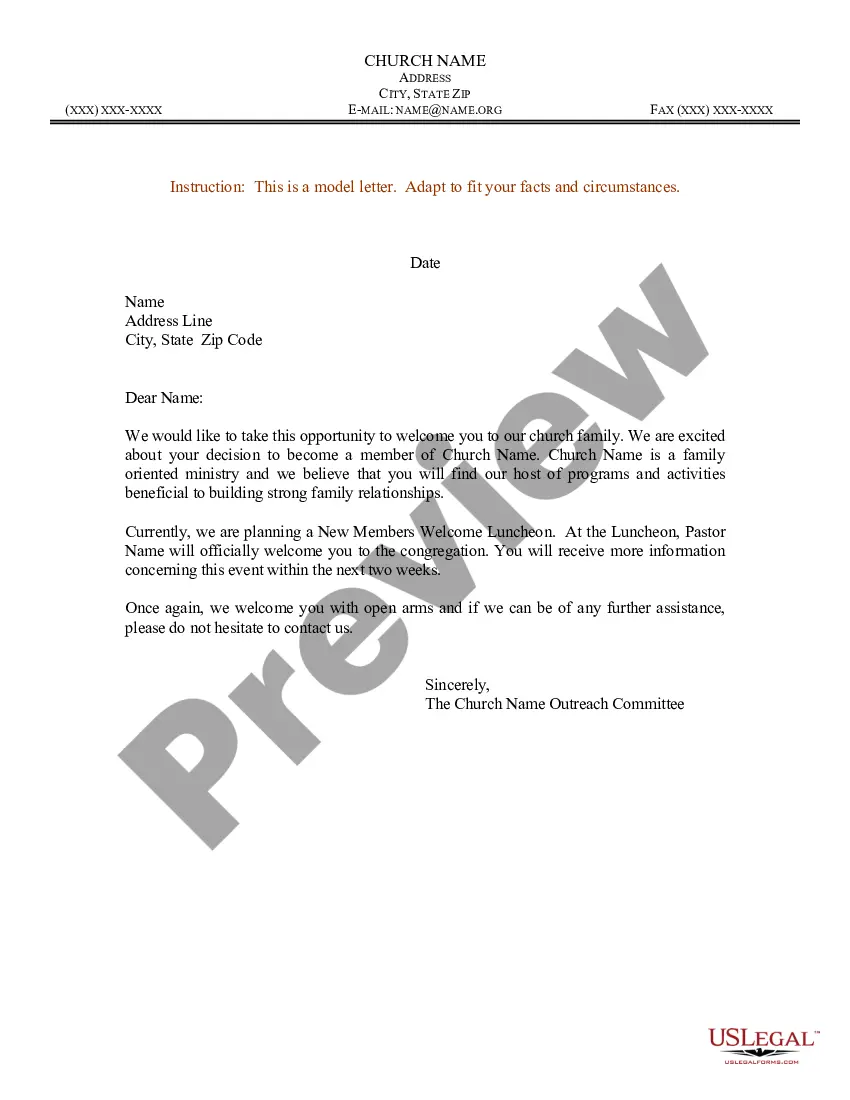
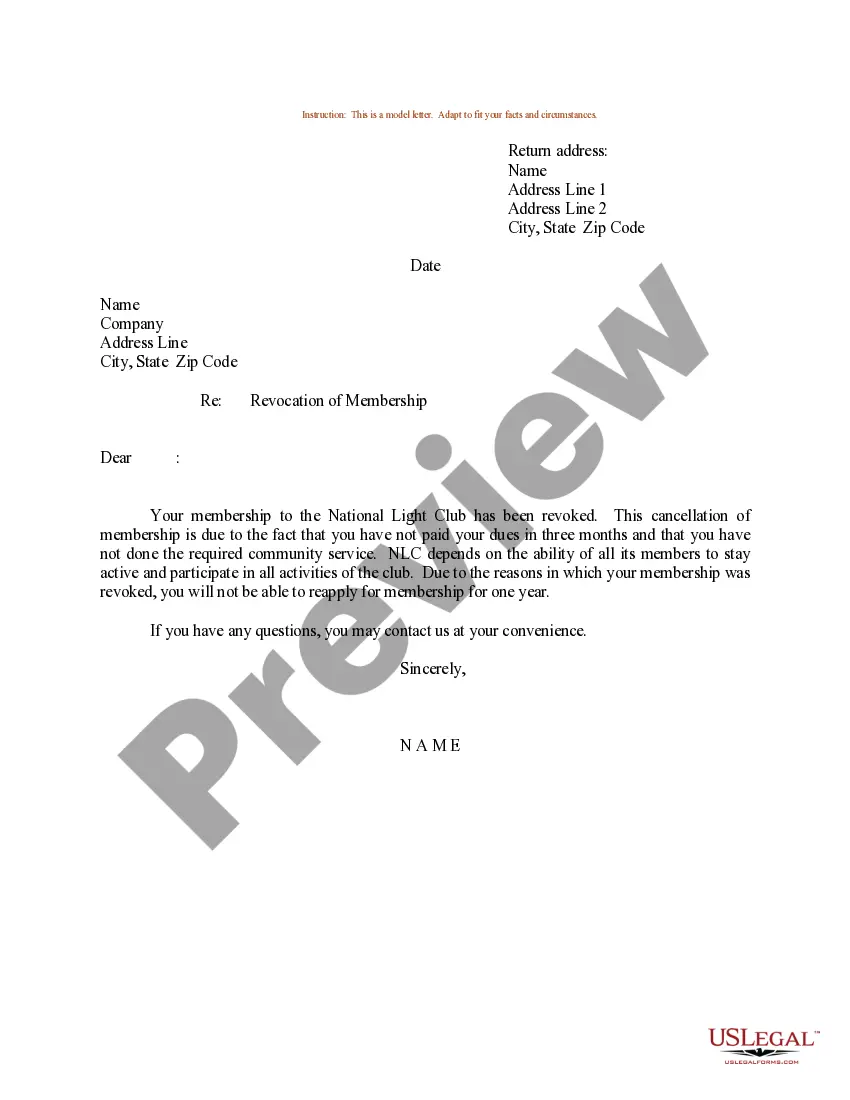
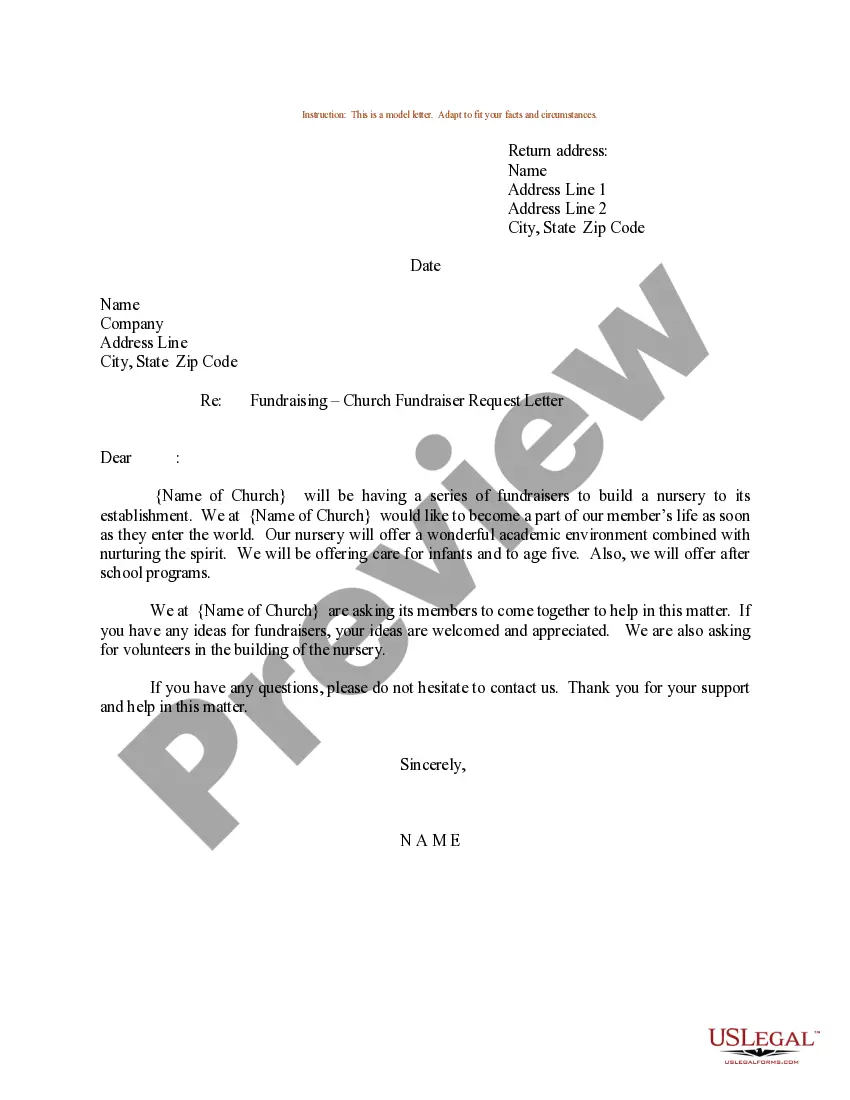
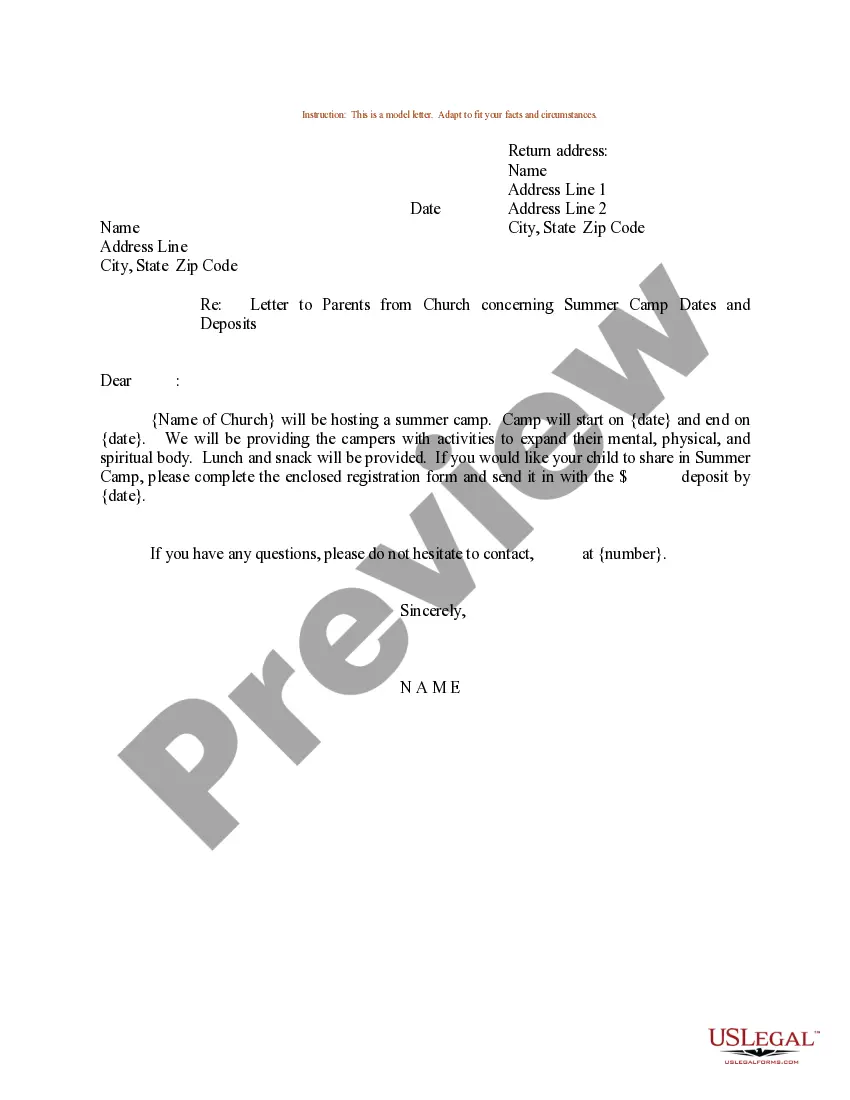
Get your form ready online
Our built-in tools help you complete, sign, share, and store your documents in one place.
Make edits, fill in missing information, and update formatting in US Legal Forms—just like you would in MS Word.
Download a copy, print it, send it by email, or mail it via USPS—whatever works best for your next step.
Sign and collect signatures with our SignNow integration. Send to multiple recipients, set reminders, and more. Go Premium to unlock E-Sign.
If this form requires notarization, complete it online through a secure video call—no need to meet a notary in person or wait for an appointment.
We protect your documents and personal data by following strict security and privacy standards.

Make edits, fill in missing information, and update formatting in US Legal Forms—just like you would in MS Word.

Download a copy, print it, send it by email, or mail it via USPS—whatever works best for your next step.

Sign and collect signatures with our SignNow integration. Send to multiple recipients, set reminders, and more. Go Premium to unlock E-Sign.

If this form requires notarization, complete it online through a secure video call—no need to meet a notary in person or wait for an appointment.

We protect your documents and personal data by following strict security and privacy standards.
Looking for another form?










Form popularity
FAQ
The meaning of “personally served” is set forth in Rule 113(a). The person who completed service must promptly prepare an affidavit as proof that a defendant was served, and the proof of service must be filed with the court.
Unless Rule 4.1(c), (e), (f), or (g) applies, an individual may be served by: (1) delivering a copy of the summons and the pleading being served to that individual personally; (2) leaving a copy of each at that individual's dwelling or usual place of abode with someone of suitable age and discretion who resides there; ...
Tells the court that you had the other party served in person with legal papers. Lists the papers that were served. It also tells when and where the papers were served and who served them.
Rule 4.2(f) allows service by publication when the following circumstances exist: The last known address of the person to be served is outside Arizona, but, (1) despite diligent efforts, the serving party is unable to find the opposing party's current address; or, (2) the opposing party has intentionally avoided ...
Unless Rule 4.1(c), (e), (f), or (g) applies, an individual may be served by: (1) delivering a copy of the summons and the pleading being served to that individual personally; (2) leaving a copy of each at that individual's dwelling or usual place of abode with someone of suitable age and discretion who resides there; ...
Proof of Service in Arizona The proof of service must be filed with the court. Service must be made within 120 days of issuance of the summons. If the summons and complaint have not been served, the court may on its own initiative or upon motion dismiss the case without prejudice.
Once all forms are completed, the following steps need to occur: Send Request to the Newspaper. Wait for the newspaper to publish the advertisement and send you the publication, an Affidavit of Service. Fill Out (Do NOT Sign) the Affidavit Showing Circumstances why Service by Publication was Used and About the Publication.
Gathering Evidence of Improper Service Personal Testimony: Provide a detailed account of your whereabouts and activities you're engaged in at the time of the alleged service. Witnesses: If there are individuals with you at your location during the improper service, their testimonies can serve as evidence.

