Sample Membership Letters With Attachments In Kings
Description


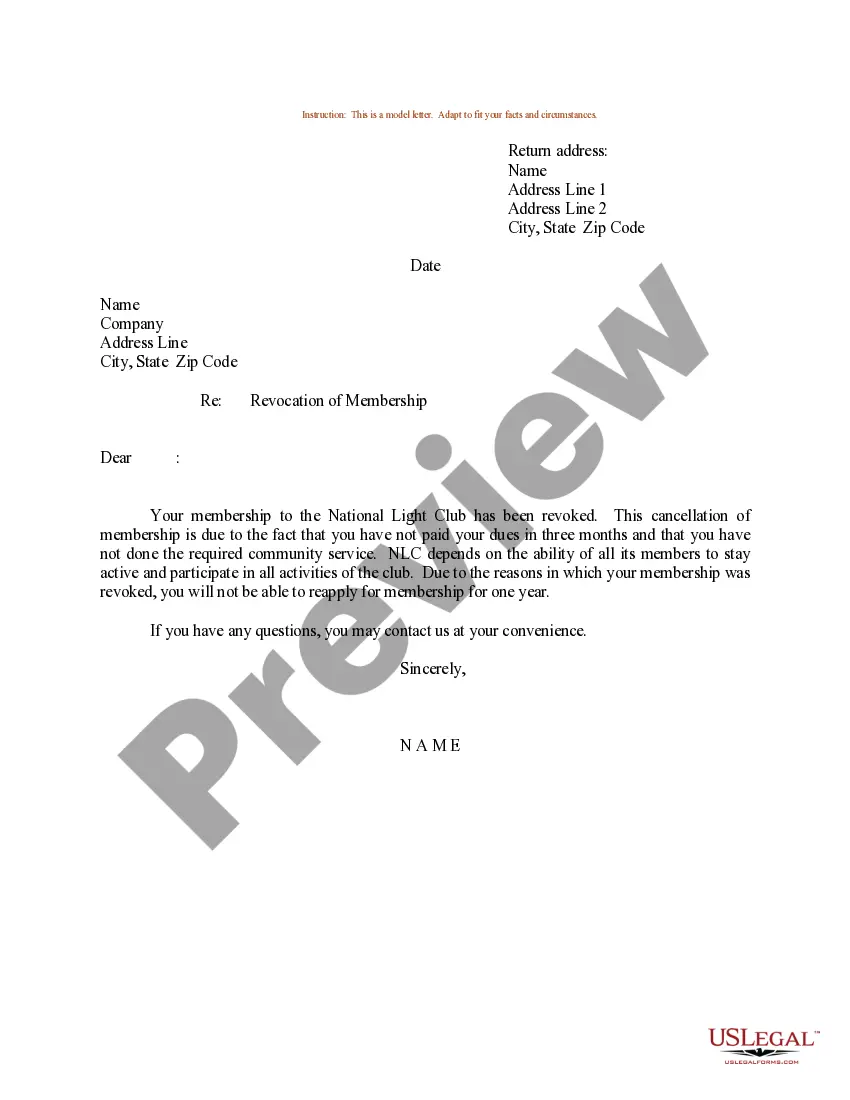
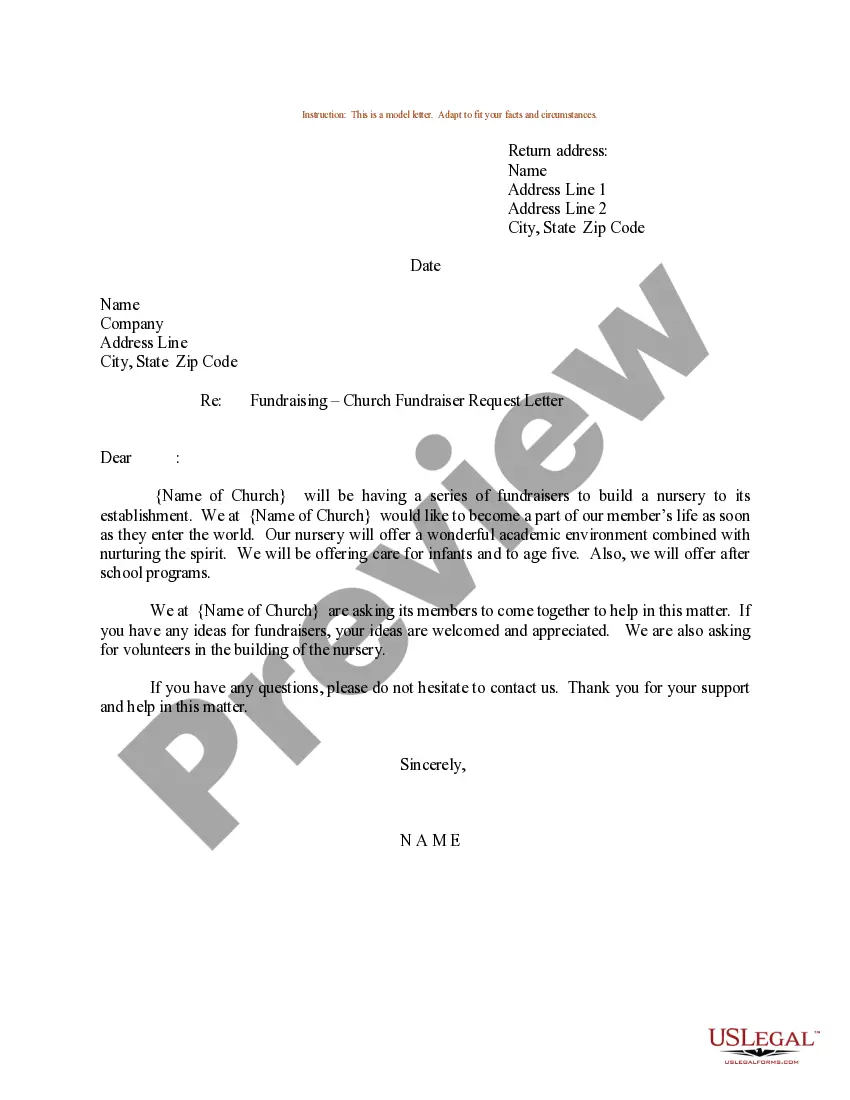
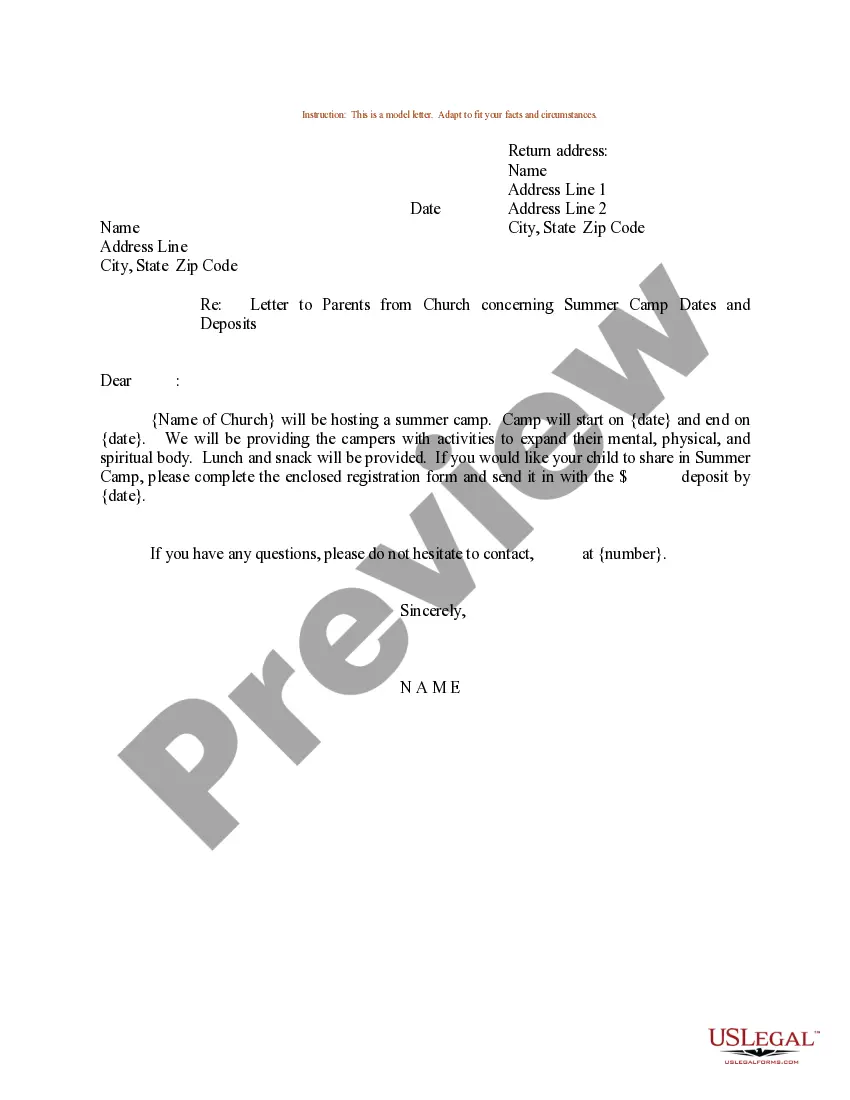
Get your form ready online
Our built-in tools help you complete, sign, share, and store your documents in one place.
Make edits, fill in missing information, and update formatting in US Legal Forms—just like you would in MS Word.
Download a copy, print it, send it by email, or mail it via USPS—whatever works best for your next step.
Sign and collect signatures with our SignNow integration. Send to multiple recipients, set reminders, and more. Go Premium to unlock E-Sign.
If this form requires notarization, complete it online through a secure video call—no need to meet a notary in person or wait for an appointment.
We protect your documents and personal data by following strict security and privacy standards.

Make edits, fill in missing information, and update formatting in US Legal Forms—just like you would in MS Word.

Download a copy, print it, send it by email, or mail it via USPS—whatever works best for your next step.

Sign and collect signatures with our SignNow integration. Send to multiple recipients, set reminders, and more. Go Premium to unlock E-Sign.

If this form requires notarization, complete it online through a secure video call—no need to meet a notary in person or wait for an appointment.

We protect your documents and personal data by following strict security and privacy standards.
Looking for another form?




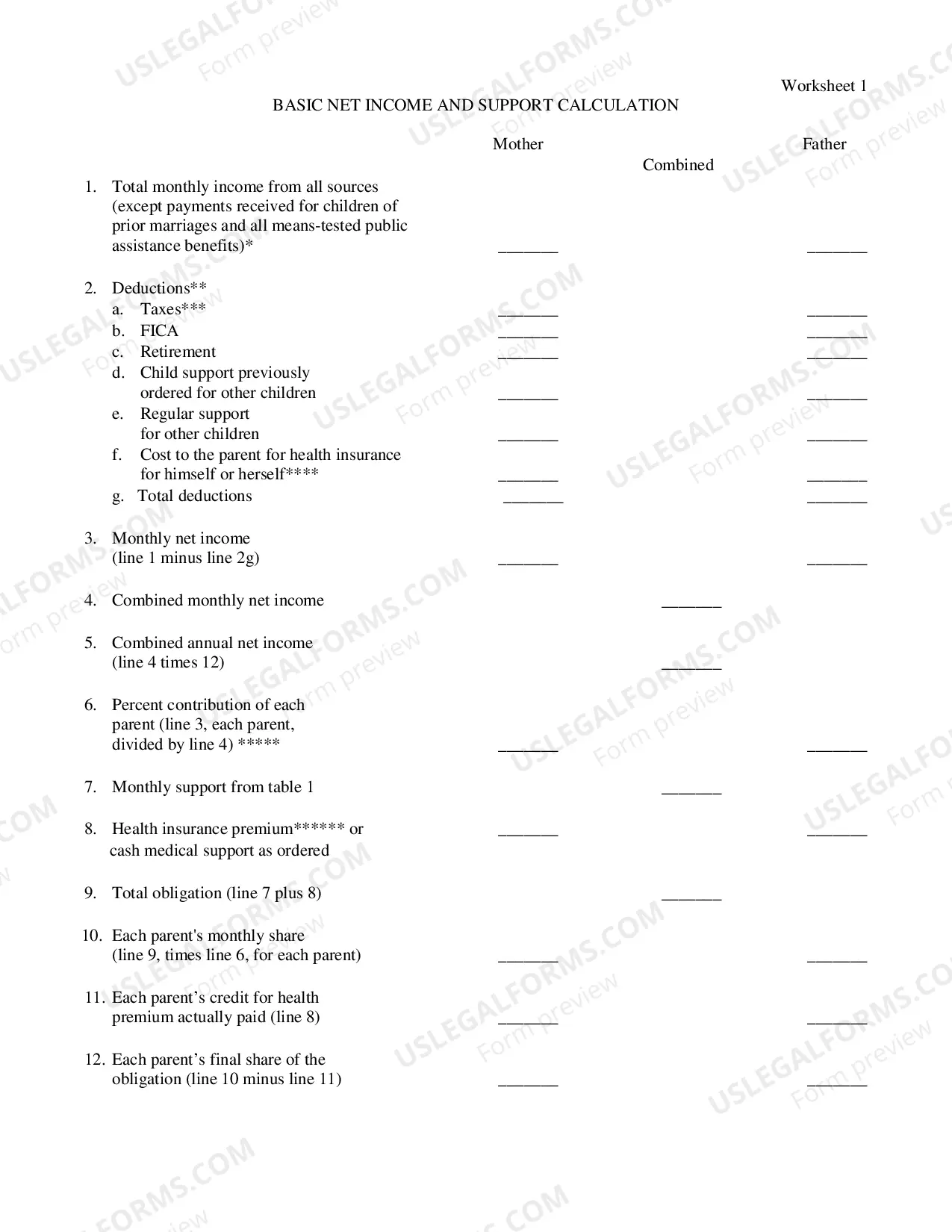


Form popularity
FAQ
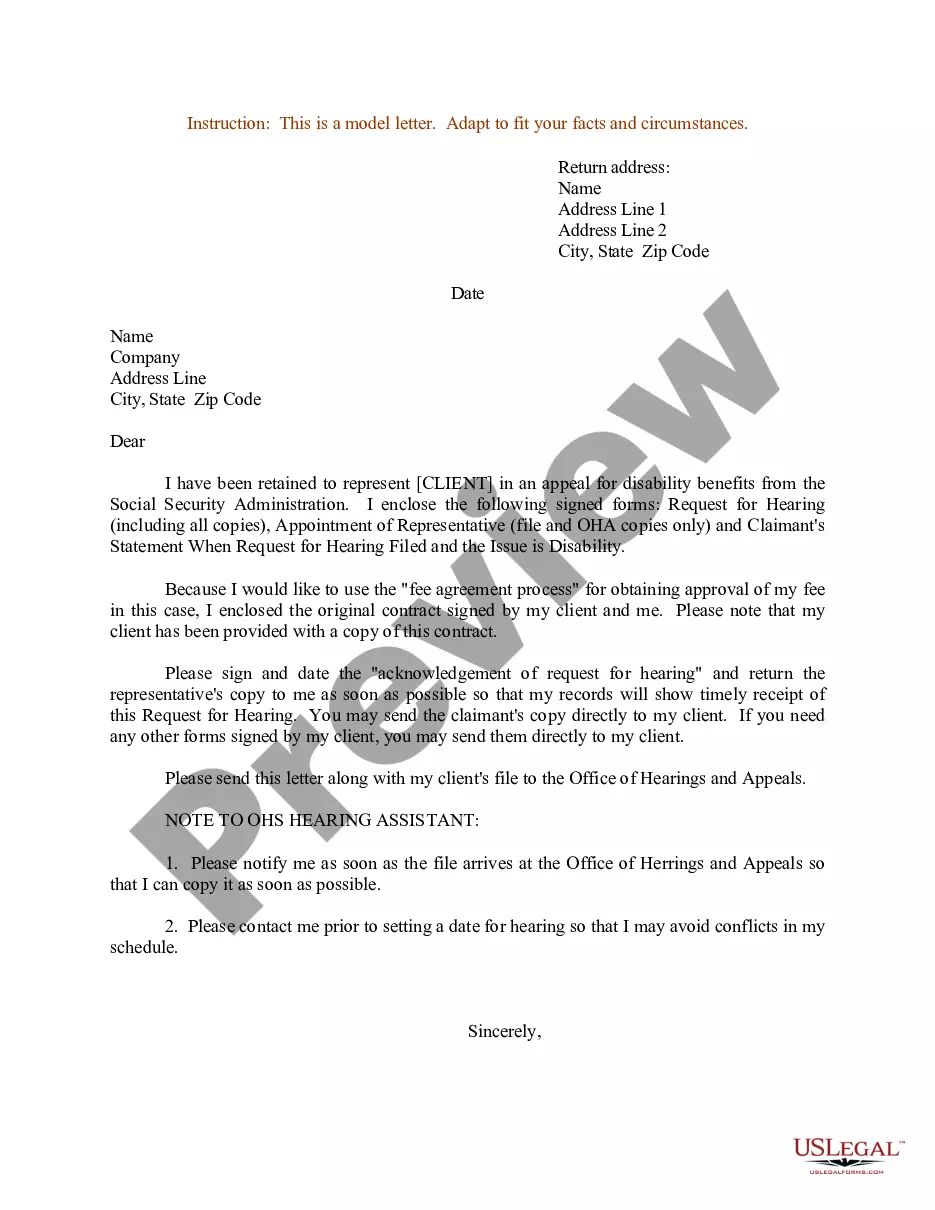
Letterhead. The first thing on a standard letter is letterhead, and identifies the unit that originates correspondence.
The part of a standard letter that provides the title and address of the command or activity is called the letterhead. The letterhead typically includes the name of the organization or individual, their contact information, and sometimes a logo or design element.
Standard Subject Identification Code (SSIC). All correspondence, instructions, and notices are required to include an SSIC (a four- or five-digit number which represents the subject of the document). This will be the first line of text, and will be at the far right of the letter.
After the salutation comes the body, where you talk about the purpose of your letter, why you are writing it, and what you want the recipient to do. The ending of the letter includes the complimentary closing, the writer's signed name, and the writer's typed name along with title.
Left and right margins are always set at 1 inch. Times New Roman 12 pitch font is preferred for Navy correspondence. Single spacing between lines. Double spacing between paragraphs/subparagraphs. Send editable electronic copy to Admin for formatting/editing.
O Letter of Instruction (LOI). A formal method of counseling provided in letter format that identifies a deficiency and directs corrective action. May be referenced in official service documentation, and underlying conduct may be mentioned in appropriate official documentation (EVAL, FITREP, etc.).
In a standard naval letter, the correct format for citing an enclosure in the body of the letter is usually done using the abbreviation "Encl" followed by the number of enclosures.
The subject line is a sentence fragment that tells the reader what the letter is about, usually in 10 words or less.

