Sample Membership Letters For Ielts Writing Task 1 In Fulton
Description

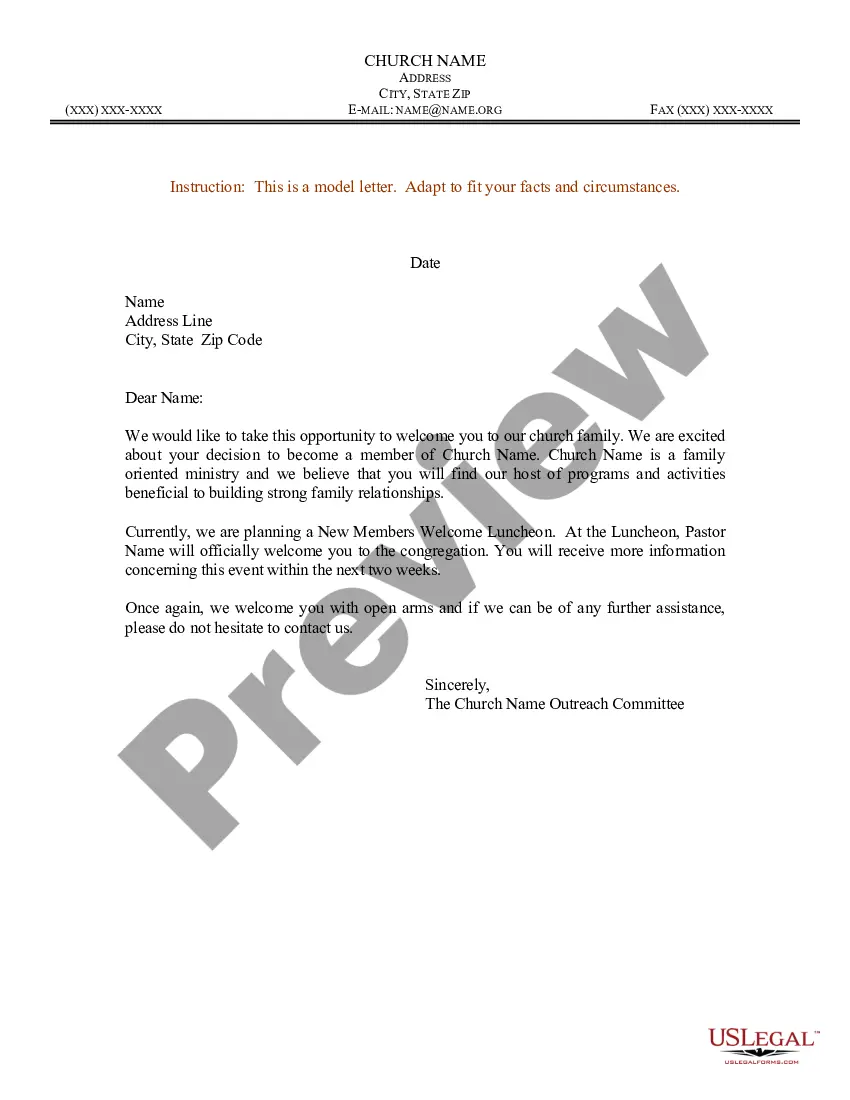
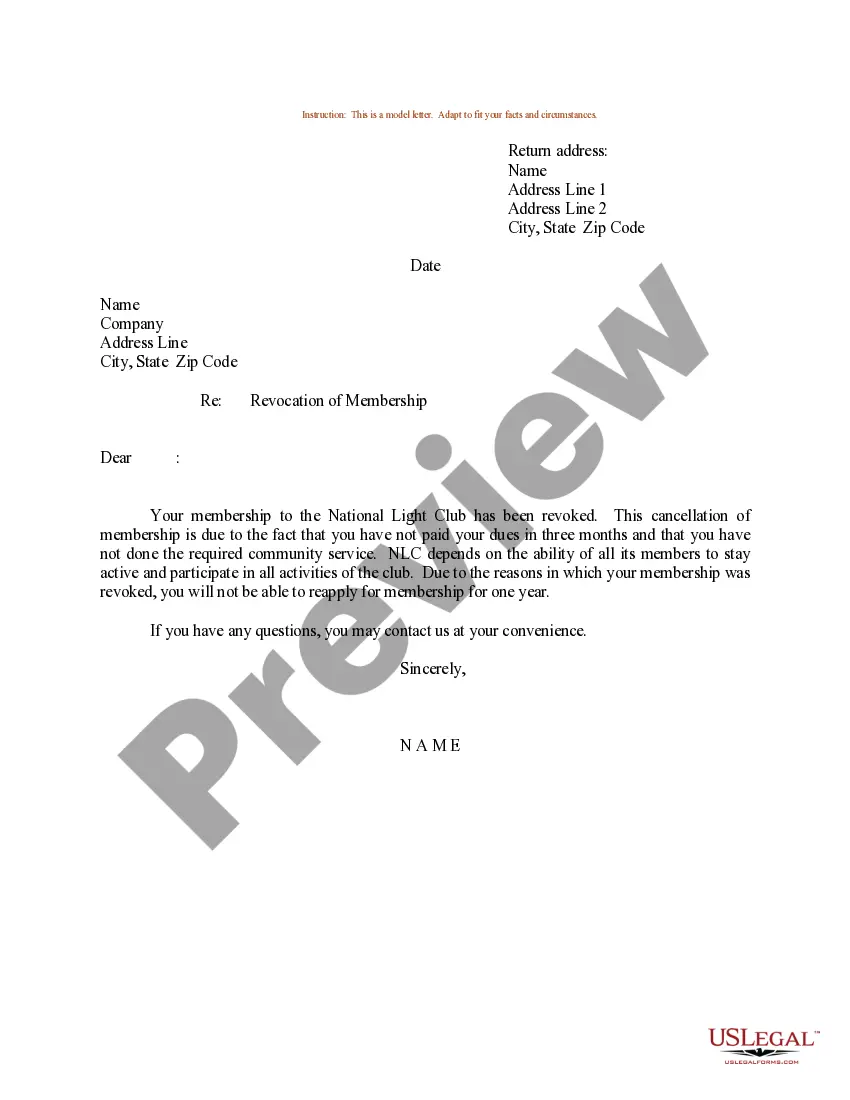
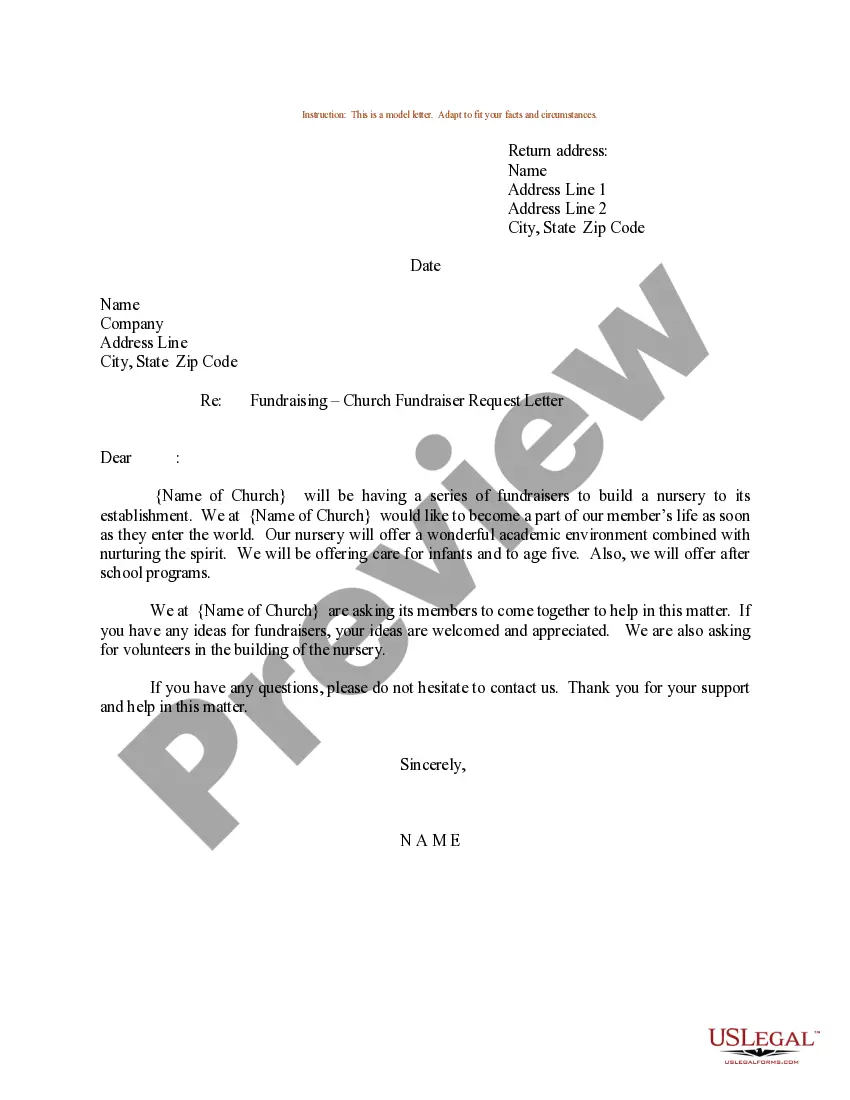
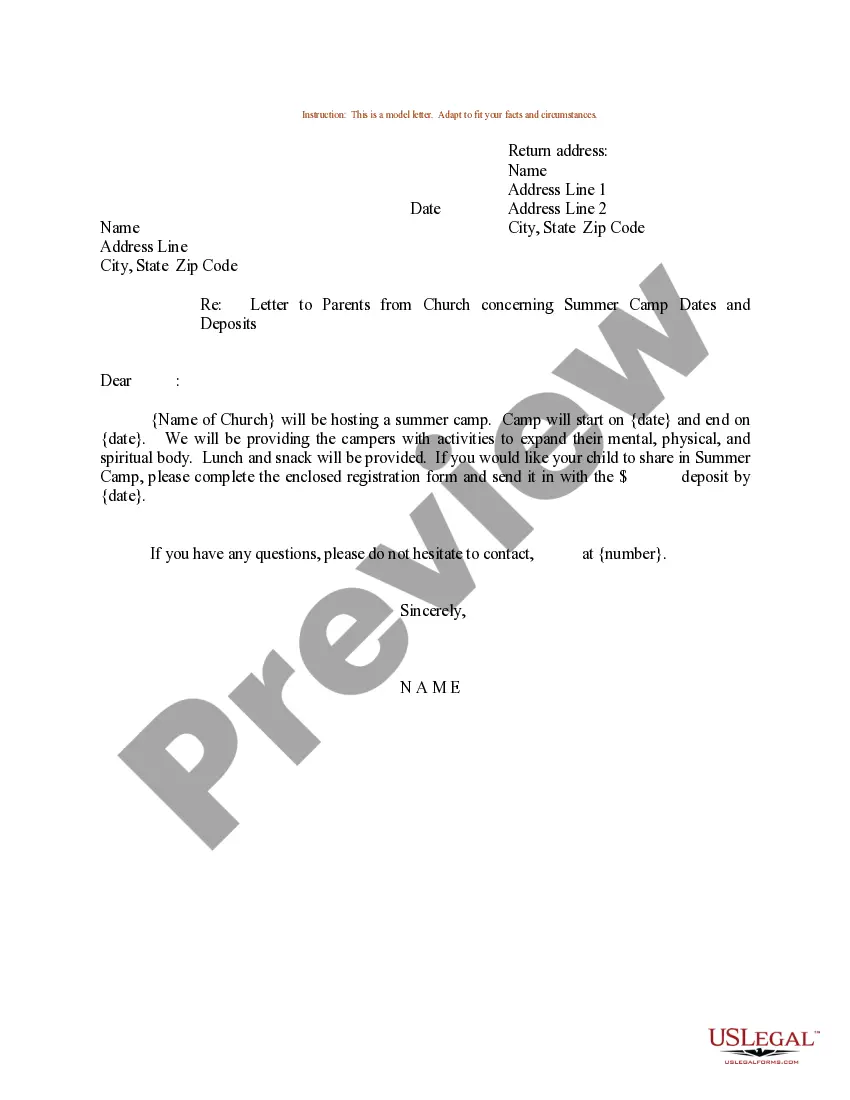
Get your form ready online
Our built-in tools help you complete, sign, share, and store your documents in one place.
Make edits, fill in missing information, and update formatting in US Legal Forms—just like you would in MS Word.
Download a copy, print it, send it by email, or mail it via USPS—whatever works best for your next step.
Sign and collect signatures with our SignNow integration. Send to multiple recipients, set reminders, and more. Go Premium to unlock E-Sign.
If this form requires notarization, complete it online through a secure video call—no need to meet a notary in person or wait for an appointment.
We protect your documents and personal data by following strict security and privacy standards.

Make edits, fill in missing information, and update formatting in US Legal Forms—just like you would in MS Word.

Download a copy, print it, send it by email, or mail it via USPS—whatever works best for your next step.

Sign and collect signatures with our SignNow integration. Send to multiple recipients, set reminders, and more. Go Premium to unlock E-Sign.

If this form requires notarization, complete it online through a secure video call—no need to meet a notary in person or wait for an appointment.

We protect your documents and personal data by following strict security and privacy standards.
Looking for another form?




Form popularity
FAQ
bystep guide to tackling the IELTS Academic Writing task 1 Step 1: Understand the task requirements before you start. Step 2: Analyse the visual information carefully. Step 3: Create a clear and organised plan for your response. Step 4: Begin your essay with a concise and engaging introduction.
IELTS Writing Task 1 in 6 Simple Steps Understand how the test is marked. Knowing the marking criteria will allow you to give the examiner exactly what they need. Paraphrase the question. It is best to paraphrase the question in the first paragraph. Write the overview. Support the main features. Check your work.
A letter needs to be written using a proper format, including the following: A greeting (Dear sir/madam, Dear John, Dear Mr. Smith) The main body (consisting of paragraphs for each part of the letter) A closing (Yours sincerely, Yours faithfully, Best wishes, Kind regards, Love)
Key tips for the best self introduction for IELTS Be concise and clear: While it's important to include essential details, don't go into unnecessary depth. Practice pronunciation: Make sure that you pronounce every word clearly and confidently. Expand your vocabulary: Use a variety of phrases to describe yourself.
Try not to get lost in detail and instead look for patterns, similarities and differences to group information together. Analyse the key information in each category. Think about grouping information and categories together. Plan your paragraphs and content. The introduction should be short and factual.
The first paragraph will be your introduction and that contains a description of the graph – what it shows. IELTS will always give you a description and you can use that information for your introduction but don't copy it. You need to paraphrase it. So write it again using your own English.
Lexical Resource: LexiBot writing checker will evaluate the range and accuracy of the vocabulary you use in the context of your essay. Here's a sample assessment (demo). To get detailed feedback on your current writing, select the receive in-depth feedback extension and click 'Check Score'!
Hi! The other commenters got it right, for task 1 you need an intro (describe the task, 1-2 sentences), a clear overview (summarize main trends, 1-3 sentences) and then one or two body paragraphs to write the details. Key areas that MUST be there: clear overview, and supporting figures from the chart/graph, etc.
Start with a salutation, introduction explaining why you are writing the letter, a body with supporting details, a proper ending telling them what you are expecting and your name at the end. Make sure to state the purpose of the letter in a direct response to the situation outlined in the question.

