Vendor Agreement With In Utah
Description
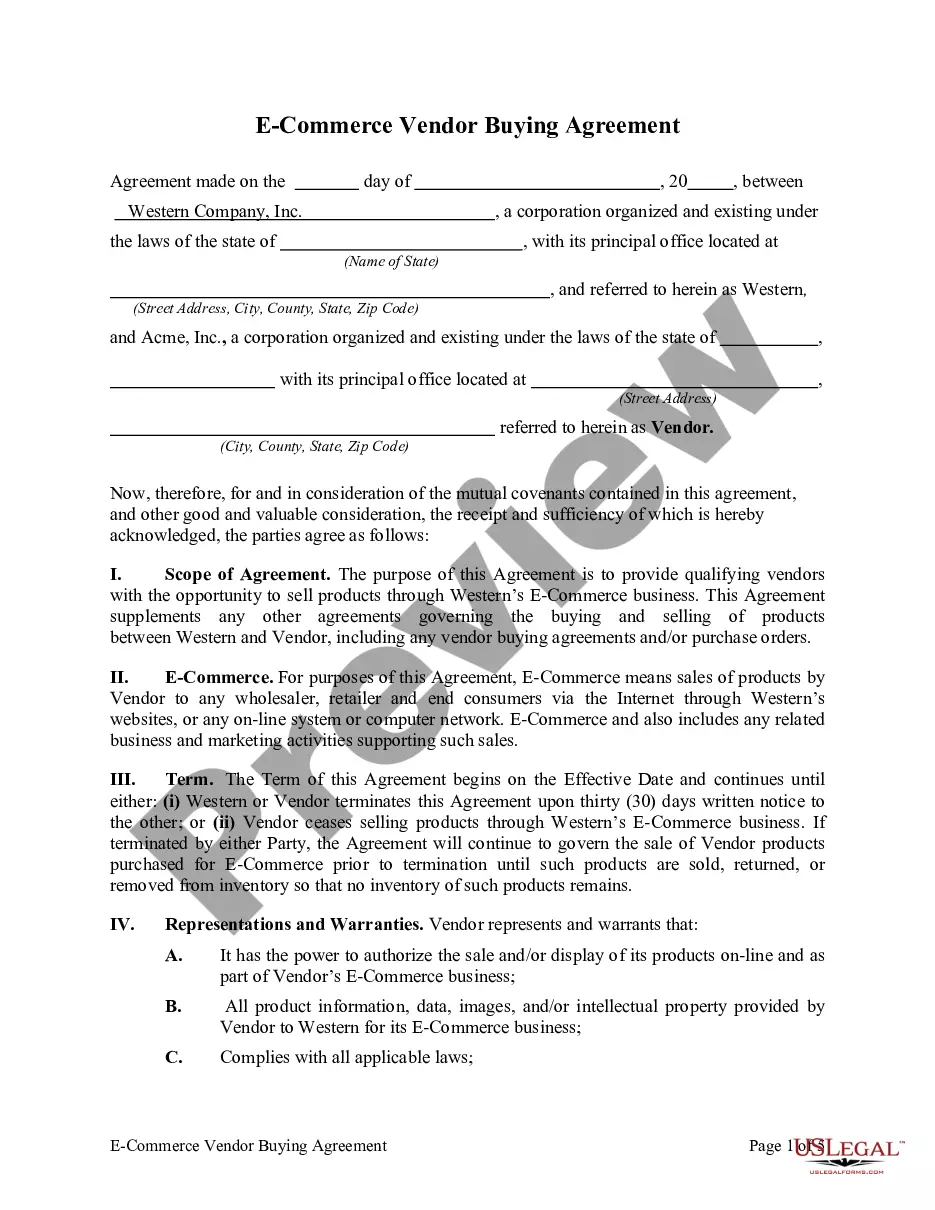
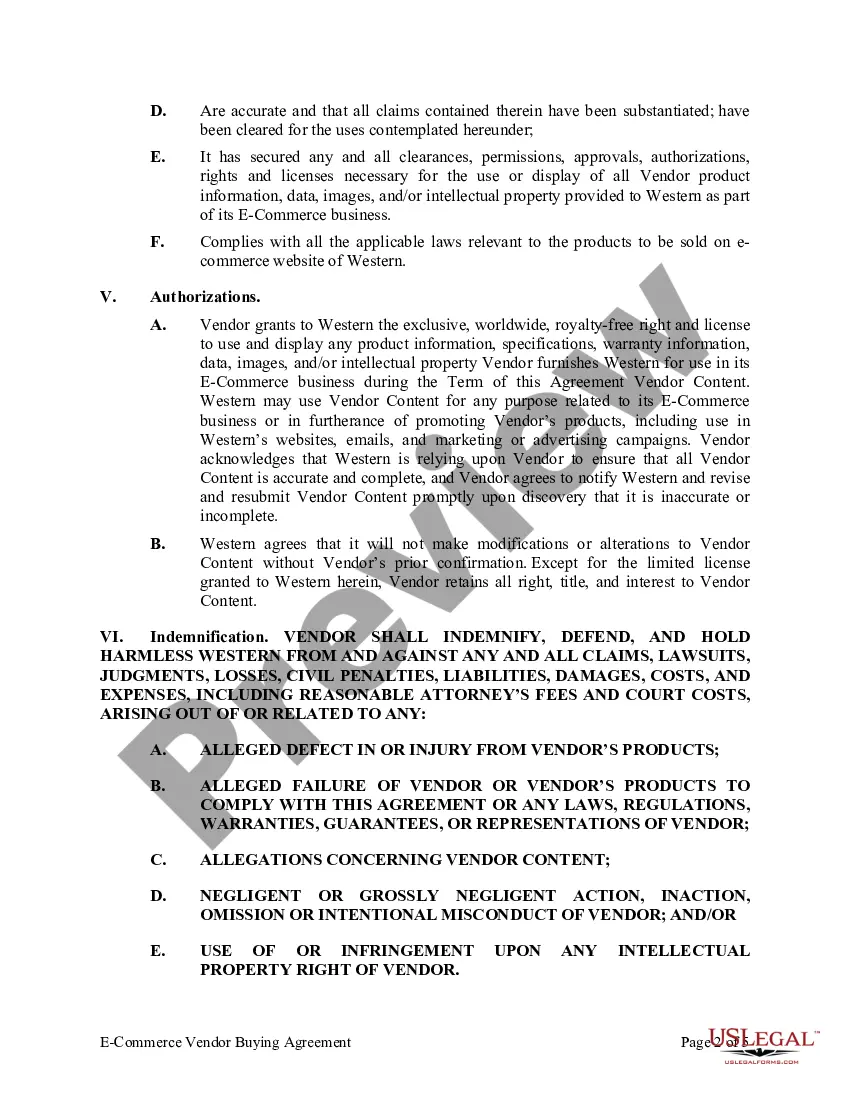
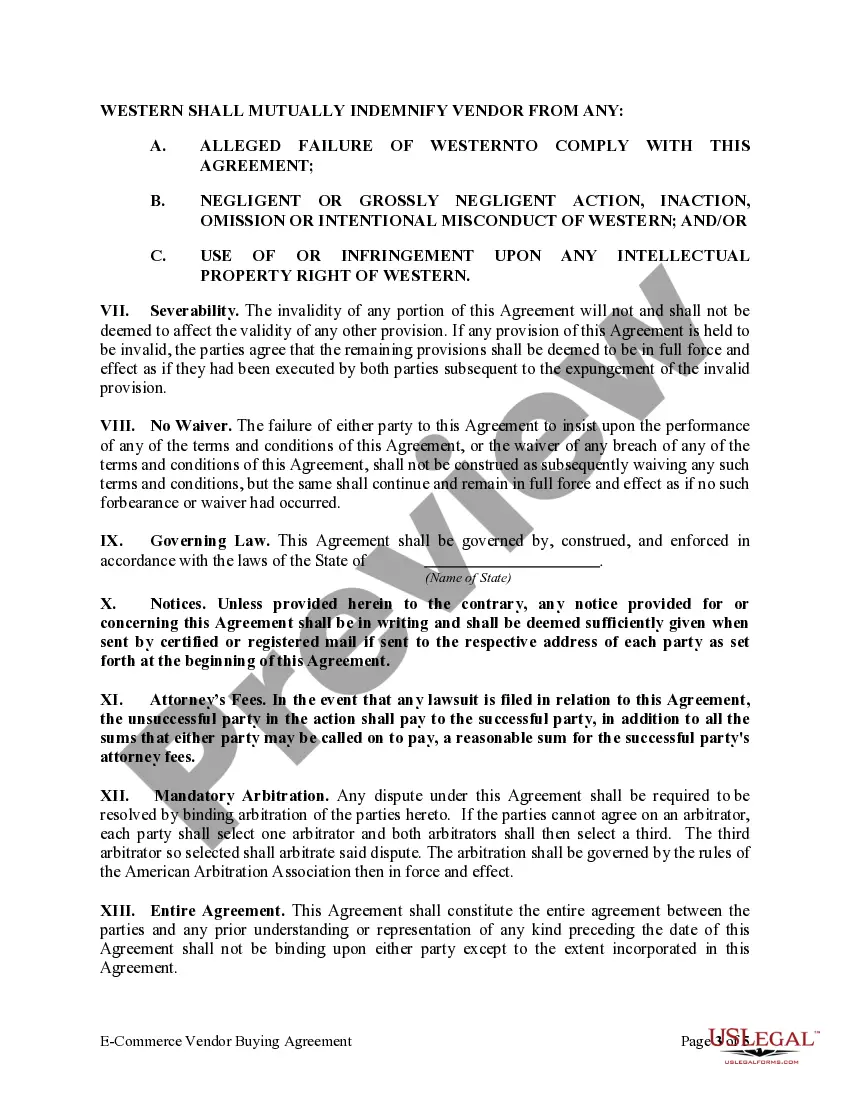
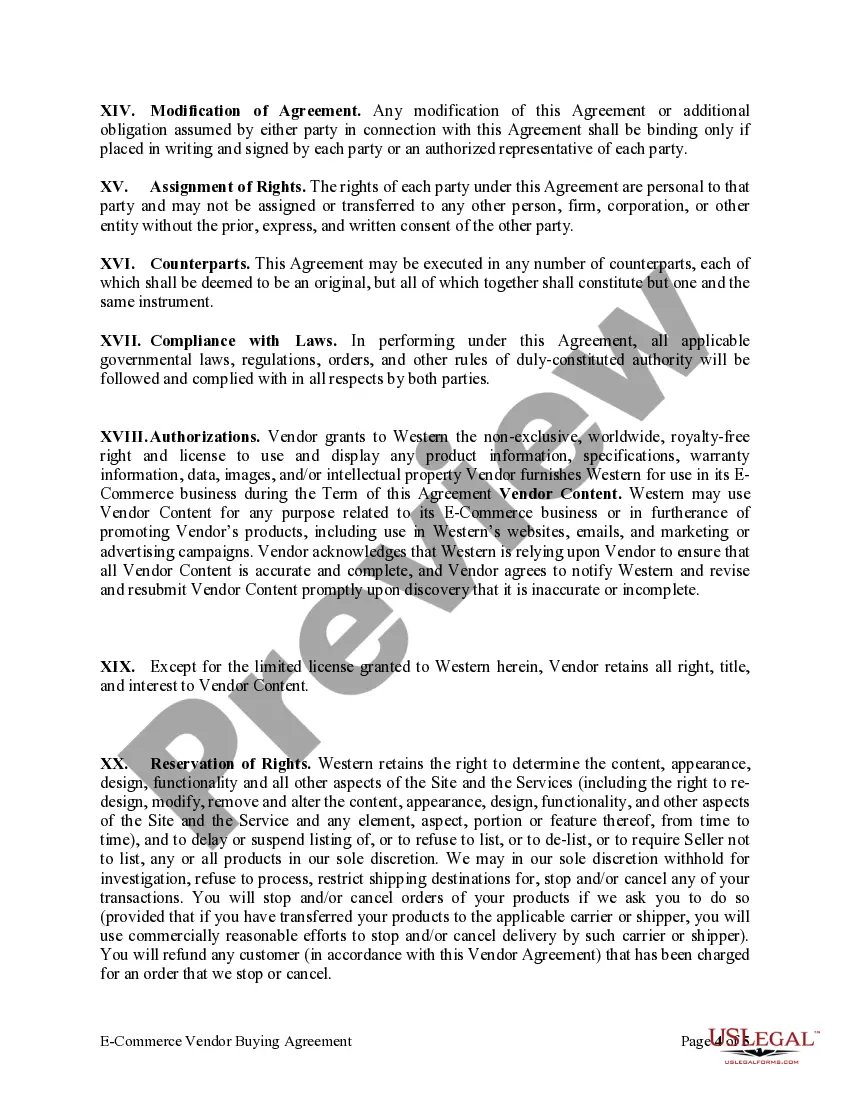

Get your form ready online
Our built-in tools help you complete, sign, share, and store your documents in one place.
Make edits, fill in missing information, and update formatting in US Legal Forms—just like you would in MS Word.
Download a copy, print it, send it by email, or mail it via USPS—whatever works best for your next step.
Sign and collect signatures with our SignNow integration. Send to multiple recipients, set reminders, and more. Go Premium to unlock E-Sign.
If this form requires notarization, complete it online through a secure video call—no need to meet a notary in person or wait for an appointment.
We protect your documents and personal data by following strict security and privacy standards.

Make edits, fill in missing information, and update formatting in US Legal Forms—just like you would in MS Word.

Download a copy, print it, send it by email, or mail it via USPS—whatever works best for your next step.

Sign and collect signatures with our SignNow integration. Send to multiple recipients, set reminders, and more. Go Premium to unlock E-Sign.

If this form requires notarization, complete it online through a secure video call—no need to meet a notary in person or wait for an appointment.

We protect your documents and personal data by following strict security and privacy standards.
Looking for another form?









Form popularity
FAQ
For a contract to be valid and recognized by the common law, it must include certain elements-- offer, acceptance, consideration, intention to create legal relations, authority and capacity, and certainty. Without these elements, a contract is not legally binding and may not be enforced by the courts.
And even though contracts are infinitely varied in length, terms, and complexity, all contracts must contain these six essential elements. Offer. Acceptance. Awareness. Consideration. Capacity. Legality.
Implement ongoing vendor monitoring and audits. Conduct scheduled and surprise audits to review processes, quality controls, and compliance documents. Track critical Key Performance Indicators (KPIs), such as delivery times, product quality, and safety standards. Use third-party auditors for independent assessments.
How to ensure contract compliance 1) Establish clear contract terms. The bedrock of contract adherence lies in distinct and unequivocal contract terms. Read also: All benefits of contract management software. 3) Monitor and track key data. 4) Cultivate a compliance culture. Key takeways.
6 tips for effective vendor contract management #1 Have a system in place for managing vendor contracts. #2 Establish clear communication channels. #3 Negotiate contracts carefully. #4 Monitor vendor performance. #5 Be proactive in managing risks. #6 Use technology to streamline contract management.
How do you monitor contract compliance? The best way to monitor contract compliance is to implement contract management software that tracks obligations and contract data in real-time. Businesses should also monitor contract compliance periodically using contract compliance audits.
You can't ensure vendor compliance if you don't track and measure their performance. You should use the KPIs and SLAs that you agreed on in the contract to monitor and evaluate the vendor's performance. You should also use tools and systems that can help you collect, analyze, and report data on vendor performance.
Prepare a contract Provide details of the parties. Describe services or results. Set out payment details. Assign intellectual property rights. Explain how to treat confidential information. Identify who is liable – indemnity. Provide insurance obligations. Outline any subcontracting agreements.
A supplier agreement should include essential terms such as payment terms, delivery obligations, liability clauses and warranties. Management contracts and services schedules provide structure to ensure duties and expectations are met for successful business relationships.
Prepare a contract Provide details of the parties. Describe services or results. Set out payment details. Assign intellectual property rights. Explain how to treat confidential information. Identify who is liable – indemnity. Provide insurance obligations. Outline any subcontracting agreements.
