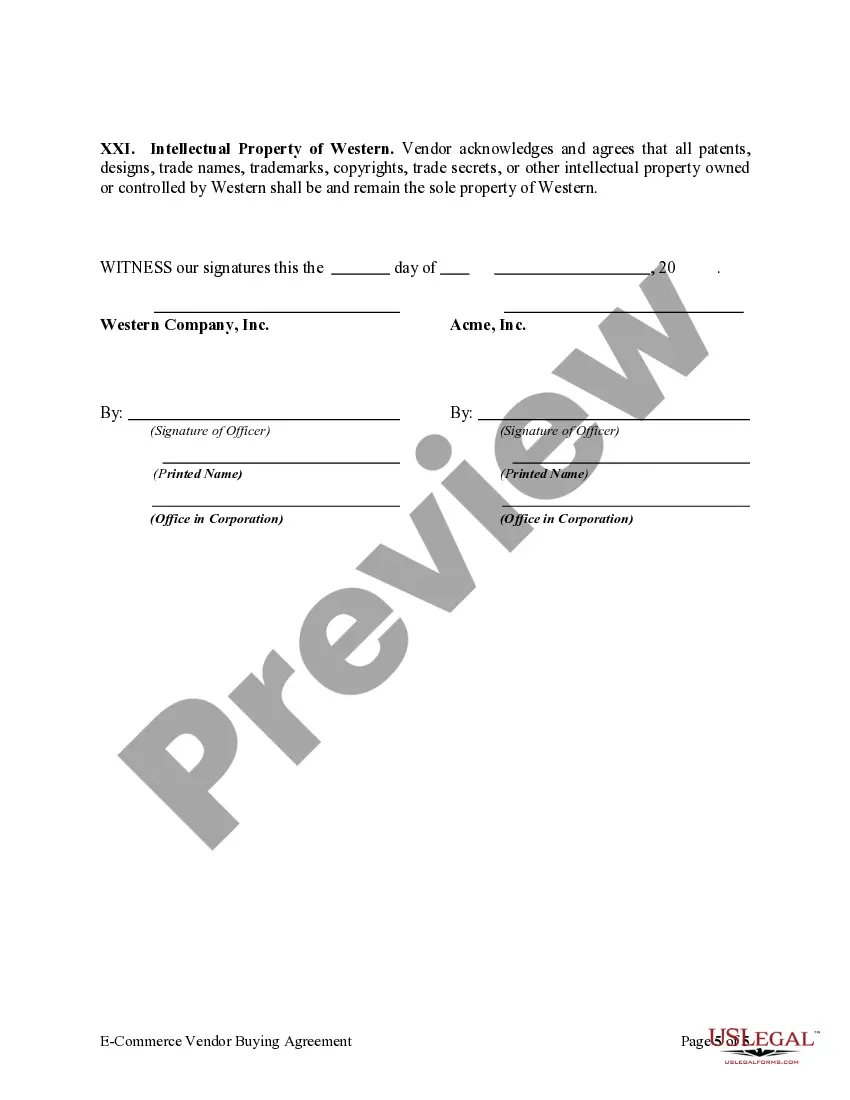
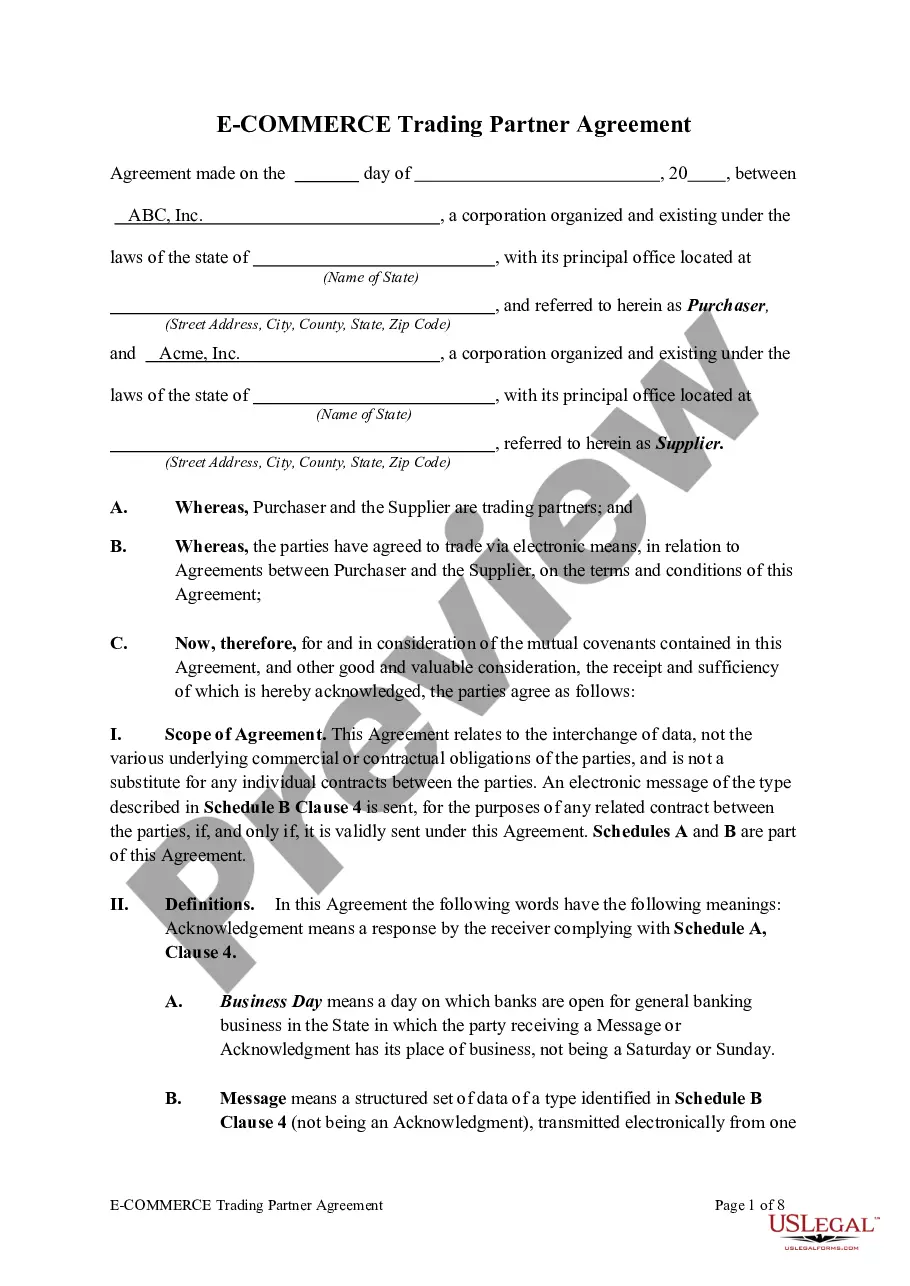
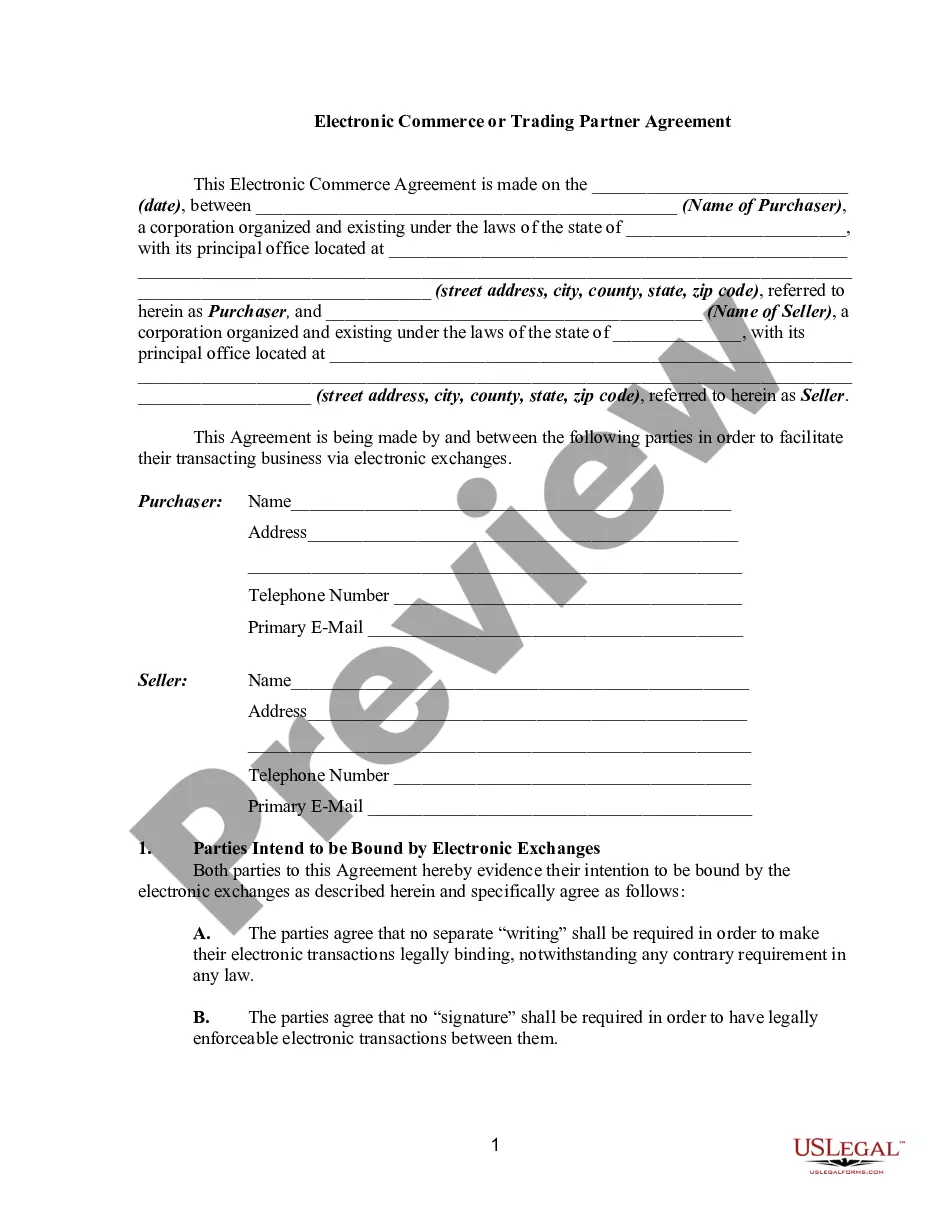
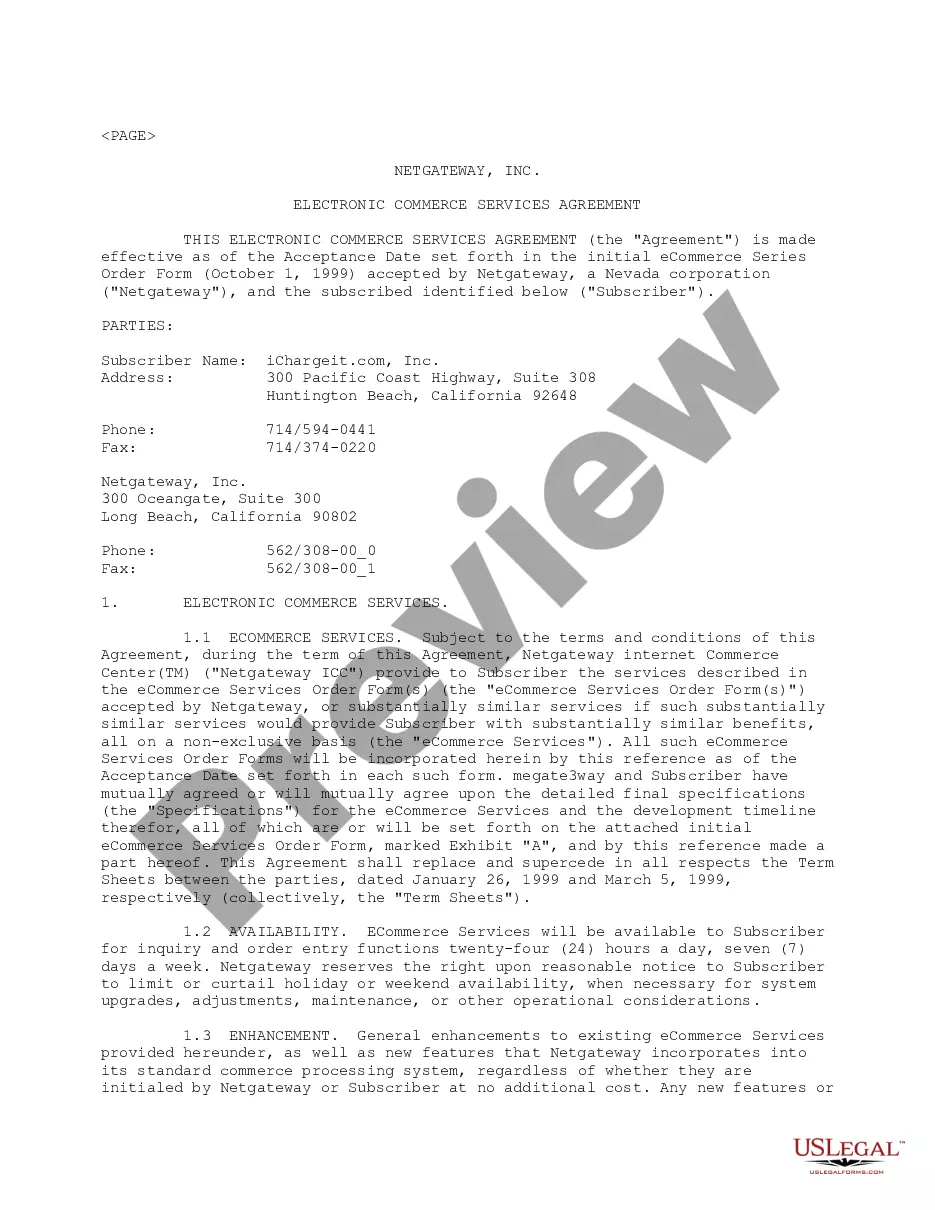
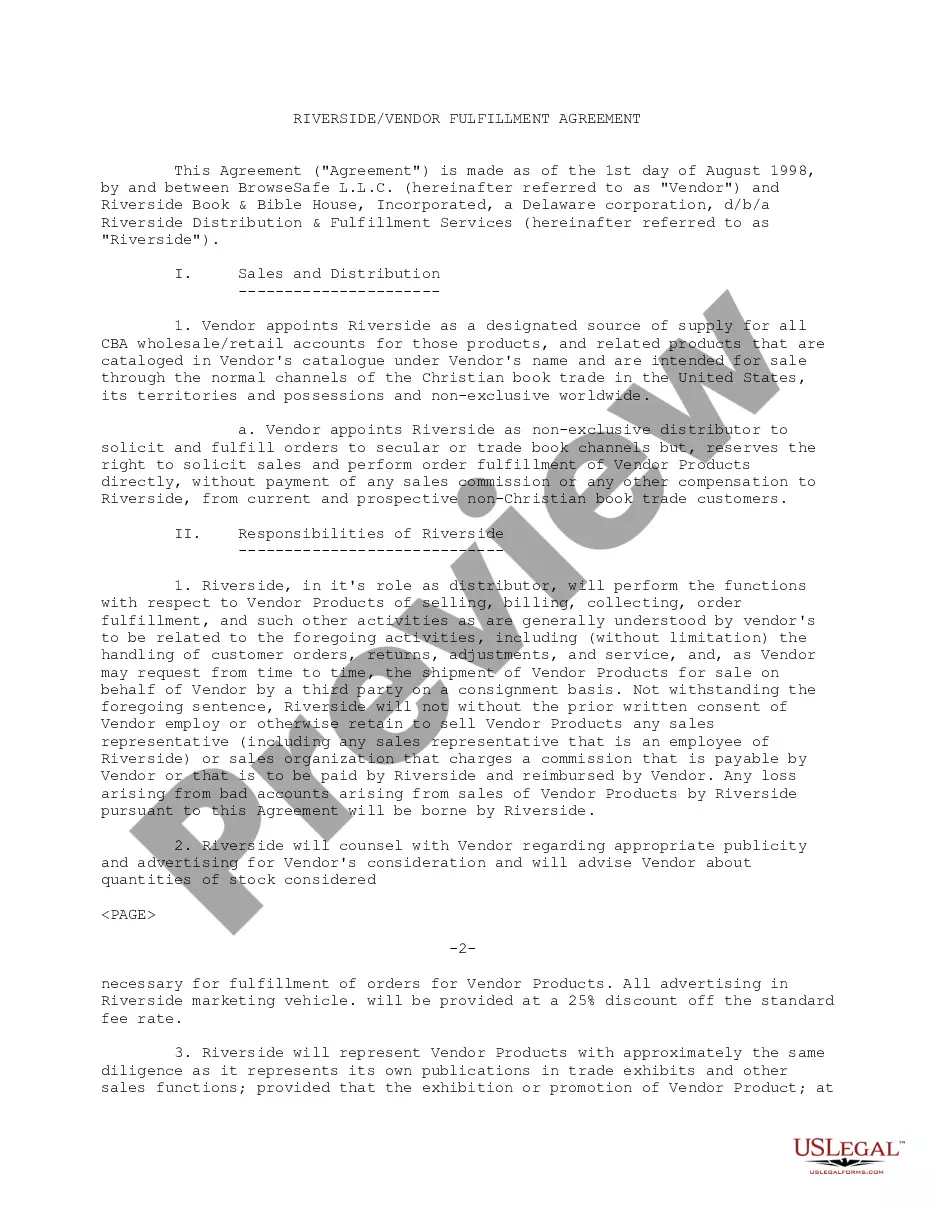
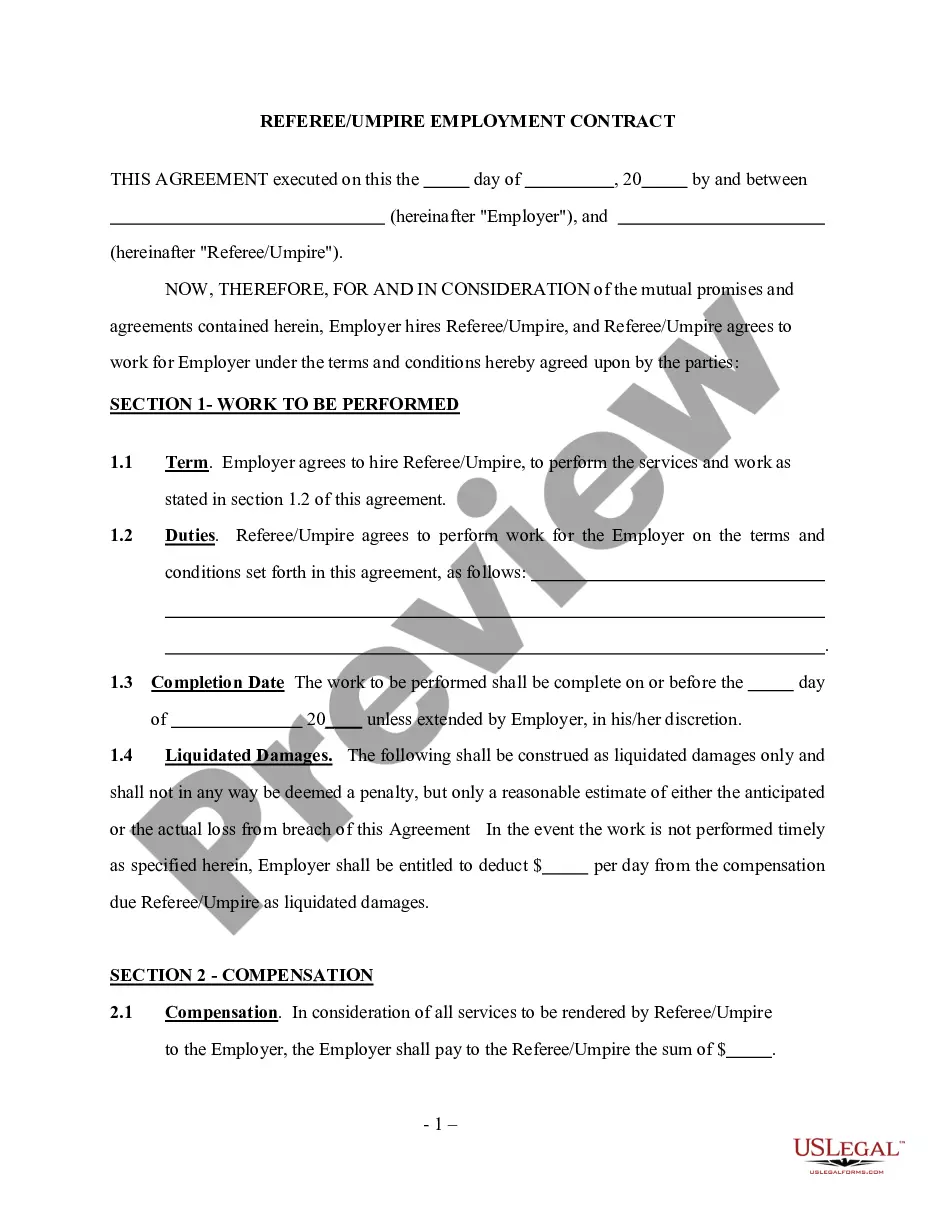
Vendor Agreement For Event In Phoenix
Description
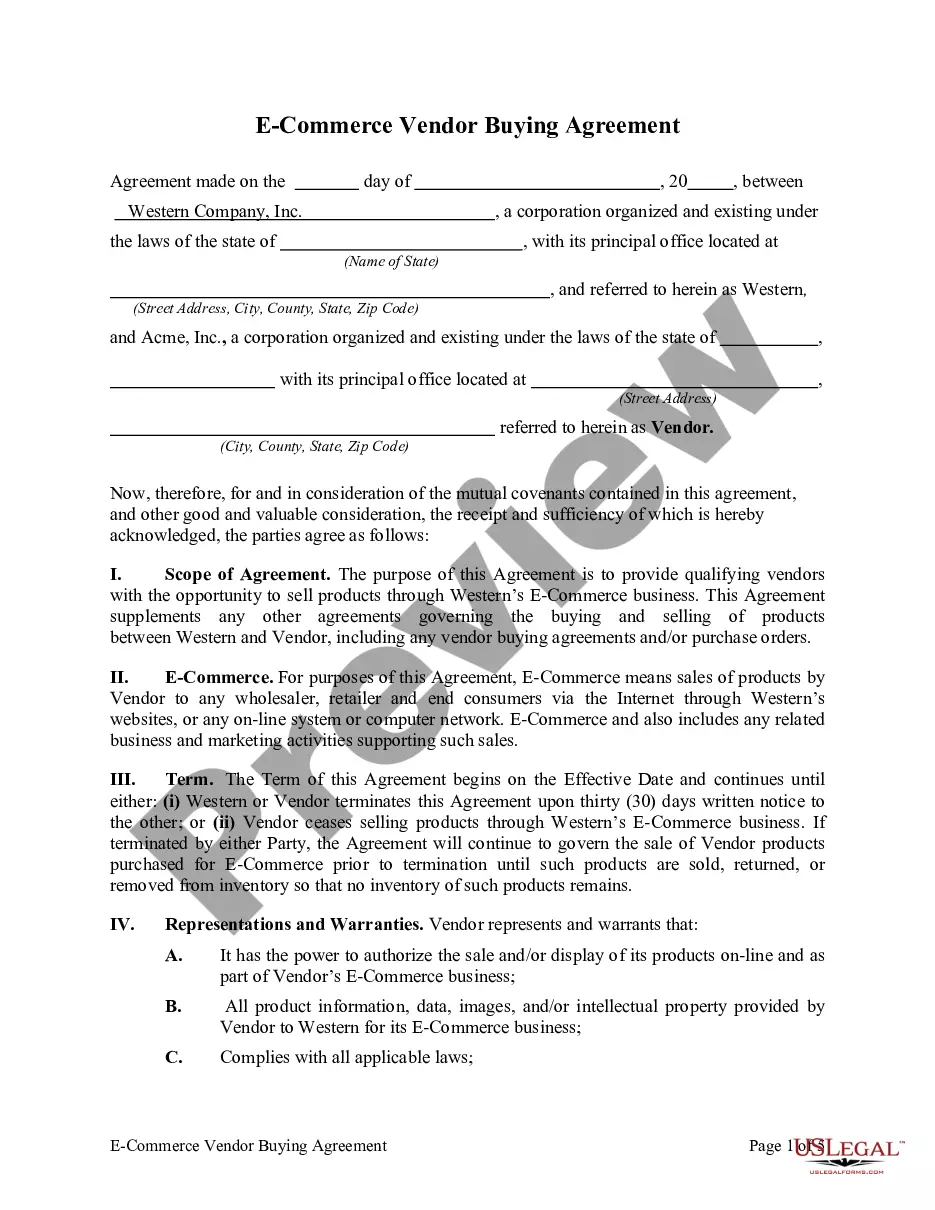
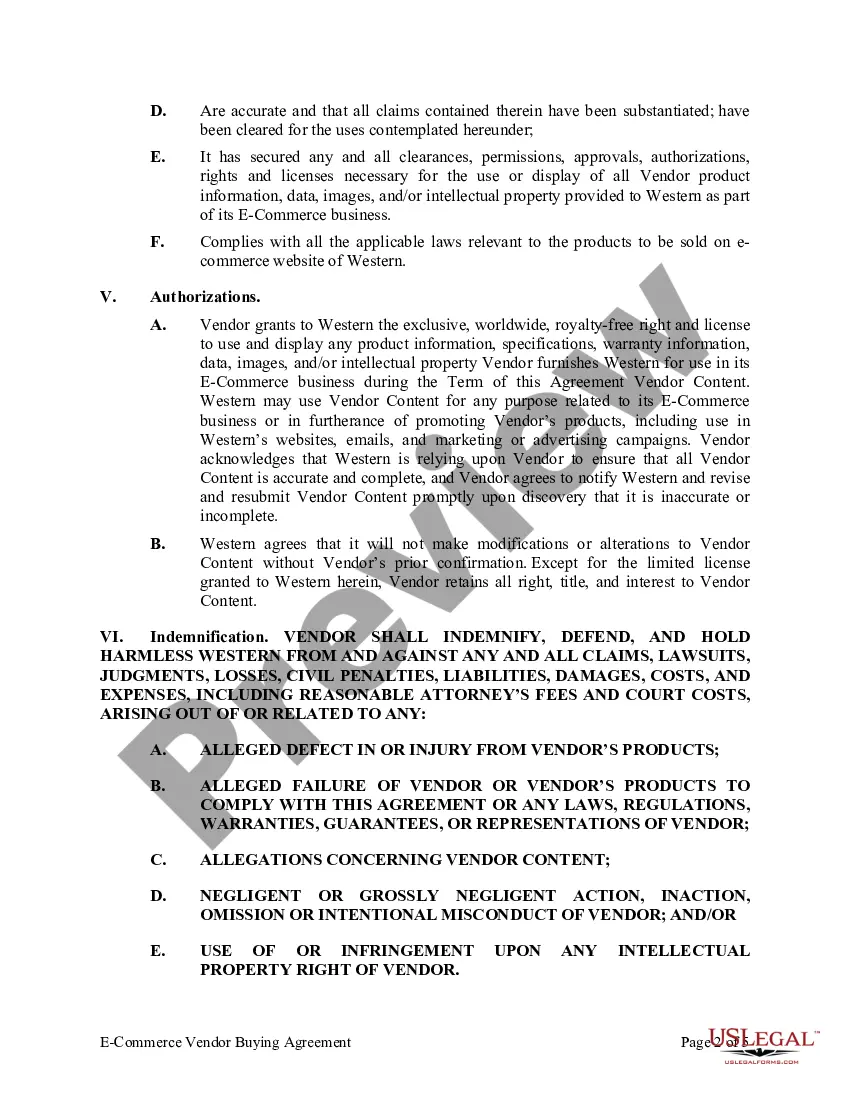
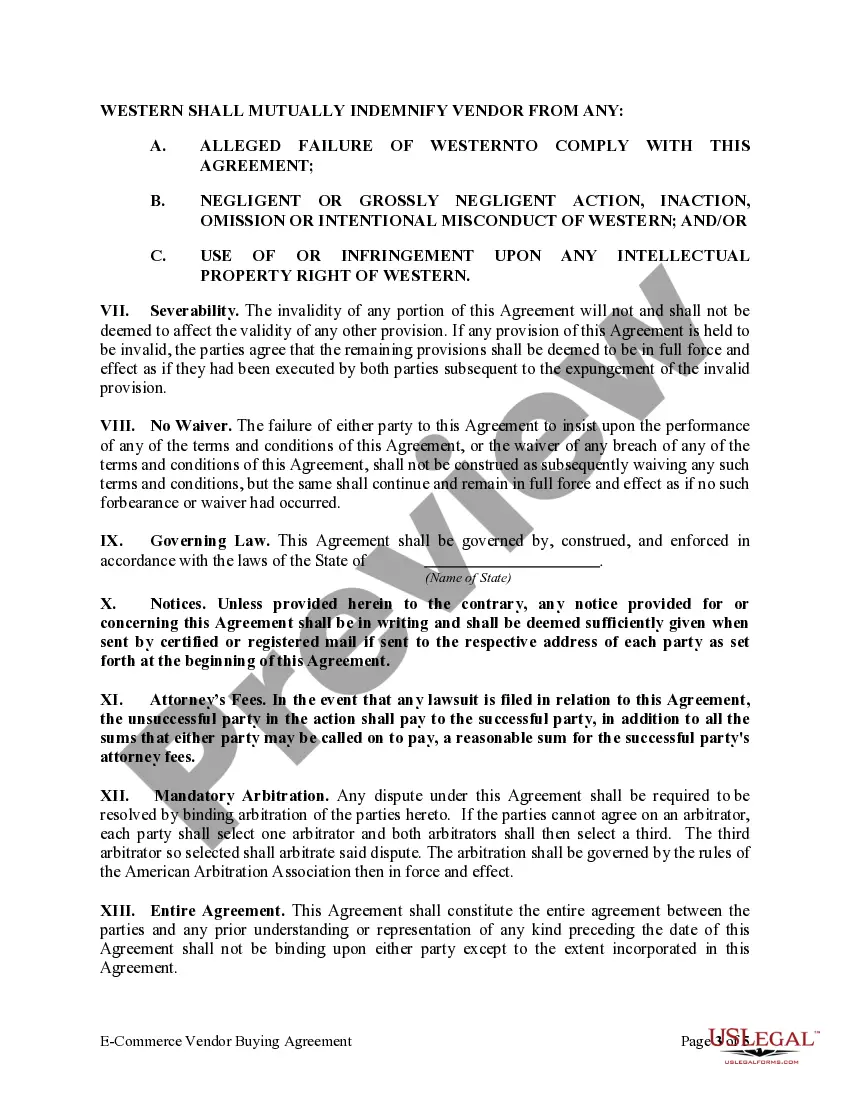
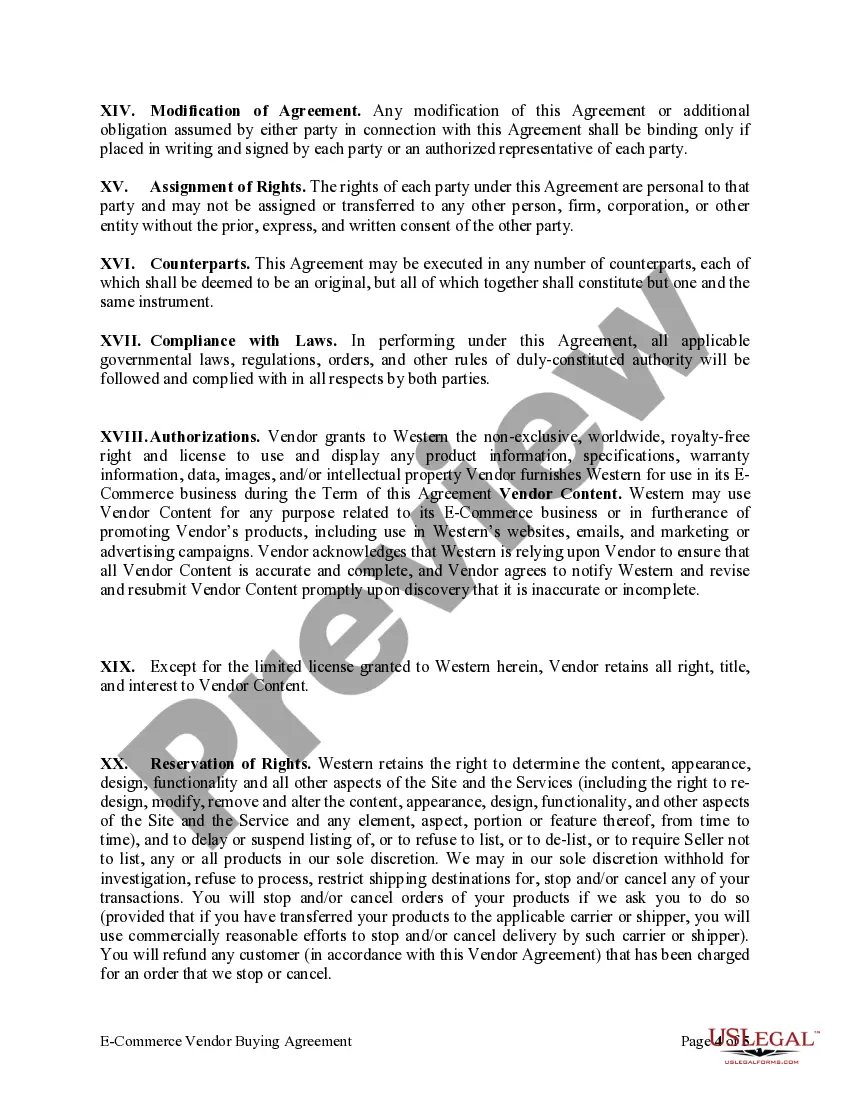
Get your form ready online
Our built-in tools help you complete, sign, share, and store your documents in one place.
Make edits, fill in missing information, and update formatting in US Legal Forms—just like you would in MS Word.
Download a copy, print it, send it by email, or mail it via USPS—whatever works best for your next step.
Sign and collect signatures with our SignNow integration. Send to multiple recipients, set reminders, and more. Go Premium to unlock E-Sign.
If this form requires notarization, complete it online through a secure video call—no need to meet a notary in person or wait for an appointment.
We protect your documents and personal data by following strict security and privacy standards.

Make edits, fill in missing information, and update formatting in US Legal Forms—just like you would in MS Word.

Download a copy, print it, send it by email, or mail it via USPS—whatever works best for your next step.

Sign and collect signatures with our SignNow integration. Send to multiple recipients, set reminders, and more. Go Premium to unlock E-Sign.

If this form requires notarization, complete it online through a secure video call—no need to meet a notary in person or wait for an appointment.

We protect your documents and personal data by following strict security and privacy standards.
Looking for another form?
Form popularity
FAQ
Write the contract in six steps Start with a contract template. Open with the basic information. Describe in detail what you have agreed to. Include a description of how the contract will be ended. Write into the contract which laws apply and how disputes will be resolved. Include space for signatures.
A vendor contract (otherwise known as a vendor agreement) is a business contract between two parties covering the exchange of goods or services in return for compensation. Vendor contracts establish the business relationship conditions and include details on each party's obligations under the contract.
To be effective, a performance contract template should include: Detailed service description: Specific tasks, deliverables, timelines, and responsibilities. Objective performance criteria: Measurable standards like KPIs, quality benchmarks, and deadlines.
Every contract, whether simple or complex, is considered legally enforceable when it incorporates six essential elements: Offer, Acceptance, Awareness, Consideration, Capacity and Legality. It is critical that all six elements are present—just one missing element can make a contract invalid and unenforceable.
Make sure your next event website or landing page has everything your attendees want with these event details and content ideas. Event title and logo. Event date and time. Location and venue. Event description. Event schedule. Featured speakers. Session or talk details. Photos and video content.
When creating your event planner contract, be sure to include the following details: Contact information for both parties. Date and time of the event including an end time. A detailed description of the event. Description of the duties and responsibilities of the event planner. Breakdown of costs and fees.
As a street artist selling your work, you're essentially running a small business. This means you'll likely need to collect sales tax on the items you sell, depending on your location. You'll need to register for a sales tax permit with your state or local tax authority.
A license is required to sell food or other items on the public streets or sidewalks.
The state of Arizona charges $12.00 per application for a sales tax permit. On top of that, vendors are required to file for a sales tax permit in individual cities where they do business. (Out-of-state sellers with nexus in Arizona, read more about that here.)
A license is required to sell food or other items on the public streets or sidewalks.
