Vendor Agreement With Amazon In Miami-Dade
Description
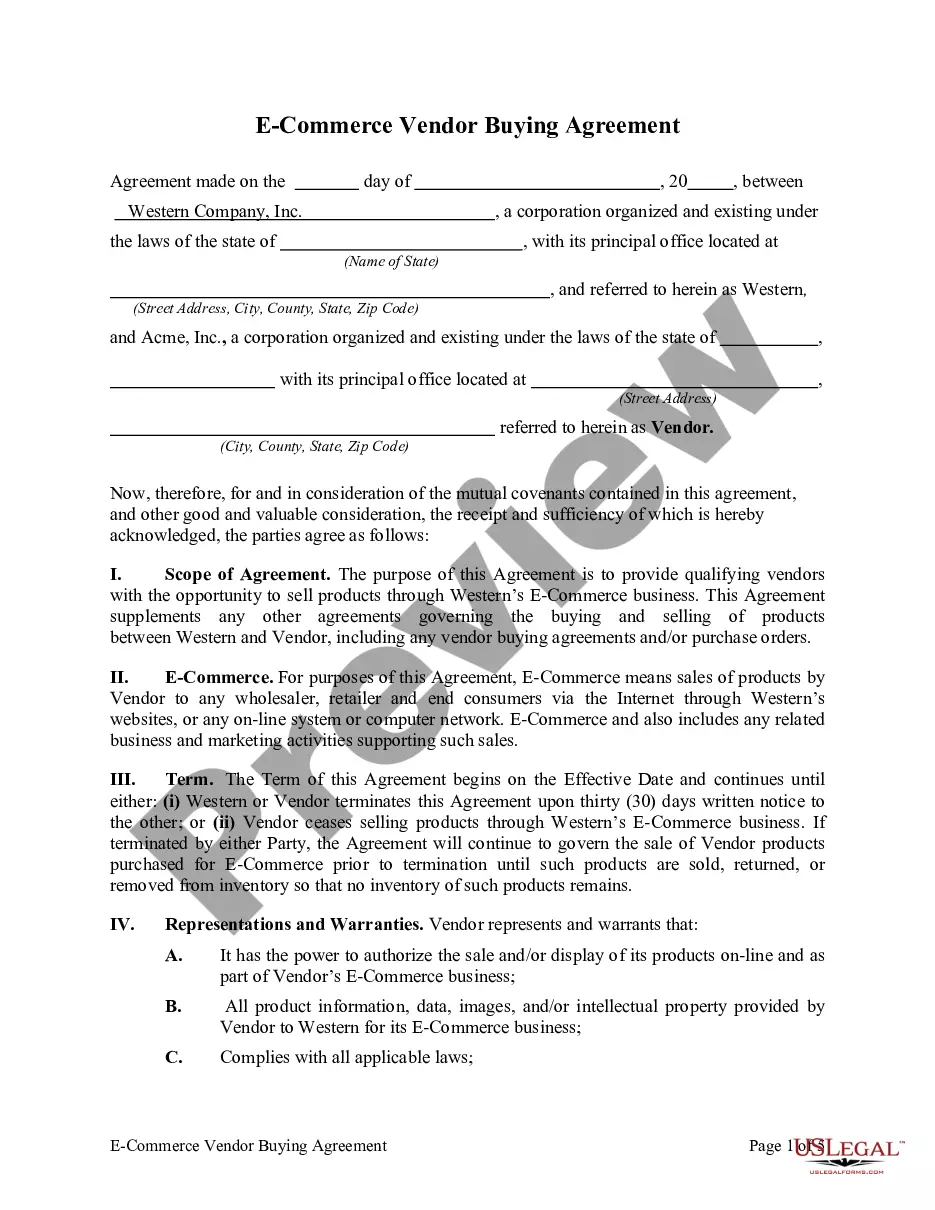
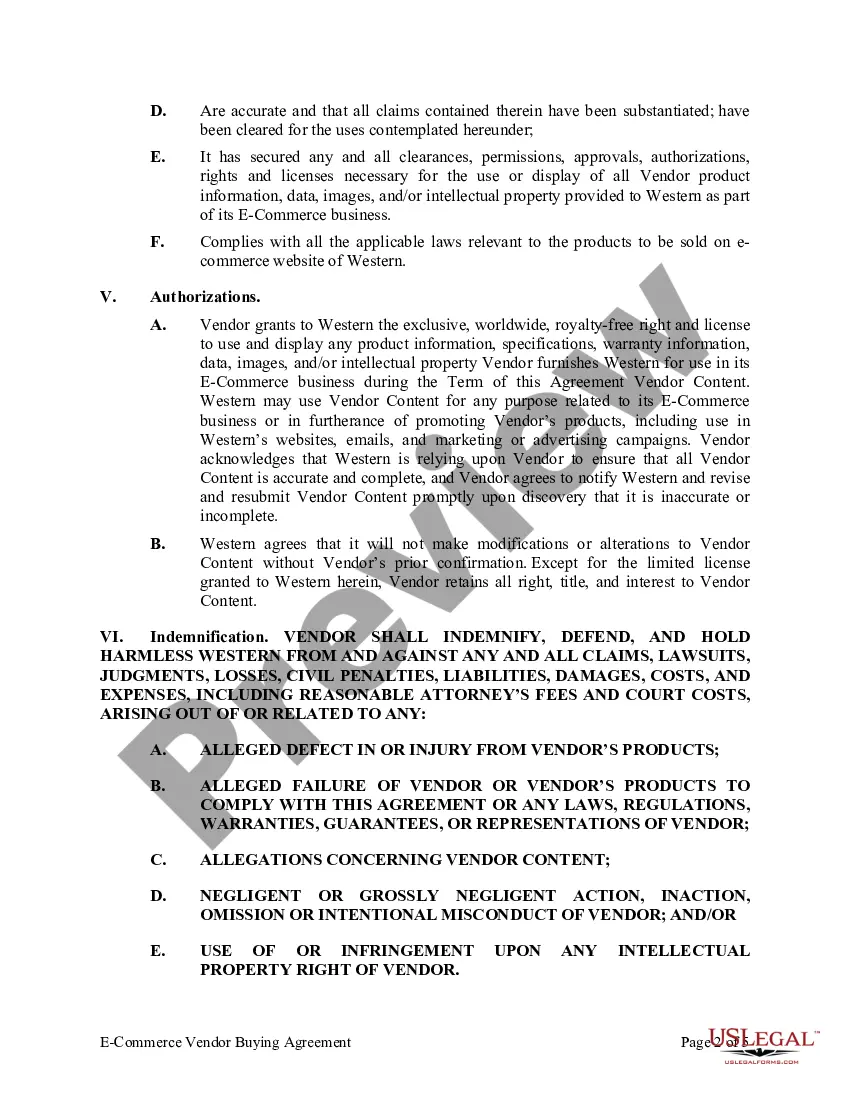
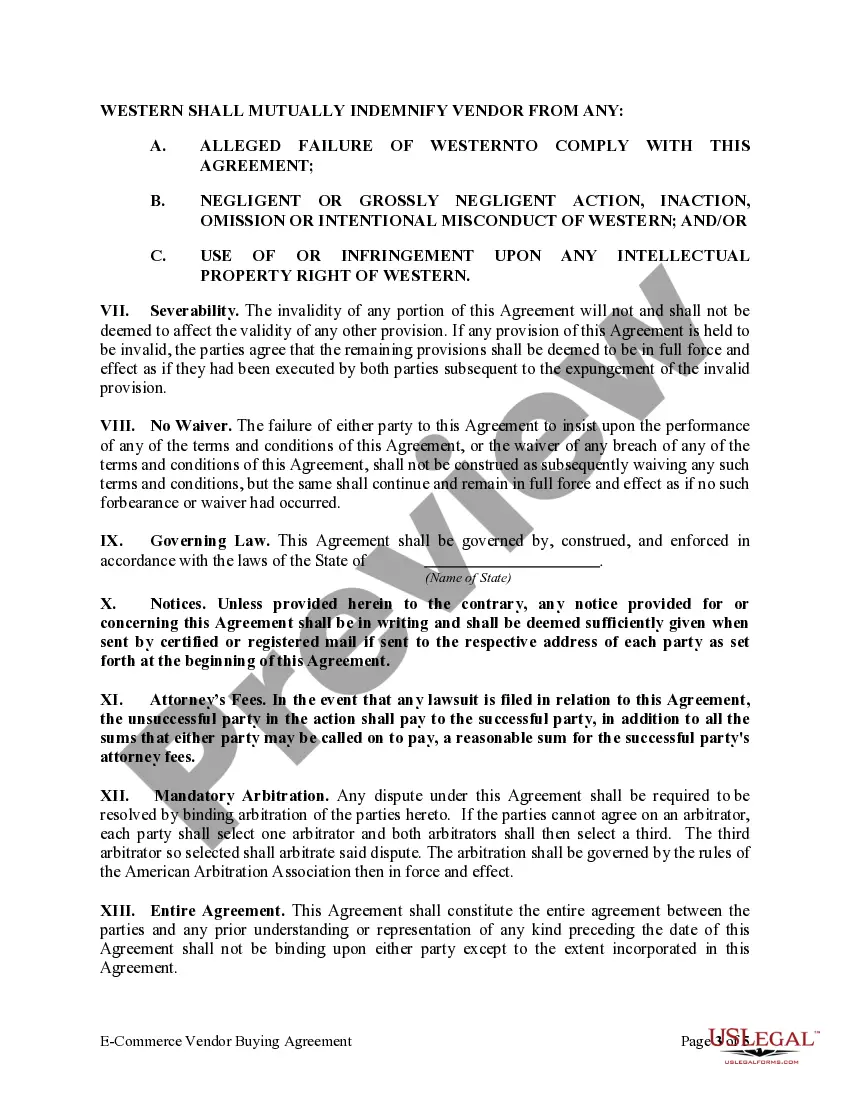
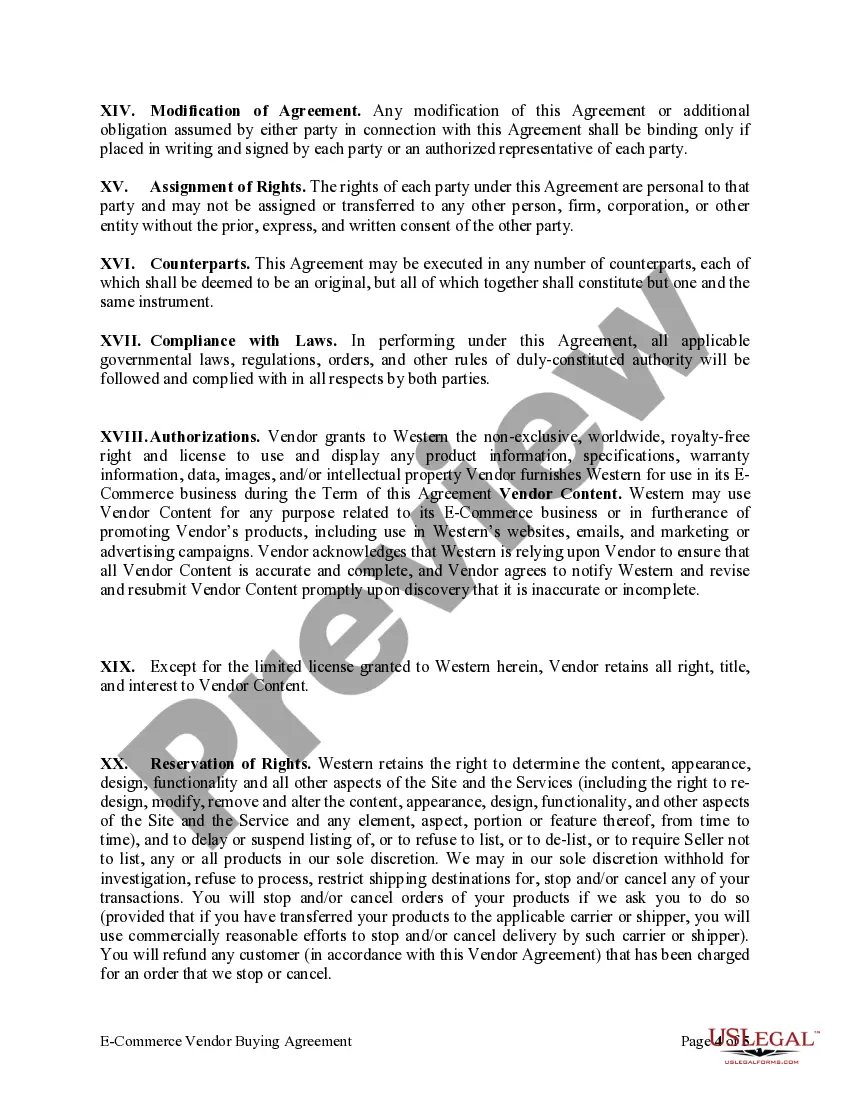
Get your form ready online
Our built-in tools help you complete, sign, share, and store your documents in one place.
Make edits, fill in missing information, and update formatting in US Legal Forms—just like you would in MS Word.
Download a copy, print it, send it by email, or mail it via USPS—whatever works best for your next step.
Sign and collect signatures with our SignNow integration. Send to multiple recipients, set reminders, and more. Go Premium to unlock E-Sign.
If this form requires notarization, complete it online through a secure video call—no need to meet a notary in person or wait for an appointment.
We protect your documents and personal data by following strict security and privacy standards.

Make edits, fill in missing information, and update formatting in US Legal Forms—just like you would in MS Word.

Download a copy, print it, send it by email, or mail it via USPS—whatever works best for your next step.

Sign and collect signatures with our SignNow integration. Send to multiple recipients, set reminders, and more. Go Premium to unlock E-Sign.

If this form requires notarization, complete it online through a secure video call—no need to meet a notary in person or wait for an appointment.

We protect your documents and personal data by following strict security and privacy standards.
Looking for another form?








Form popularity
FAQ
Step 1: Familiarize Yourself With the Industry. Step 2: Determine Your Business Goals. Step 3: Lay the Foundation to Become a Vendor. Step 4: Get Any Necessary Licensing or Registrations. Step 5: Market to and Network With Your Target Audience. Step 6: Negotiate Your First Sale. Step 7: Learn to Use the Vendor Portal.
In Florida, a vendor's license is required for businesses that sell tangible personal property and certain services to customers.
Vendor Registration Miami-Dade County current Local Tax Receipt (for vendors physically located within Miami-Dade County) Certificate of Incorporation (if applicable) W-9 (or applicable IRS form) IRS letter 147C, verifying your business name and FEIN or any other preprinted IRS form issued by the IRS identifying you.
Q: How do I register as a vendor with the State of Florida? The Vendor Information Portal (VIP) of the MyFloridaMarketPlace website provides new vendor registration directly on the home page. The system will ask if you seek state business enterprise certification.
Pursuant to Miami-Dade County Administrative Order 3-39, Pre-Qualification Certification is Miami-Dade County's certification process that includes technical certification for architectural, engineering, landscape architecture, and/or land surveying and mapping professional services, affirmative action plan and vendor ...
If you plan to do business in the state of Florida, you only need to obtain a vendor license, but if you want to do business with the State of Florida itself, you need to register your vendor account with the Florida Department of Management Services.
No person shall engage in the business of street vending without first obtaining a permit pursuant to this Part.
