Vendor Agreement Form In Cook
Description
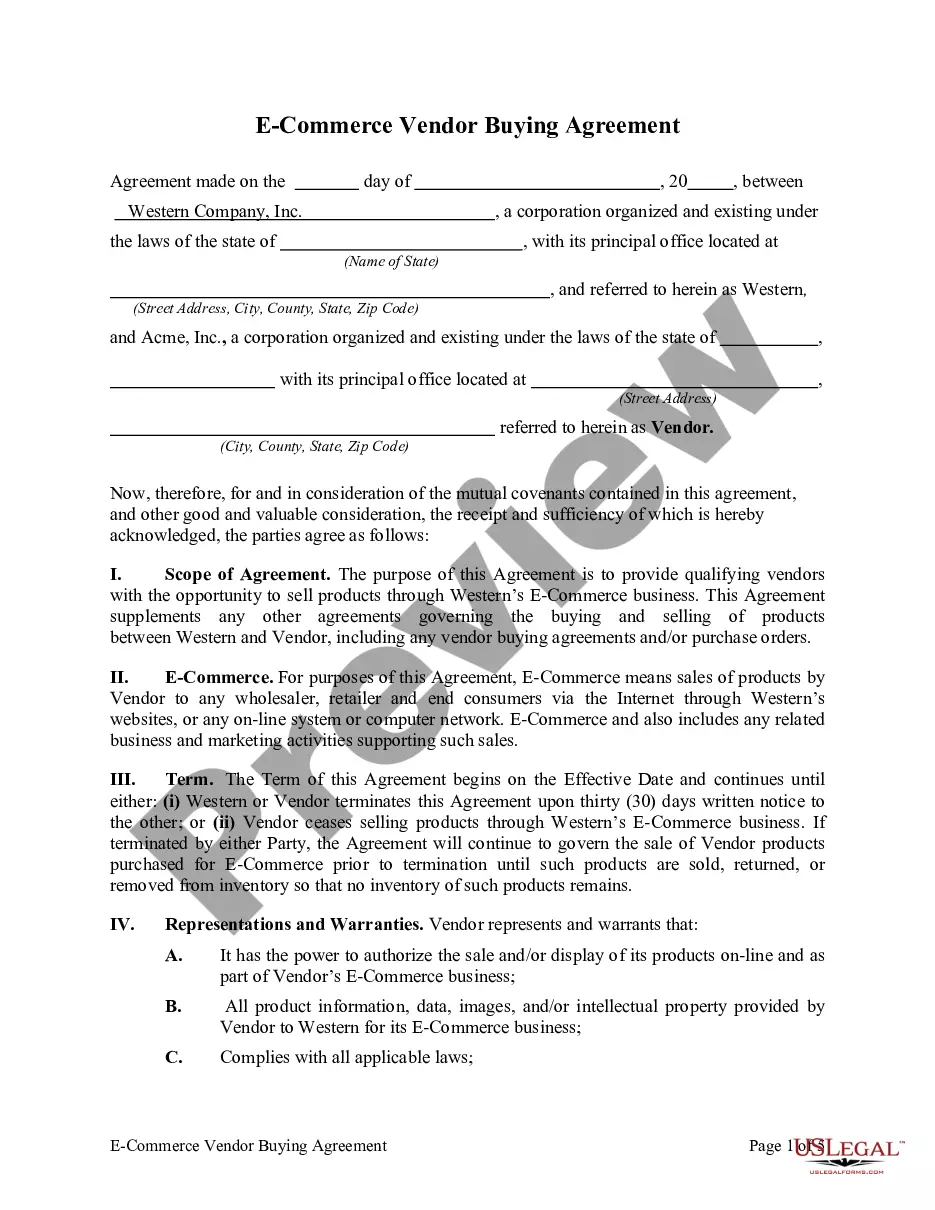
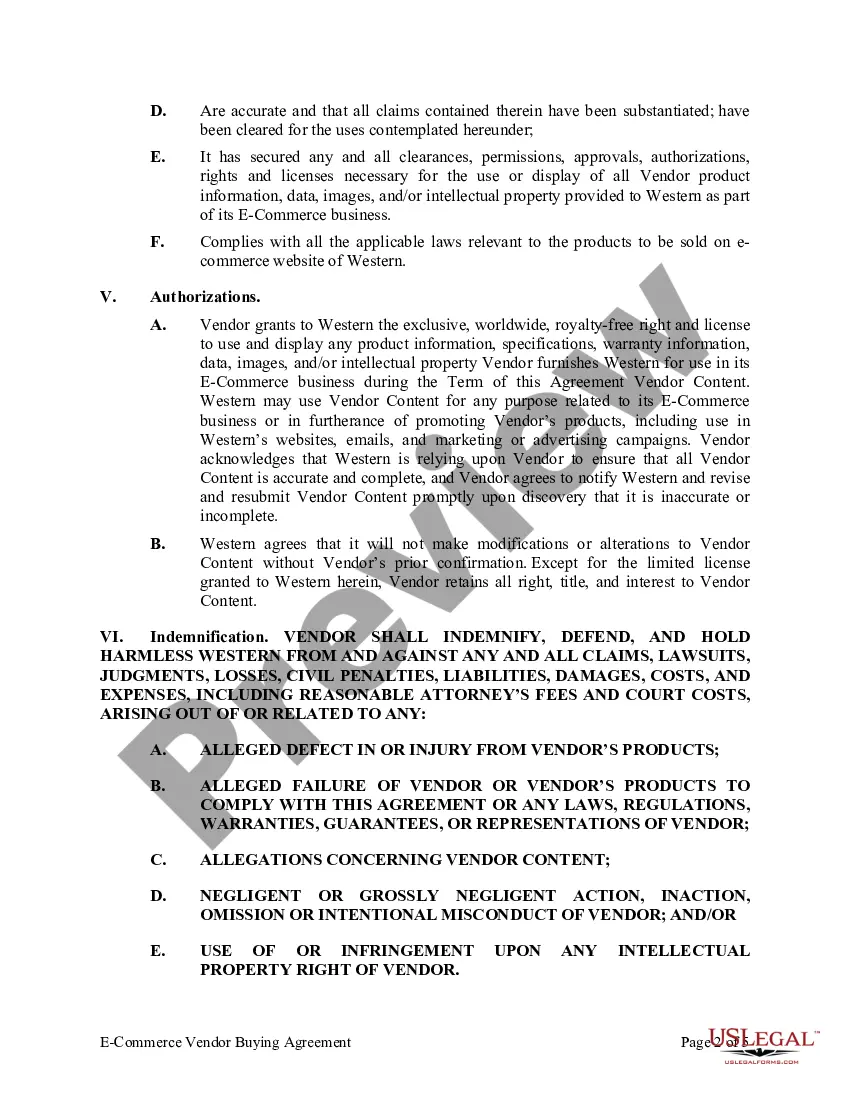
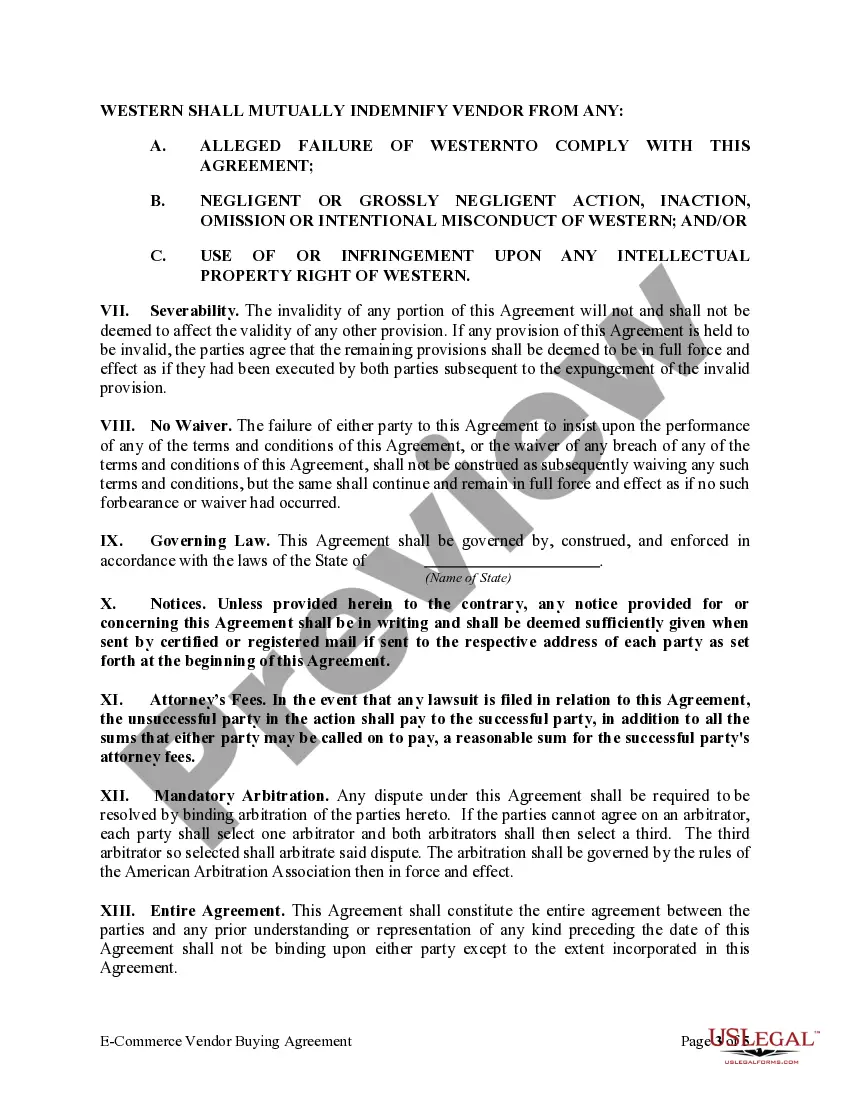
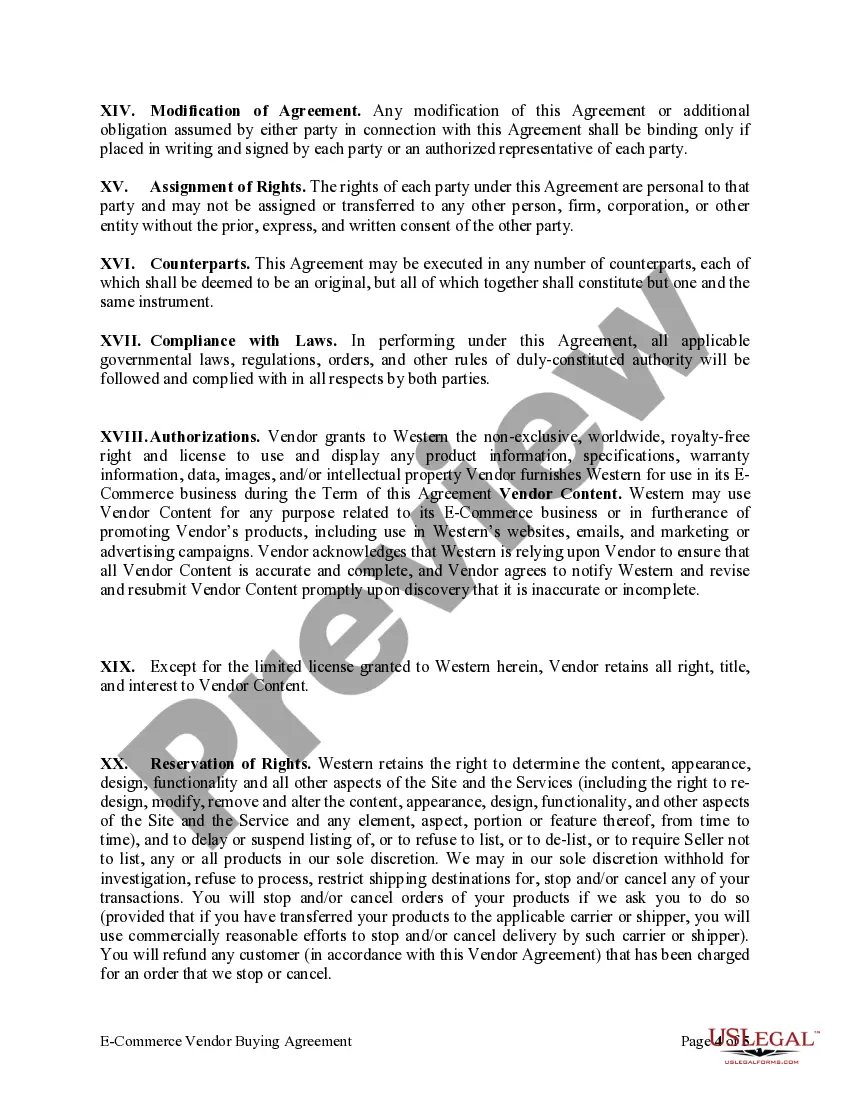
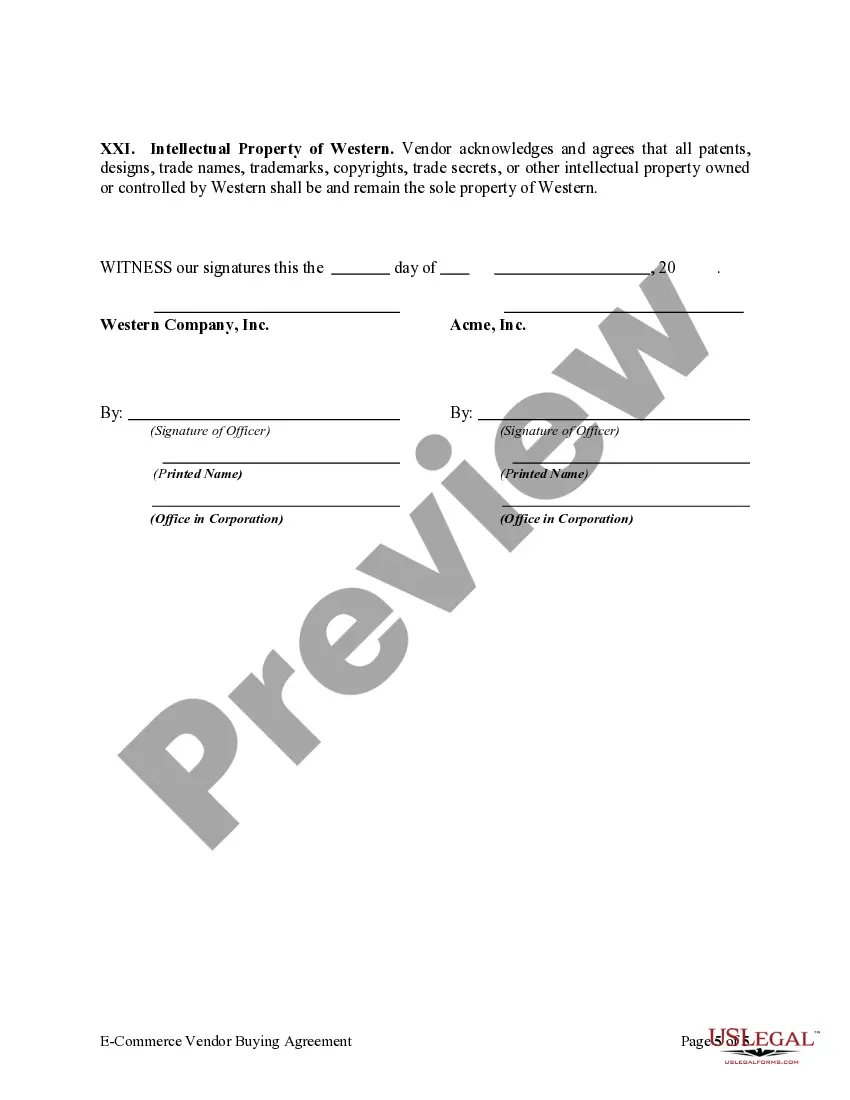

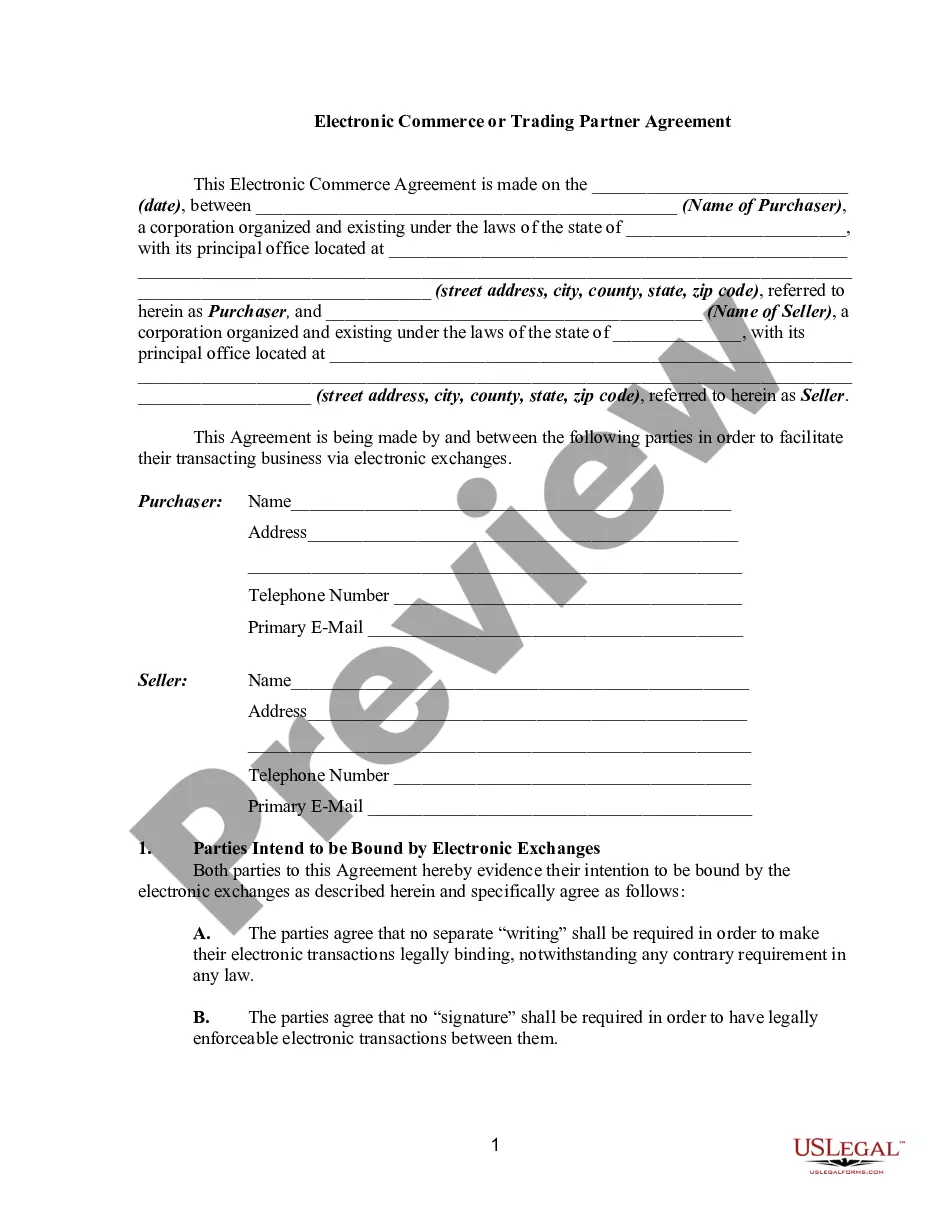
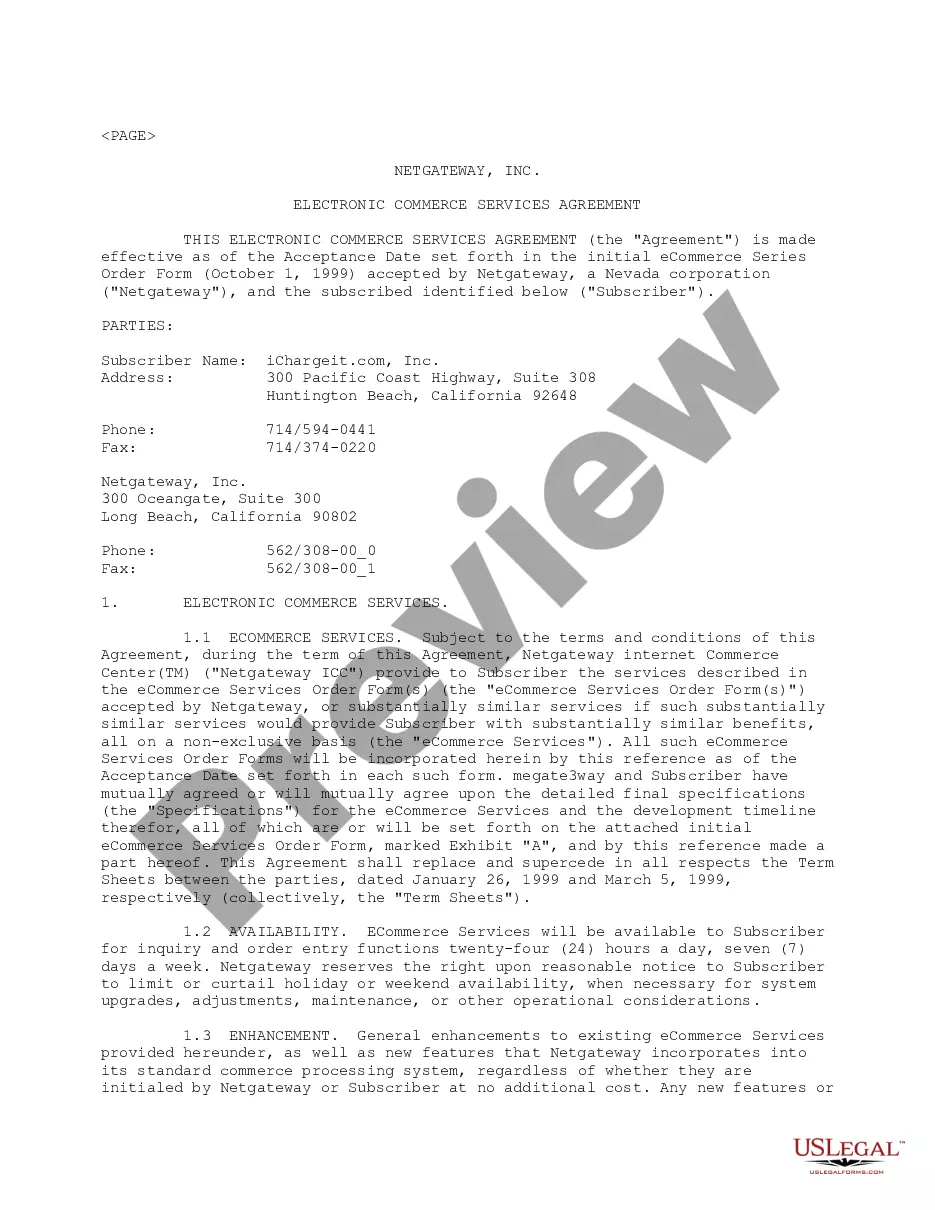
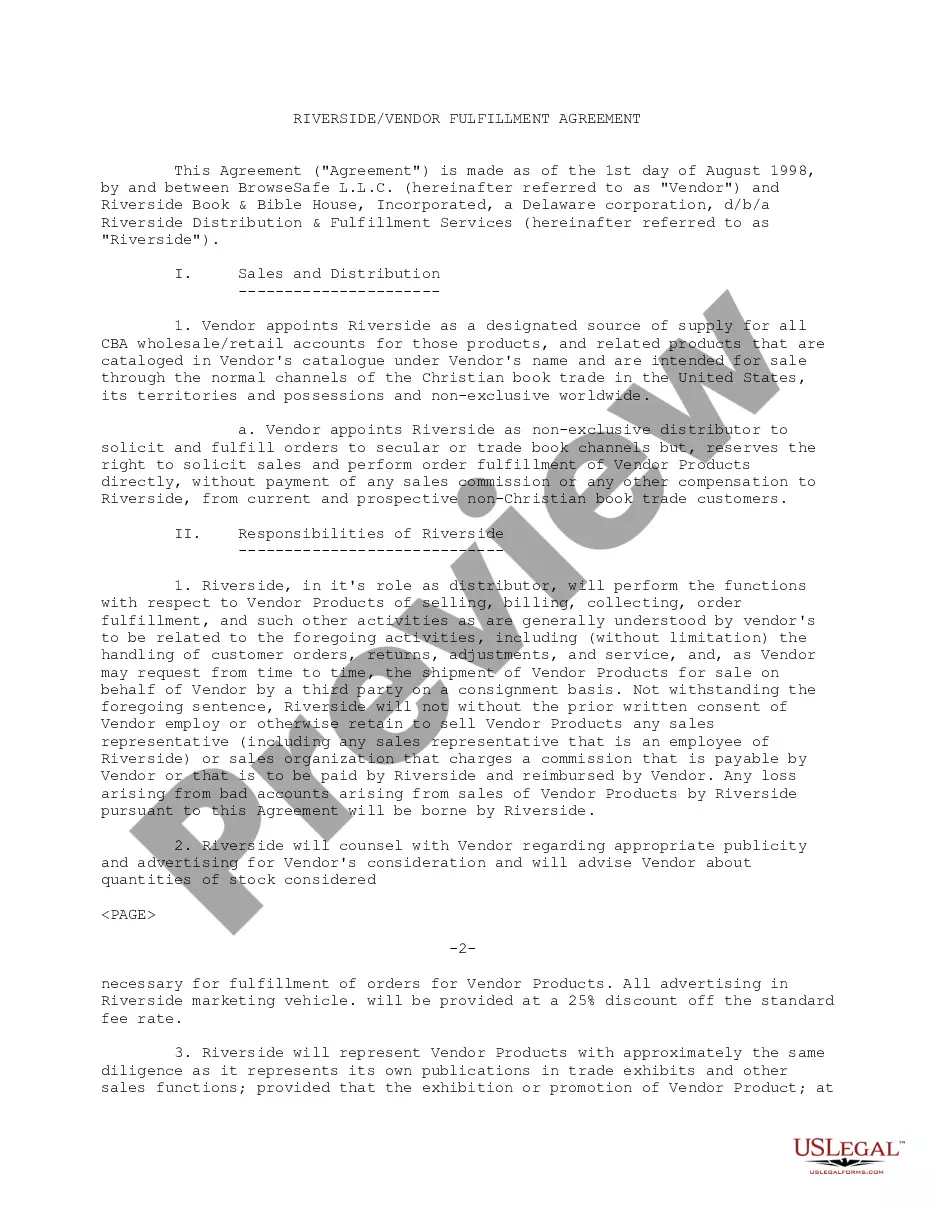
Get your form ready online
Our built-in tools help you complete, sign, share, and store your documents in one place.
Make edits, fill in missing information, and update formatting in US Legal Forms—just like you would in MS Word.
Download a copy, print it, send it by email, or mail it via USPS—whatever works best for your next step.
Sign and collect signatures with our SignNow integration. Send to multiple recipients, set reminders, and more. Go Premium to unlock E-Sign.
If this form requires notarization, complete it online through a secure video call—no need to meet a notary in person or wait for an appointment.
We protect your documents and personal data by following strict security and privacy standards.

Make edits, fill in missing information, and update formatting in US Legal Forms—just like you would in MS Word.

Download a copy, print it, send it by email, or mail it via USPS—whatever works best for your next step.

Sign and collect signatures with our SignNow integration. Send to multiple recipients, set reminders, and more. Go Premium to unlock E-Sign.

If this form requires notarization, complete it online through a secure video call—no need to meet a notary in person or wait for an appointment.

We protect your documents and personal data by following strict security and privacy standards.
Looking for another form?








Form popularity
FAQ
Here are the steps to write a letter of agreement: Title the document. Add the title at the top of the document. List your personal information. Include the date. Add the recipient's personal information. Address the recipient. Write an introduction paragraph. Write your body. Conclude the letter.
Creating a vendor contract Step 1: Specify business terms. The first part of each vendor contract usually outlines the business terms including. Step 2: Outline legal concepts. This section usually begins with the representations and warranties section. Step 3: Address consequences.
The Supply Agreement sets out the relationship between you, as a supplier, and the businesses that have purchased products that you are supplying to them. The Supply Agreement also sets out the important legal terms, such as clauses on supply and delivery of products, KPIs and reporting, Indemnities and more.
A vendor contract (otherwise known as a vendor agreement) is a business contract between two parties covering the exchange of goods or services in return for compensation.
Write the contract in six steps Start with a contract template. Open with the basic information. Describe in detail what you have agreed to. Include a description of how the contract will be ended. Write into the contract which laws apply and how disputes will be resolved. Include space for signatures.
How to write a contract agreement in 7 steps. Determine the type of contract required. Confirm the necessary parties. Choose someone to draft the contract. Write the contract with the proper formatting. Review the written contract with a lawyer. Send the contract agreement for review or revisions.
A vendor is someone or some company that supplies to a hospitality business. This can be food and beverage suppliers, linen services, cleaning product providers or even technology companies that offer booking systems.
Types of Vendors Manufacturer: Manufacturers turn raw materials into finished goods and sell them to wholesalers and retailers. Retailer: Retailers are companies that buy products from other vendors and sell them to consumers. For example, Target is a vendor that sells home appliances and other home products.
Food Vendor means an entity that provides prepared food for public consumption in various forms such as a store, restaurant, grocery store, supermarket, catering vehicle and anyone who prepares prepared food. Seen in 8 SEC filings. Food Vendor means any restaurant or retail food provider.
Food Vendors means any service operators selling food directly to the public through various food service concepts, which may include temporary facilities such as pop-up establishments, food trucks, as well as traditional dining and fast-casual restaurants, and any grocery store of comparable or higher quality.
