Personal Property Business Form For Taxes In Ohio
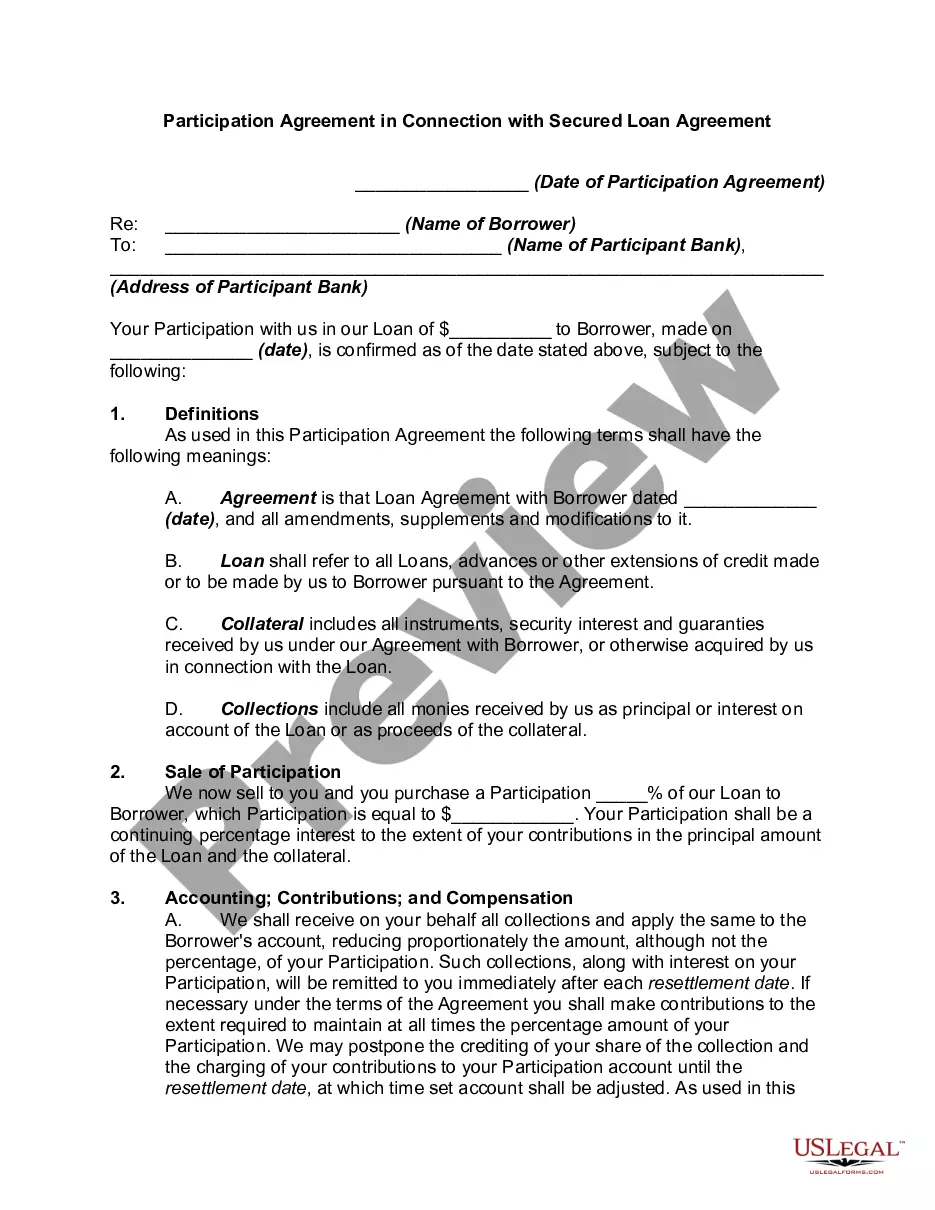
Description
Get your form ready online
Our built-in tools help you complete, sign, share, and store your documents in one place.
Make edits, fill in missing information, and update formatting in US Legal Forms—just like you would in MS Word.
Download a copy, print it, send it by email, or mail it via USPS—whatever works best for your next step.
Sign and collect signatures with our SignNow integration. Send to multiple recipients, set reminders, and more. Go Premium to unlock E-Sign.
If this form requires notarization, complete it online through a secure video call—no need to meet a notary in person or wait for an appointment.
We protect your documents and personal data by following strict security and privacy standards.

Make edits, fill in missing information, and update formatting in US Legal Forms—just like you would in MS Word.

Download a copy, print it, send it by email, or mail it via USPS—whatever works best for your next step.

Sign and collect signatures with our SignNow integration. Send to multiple recipients, set reminders, and more. Go Premium to unlock E-Sign.

If this form requires notarization, complete it online through a secure video call—no need to meet a notary in person or wait for an appointment.

We protect your documents and personal data by following strict security and privacy standards.
Looking for another form?








Form popularity
FAQ
Can I File My LLC and Personal Taxes Separately? Yes, if your LLC is considered a corporation, then these taxes can be filed separately from your personal taxes. If your LLC is not considered a corporation, the taxes are to be filed with your personal taxes.
The twelve states that do not tax business personal property are: North Dakota. South Dakota. Ohio.
Sole business owners must also submit a Schedule C (Form 1040 or Form 1040-SR), Profit or Loss from Business. Additionally, partnerships must file an information return (Form 1065, U.S. Return of Partnership Income, and Form 965-A, Individual Report of Net 965 Tax Liability).
Where to Report Personal Property on Your Taxes. Claim the itemized deduction on Schedule A – State and local personal property taxes (Line 5c). Taxes you deduct elsewhere on your return — like for a home office or rental — don't qualify for this deduction.
Income tax forms Sole business owners must also submit a Schedule C (Form 1040 or Form 1040-SR), Profit or Loss from Business. Additionally, partnerships must file an information return (Form 1065, U.S. Return of Partnership Income, and Form 965-A, Individual Report of Net 965 Tax Liability).
To file your annual income tax return, you will need to use Schedule C (Form 1040), Profit or Loss from Business (Sole Proprietorship), to report any income or loss from a business you operated or profession you practiced as a sole proprietor, or gig work performed.
Single-Member LLCs in Ohio: The LLC itself usually doesn't file a state-level return. However, the owner files a personal state-level return that includes the LLC's profits or losses. Multi-Member LLCs in Ohio: The LLC itself may need to file a Partnership return at the state-level.
How you file your business taxes with the IRS depends on your business's structure. Some structures, like corporations, must file their business taxes separately from their personal taxes. Other structures, like sole proprietorships, must report their business income on their personal taxes.
Include the income from the business on your Form 1040, U.S. Individual Income Tax Return and the appropriate schedule(s): Schedule C (Form 1040), Profit or Loss from Business (Sole Proprietorship); Schedule E (Form 1040), Supplemental Income and Loss; and/or Schedule SE (Form 1040), Self-Employment Tax.

