Property Sold Our With Vacant Possession In Nassau
Description
Get your form ready online
Our built-in tools help you complete, sign, share, and store your documents in one place.
Make edits, fill in missing information, and update formatting in US Legal Forms—just like you would in MS Word.
Download a copy, print it, send it by email, or mail it via USPS—whatever works best for your next step.
Sign and collect signatures with our SignNow integration. Send to multiple recipients, set reminders, and more. Go Premium to unlock E-Sign.
If this form requires notarization, complete it online through a secure video call—no need to meet a notary in person or wait for an appointment.
We protect your documents and personal data by following strict security and privacy standards.

Make edits, fill in missing information, and update formatting in US Legal Forms—just like you would in MS Word.

Download a copy, print it, send it by email, or mail it via USPS—whatever works best for your next step.

Sign and collect signatures with our SignNow integration. Send to multiple recipients, set reminders, and more. Go Premium to unlock E-Sign.

If this form requires notarization, complete it online through a secure video call—no need to meet a notary in person or wait for an appointment.

We protect your documents and personal data by following strict security and privacy standards.
Looking for another form?



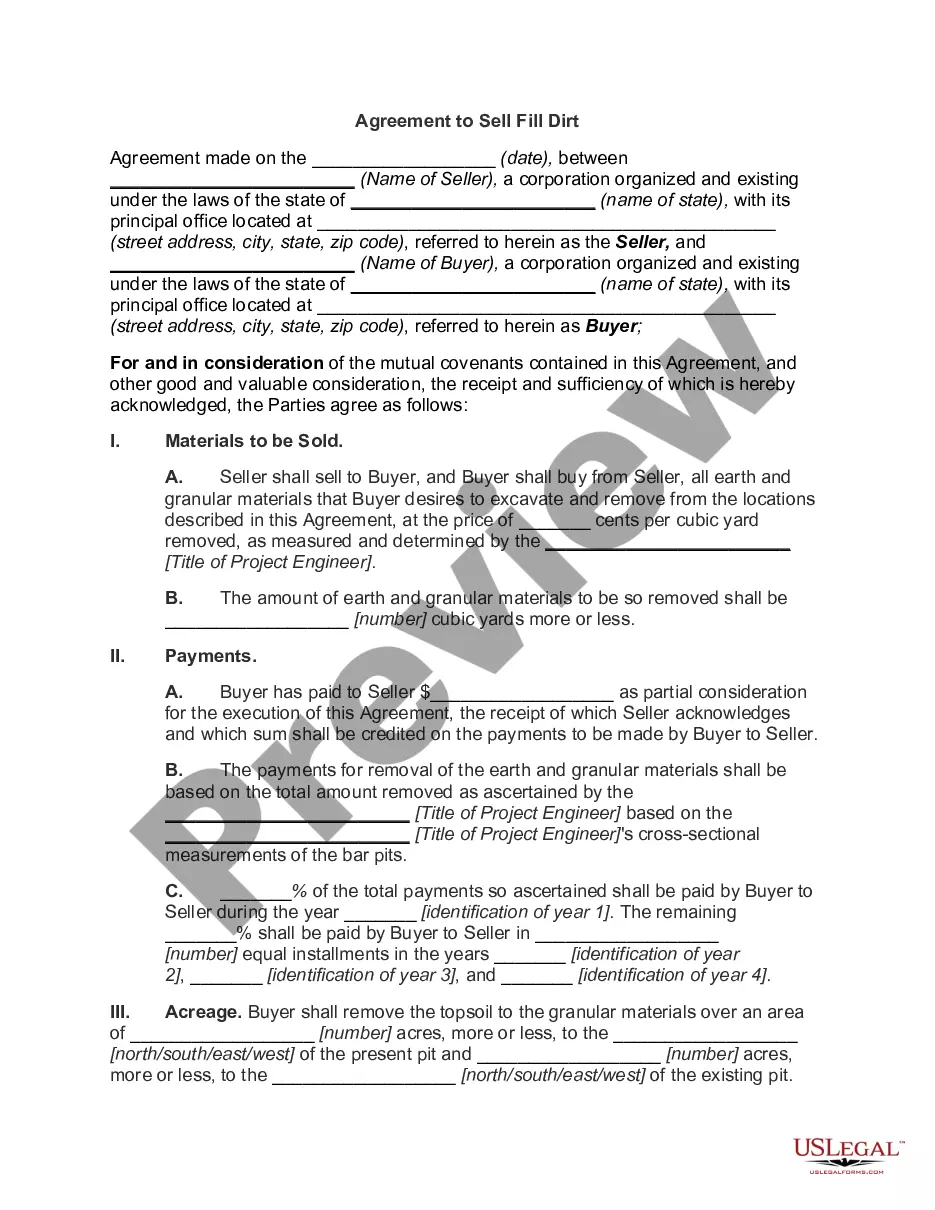
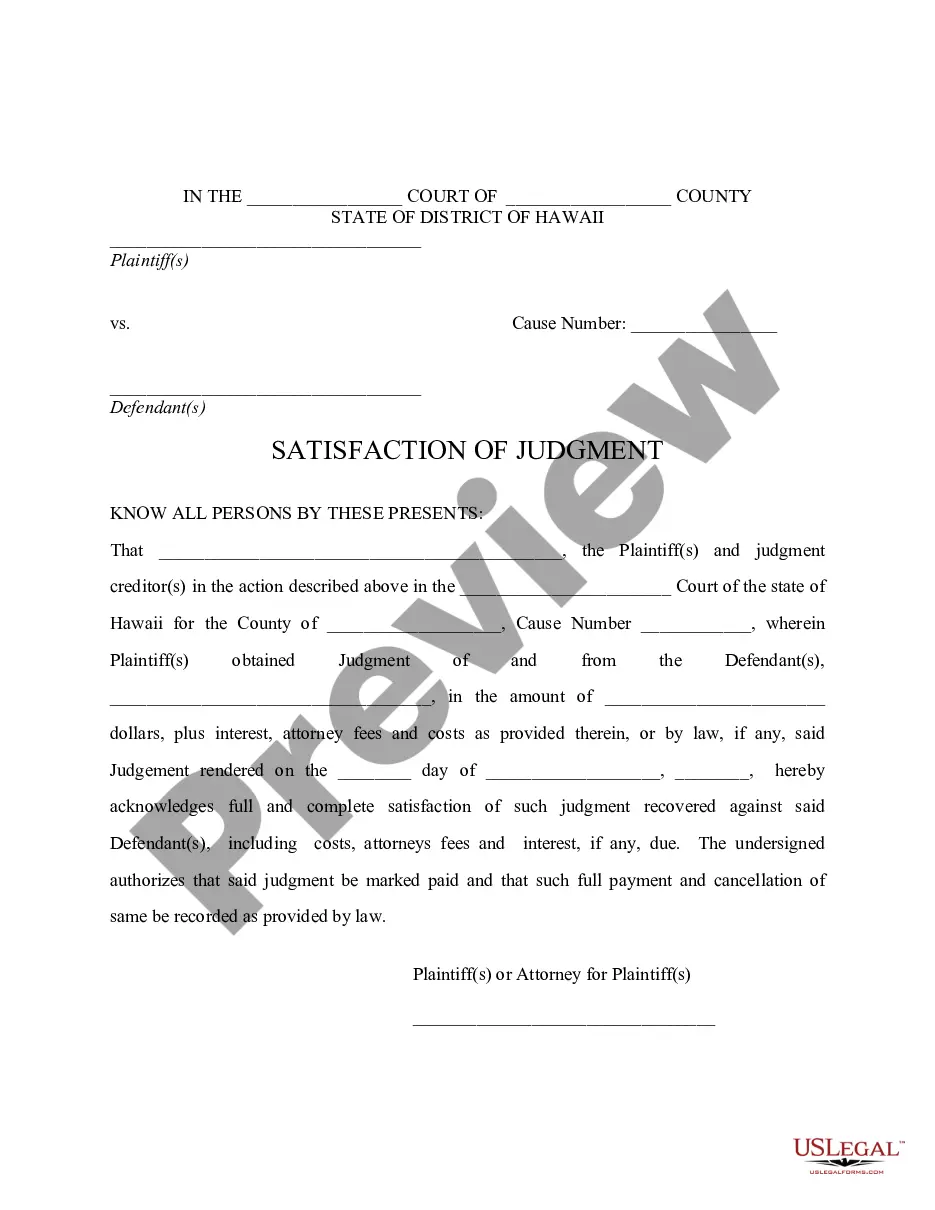


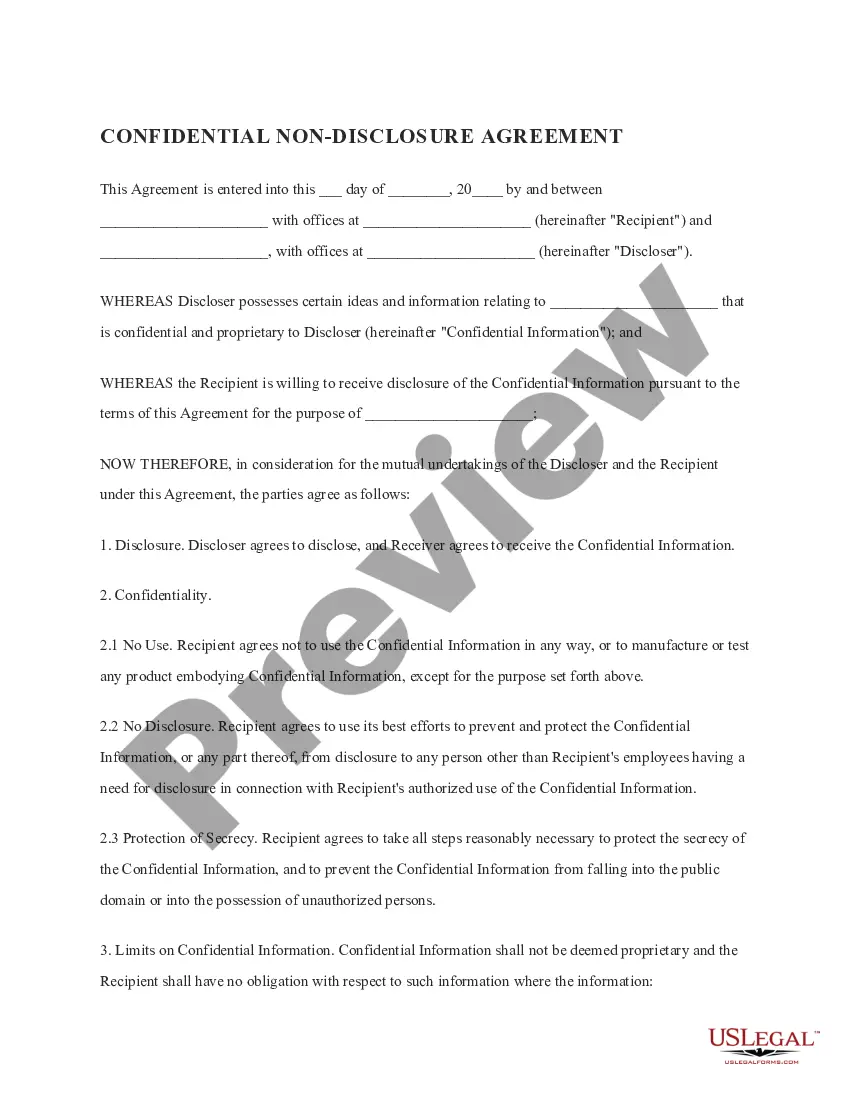

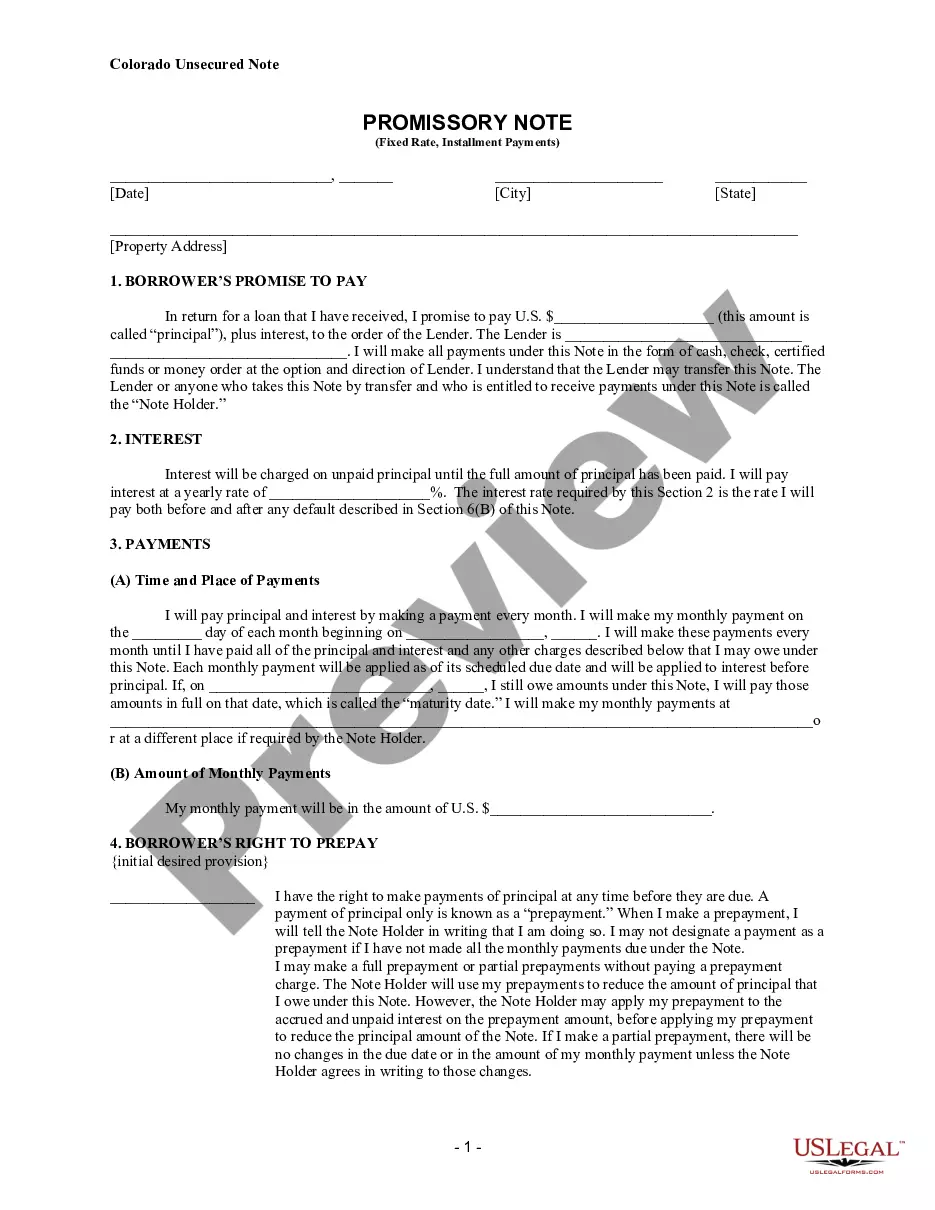
Form popularity
FAQ
The property is deemed to be vacant and abandoned if, after three consecutive inspections, the mortgagee finds that: No occupant was present and there was no evidence of occupancy at the property. Basic maintenance work is not being performed.
Yes, you may be able to buy an abandoned house, though the process can be more complicated than purchasing a traditional property. Some abandoned properties may indeed present a worthwhile financial opportunity, but they may also pose potential risks and challenges.
You can look for bank-owned properties online, attend property auctions and ask your local tax collector for a list of abandoned properties. You can also work with a real estate agent who may be able to help find the right opportunities.
Contacting an experienced real estate agent who can help you find available properties and help you navigate the purchasing process. Finding local property auctions through your county clerk, as many abandoned homes end up at county auctions or sheriff's sales.
Vacant is a term used to describe both (1) empty, unclaimed, and/or unoccupied real property and (2) an abandoned estate, which refers to an estate that has no heirs or claimants. It is often used in property law.
Steps Make sure it's actually abandoned. Just because a house is vacant or appears run-down doesn't necessarily mean it's abandoned. Find out who owns the property. Contact the record owner. Make the owner an offer. Attempt adverse possession.
It is possible to take ownership of an abandoned house. Adverse possession, or squatter's rights, is a complex legal process that involves claiming ownership of an abandoned property. It requires understanding the specific laws and procedures in your jurisdiction, as well as demonstrating good faith and paying taxes.
Entering an abandoned building without permission is typically illegal. At a minimum, you could potentially be charged with trespassing. If you enter with the intent to steal or vandalize the property, you could be charged with the more serious crime of burglary.
Squatting is the action of occupying an abandoned or unoccupied area of land or a building, usually residential that the squatter does not own, rent or otherwise have lawful permission to use. The United Nations estimated in 2003 that there were one billion slum residents and squatters globally.

