Stockholders Meeting Resolutions Withdrawal In San Jose
Description
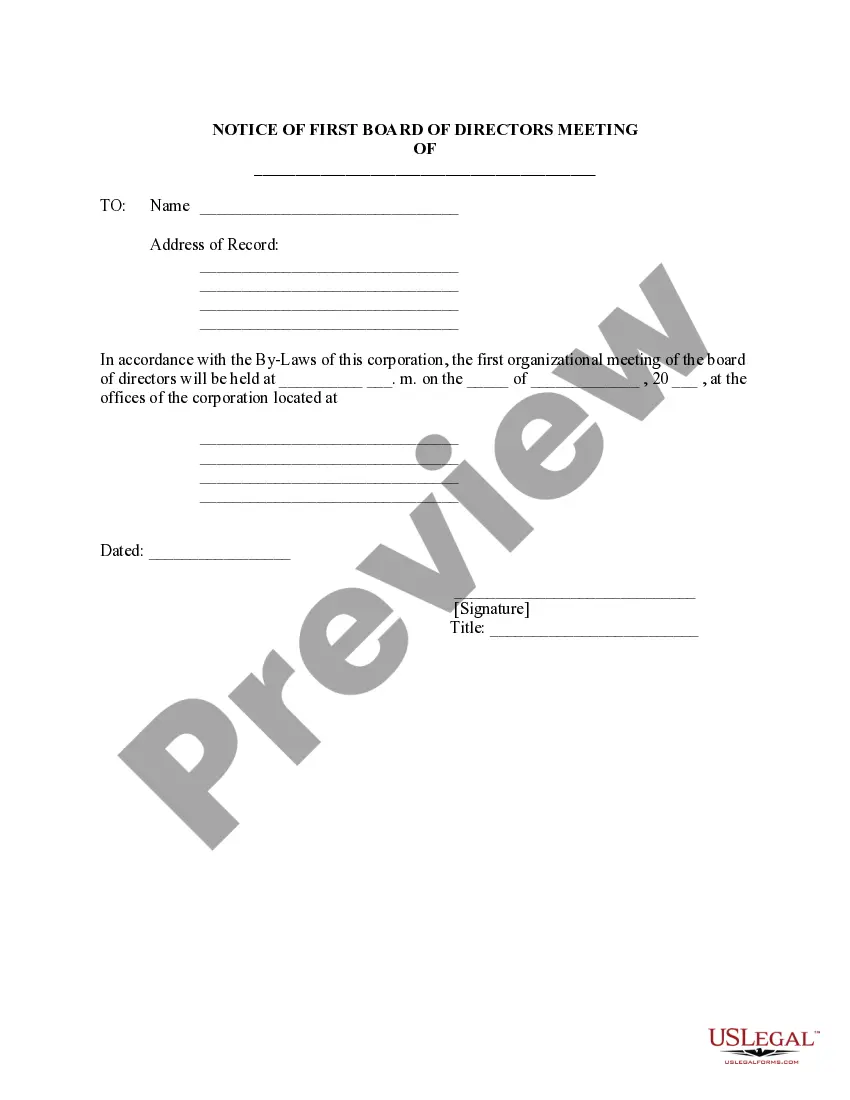


Get your form ready online
Our built-in tools help you complete, sign, share, and store your documents in one place.
Make edits, fill in missing information, and update formatting in US Legal Forms—just like you would in MS Word.
Download a copy, print it, send it by email, or mail it via USPS—whatever works best for your next step.
Sign and collect signatures with our SignNow integration. Send to multiple recipients, set reminders, and more. Go Premium to unlock E-Sign.
If this form requires notarization, complete it online through a secure video call—no need to meet a notary in person or wait for an appointment.
We protect your documents and personal data by following strict security and privacy standards.

Make edits, fill in missing information, and update formatting in US Legal Forms—just like you would in MS Word.

Download a copy, print it, send it by email, or mail it via USPS—whatever works best for your next step.

Sign and collect signatures with our SignNow integration. Send to multiple recipients, set reminders, and more. Go Premium to unlock E-Sign.

If this form requires notarization, complete it online through a secure video call—no need to meet a notary in person or wait for an appointment.

We protect your documents and personal data by following strict security and privacy standards.
Looking for another form?
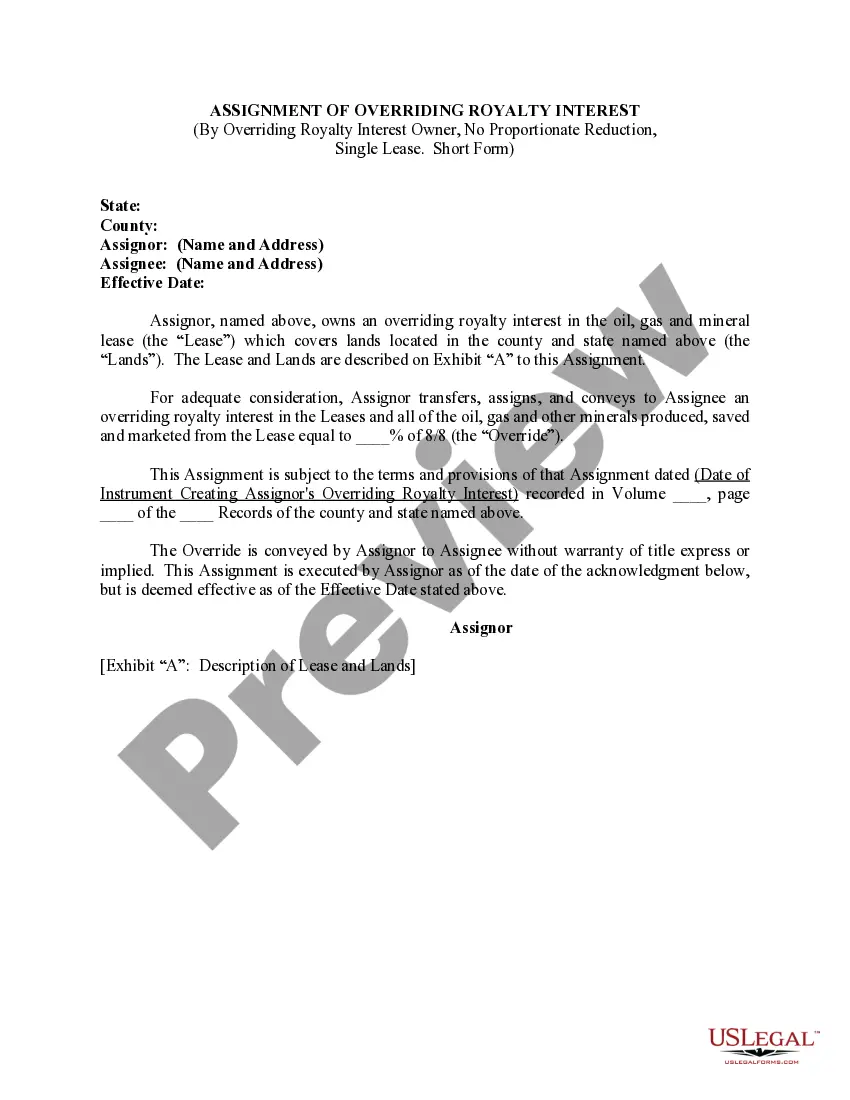




Form popularity
FAQ
This blog will detail how to remove one or more owners from an existing company. Review Operating Agreement. Hold a Meeting. Vote on the Removal. Provide a Notice of Removal. Resolve Any Outstanding Issues.
A shareholder, even a majority shareholder, may be removed in the case of a fiduciary breach, or any breach of the shareholder agreement. This could be a legal offence or otherwise. In any such case, the very first step is to retain legal counsel, and consider the options.
If the shareholder agreement contains a buyout clause, exiting officers may be entitled to sell off their shares to the other shareholders. Every shareholder agreement should contain a plan in case of a shareholder's departure. This will help to prevent misunderstandings and avoid litigation.
How to remove a shareholder Refer to the shareholders' agreement. A shareholders' agreement outlines the rights and obligations of each shareholder in an organization. Consult professionals. Claim majority. Negotiate. Create a noncompete agreement.
How to remove a shareholder Refer to the shareholders' agreement. A shareholders' agreement outlines the rights and obligations of each shareholder in an organization. Consult professionals. Claim majority. Negotiate. Create a noncompete agreement.
A shareholder in a listed company on a stock exchange merely needs to place his or her shares for sale with the appropriate agency to exit his/her investment. This is a very straightforward transaction which occurs almost instantaneously and allows a shareholder to exit his or her interest in that company.
Create a Removal Resolution In case of involuntarily removing, the Board of Directors must create and put forward a resolution for the removal. This requires a 75% majority vote to approve and in such a situation, the concerned shareholder can own up to 25% of the business.
If a resolution which has been admitted is not taken up for discussion in the House during the session, it shall be deemed to have been withdrawn.
Under the OBCA, a resolution in writing covering matters to be dealt with at a meeting of shareholders by ordinary resolution, signed by a majority of the shares is valid, provided that minority shareholders who do not sign the resolution receive the required notice within 10 days after the resolution is passed.
A Revoking Resolution may only be adopted before the earlier to occur of (i) execution and delivery of a definitive binding agreement providing for a Change in Control that is concurrently or subsequently consummated, and (ii) a duly adopted resolution of the Company's board of directors or any committee thereof ...

