Complaint Responsibility File For Hostile Work Environment In Michigan
Description

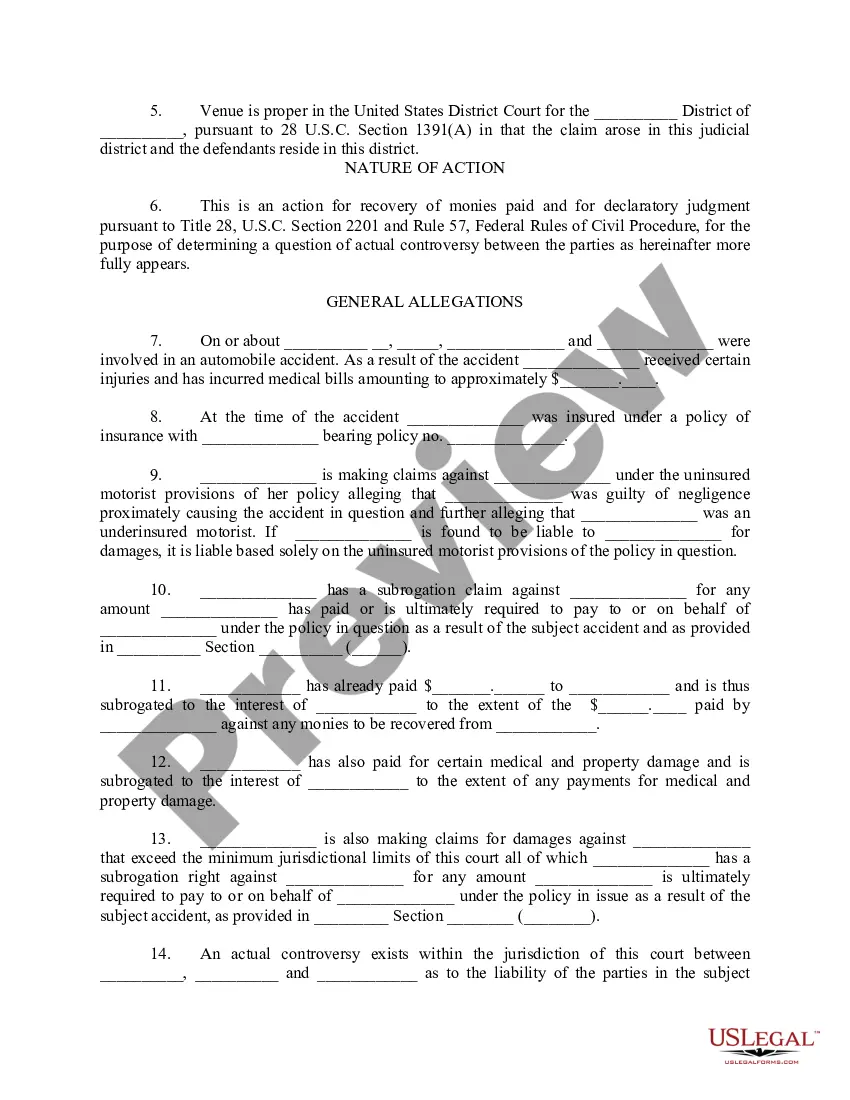



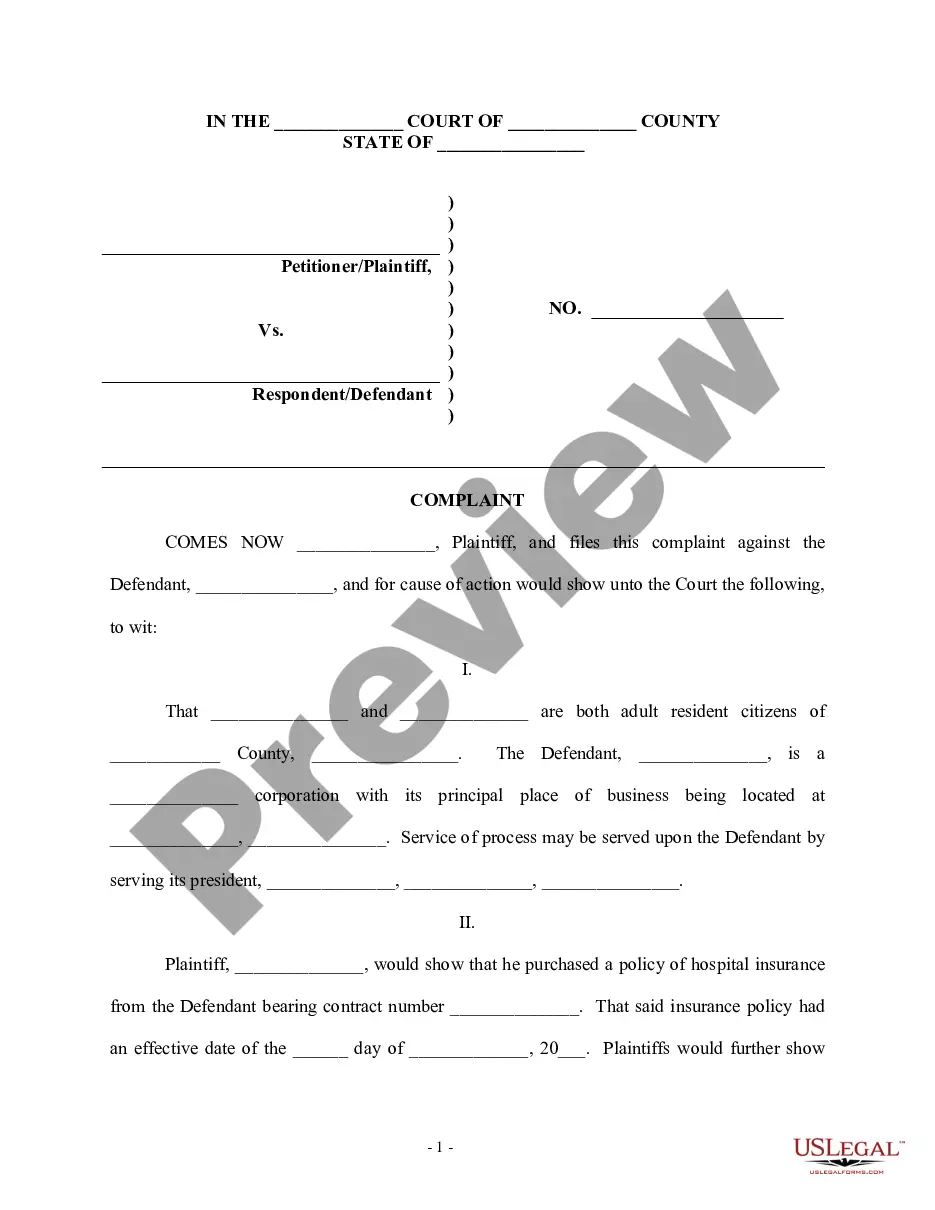
Get your form ready online
Our built-in tools help you complete, sign, share, and store your documents in one place.
Make edits, fill in missing information, and update formatting in US Legal Forms—just like you would in MS Word.
Download a copy, print it, send it by email, or mail it via USPS—whatever works best for your next step.
Sign and collect signatures with our SignNow integration. Send to multiple recipients, set reminders, and more. Go Premium to unlock E-Sign.
If this form requires notarization, complete it online through a secure video call—no need to meet a notary in person or wait for an appointment.
We protect your documents and personal data by following strict security and privacy standards.

Make edits, fill in missing information, and update formatting in US Legal Forms—just like you would in MS Word.

Download a copy, print it, send it by email, or mail it via USPS—whatever works best for your next step.

Sign and collect signatures with our SignNow integration. Send to multiple recipients, set reminders, and more. Go Premium to unlock E-Sign.

If this form requires notarization, complete it online through a secure video call—no need to meet a notary in person or wait for an appointment.

We protect your documents and personal data by following strict security and privacy standards.
Looking for another form?
Form popularity
FAQ
If a person's employer fails to take action to stop the harassment, a person may then want to consider a hostile work environment lawsuit. Making sure that the employer knows about the harassment or should have known is a necessary prerequisite to filing a claim.
A hostile work environment is a workplace where an employee feels uncomfortable, intimidated, or harassed due to their race, gender, sexual orientation, religion, age, or any other protected characteristic. This can include verbal or physical harassment, such as offensive jokes, slurs, or physical touching.
How hard is it to win a hostile work environment lawsuit? Winning a hostile work environment lawsuit can be challenging because the law requires you to show that the harassing behavior was both serious and ongoing enough to affect your job.
Furthermore, to prove a hostile work environment, employees must provide evidence that their employer failed to take action after the employee reported work environment concerns. Acceptable evidence includes documentation (emails or messages), incident reports, or potential witnesses.
Under Michigan law, if the offender is a coworker or a boss, the employee must notify the company through a sexual harassment hotline, make a complaint through a human resources department, or contact the owner to give the company a chance to resolve the problem.
To state a claim for a hostile work environment under FEHA, a plaintiff must allege facts demonstrating that (1) he or she is a member of a protected class, (2) he or she was subjected to unwelcome acts, comments, or physical conduct because of the protected characteristic, (3) such conduct was sufficiently severe or ...
Harassment that is based on a characteristic protected by the law is prohibited by federal and Michigan statutes. To be successful on a hostile work environment claim, an employee must prove: 1.) the employee belonged to a protected class; 2.) the employee was subjected to unwelcomed harassment; 3.)
To have a boss that yells or makes employees cry is not an uncommon phenomenon in the United States, and the law does not prevent it–except when the motivation is discriminatory. A hostile work environment, in the legal sense, is a workplace made hostile because of a person's gender, race, and/or disability.
