Shareholder Resolution Requirements In Clark
Description
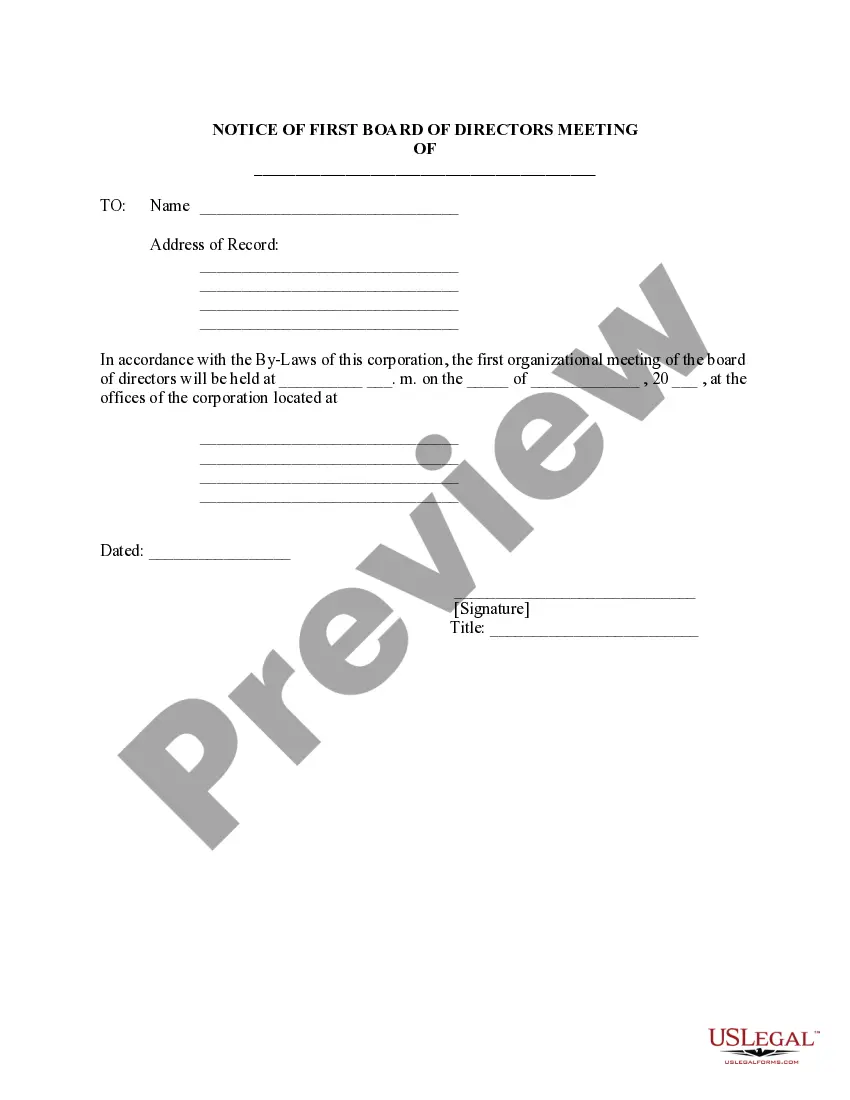


Get your form ready online
Our built-in tools help you complete, sign, share, and store your documents in one place.
Make edits, fill in missing information, and update formatting in US Legal Forms—just like you would in MS Word.
Download a copy, print it, send it by email, or mail it via USPS—whatever works best for your next step.
Sign and collect signatures with our SignNow integration. Send to multiple recipients, set reminders, and more. Go Premium to unlock E-Sign.
If this form requires notarization, complete it online through a secure video call—no need to meet a notary in person or wait for an appointment.
We protect your documents and personal data by following strict security and privacy standards.

Make edits, fill in missing information, and update formatting in US Legal Forms—just like you would in MS Word.

Download a copy, print it, send it by email, or mail it via USPS—whatever works best for your next step.

Sign and collect signatures with our SignNow integration. Send to multiple recipients, set reminders, and more. Go Premium to unlock E-Sign.

If this form requires notarization, complete it online through a secure video call—no need to meet a notary in person or wait for an appointment.

We protect your documents and personal data by following strict security and privacy standards.
Looking for another form?



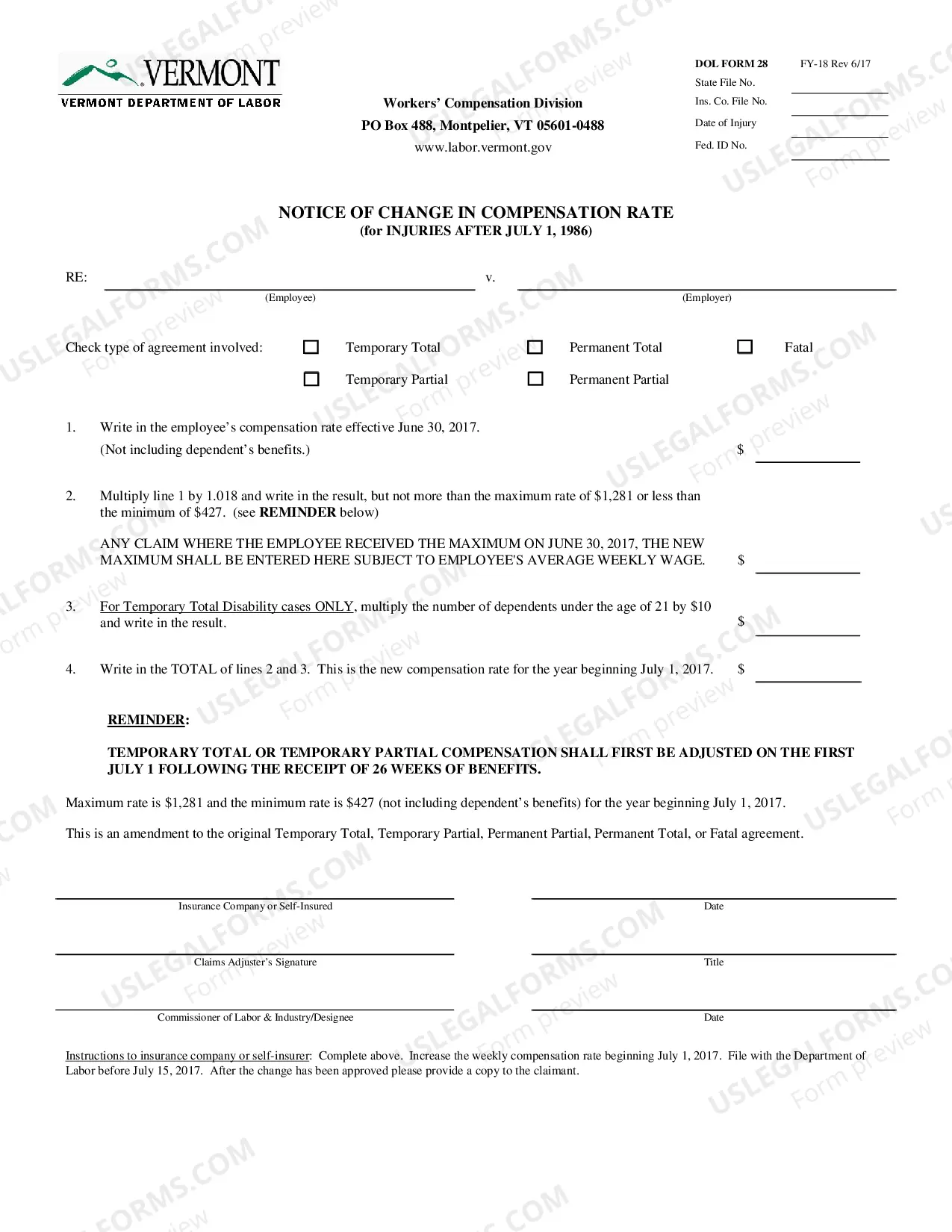



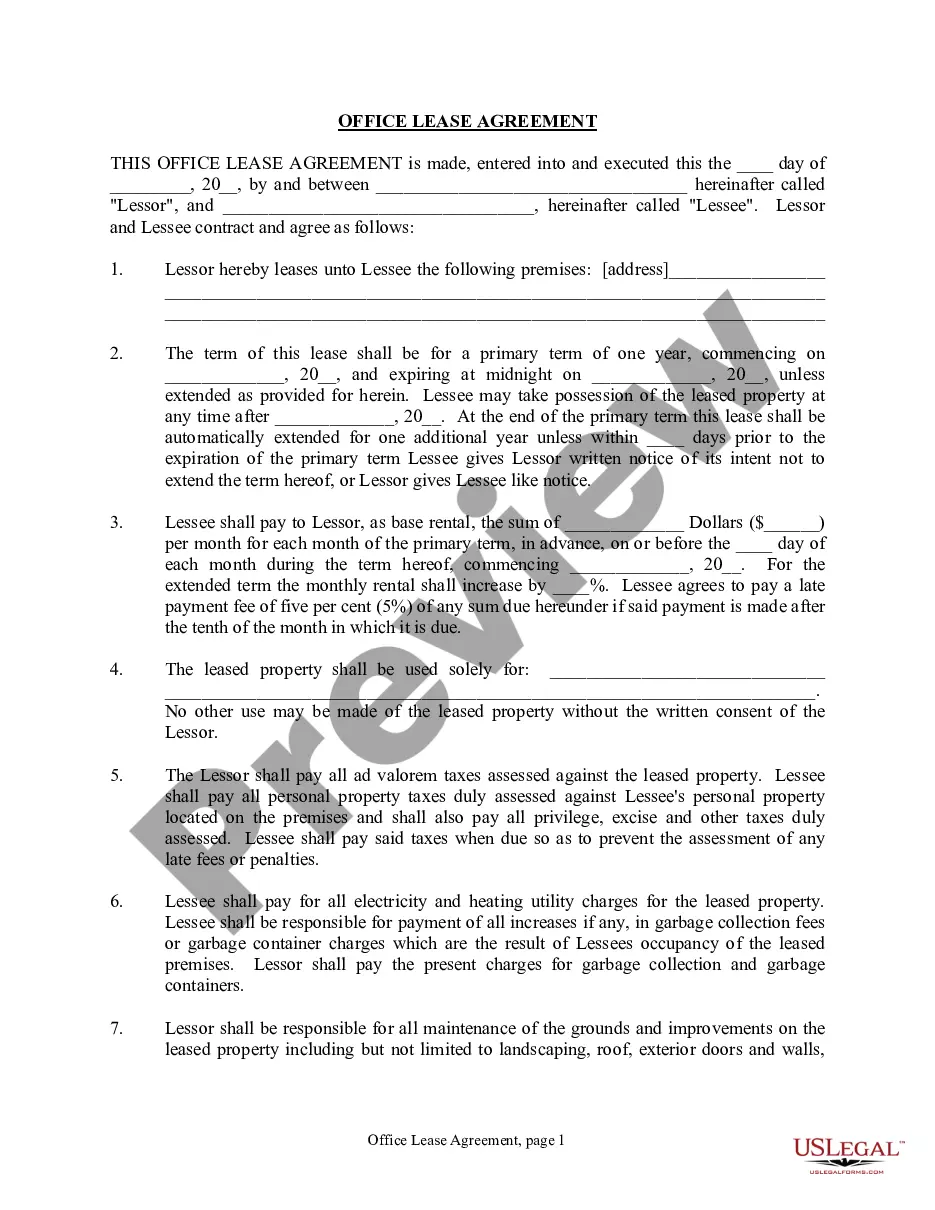

Form popularity
FAQ
A shareholder resolution is a 500 word request submitted to a company by a shareholder asking the company to address an issue of concern. Resolutions are a powerful way to encourage corporate responsibility and discourage practices that are unsustainable, unethical, or increase exposure to risk.
You usually need to get directors or entitled shareholders to vote (known as 'passing a resolution') on whether or not to make some changes. Things that usually need a resolution include: changing your company name. removing a director.
For some companies, the existing shareholders may also need to pass a special resolution to waive their right to pre-emption on the transfer of shares. When the transfer is complete, the director(s) must provide a copy of the stock transfer form to the transferor and transferee.
A special resolution is a method of passing a company decision that requires at least 75% of the votes cast by shareholders to be in favour of it.
In the context of a legislative practice, “resolution” is just a form in which a legislative body expresses an opinion or a purpose with respect to a given matter or topic that is temporary in nature. It denotes the adoption of a motion, the subject-matter of which does not constitute a statute.
Generally speaking, the directors of a company may currently only allot shares (or grant rights to subscribe for shares or to convert any security into shares) if they are authorised to do so by ordinary resolution of the company's members or by the articles.
If a company wishes to issue additional shares to a new shareholder, all existing shareholders within the company must pass a special board resolution to that effect.
Changes to the company's share structure typically require a special resolution of shareholders. For example, issuing preference shares will require a special resolution. Preference shareholders get priority over ordinary shareholders if the company goes into liquidation.
A resolution has two parts: the heading and the body. The heading is the administrative/organizational portion of a resolution and contains the name of the committee, the topic, and the names of the sponsoring countries, the countries that are signatories, and the committee code.

