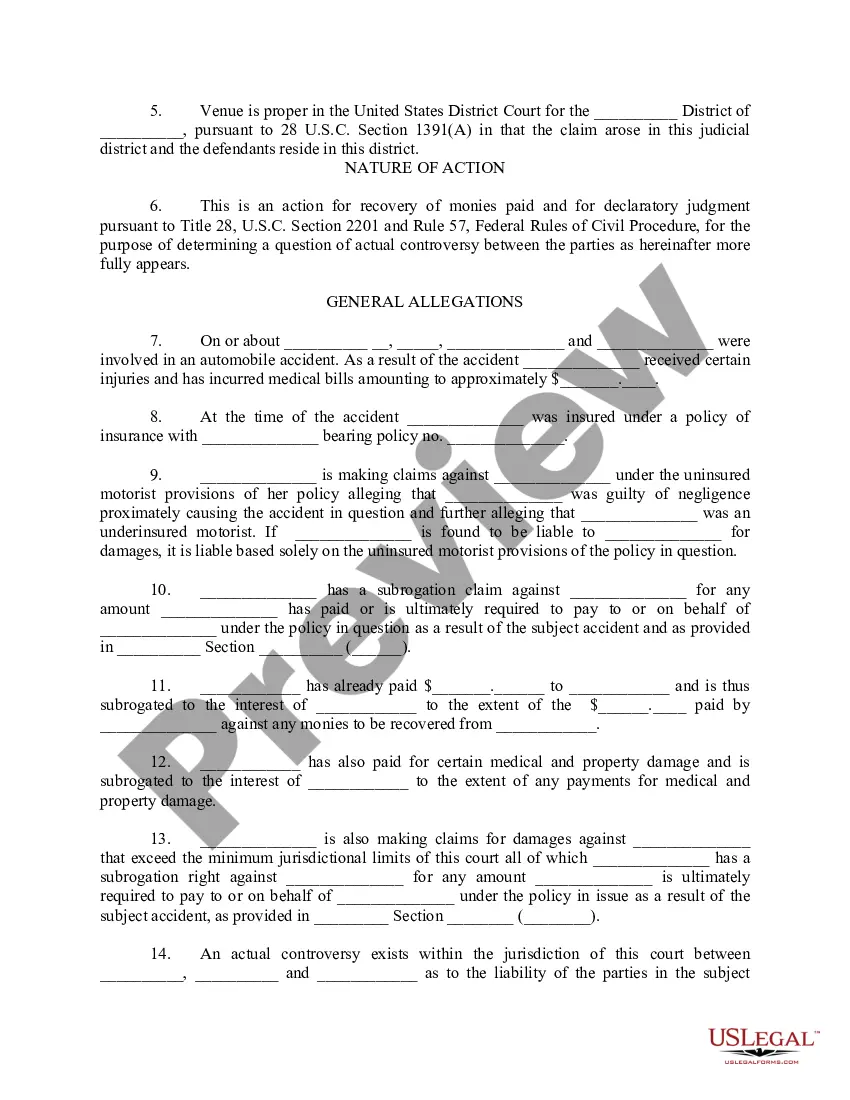
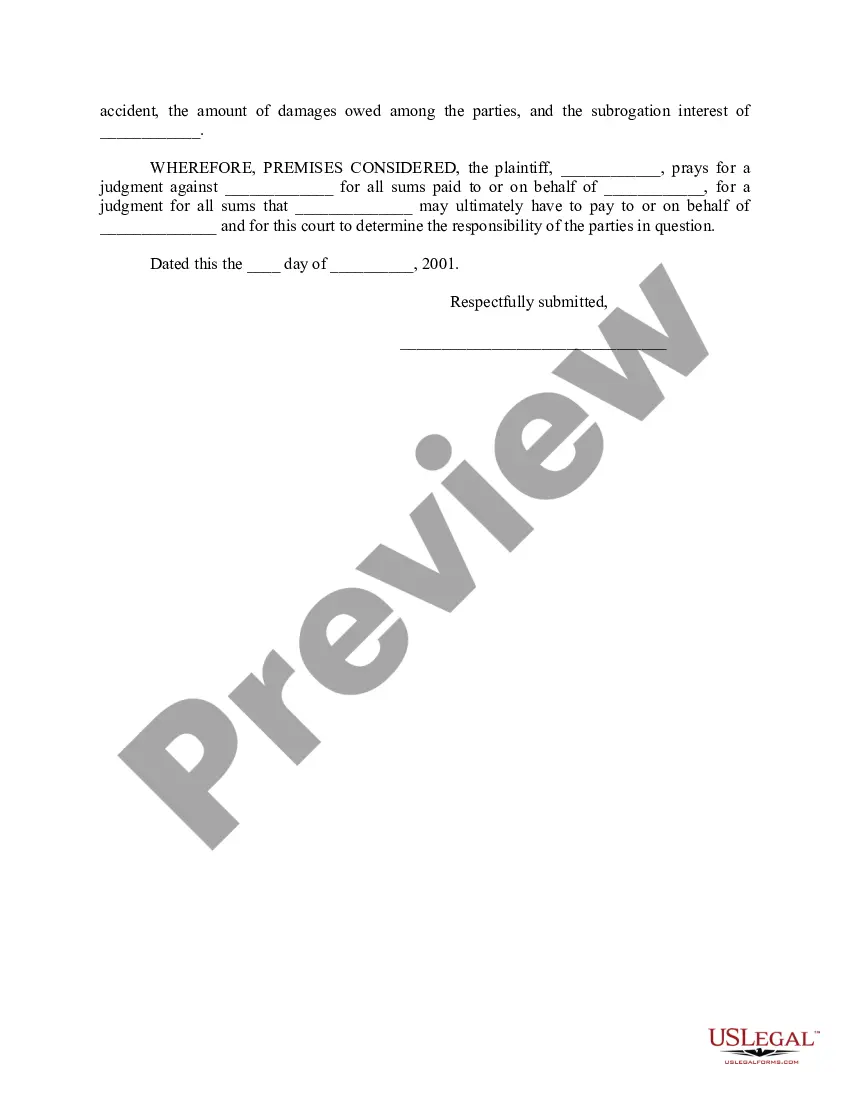
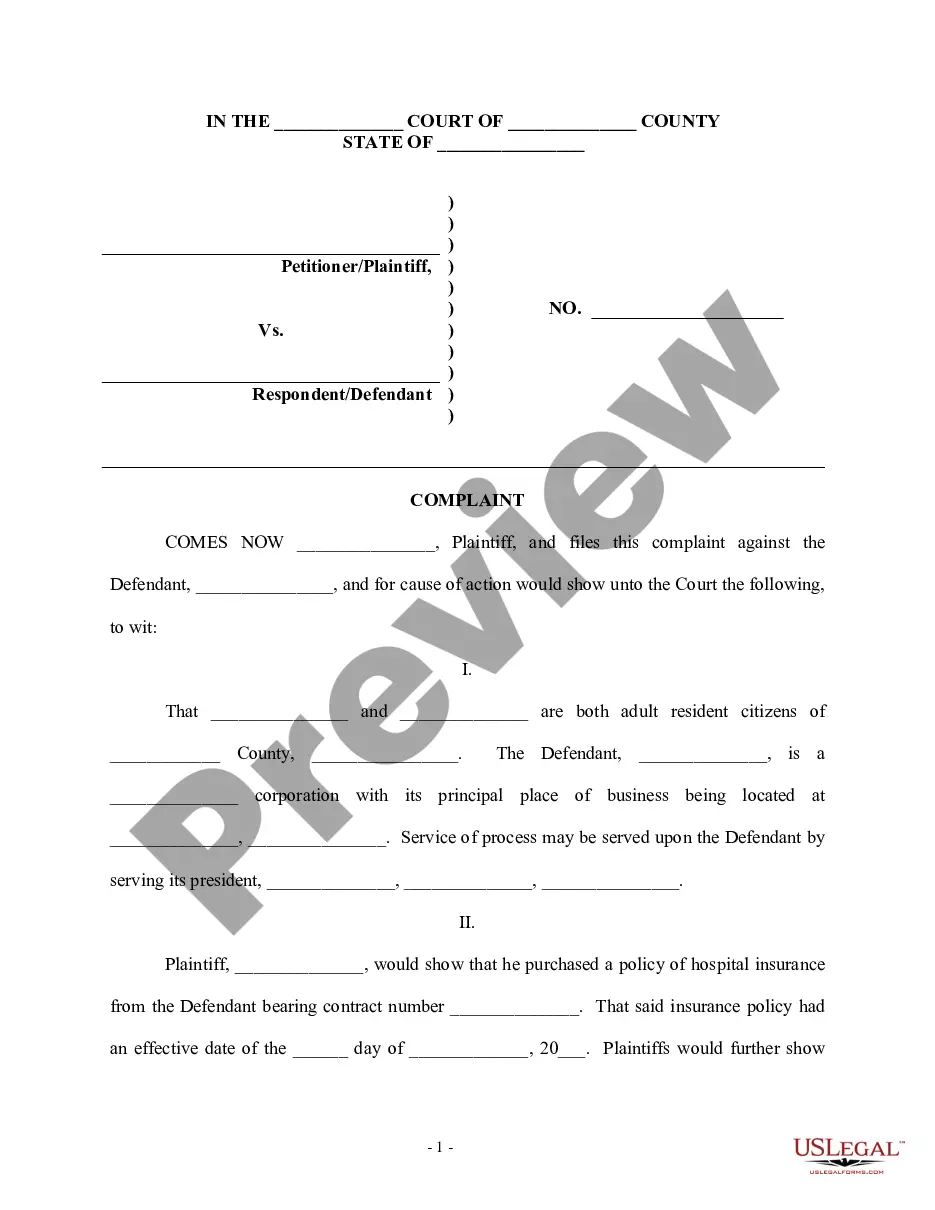
Complaint Responsibility File For Lost Mobile In North Carolina
Description




Get your form ready online
Our built-in tools help you complete, sign, share, and store your documents in one place.
Make edits, fill in missing information, and update formatting in US Legal Forms—just like you would in MS Word.
Download a copy, print it, send it by email, or mail it via USPS—whatever works best for your next step.
Sign and collect signatures with our SignNow integration. Send to multiple recipients, set reminders, and more. Go Premium to unlock E-Sign.
If this form requires notarization, complete it online through a secure video call—no need to meet a notary in person or wait for an appointment.
We protect your documents and personal data by following strict security and privacy standards.

Make edits, fill in missing information, and update formatting in US Legal Forms—just like you would in MS Word.

Download a copy, print it, send it by email, or mail it via USPS—whatever works best for your next step.

Sign and collect signatures with our SignNow integration. Send to multiple recipients, set reminders, and more. Go Premium to unlock E-Sign.

If this form requires notarization, complete it online through a secure video call—no need to meet a notary in person or wait for an appointment.

We protect your documents and personal data by following strict security and privacy standards.
Looking for another form?



Form popularity
FAQ
North Carolina Consumer Protection Act (NCCPA): The cornerstone of consumer protection in North Carolina is the North Carolina Consumer Protection Act (NCCPA). This legislative act prohibits unfair and deceptive trade practices, such as false advertising, fraudulent schemes, and deceptive business practices.
I have a problem with a business. Where can I get help? You may wish to file a consumer complaint with the North Carolina Consumer Protection Division. You can file a complaint online or call 1-877-5-NO-SCAM for assistance.
Customers or clients may file a complaint using the NC DSS Civil Rights Complaint Form. Please fill out the form and provide a copy to the local county DSS Title VI Compliance Officer. To protect your rights you must file a complaint within 180 days of the date you believe you or someone else was treated unfairly.
The granddaddy of consumer protection statutes in North Carolina is Chapter 75, which prohibits “Unfair methods of competition in or affecting commerce, and unfair or deceptive acts or practices in or affecting commerce. N.C.G.S. § 75- 1.1(a).
- Whenever a party has the right to do some act or take some proceedings within a prescribed period after the service of a notice or other paper upon him and the notice or paper is served upon him by mail, three days shall be added to the prescribed period.
Consumer protection laws are made to protect consumers from fraudulent business practices, defective products, and dangerous goods and services. They play an important role in a reliable market economy, helping to keep sellers honest with no threat of unpleasant surprises.
You may wish to file a consumer complaint with the North Carolina Consumer Protection Division. You can file a complaint online or call 1-877-5-NO-SCAM for assistance.
The Attorney General: Represents all state government departments, agencies and commissions in legal matters. Provides legal opinions to the General Assembly, the Governor, or any other public official when requested.
The cornerstone of consumer protection in North Carolina is the North Carolina Consumer Protection Act (NCCPA). This legislative act prohibits unfair and deceptive trade practices, such as false advertising, fraudulent schemes, and deceptive business practices.
