Corporation First Meeting For New Manager In Clark
Description
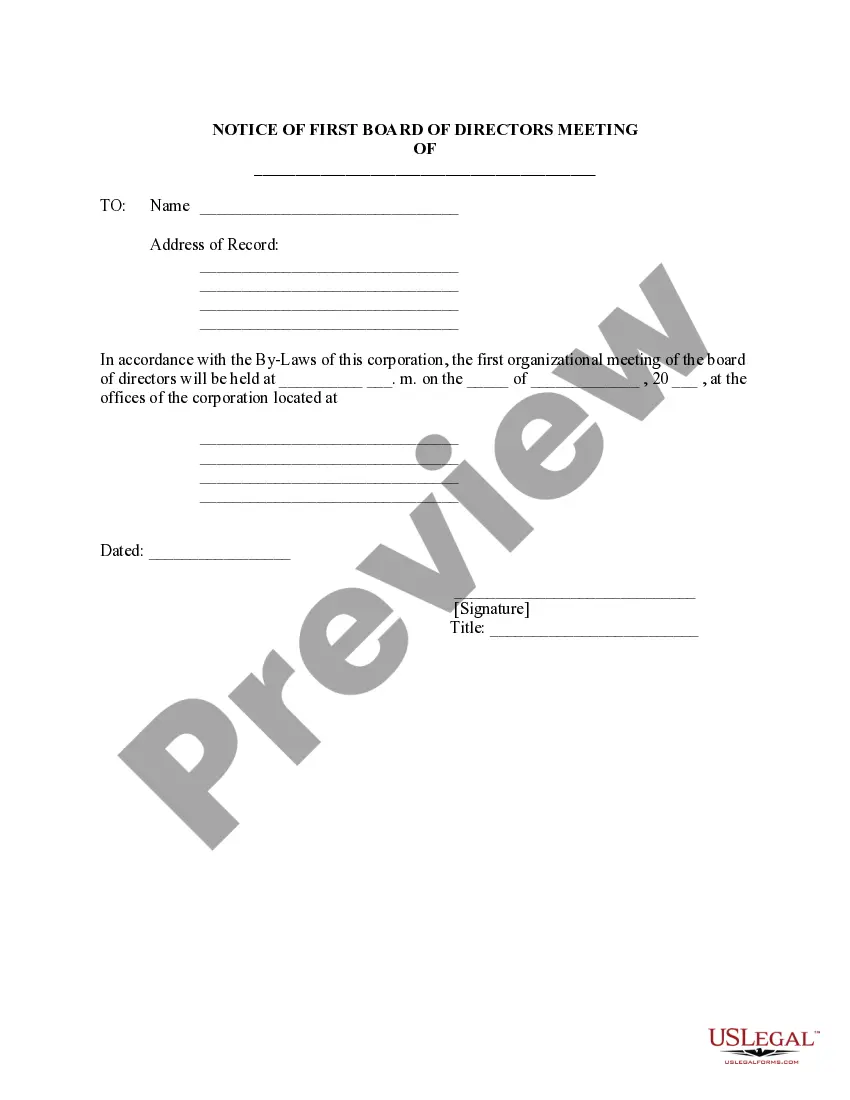


Get your form ready online
Our built-in tools help you complete, sign, share, and store your documents in one place.
Make edits, fill in missing information, and update formatting in US Legal Forms—just like you would in MS Word.
Download a copy, print it, send it by email, or mail it via USPS—whatever works best for your next step.
Sign and collect signatures with our SignNow integration. Send to multiple recipients, set reminders, and more. Go Premium to unlock E-Sign.
If this form requires notarization, complete it online through a secure video call—no need to meet a notary in person or wait for an appointment.
We protect your documents and personal data by following strict security and privacy standards.

Make edits, fill in missing information, and update formatting in US Legal Forms—just like you would in MS Word.

Download a copy, print it, send it by email, or mail it via USPS—whatever works best for your next step.

Sign and collect signatures with our SignNow integration. Send to multiple recipients, set reminders, and more. Go Premium to unlock E-Sign.

If this form requires notarization, complete it online through a secure video call—no need to meet a notary in person or wait for an appointment.

We protect your documents and personal data by following strict security and privacy standards.
Looking for another form?







Form popularity
FAQ
Incorporating with one person is called a single-member or one-person corporation. You will be the sole shareholder, the director, and the officer.
Although actual requirements can vary depending on the state, they typically involve the following: Select a state of incorporation. Choose a business name. File incorporation paperwork. Appoint a registered agent. Prepare corporate bylaws. Draft a shareholders' agreement. Hold the first board meeting. Get an EIN.
Corporate bylaws are legally required in New York. Under NY Bus Corp L § 601, corporate bylaws “shall be adopted” by a company's incorporators. That means that in New York, you'll need to adopt bylaws to comply with the law.
Questions to Ask During Your First Meeting With a New Boss What would you like to know about me? What should I know about your leadership style or approach? What are your priorities? ... What would you like to see me accomplish in the next month/six months/year? What is your vision for the team?
My name is your name, and I'll be your new manager going forward. Before we get started, I'd like to briefly share a little bit about myself. Two quick personal facts that are relatable for your team. Your relevant experience–namely, how many years of experience you have and what you've done in the past.
How to request a lateral change Schedule a meeting. Request an in-person meeting with your manager. Explain your request. During your meeting, address that you want to move teams. Thank your manager. Reiterate that the request isn't personal, and thank them for meeting with you. Offer to help with next steps.
During the first team meeting as the new manager, you should discuss and establish ground rules for communication and collaboration. This might entail establishing a team chat channel, planning regular team meetings, or specifying how everyone can reach out to you for feedback.
Ingly. Remember it's not just a hello but an opportunity to let your team know you'reMoreingly. Remember it's not just a hello but an opportunity to let your team know you're approachable and eager to connect the next crucial step is scheduling a team. Meeting.
During your introduction, briefly share information about yourself, including how you began your career, what motivates you, and your goals. Consider adding personal details, such as hobbies or family time, to help make you more relatable. Sharing personal information with your team can also help you earn their trust.
During your introduction, briefly share information about yourself, including how you began your career, what motivates you, and your goals. Consider adding personal details, such as hobbies or family time, to help make you more relatable. Sharing personal information with your team can also help you earn their trust.

