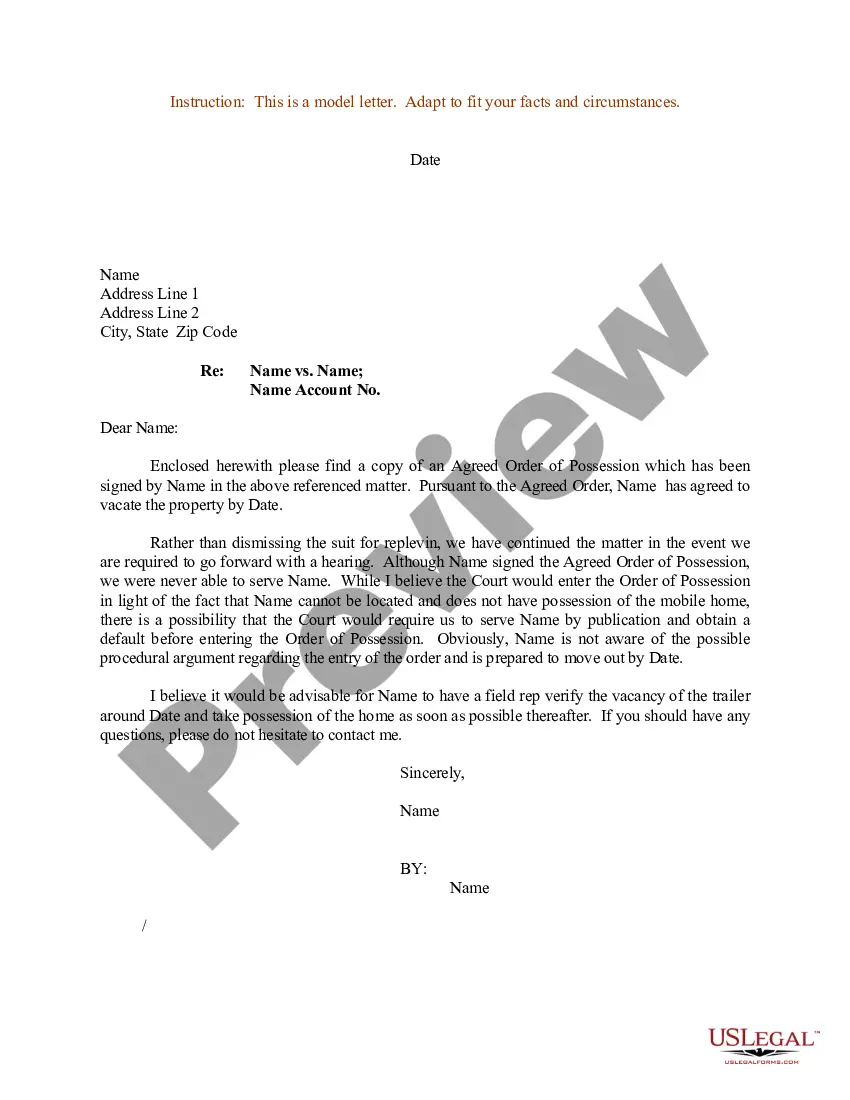
Court Letter Sample With Attention In Washington
Description



Get your form ready online
Our built-in tools help you complete, sign, share, and store your documents in one place.
Make edits, fill in missing information, and update formatting in US Legal Forms—just like you would in MS Word.
Download a copy, print it, send it by email, or mail it via USPS—whatever works best for your next step.
Sign and collect signatures with our SignNow integration. Send to multiple recipients, set reminders, and more. Go Premium to unlock E-Sign.
If this form requires notarization, complete it online through a secure video call—no need to meet a notary in person or wait for an appointment.
We protect your documents and personal data by following strict security and privacy standards.

Make edits, fill in missing information, and update formatting in US Legal Forms—just like you would in MS Word.

Download a copy, print it, send it by email, or mail it via USPS—whatever works best for your next step.

Sign and collect signatures with our SignNow integration. Send to multiple recipients, set reminders, and more. Go Premium to unlock E-Sign.

If this form requires notarization, complete it online through a secure video call—no need to meet a notary in person or wait for an appointment.

We protect your documents and personal data by following strict security and privacy standards.
Looking for another form?







Form popularity
FAQ
The 5 most common tips in writing an effective leniency letter to a judge include: write a clear introduction, introduce yourself and establish credibility, provide reasons for leniency, tell a story, and. provide contact information.
An effective court statement should include personal identification, detailed case information, relevant facts, supporting evidence, and maintain objectivity to ensure credibility and focus.
Tell the Facts About the Defendant You might want to talk about whether the defendant has expressed remorse for his/her actions and whether you believe he/she will re-offend. Your letter should contain specific details of your relationship with the defendant.
How to Write an Effective Letter of Support Specify what the collaborator(s)/consultant(s) will contribute to the research. Convince the reviewer that the collaborator(s)/consultant(s) will fulfill the request. Convey enthusiasm for the work. Lend credibility to your proposal.
Most letters have three parts: an opening statement that identifies the project/program where funds are being sought, one or two middle paragraphs that indicate the relationship of the writer to the effort seeking funding, and a closing statement. Be sure all your supporters address the same person at the same address.
Follow the order of this format, leaving a space in between each section: Your Information (first thing that goes on the inside of the letter) Name. The Date. The Judge's Information. Honorable Judge First Name Last Name. What the Letter Is Going to Address. Salutation. Body. Signature.
The letter should be addressed to the Judge, but mailed to the defendant's attorney. Who are you? ... Make it personal when describing the defendant's characteristics. Only talk about what you know. Be truthful. Never attack the victims or law enforcement. Never allow the defendant to write the letter for you.

