Court Letter Templates With Borders In Wake
Description


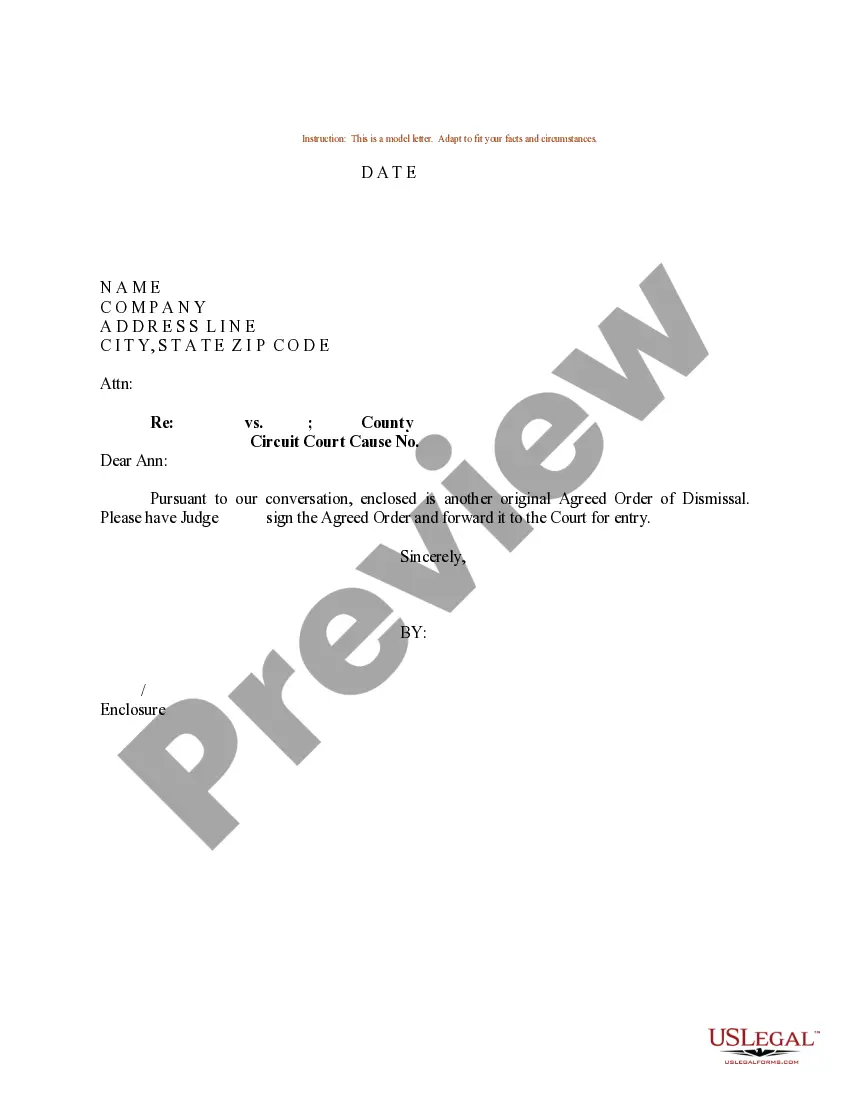
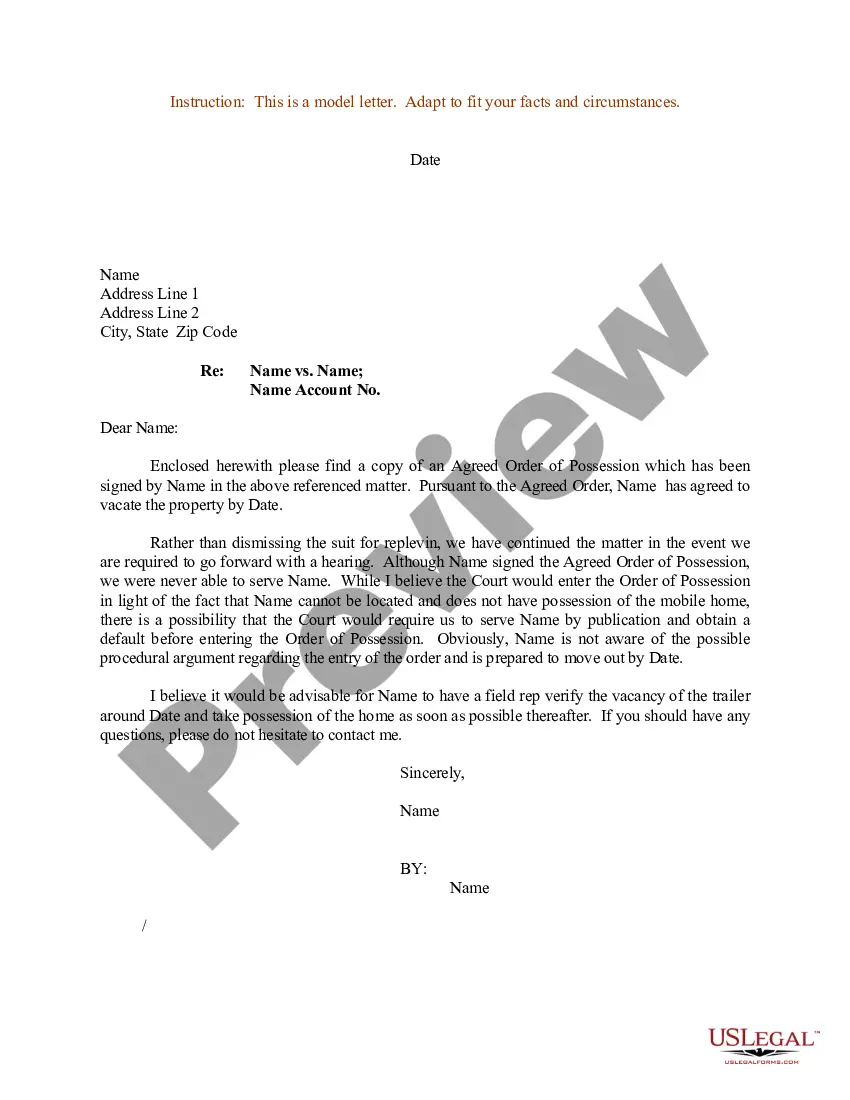
Get your form ready online
Our built-in tools help you complete, sign, share, and store your documents in one place.
Make edits, fill in missing information, and update formatting in US Legal Forms—just like you would in MS Word.
Download a copy, print it, send it by email, or mail it via USPS—whatever works best for your next step.
Sign and collect signatures with our SignNow integration. Send to multiple recipients, set reminders, and more. Go Premium to unlock E-Sign.
If this form requires notarization, complete it online through a secure video call—no need to meet a notary in person or wait for an appointment.
We protect your documents and personal data by following strict security and privacy standards.

Make edits, fill in missing information, and update formatting in US Legal Forms—just like you would in MS Word.

Download a copy, print it, send it by email, or mail it via USPS—whatever works best for your next step.

Sign and collect signatures with our SignNow integration. Send to multiple recipients, set reminders, and more. Go Premium to unlock E-Sign.

If this form requires notarization, complete it online through a secure video call—no need to meet a notary in person or wait for an appointment.

We protect your documents and personal data by following strict security and privacy standards.
Looking for another form?










Form popularity
FAQ
Legal documents already have a lot of legalese, so poor spacing can make it even more complicated. Most word-processing programs have automatic formatting for margins and spacing, but law firms can also set the margins manually. Ideally, the top margin should be two inches and the bottom margin should be one inch.
The top, bottom, and right margins are required to be 1 inch, but the left margin can either be 1 inch or 1.25 inches. All body text, tables, figures, appendices content, and any copies of published chapters must fit within the required 1-inch margins on all sides.
Sample Format for a Character Letter First Paragraph: Explain who you are. Second Paragraph: Explain why you are writing the letter. Third Paragraph: Thank the court, and make your “ask.” State that you are available to confirm the facts in this letter as necessary.
All documents submitted to California courts must adhere to the standard 8.5 x 11 inches dimensions. This size applies regardless of whether the document is filed electronically or in hard copy.
The sections of a legal business letter are: Sender's address (if not included in the letterhead) Date of correspondence. Recipient's address. Caption (RE: Topic of the correspondence) Salutation. Introduction. Body of letter (Limited to two or three points, each in its own paragraph) Closing.
Comply With the Relevant Federal, State, and Local Rules. Research Before Writing. Allege Subject Matter Jurisdiction, Personal Jurisdiction, and Venue. Jurisdiction. Draft Concise and Plain Statement of the Facts. Factual Allegations. Draft Separate Counts for Each Legal Claim. Plead Facts With Particularity Where Necessary.
Set your margins to 1″ all the way around. Make sure you're using the right size page for your manuscript. Manuscripts are typically 8.5 x 11″ sized, not the 8.5 x 14″ often used by legal documents. Use a clean font that is easy to read.
Standard Margin Guidelines for Legal Letters: Top Margin: Standard: 1 to 1.5 inches. Purpose: Provides space for letterhead, date, and recipient information at the top of the page. Bottom Margin: Standard: 1 inch. Left Margin: Standard: 1 to 1.5 inches. Right Margin: Standard: 1 inch.
Writing Your Letter Search for a form letter. Some courts print off forms that you can use to request a hearing. Open a word processing document. Insert a salutation. Add a heading. Begin the letter with your request. Explain why you need the hearing. Provide a contact number. Sign the letter.
Introduce yourself to the Court. Explain how you know (and how long you have known) the defendant. Make it personal when describing the defendant's characteristics. Can you think of examples of good deeds done by the defendant (hard work, dedication to family/church/community, generosity, etc).

