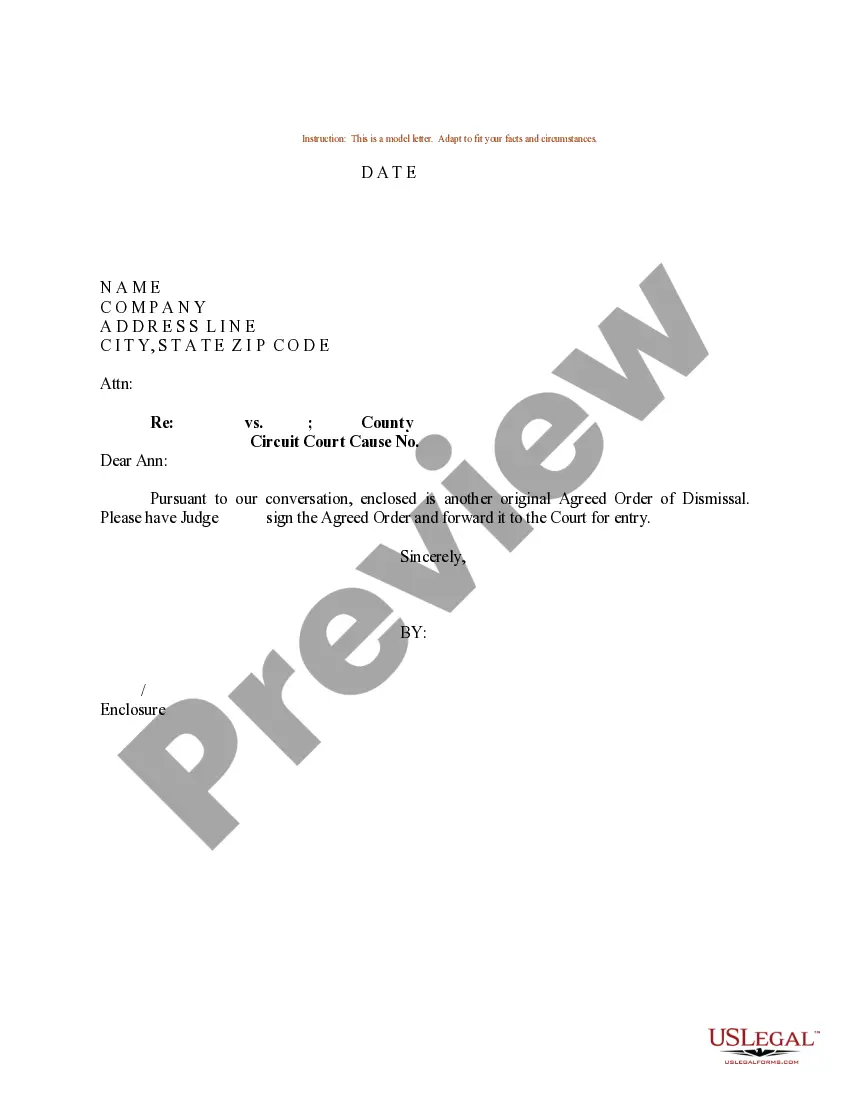
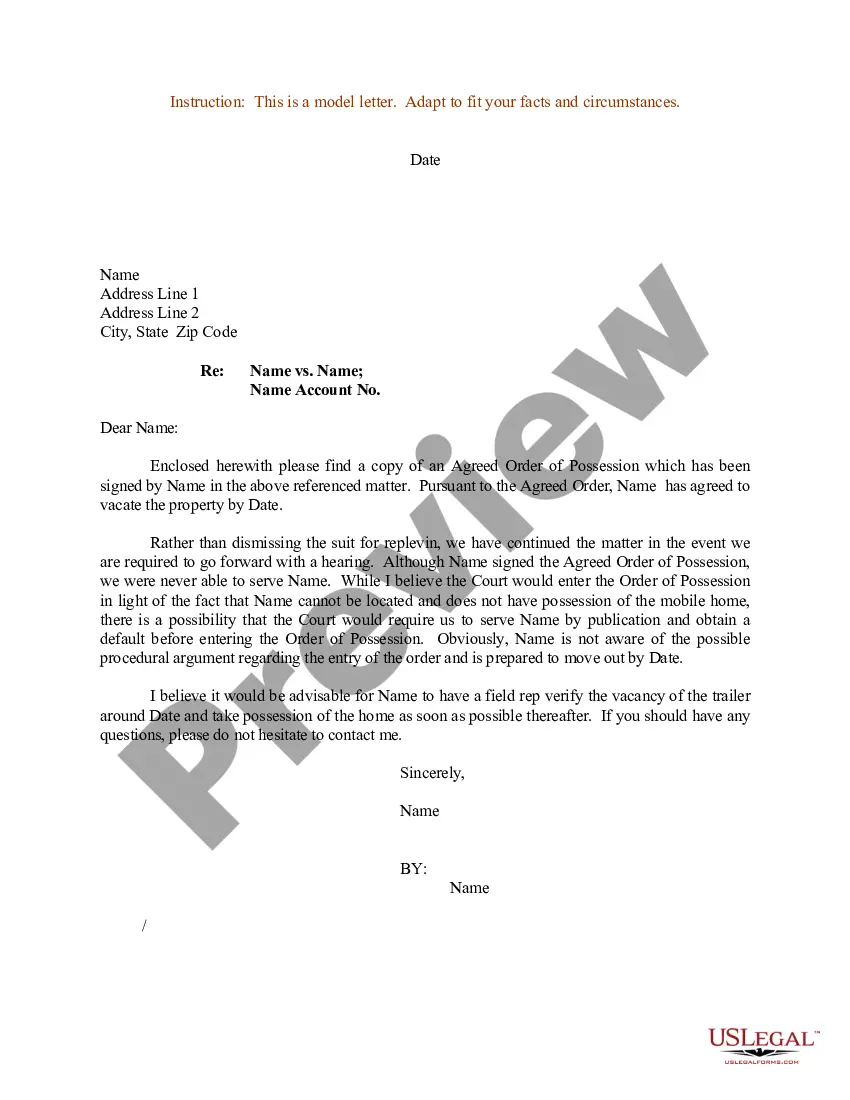
Court Letter Templates With Name In Utah
Description


Get your form ready online
Our built-in tools help you complete, sign, share, and store your documents in one place.
Make edits, fill in missing information, and update formatting in US Legal Forms—just like you would in MS Word.
Download a copy, print it, send it by email, or mail it via USPS—whatever works best for your next step.
Sign and collect signatures with our SignNow integration. Send to multiple recipients, set reminders, and more. Go Premium to unlock E-Sign.
If this form requires notarization, complete it online through a secure video call—no need to meet a notary in person or wait for an appointment.
We protect your documents and personal data by following strict security and privacy standards.

Make edits, fill in missing information, and update formatting in US Legal Forms—just like you would in MS Word.

Download a copy, print it, send it by email, or mail it via USPS—whatever works best for your next step.

Sign and collect signatures with our SignNow integration. Send to multiple recipients, set reminders, and more. Go Premium to unlock E-Sign.

If this form requires notarization, complete it online through a secure video call—no need to meet a notary in person or wait for an appointment.

We protect your documents and personal data by following strict security and privacy standards.
Looking for another form?





Form popularity
FAQ
A: It usually takes at least 45 days to get a judgment in Small Claims Court. The plaintiff files an affidavit with the court clerk. The clerk schedules a hearing and writes that date on the plaintiff's affidavit. Then the affidavit with that hearing date must be served on the defendant.
For more information, call us at 801.530. 7359.
Small Claims court is less formal, and you do not need an attorney to represent you. The filing fees are due at the time you file the affidavit.
Utah Code Annotated §78A-2-301;Filing Fees - Effective July 1, 2023 Type of Filing, Action, or ServiceSubsectionFee Greater than $2,000 and less than $7,500 Subsection (1)(c)(ii) $100.00 $7,500 up to $15,000 Subsection (1)(c)(iii) $185.00 Small Claims Counter Affidavit $2,000 or less Subsection (1)(e)(i) $50.0058 more rows
Follow the order of this format, leaving a space in between each section: Your Information (first thing that goes on the inside of the letter) Name. The Date. The Judge's Information. Honorable Judge First Name Last Name. What the Letter Is Going to Address. Salutation. Body. Signature.
For more information, call us at 801.530. 7359.
The greeting appears two lines below the employer's address and should be “Dear Mr.,” “Dear Ms.,” “Dear Mx.,” “Dear First Name LastName,” or “Dear Judge.” When possible, avoid addressing your letter generally, such as Dear Sir or Madam, or “To Whom It May Concern”; instead take the time to find the contact person ...
If you are addressing the letter generally, type "Dear Clerk of Court:" and include a colon after the last word.
You can address the judge to “The Honorable First Name Last Name” or “Judge First Name Last Name” or “Judge Last Name.” It is redundant to say “Honorable Judge” so use either “Judge” or “Honorable.”
Magistrate Judges should have this title after their name (“The Honorable First M. Last, Magistrate Judge”). It will still be “Dear Judge Last” after that. Commissioners should also have this title after their name (“The Honorable First M.

