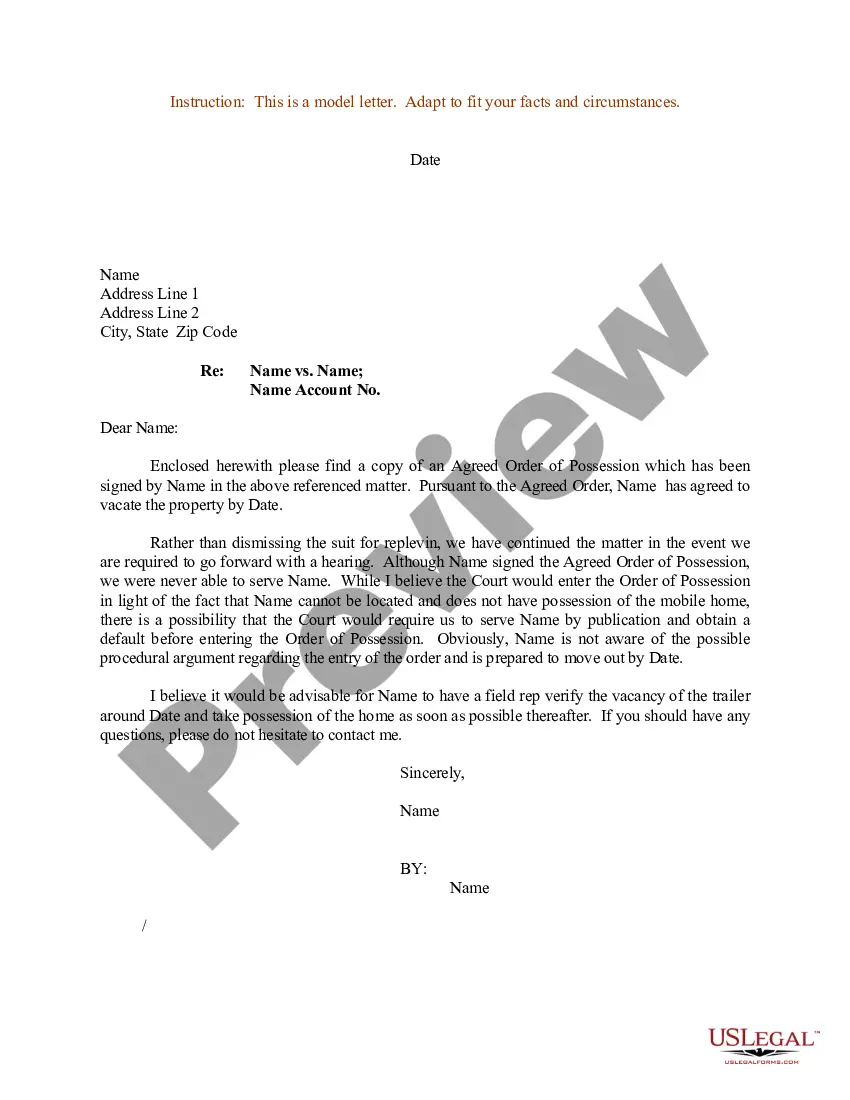
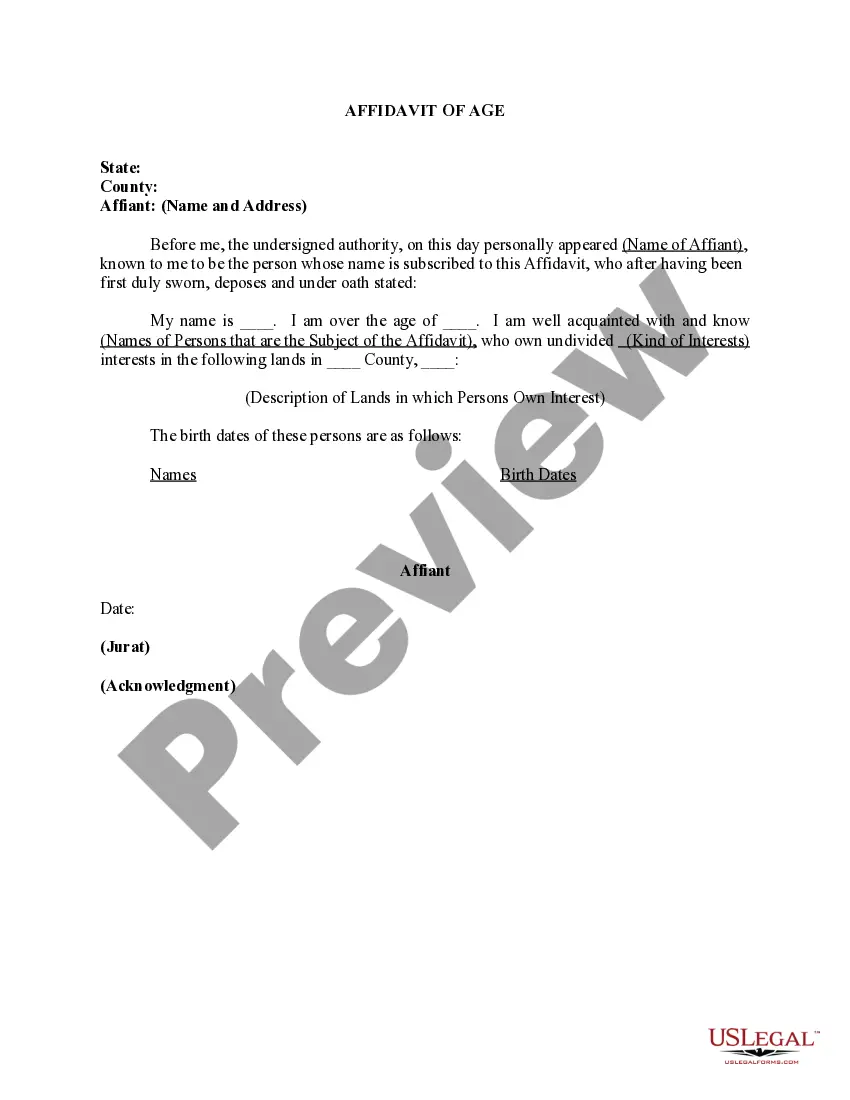
Court Letter Sample With Name In Texas
Description



Get your form ready online
Our built-in tools help you complete, sign, share, and store your documents in one place.
Make edits, fill in missing information, and update formatting in US Legal Forms—just like you would in MS Word.
Download a copy, print it, send it by email, or mail it via USPS—whatever works best for your next step.
Sign and collect signatures with our SignNow integration. Send to multiple recipients, set reminders, and more. Go Premium to unlock E-Sign.
If this form requires notarization, complete it online through a secure video call—no need to meet a notary in person or wait for an appointment.
We protect your documents and personal data by following strict security and privacy standards.

Make edits, fill in missing information, and update formatting in US Legal Forms—just like you would in MS Word.

Download a copy, print it, send it by email, or mail it via USPS—whatever works best for your next step.

Sign and collect signatures with our SignNow integration. Send to multiple recipients, set reminders, and more. Go Premium to unlock E-Sign.

If this form requires notarization, complete it online through a secure video call—no need to meet a notary in person or wait for an appointment.

We protect your documents and personal data by following strict security and privacy standards.
Looking for another form?









Form popularity
FAQ
Electronic Filing While pro se litigants certainly have the option of filing a document in person, pro se litigants can also file documents electronically if it is more convenient or if the litigant must meet a deadline to file a document and the clerk's office is already closed.
Sending a letter to court personnel is a serious matter, so if you need to write one, ensure it makes an impact and conveys your message well. In this post, we'll discuss the reasons you might need to write a court letter, the essential information to include, and an example of what one might look like.
To file online, go to E-File Texas ( ) 11 and follow the instructions. To file in person, take your answer (and copies) to the district clerk's office in the county where the plaintiff filed the case. At the clerk's office: Turn in your answer form (and copies).
Parties without lawyers can also file case documents in person at the Court during normal business hours or by mail. Most case documents are posted to the Court's website, except clerk's records, reporter's records, and sealed documents. You can search for your case at search.txcourts/.
Timeline of How to File a Lawsuit Step 1: File a Complaint. Plaintiff files a complaint and summons with the local county court. Step 2: Answer Complaint. Step 3: Discovery. Step 4: Failing to Respond to Discovery. Step 5: Conclusion of Lawsuit.
In some circumstances, you file a petition or a motion. The court has several complaint forms that you may use in drafting your complaint. The forms are available online and at the Pro Se Intake Unit. You may also write your own complaint without using a court form.
Character Letter Template Dear Judge Name or Honorable Name, I am writing to you in my capacity as Your Relationship to the Person, to advocate for Name of the Person, whom I have known for Number of Years years. It is an honor to vouch for their character and integrity in my time knowing them.
How to Write a Good Court Statement Be clear and concise in your writing. Keep your sentences and paragraphs short, making them easier to read and understand. Make sure all of your facts are accurate and complete. Proofread your statement before submitting it to the court.
A court letter, also known as a legal letter or court correspondence, refers to a written document used in legal proceedings. It's a type of formal communication addressed to court personnel, such as a judge, attorney, or another party involved in a legal case.
Introduce yourself in the opening paragraph. Outline your relationship with the person who is the subject of the legal proceedings. Acknowledge the charges that have been brought against the person. State your opinion of the person's general character.

