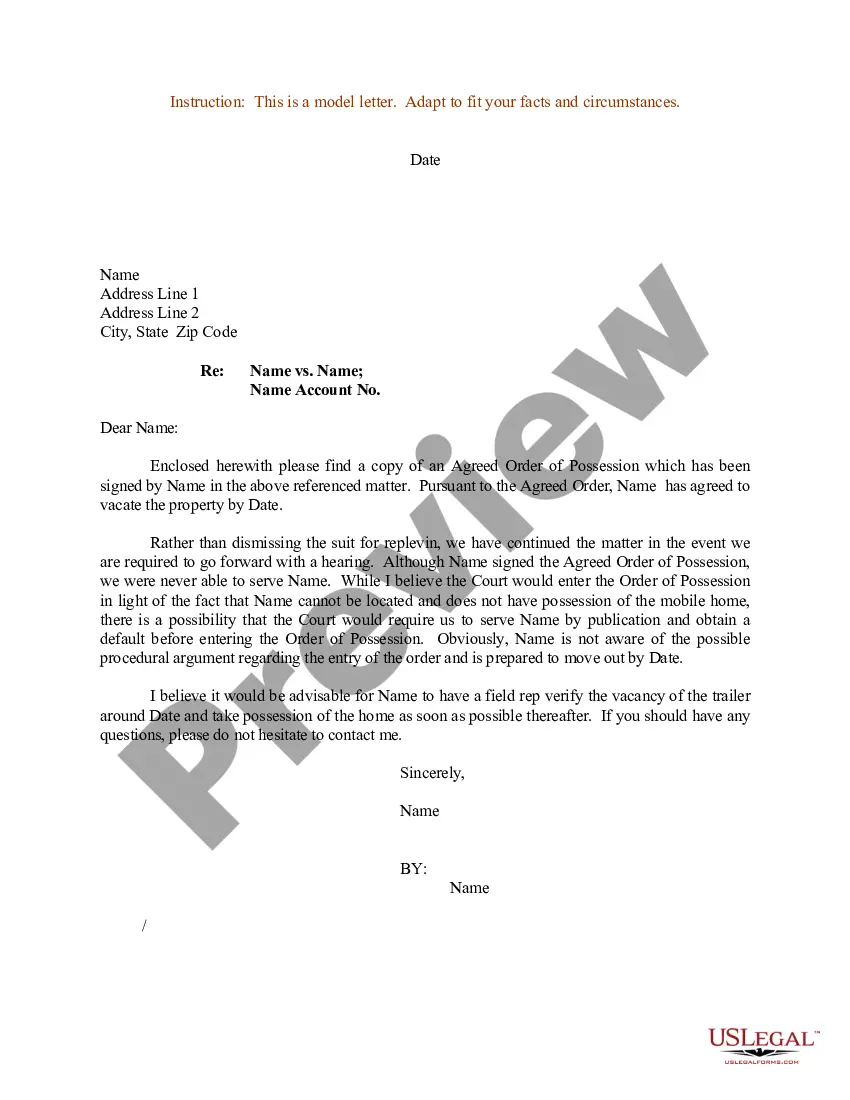
Sample Court Reference Letter For Character In Tarrant
Description



Get your form ready online
Our built-in tools help you complete, sign, share, and store your documents in one place.
Make edits, fill in missing information, and update formatting in US Legal Forms—just like you would in MS Word.
Download a copy, print it, send it by email, or mail it via USPS—whatever works best for your next step.
Sign and collect signatures with our SignNow integration. Send to multiple recipients, set reminders, and more. Go Premium to unlock E-Sign.
If this form requires notarization, complete it online through a secure video call—no need to meet a notary in person or wait for an appointment.
We protect your documents and personal data by following strict security and privacy standards.

Make edits, fill in missing information, and update formatting in US Legal Forms—just like you would in MS Word.

Download a copy, print it, send it by email, or mail it via USPS—whatever works best for your next step.

Sign and collect signatures with our SignNow integration. Send to multiple recipients, set reminders, and more. Go Premium to unlock E-Sign.

If this form requires notarization, complete it online through a secure video call—no need to meet a notary in person or wait for an appointment.

We protect your documents and personal data by following strict security and privacy standards.
Looking for another form?




Form popularity
FAQ
What should be included in a character letter? Every word needs to be true. Include a description of how you know the person in question and how long you've known them. Talk about any positive traits you've seen this person demonstrate, and include (true) anecdotes that demonstrate these qualities.
It is an honor to vouch for their character and integrity in my time knowing them. Name of the Person has always displayed qualities of honesty, integrity, and responsibility, both as a mention their role—friend, colleague, etc. and in their personal endeavors.
How to write a compelling character reference letter? Explain your relationship to the candidate. Share how long you have known the candidate. Highlight positive personal qualities of the candidate and back them up with specific examples. Wrap it up with a statement of recommendation and share your contact details.
How to Structure a Character Reference Letter Introduction: How you know the person and for how long. Positive Qualities: Three or four strong traits (honesty, reliability, kindness). Specific Examples: Real moments that show those traits in action. Recommendation Statement: Make it clear you fully endorse them.
I have always found applicant to be trustworthy, hard working and intelligent. When we worked on example, applicant showed good communication skills and I could rely on them to take the initiative and to stay calm under pressure. For these reasons, I believe applicant would be ideal for the job of role.
Choose individuals who know you well and can attest to your skills and work ethic. A combination of work supervisors and faculty provides a good balance. Other possibilities include university staff members, community leaders, and directors of civic organizations for which you have volunteered.
{Name} operates with integrity, and never has a bad word to say about anyone. {He/she} is also hard working and dedicated, and never leaves a job unfinished. On a personal level, may I just say that I really like {Name}, and I have no doubts about {his/her} abilities to succeed in the future.
Person's name has always been a loving and caring friend/family member/co-worker since we first met. That is why I am writing this letter to defend person's name, because he/she has always been a respected person in the community, and a genuine person to everyone he/she has come across.
The letter should be sincere. The writer should answer who they are, how they know you, what they have seen you accomplish (specific situations), the character traits that they have witnessed, and what they expect you to accomplish in the future.
The body of your letter should focus on specific examples of the subject's good character. Use concrete examples to illustrate your points, and be sure to provide enough detail to make your points clear and persuasive. Avoid generic statements or unsupported opinions, and focus on providing factual information.

