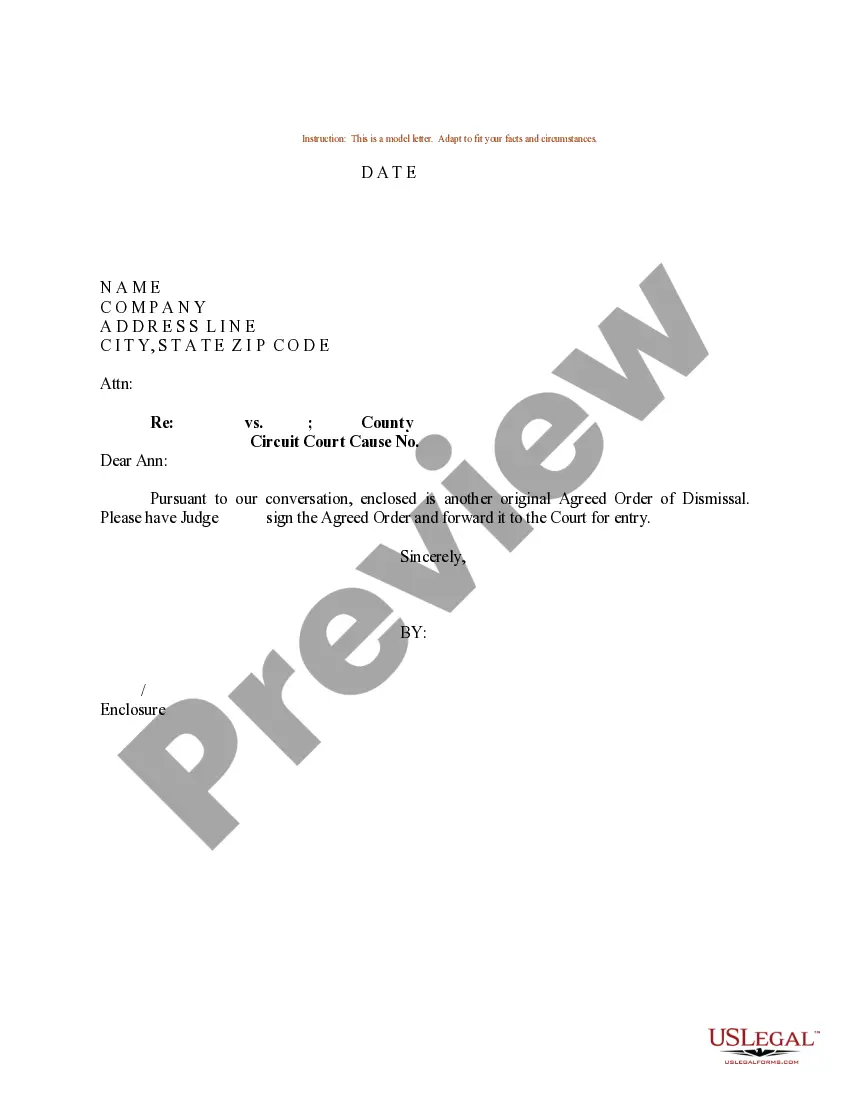
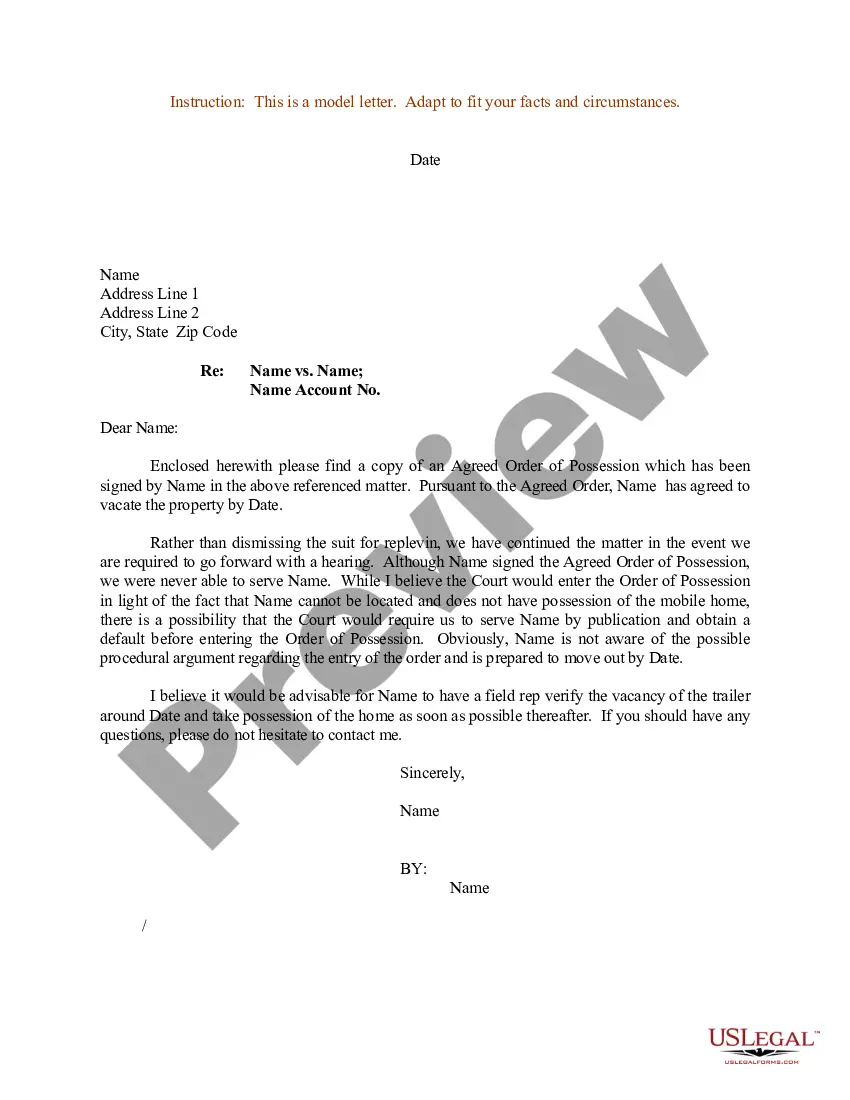
Court Letter Sample Formal In Santa Clara
Description


Get your form ready online
Our built-in tools help you complete, sign, share, and store your documents in one place.
Make edits, fill in missing information, and update formatting in US Legal Forms—just like you would in MS Word.
Download a copy, print it, send it by email, or mail it via USPS—whatever works best for your next step.
Sign and collect signatures with our SignNow integration. Send to multiple recipients, set reminders, and more. Go Premium to unlock E-Sign.
If this form requires notarization, complete it online through a secure video call—no need to meet a notary in person or wait for an appointment.
We protect your documents and personal data by following strict security and privacy standards.

Make edits, fill in missing information, and update formatting in US Legal Forms—just like you would in MS Word.

Download a copy, print it, send it by email, or mail it via USPS—whatever works best for your next step.

Sign and collect signatures with our SignNow integration. Send to multiple recipients, set reminders, and more. Go Premium to unlock E-Sign.

If this form requires notarization, complete it online through a secure video call—no need to meet a notary in person or wait for an appointment.

We protect your documents and personal data by following strict security and privacy standards.
Looking for another form?
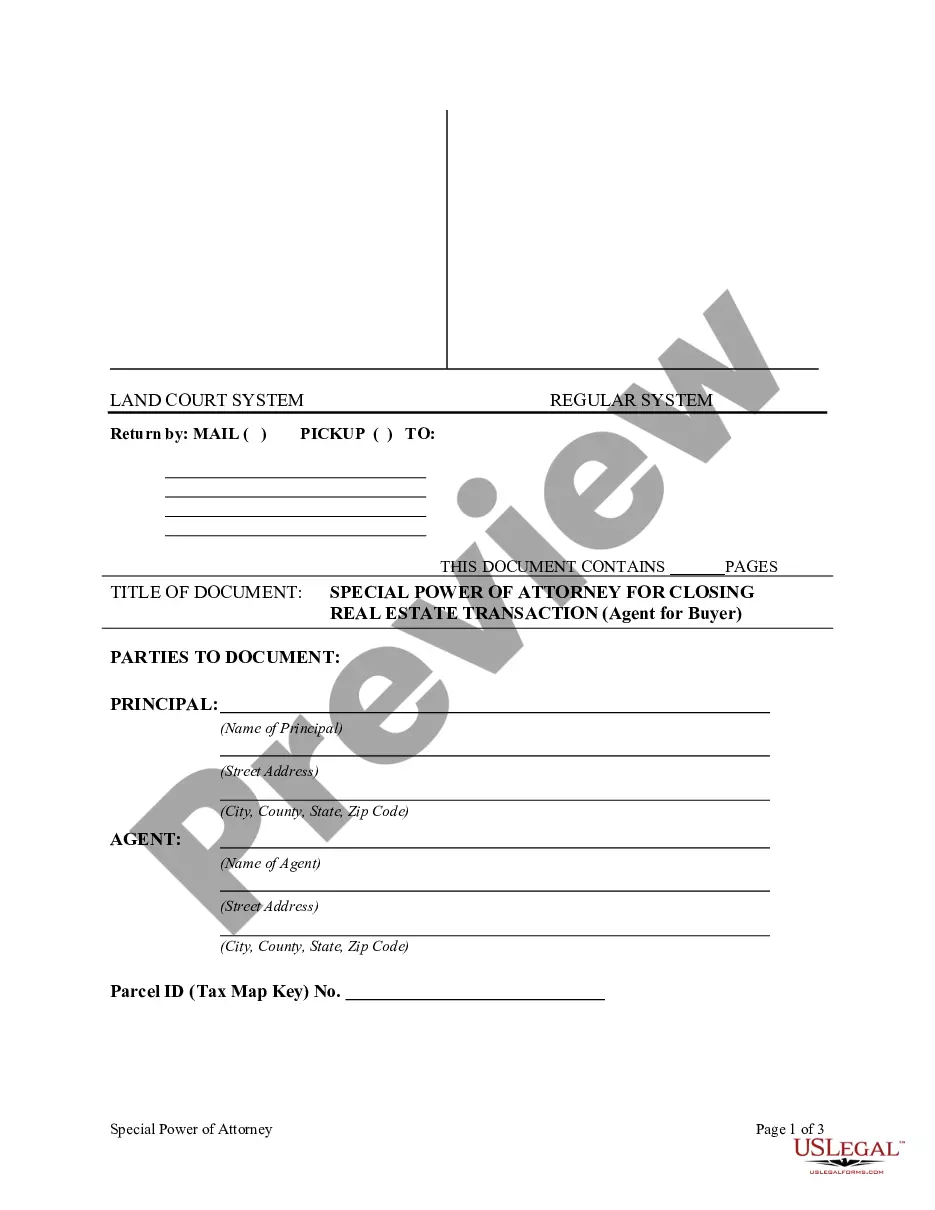
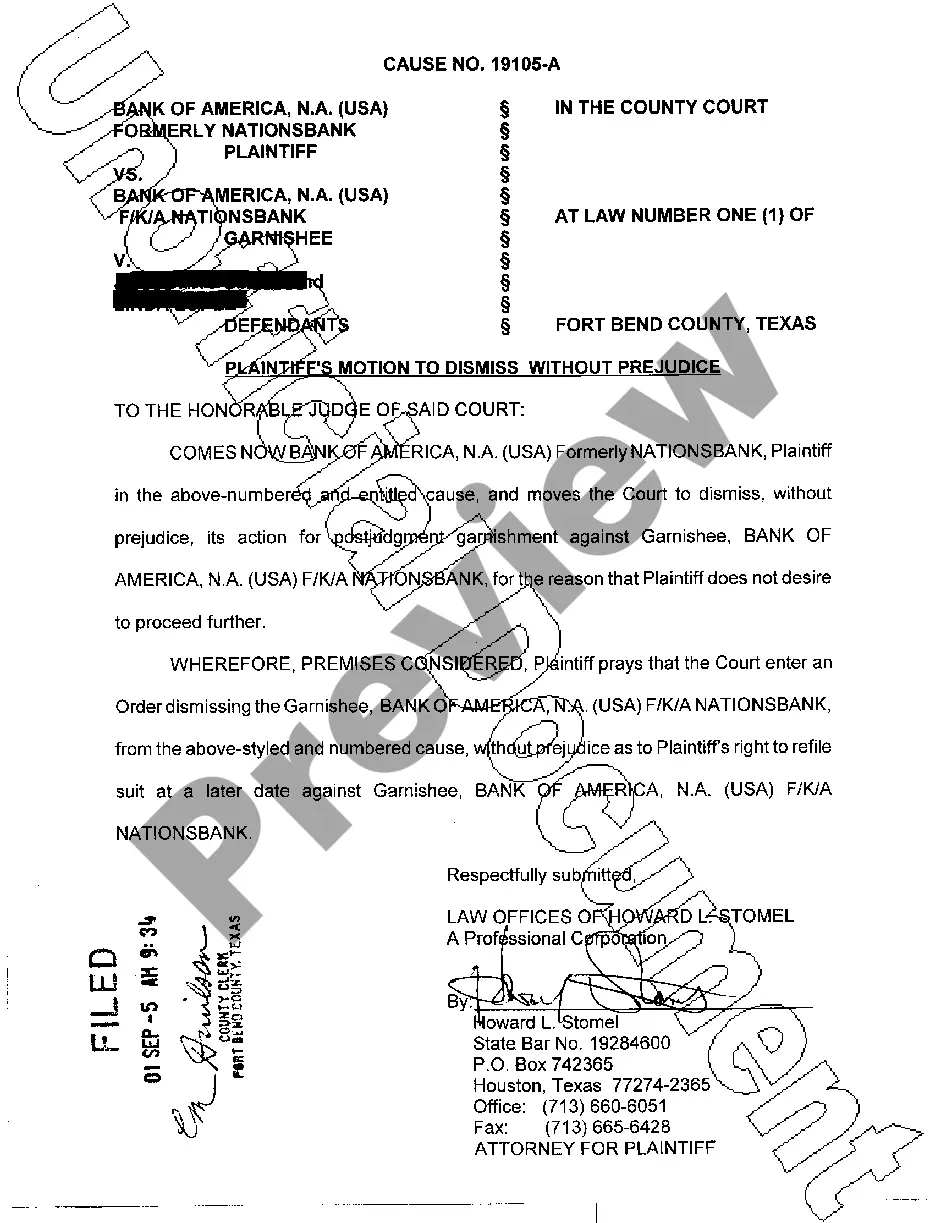




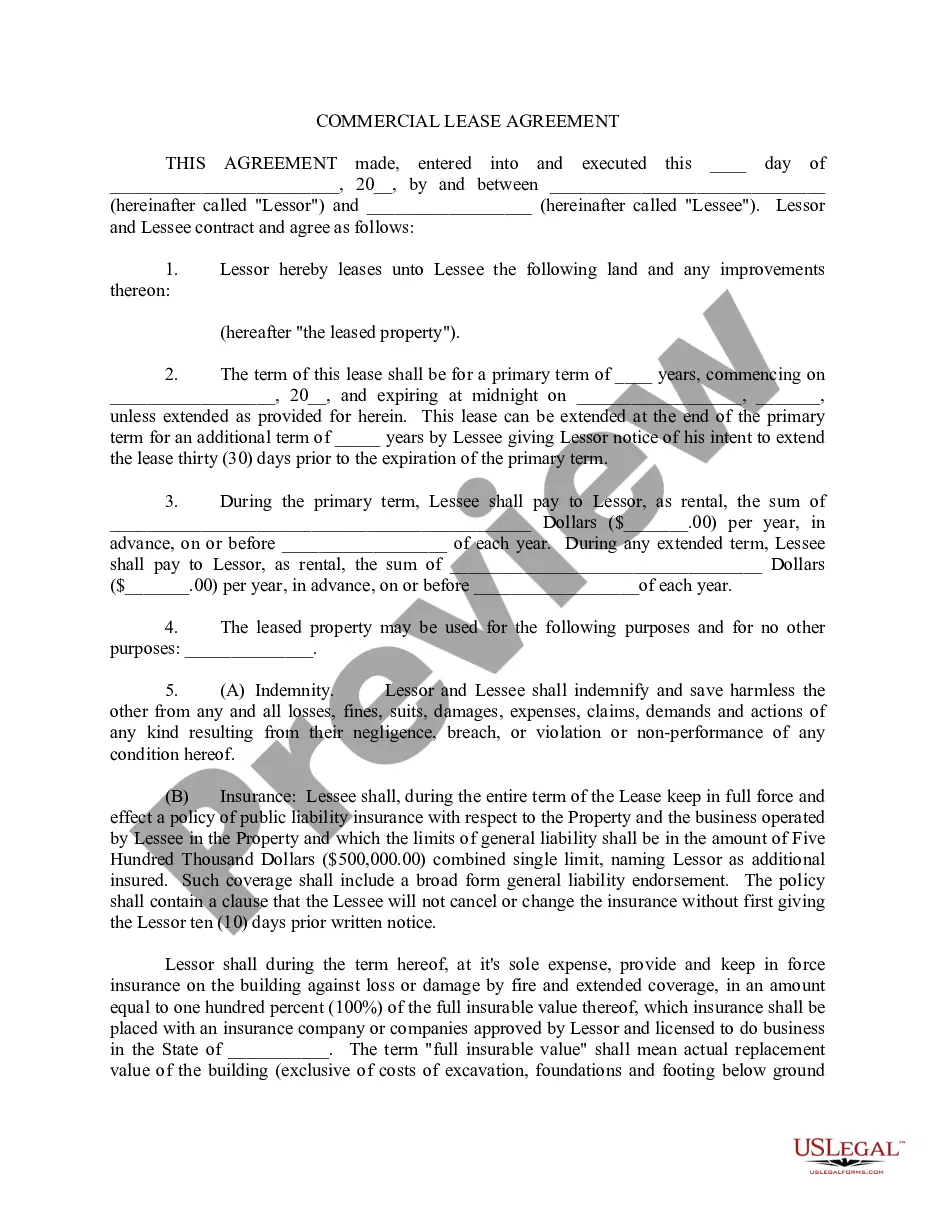

Form popularity
FAQ
Be polite, concise, and specific about what you want and what your next step will be if the problem is not resolved. Let the other party know that if you are not able to come to an agreement, you will file in small claims court and promptly pursue legal remedies, such as reporting the debt to credit agencies.
Court Code 43470, as part of a broader set of regulations, governs specific aspects of civil litigation, particularly regarding the filing and processing of documents within Santa Clara County Superior Court.
Here's a short list of what you'll want to include: Facts of the case. An outline of what happened. Statement of the issue. A brief description of the problem. Demand. The dollar amount or action necessary to resolve the case. Response deadline. The date by which the recipient must respond. Noncompliance consequences.
A letter of intent to sue is used to notify an individual or business that legal action may be taken against them if the demands included in the letter are not met. By sending an intent to sue letter, you may be able to resolve the dispute without having to initiate a costly lawsuit.
Tells the court that you had legal papers in a civil case - other than a summons - delivered to (served on) the other party. Lists the papers that were served and tells who they were served on, where, when, and how they were served, and who served them.
Collect together the name and address for your debtor, the amount due, the dates involved with your claim such as starting date of debt, and your supporting documentation usually your invoices and your statement. Use these facts to write a clear statement explaining the monies owed to you.
Important points to include in a legal document. Party details. List the names, numbers, addresses (email or physical), and any other relevant information of all parties involved. Background information. Motion. Roles and responsibilities. Breaches or contingencies. Dates and signatures.
If you are trying to resolve a dispute, you may want to send a demand letter. You can write one yourself, but hiring an attorney will help you navigate legalities and show the recipient the seriousness of the matter.
Demand Letter Components Facts of the case. An outline of what happened. Statement of the issue. A brief description of the problem. Demand. The dollar amount or action necessary to resolve the case. Response deadline. The date by which the recipient must respond. Noncompliance consequences.
On a separate page or pages, write a short and plain statement of the answer to the allegations in the complaint. Number the paragraphs. The answer should correspond to each paragraph in the complaint, with paragraph 1 of the answer corresponding to paragraph 1 of the complaint, etc.

