Court Letter Sample With Reference In San Bernardino
Description



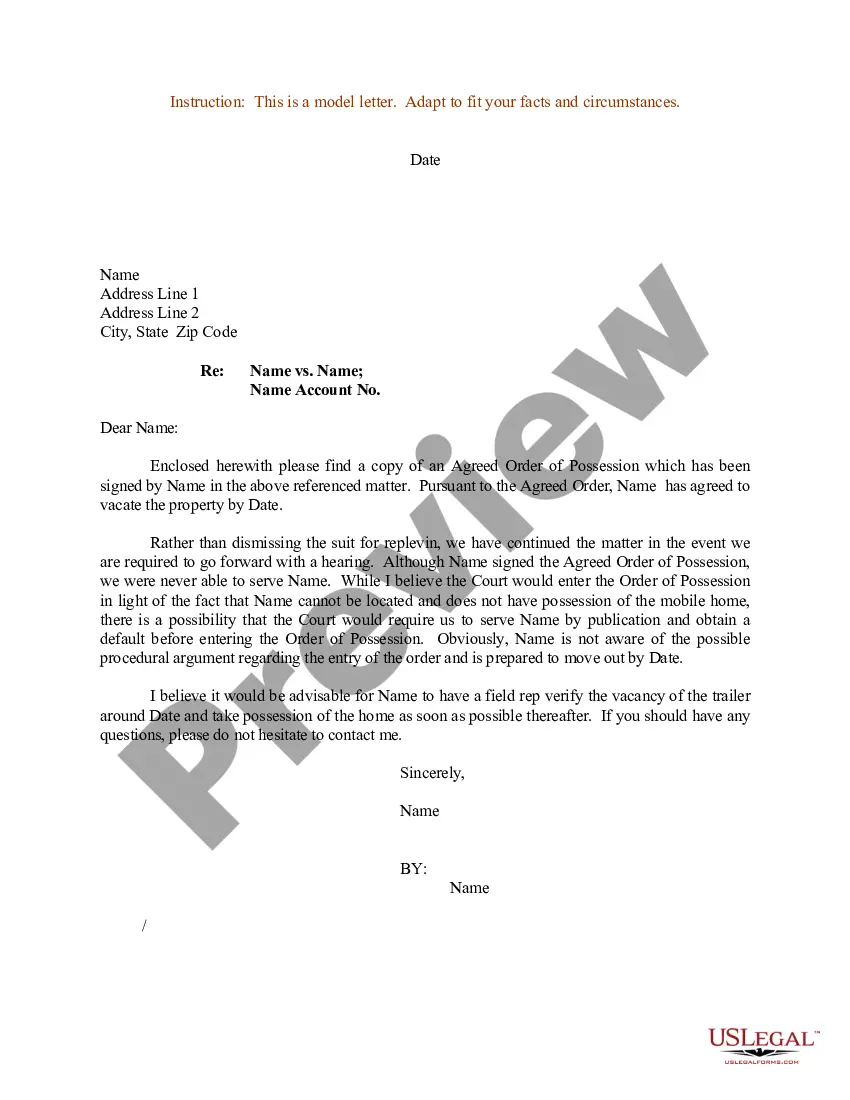
Get your form ready online
Our built-in tools help you complete, sign, share, and store your documents in one place.
Make edits, fill in missing information, and update formatting in US Legal Forms—just like you would in MS Word.
Download a copy, print it, send it by email, or mail it via USPS—whatever works best for your next step.
Sign and collect signatures with our SignNow integration. Send to multiple recipients, set reminders, and more. Go Premium to unlock E-Sign.
If this form requires notarization, complete it online through a secure video call—no need to meet a notary in person or wait for an appointment.
We protect your documents and personal data by following strict security and privacy standards.

Make edits, fill in missing information, and update formatting in US Legal Forms—just like you would in MS Word.

Download a copy, print it, send it by email, or mail it via USPS—whatever works best for your next step.

Sign and collect signatures with our SignNow integration. Send to multiple recipients, set reminders, and more. Go Premium to unlock E-Sign.

If this form requires notarization, complete it online through a secure video call—no need to meet a notary in person or wait for an appointment.

We protect your documents and personal data by following strict security and privacy standards.
Looking for another form?








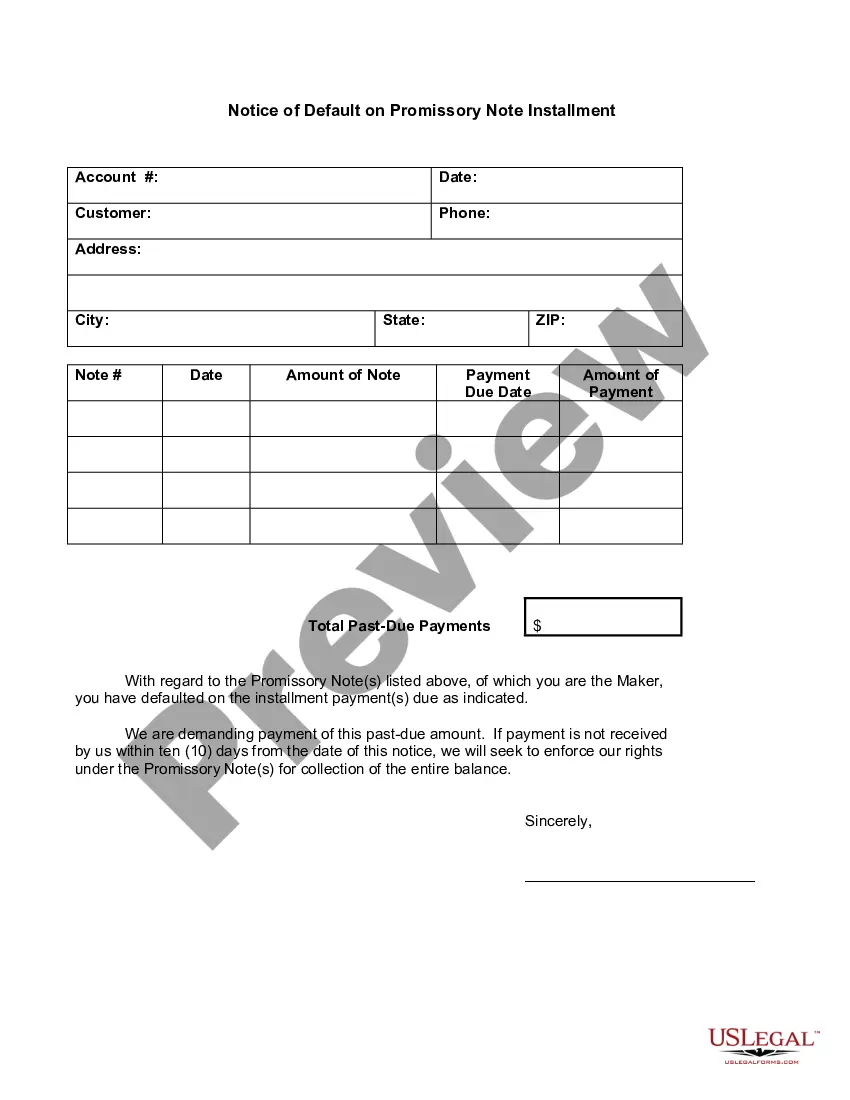

Form popularity
FAQ
For California small claims, you don't have to “serve” a demand letter. You just have to send the demand letter. You can send it by mail, email, or hand delivery, or you can text the demand letter.
Important points to include in a legal document. Party details. List the names, numbers, addresses (email or physical), and any other relevant information of all parties involved. Background information. Motion. Roles and responsibilities. Breaches or contingencies. Dates and signatures.
Be polite, concise, and specific about what you want and what your next step will be if the problem is not resolved. Let the other party know that if you are not able to come to an agreement, you will file in small claims court and promptly pursue legal remedies, such as reporting the debt to credit agencies.
Yourself it is important to always have an updated. Address on hand with the court. The court willMoreYourself it is important to always have an updated. Address on hand with the court. The court will sometimes send out notices on their own volition. And it's important that you receive those notices.
Here's a short list of what you'll want to include: Facts of the case. An outline of what happened. Statement of the issue. A brief description of the problem. Demand. The dollar amount or action necessary to resolve the case. Response deadline. The date by which the recipient must respond. Noncompliance consequences.
A letter of intent to sue is used to notify an individual or business that legal action may be taken against them if the demands included in the letter are not met. By sending an intent to sue letter, you may be able to resolve the dispute without having to initiate a costly lawsuit.
A request for ex parte relief must be in writing and include all of the following: (1) An application containing the case caption and stating the relief requested; (2) A declaration in support of the application making the required factual showing; > > Read More..
Civil Division of the San Bernardino District, 247 West 3rd St, San Bernardino, CA 92415-0210 (located in the San Bernardino Justice Center) Filings Accepted: C.E.Q.A. Civil (limited and unlimited)
Write your legal argument by stating the rule and explaining how your facts apply to it. Then, add your signature, a Certificate of Service, and a Notice of Hearing. File your motion with the clerk of court overseeing your case. Then, give copies to each defendant.
If you want to file a motion, the process is generally something like this: You write your motion. You file your motion with the court clerk. The court clerk inserts the date and time your motion will be heard by the judge. You “serve” (mail) your motion to the other side.

