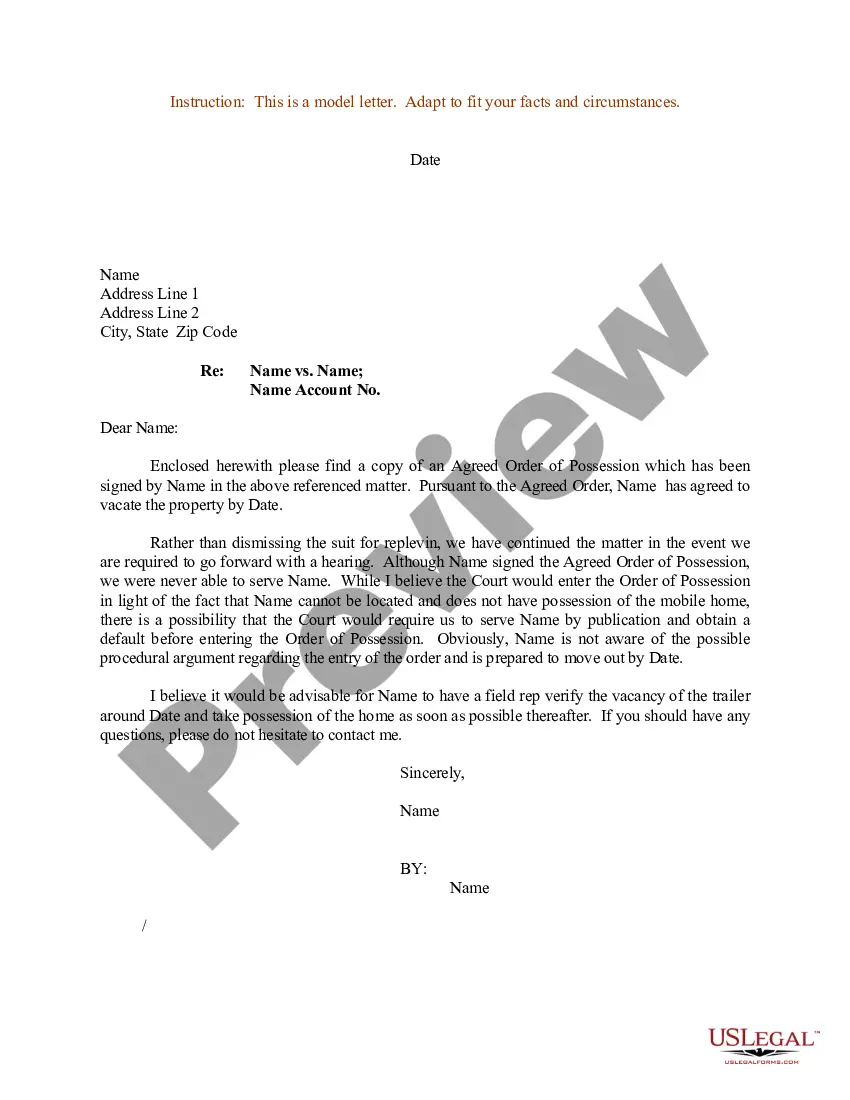
Court Letter Sample For Request In Queens
Description



Get your form ready online
Our built-in tools help you complete, sign, share, and store your documents in one place.
Make edits, fill in missing information, and update formatting in US Legal Forms—just like you would in MS Word.
Download a copy, print it, send it by email, or mail it via USPS—whatever works best for your next step.
Sign and collect signatures with our SignNow integration. Send to multiple recipients, set reminders, and more. Go Premium to unlock E-Sign.
If this form requires notarization, complete it online through a secure video call—no need to meet a notary in person or wait for an appointment.
We protect your documents and personal data by following strict security and privacy standards.

Make edits, fill in missing information, and update formatting in US Legal Forms—just like you would in MS Word.

Download a copy, print it, send it by email, or mail it via USPS—whatever works best for your next step.

Sign and collect signatures with our SignNow integration. Send to multiple recipients, set reminders, and more. Go Premium to unlock E-Sign.

If this form requires notarization, complete it online through a secure video call—no need to meet a notary in person or wait for an appointment.

We protect your documents and personal data by following strict security and privacy standards.
Looking for another form?








Form popularity
FAQ
To begin an action in Small Claims Court, a person, or someone acting on his or her behalf, must come to the Small Claims Court Clerk's office in the proper county and fill out a statement of claim. To find out where the clerk's office is located in your county, click on Locations.
The written response must be made within 20 days of personal service, or within 30 days of the time when service by any other means is complete.
A summons with notice or summons and complaint must be served within 120 days of filing with the County Clerk.
A summons with notice is a type of summons. The summons with notice is not served with the complaint. It contains all of the information described above for the summons, plus a brief description of the type of case and the relief the plaintiff is asking the court to grant.
After a summons with notice is served, the defendant will demand that the plaintiff serve a complaint. The plaintiff must then have the complaint served within 20 days after being served with the demand, or the case may be dismissed.
A summons is a pre-printed legal form that tells a defendant that he or she is being sued. The defendant must file an appearance and responsive pleading or answer within 30 days of being served with the summons.
On a separate page or pages, write a short and plain statement of the answer to the allegations in the complaint. Number the paragraphs. The answer should correspond to each paragraph in the complaint, with paragraph 1 of the answer corresponding to paragraph 1 of the complaint, etc.
A motion is a written request made to the court, asking the judge to issue an order.
A losing party pays attorney fees only if the winner is specifically given the right to recover legal fees in a contract between the parties or through a state or federal law. Learn about preparing a defense in Disputing a Small Claims Court Case: Fight Back.
Notice of entry occurs when one party serves a copy of a court's order on the other parties in the case. CPLR § R2220(b); Smart Code. In New York state court, the court does not automatically send orders to all parties.
