Court Letter Sample For Child In Phoenix
Description




Get your form ready online
Our built-in tools help you complete, sign, share, and store your documents in one place.
Make edits, fill in missing information, and update formatting in US Legal Forms—just like you would in MS Word.
Download a copy, print it, send it by email, or mail it via USPS—whatever works best for your next step.
Sign and collect signatures with our SignNow integration. Send to multiple recipients, set reminders, and more. Go Premium to unlock E-Sign.
If this form requires notarization, complete it online through a secure video call—no need to meet a notary in person or wait for an appointment.
We protect your documents and personal data by following strict security and privacy standards.

Make edits, fill in missing information, and update formatting in US Legal Forms—just like you would in MS Word.

Download a copy, print it, send it by email, or mail it via USPS—whatever works best for your next step.

Sign and collect signatures with our SignNow integration. Send to multiple recipients, set reminders, and more. Go Premium to unlock E-Sign.

If this form requires notarization, complete it online through a secure video call—no need to meet a notary in person or wait for an appointment.

We protect your documents and personal data by following strict security and privacy standards.
Looking for another form?


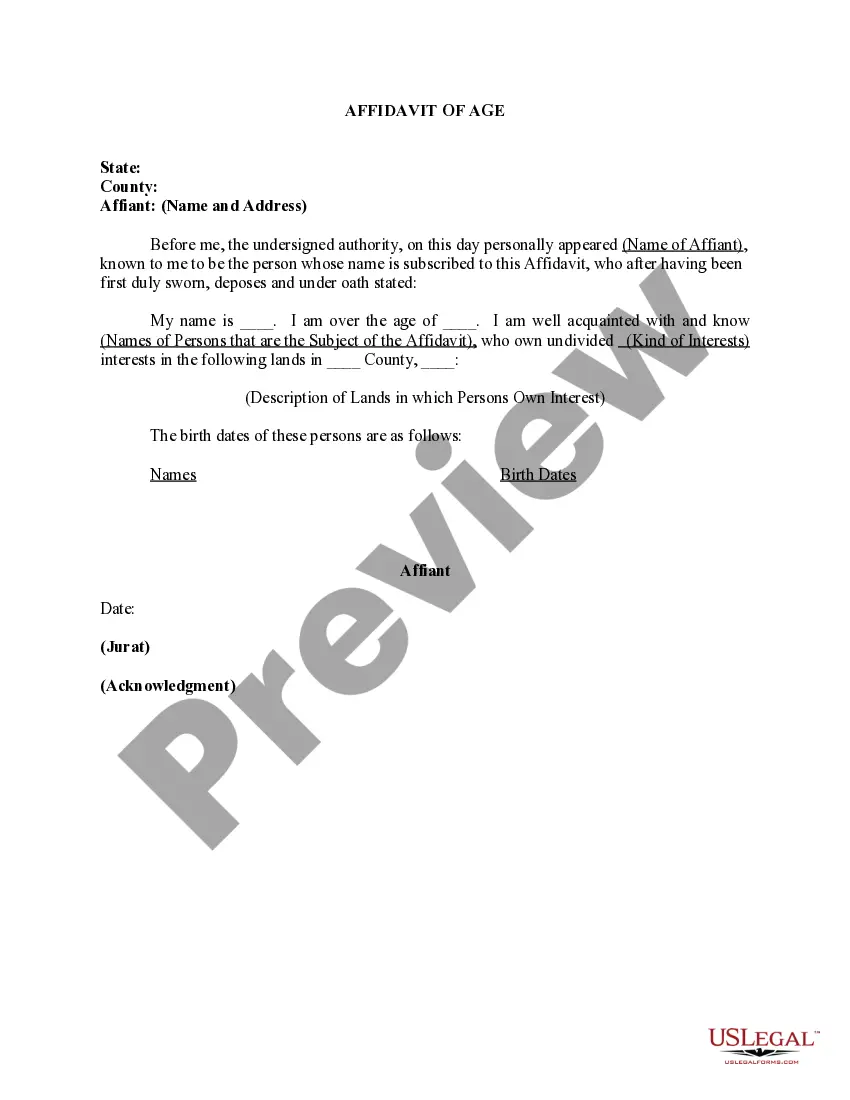


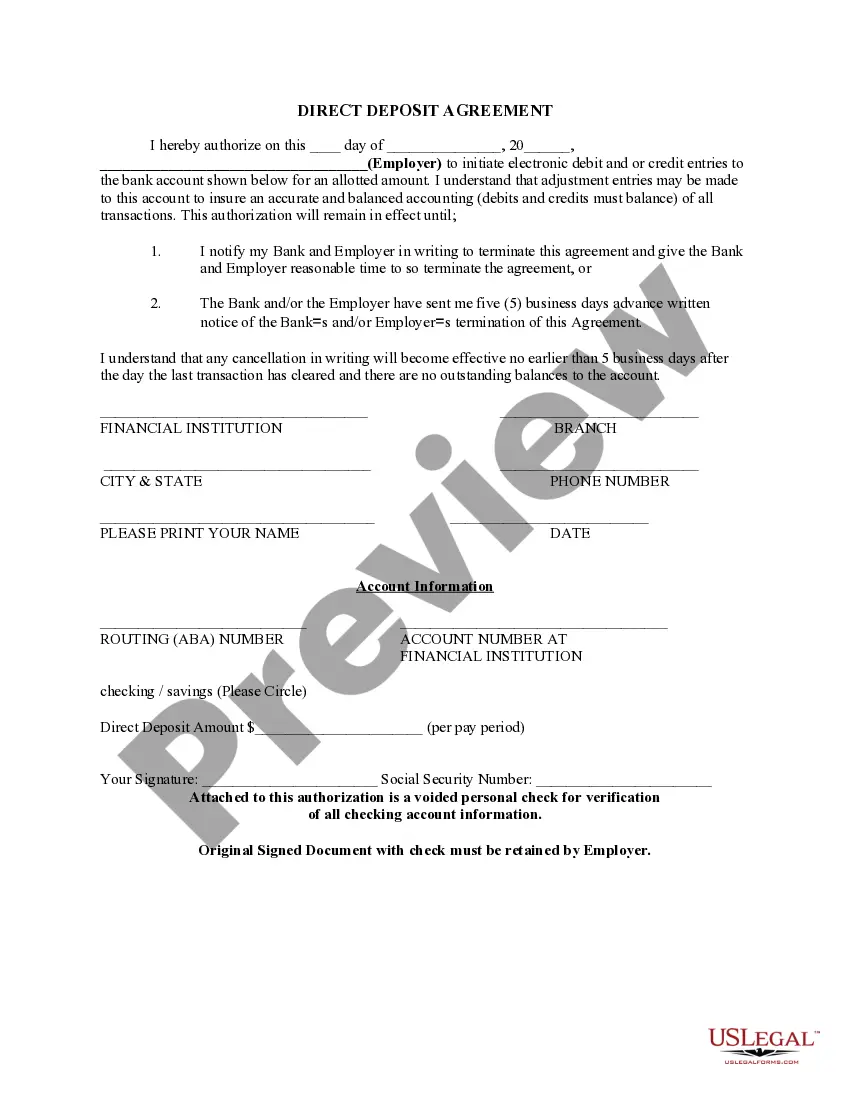



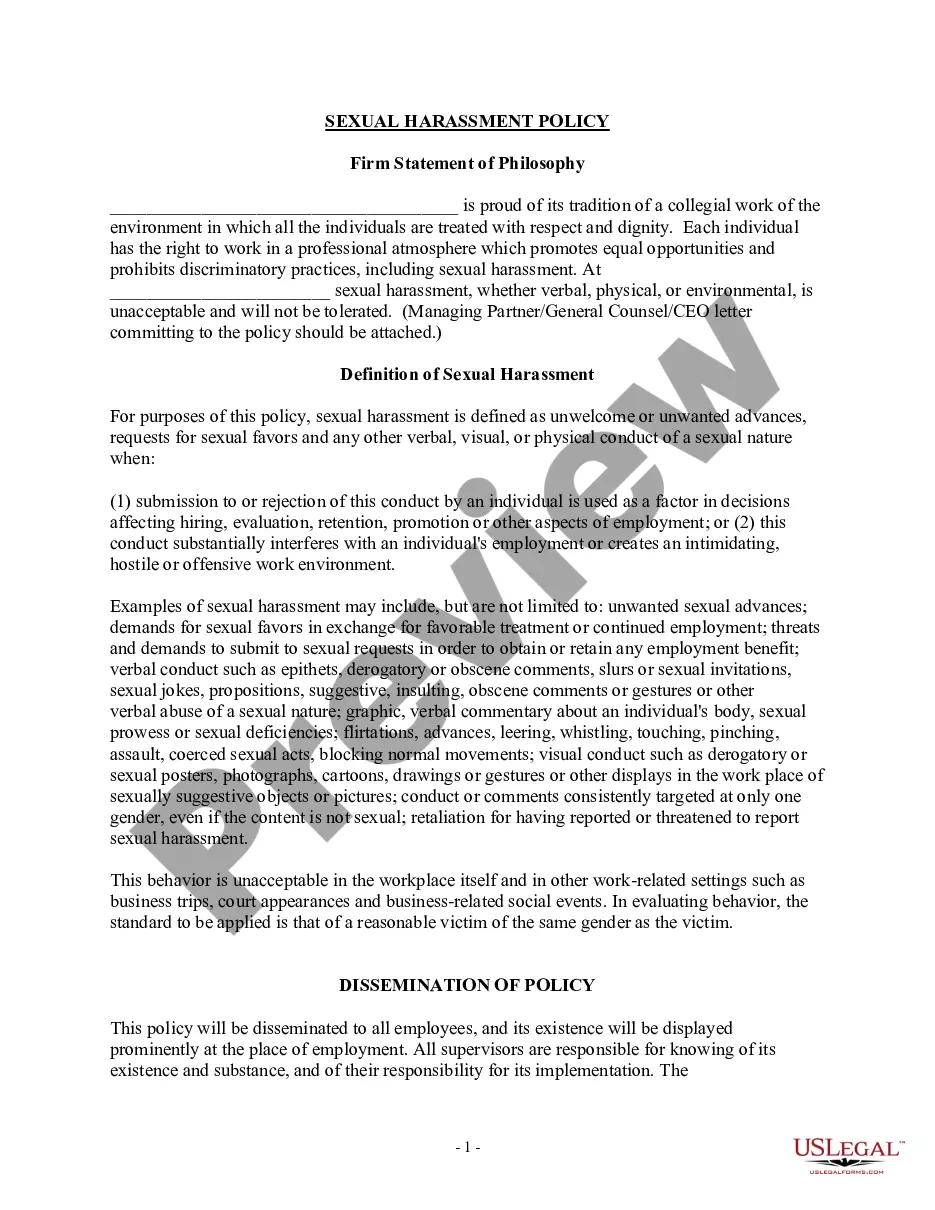
Form popularity
FAQ
How to Write a Motion for Court? Step-by-Step Guide Step 1: Understand the Purpose of Your Motion. Step 2: Research Court Rules and Requirements. Step 3: Start with a Clear and Concise Title. Step 4: Draft the Introduction. Step 5: Present the Relevant Facts. Step 6: Provide Legal Arguments.
General format - each motion generally consists of a case caption, a title that briefly identifies the relief sought, a series of numbered paragraphs that explains -- in a logical way -- why you are entitled to that relief, a prayer for relief, a signature block, a certification that a copy of the motion was sent to ...
Disrespectful Language : Avoid any form of disrespect, including insults, sarcasm, or condescending remarks. Personal Attacks : Do not make derogatory comments about the opposing party, their character, or their parenting abilities. Dismissive Statements
Tips for writing a character reference letter for custody Keep it relevant: Align the content with what is important for raising a child, such as emotional support, stability, and active involvement in the child's life. Be concise: While detail is important, the letter should be concise—typically one page.
How to write a family court motion Introduction: State your argument and what you're asking for. Body: Specify the relevant facts and the evidence you have to support them. Conclusion: Formally ask the court to grant your motion for relief.
What To Include in a Child Custody Declaration Letter Details about the parent writing the letter, including their relationship to the child. A description of the existing custody and visitation arrangement, if applicable. Explanation of why the parent is seeking a change to the custody agreement or child support order.
Provide a concise summary of the key issues and events pertaining to the custody situation. Focus on highlighting factors that would be in the best interests of any children involved, such as stability, safety, and meeting the children's needs. Avoid making accusations or attacking your former spouse directly.
Arizona courts consider factors such as the child's needs, parental involvement, and each parent's ability to provide a nurturing environment when determining custody arrangements. This information is often outlined in a parenting plan to ensure the child's well-being and development.
If mediation fails or the situation escalates, consult with a family law attorney to help protect your rights and ensure that the child's best interests are upheld. In Arizona, one parent generally cannot keep a child from the other parent without court orders.
All emergency custody petitions must be accompanied by a separate Motion for Temporary Orders, a form of Emergency Child Custody Order for the judge to sign, and an Order to Appear on the motion for temporary orders. The judge will review all of your documents and will do one of three things.

