Court Letter Sample With Thru In Pennsylvania
Description




Get your form ready online
Our built-in tools help you complete, sign, share, and store your documents in one place.
Make edits, fill in missing information, and update formatting in US Legal Forms—just like you would in MS Word.
Download a copy, print it, send it by email, or mail it via USPS—whatever works best for your next step.
Sign and collect signatures with our SignNow integration. Send to multiple recipients, set reminders, and more. Go Premium to unlock E-Sign.
If this form requires notarization, complete it online through a secure video call—no need to meet a notary in person or wait for an appointment.
We protect your documents and personal data by following strict security and privacy standards.

Make edits, fill in missing information, and update formatting in US Legal Forms—just like you would in MS Word.

Download a copy, print it, send it by email, or mail it via USPS—whatever works best for your next step.

Sign and collect signatures with our SignNow integration. Send to multiple recipients, set reminders, and more. Go Premium to unlock E-Sign.

If this form requires notarization, complete it online through a secure video call—no need to meet a notary in person or wait for an appointment.

We protect your documents and personal data by following strict security and privacy standards.
Looking for another form?
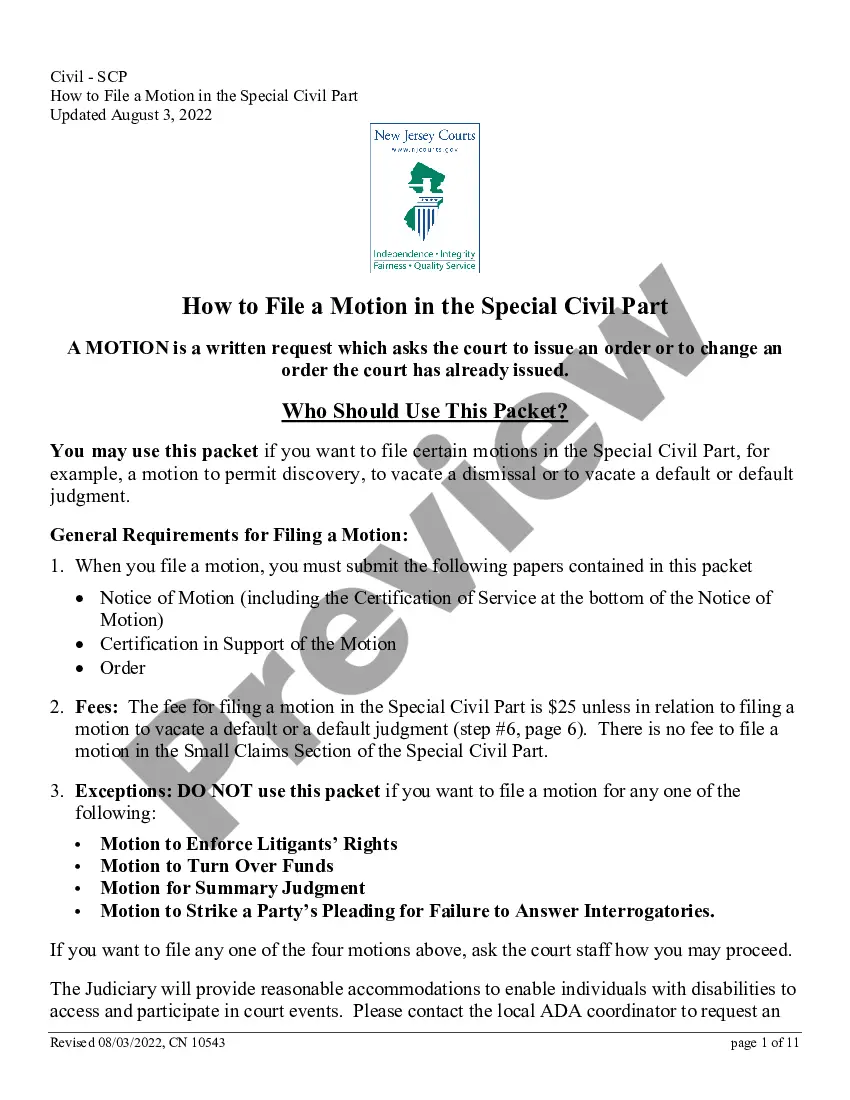

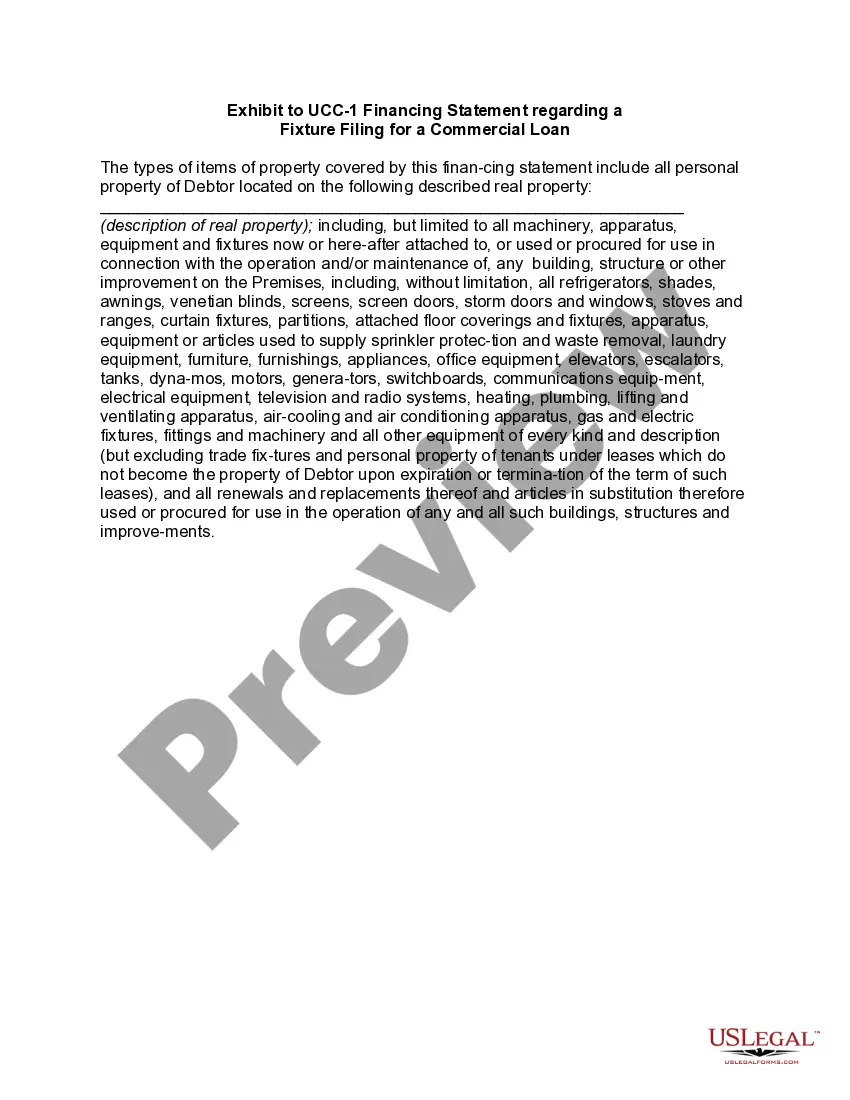
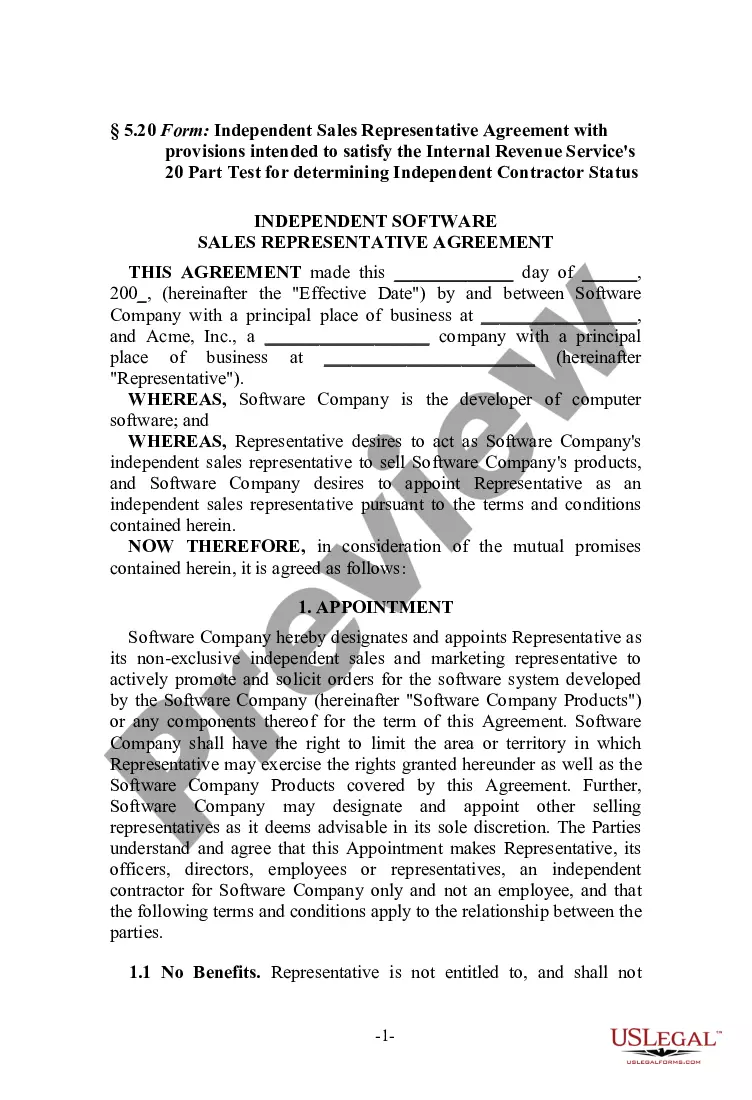

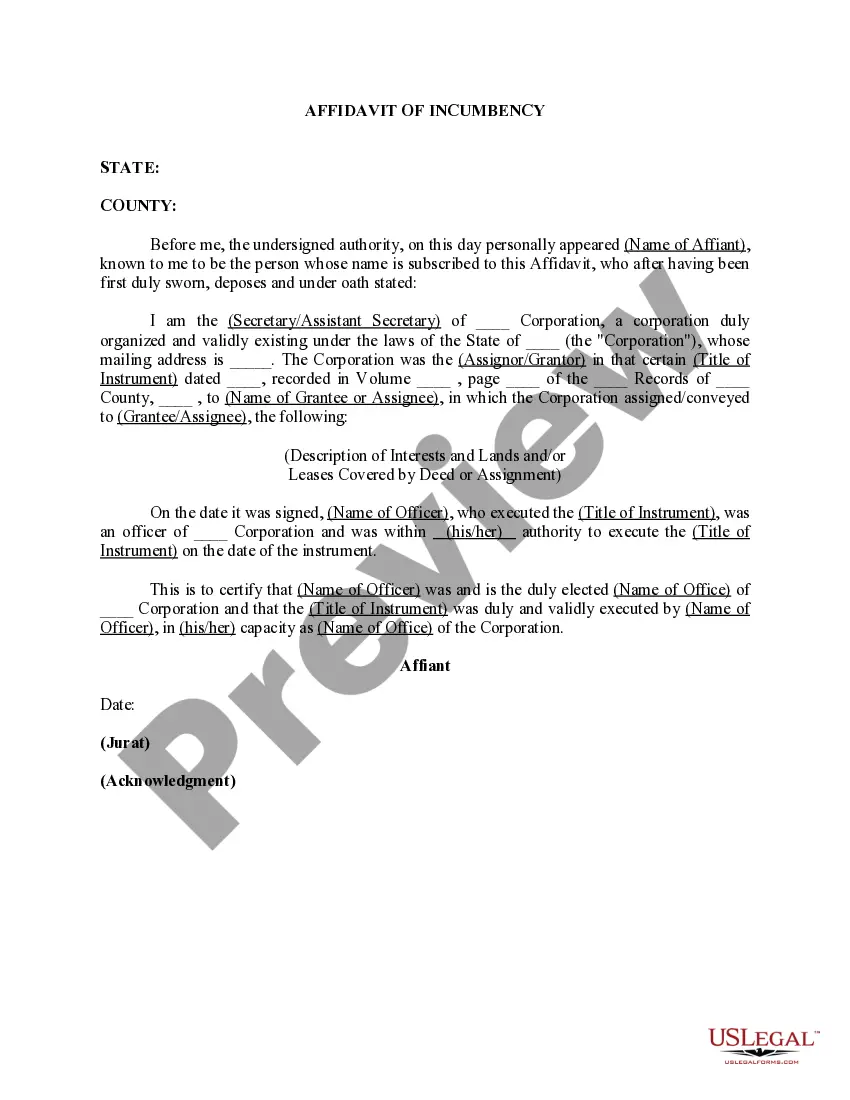

Form popularity
FAQ
Elements: full mailing address of the sender. date on which letter is written. address of person to whom letter is addressed. subject line. salutation. body (the main message) complimentary closing. signature line (be sure to sign your letter)
Knowing Your Legal Rights If a process server arrives at your doorstep and you do not wish to accept the legal documents they are attempting to serve you, you have the right to decline. It's also important to understand that you have a right to privacy and protection from harassment during this process.
You cannot personally serve the other party. A competent person over the age of 18, who is not a party on the case, or a family member; can serve the other party for you. This person could be a friend, sheriff, constable, etc. You can also serve them via mail or serve their attorney.
1. Use formal language: Address the judge as "Honorable Full Name". 2. Include proper titles: Use "Dear Judge Last Name" as the salutation.
In federal court, Federal Rule of Civil Procedure Rule 5(b) allows service by mail by “mailing it to the person's last known address—in which event service is complete upon mailing.” States may also have analogous statutes allowing service by mail.
In Pennsylvania, Service of Process is the procedure by which a party to a lawsuit provides lawful notice of the legal action to another party, court or administrative body. The service of process (court documents) is the legal step a party must take in order to bring the other party into a legal matter.
In California, The most common methods include personal service, where a registered process server personally hands over the court papers to the defendant.
Comply With the Relevant Federal, State, and Local Rules. Research Before Writing. Allege Subject Matter Jurisdiction, Personal Jurisdiction, and Venue. Jurisdiction. Draft Concise and Plain Statement of the Facts. Factual Allegations. Draft Separate Counts for Each Legal Claim. Plead Facts With Particularity Where Necessary.
Protection orders can be filed in four easy steps Step 1: Fill out paperwork at your local courthouse. Step 2: Review paperwork with a judge. Step 3: Judge grants or denies temporary order. Step 4: Attend final hearing to obtain final order.
In order to take full custody either way 1 parent needs to prove that the other is unfit to be a parent and a danger to the child. physical custody normally gets awarded to the parent that shows the most respect twords following the court ordered visitation schedule and willing to be civil with the other parent.
