Court Letter Sample With Attachment In Pennsylvania
Description



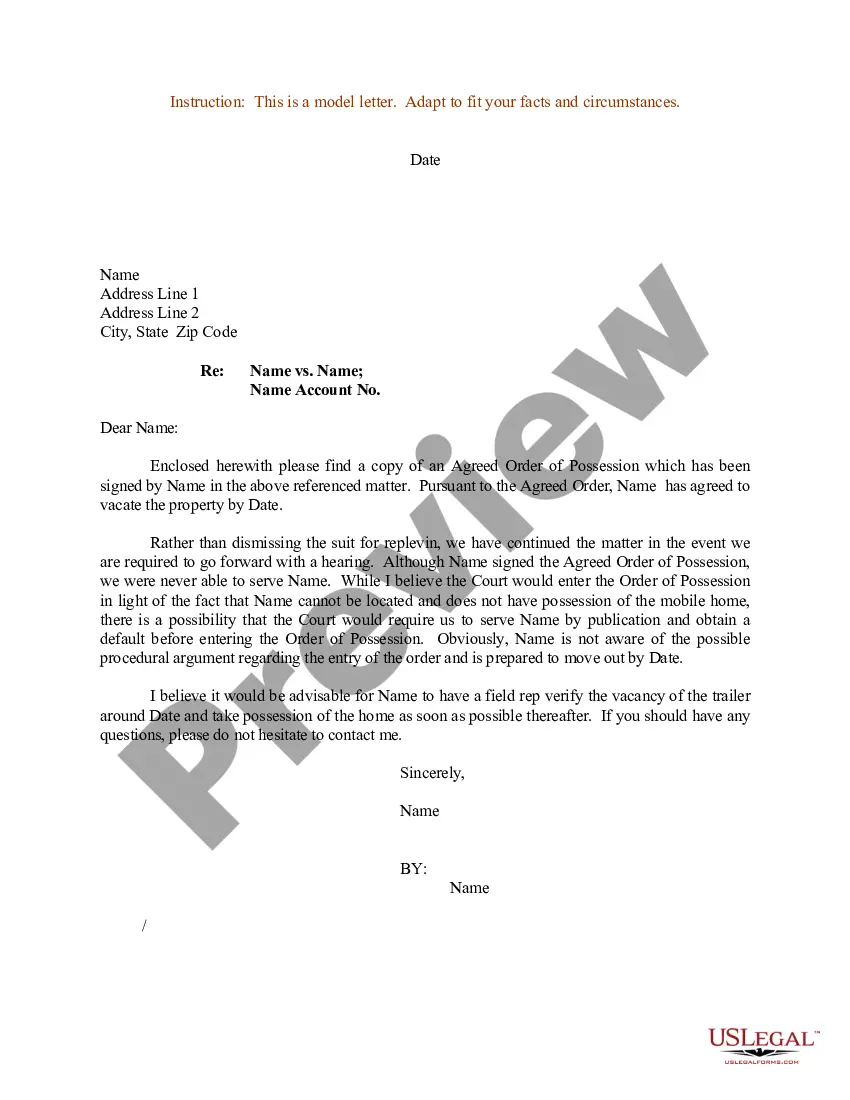
Get your form ready online
Our built-in tools help you complete, sign, share, and store your documents in one place.
Make edits, fill in missing information, and update formatting in US Legal Forms—just like you would in MS Word.
Download a copy, print it, send it by email, or mail it via USPS—whatever works best for your next step.
Sign and collect signatures with our SignNow integration. Send to multiple recipients, set reminders, and more. Go Premium to unlock E-Sign.
If this form requires notarization, complete it online through a secure video call—no need to meet a notary in person or wait for an appointment.
We protect your documents and personal data by following strict security and privacy standards.

Make edits, fill in missing information, and update formatting in US Legal Forms—just like you would in MS Word.

Download a copy, print it, send it by email, or mail it via USPS—whatever works best for your next step.

Sign and collect signatures with our SignNow integration. Send to multiple recipients, set reminders, and more. Go Premium to unlock E-Sign.

If this form requires notarization, complete it online through a secure video call—no need to meet a notary in person or wait for an appointment.

We protect your documents and personal data by following strict security and privacy standards.
Looking for another form?






Form popularity
FAQ
(5) A "confidential" record is a record that, in court proceedings, is required by statute, rule of court, or other authority except a court order under rules 2.550-2.551 or rule 8.46 to be closed to inspection by the public or a party.
Confidential information is personal information shared with only a few people for a designated purpose. The person who is receiving the information from you, the receiver, generally cannot take advantage and use your information for their personal gain, such as giving the information out to unauthorized third parties.
Pursuant to the Case Records Public Access Policy of the Unified Judicial System of Pennsylvania, the Confidential. Information Form shall accompany a filing where confidential information is required by law, ordered by the court, or. otherwise necessary to effect the disposition of a matter.
CONFIDENTIALITY NOTICE: This message and any accompanying documents contain information belonging to the sender which may be confidential and legally privileged. This information is only for the use of the individual or entity to which it was intended.
Pursuant to the Case Records Public Access Policy of the Unified Judicial System of Pennsylvania, the Confidential. Information Form shall accompany a filing where confidential information is required by law, ordered by the court, or. otherwise necessary to effect the disposition of a matter.
You can sue for emotional distress in Pennsylvania if you were in an accident resulting in severe injuries and mental suffering. You can recover compensation for emotional distress and other damages with a personal injury in Pennsylvania case against the liable party.
Pennsylvania's Unified Judicial System provides comprehensive public access to court records online and upon request. Access aggregate numerical data from all courts including caseload statistics, collections information and interactive data dashboards.
(1) All motions shall be in writing, except as permitted by the court or when made in open court during a trial or hearing. (2) A written motion shall comply with the following requirements: (a) The motion shall be signed by the person or attorney making the motion.
As in most states, the statute of limitations in civil cases in Pennsylvania is two years. In most cases, this means that victims have two years from the date of their injury to file a civil lawsuit. However, the statute of limitations is different for minors.
Protection orders can be filed in four easy steps Step 1: Fill out paperwork at your local courthouse. Step 2: Review paperwork with a judge. Step 3: Judge grants or denies temporary order. Step 4: Attend final hearing to obtain final order.

