Court Letter Sample Formal In Pennsylvania
Description



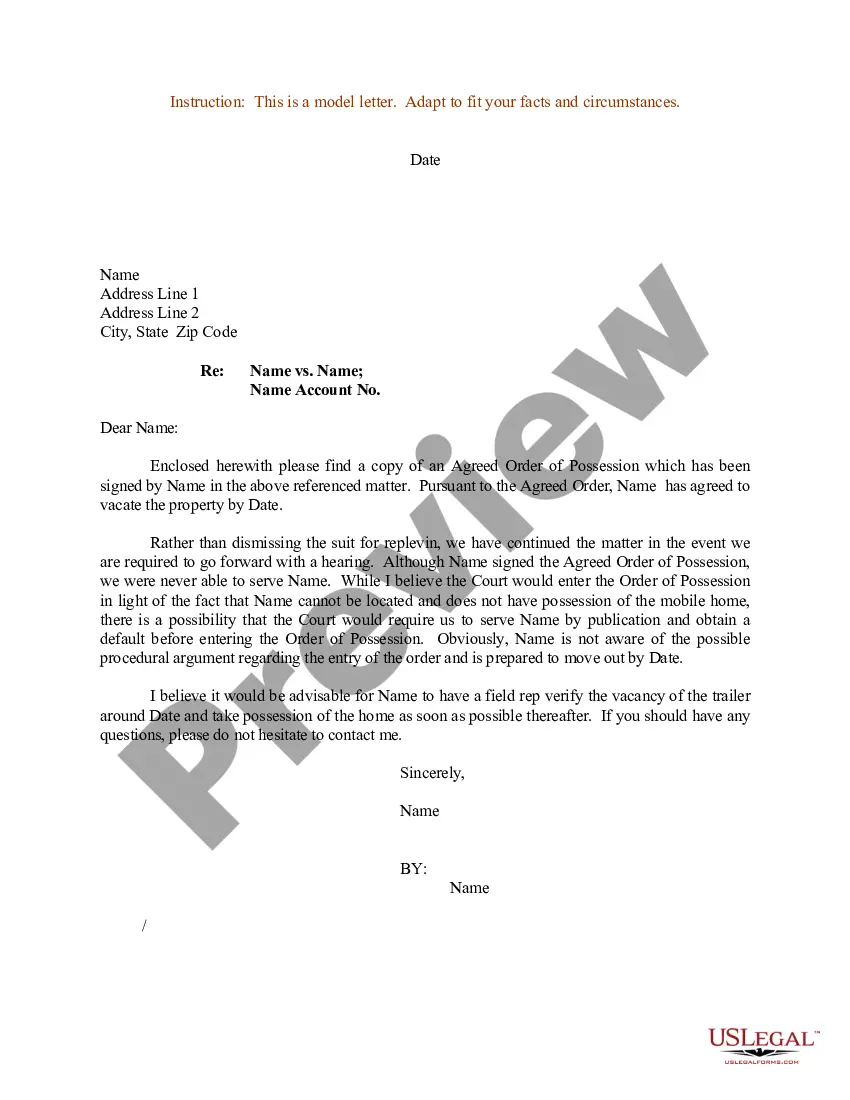
Get your form ready online
Our built-in tools help you complete, sign, share, and store your documents in one place.
Make edits, fill in missing information, and update formatting in US Legal Forms—just like you would in MS Word.
Download a copy, print it, send it by email, or mail it via USPS—whatever works best for your next step.
Sign and collect signatures with our SignNow integration. Send to multiple recipients, set reminders, and more. Go Premium to unlock E-Sign.
If this form requires notarization, complete it online through a secure video call—no need to meet a notary in person or wait for an appointment.
We protect your documents and personal data by following strict security and privacy standards.

Make edits, fill in missing information, and update formatting in US Legal Forms—just like you would in MS Word.

Download a copy, print it, send it by email, or mail it via USPS—whatever works best for your next step.

Sign and collect signatures with our SignNow integration. Send to multiple recipients, set reminders, and more. Go Premium to unlock E-Sign.

If this form requires notarization, complete it online through a secure video call—no need to meet a notary in person or wait for an appointment.

We protect your documents and personal data by following strict security and privacy standards.
Looking for another form?
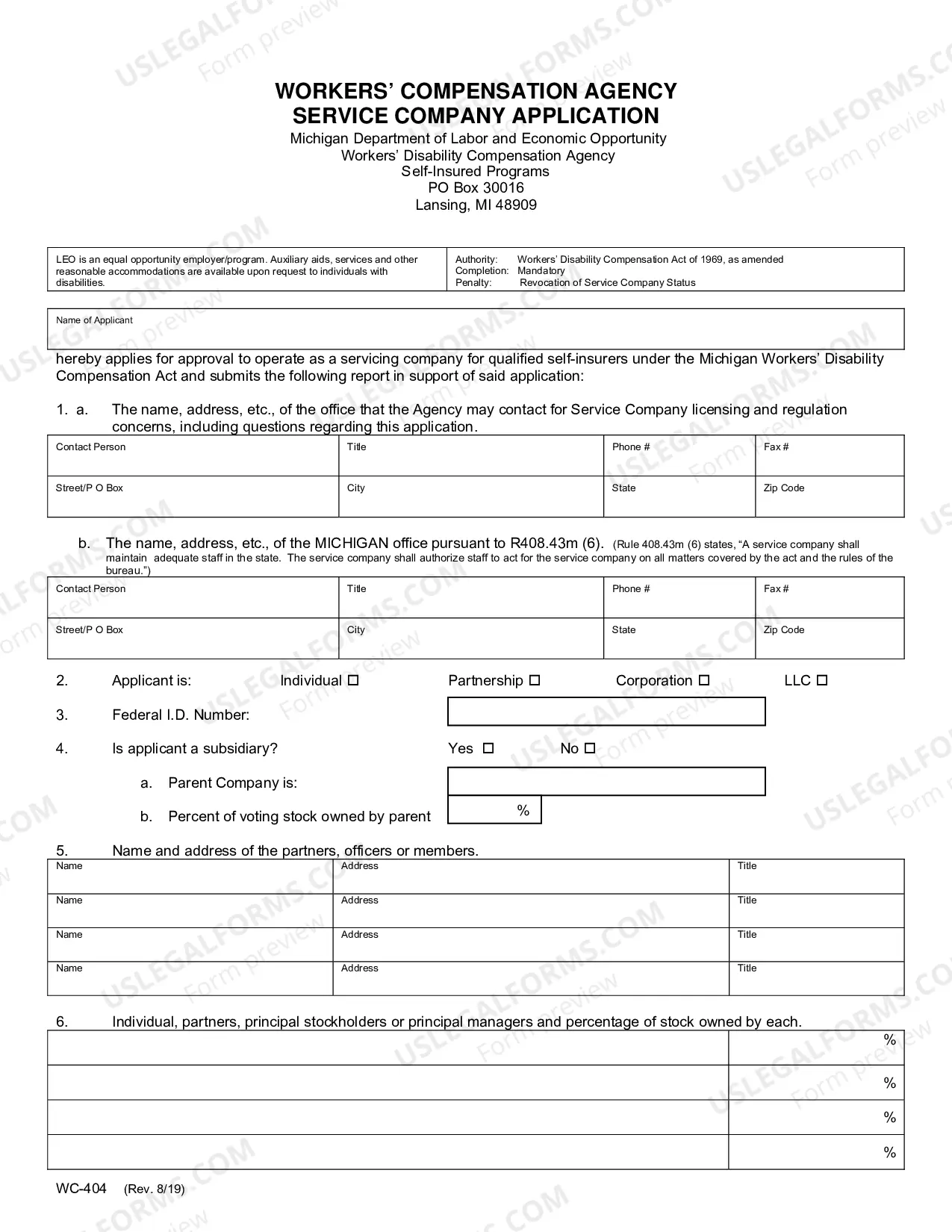


Form popularity
FAQ
If you want to file a motion, the process is generally something like this: You write your motion. You file your motion with the court clerk. The court clerk inserts the date and time your motion will be heard by the judge. You “serve” (mail) your motion to the other side.
(1) All motions shall be in writing, except as permitted by the court or when made in open court during a trial or hearing. (2) A written motion shall comply with the following requirements: (a) The motion shall be signed by the person or attorney making the motion.
A motion is an application to the court made by the prosecutor or defense attorney, requesting that the court make a decision on a certain issue before the trial begins. The motion can affect the trial, courtroom, defendants, evidence, or testimony.
An answer to a motion for judgment on the pleadings or summary judgment, including an opposing affidavit or verification to a motion for summary judgment, may be filed within 20 days of the date of service of the motion.
Comply With the Relevant Federal, State, and Local Rules. Research Before Writing. Allege Subject Matter Jurisdiction, Personal Jurisdiction, and Venue. Jurisdiction. Draft Concise and Plain Statement of the Facts. Factual Allegations. Draft Separate Counts for Each Legal Claim. Plead Facts With Particularity Where Necessary.
Write the Salutation If the letter is intended for a judge, type "Dear Judge (Last name):" and include a colon after the judge's name. If you are addressing it to a member of the court staff, type "Dear Ms. Smith:" and include a colon after the person's name.
You must file a Notice of Appeal in the Court of Common Pleas (where the order from which you are appealing was entered). You must serve a copy of the Notice of Appeal on the other parties, the court reporter, the Court Administrator and the judge who entered the order.
You must file a Notice of Appeal in the Court of Common Pleas (where the order from which you are appealing was entered). You must serve a copy of the Notice of Appeal on the other parties, the court reporter, the Court Administrator and the judge who entered the order.
A former DA explains the 5 most common grands to appeal a criminal conviction. These include erroneous admission of evidence, prosecutorial misconduct, jury misconduct, ineffective assistance of counsel and insufficient evidence.
A writ is essentially an order from the Court commanding a governmental entity to do something. For example, a property owner may have wrongfully been denied a permit to construct a home or a commercial business. The property owner can file a lawsuit claiming that the permit should have been issued.

