Court Letter Sample With Attached Resume In Palm Beach
Description



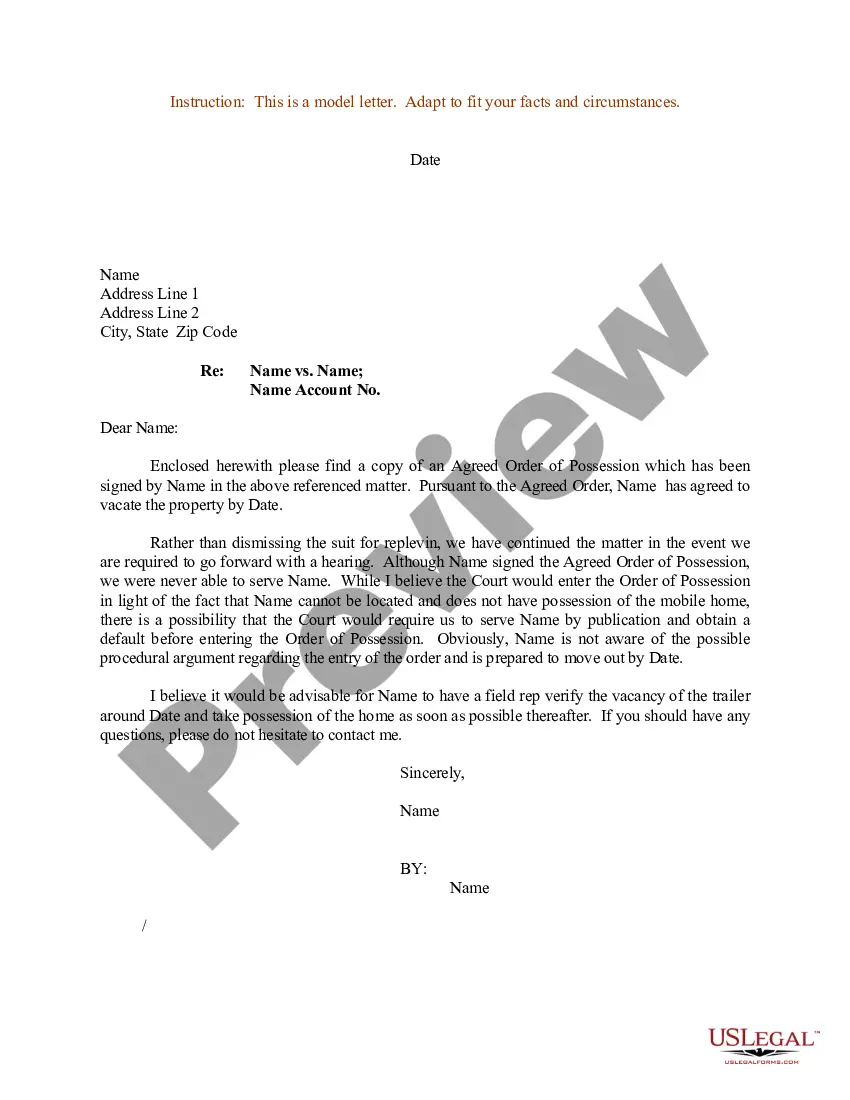
Get your form ready online
Our built-in tools help you complete, sign, share, and store your documents in one place.
Make edits, fill in missing information, and update formatting in US Legal Forms—just like you would in MS Word.
Download a copy, print it, send it by email, or mail it via USPS—whatever works best for your next step.
Sign and collect signatures with our SignNow integration. Send to multiple recipients, set reminders, and more. Go Premium to unlock E-Sign.
If this form requires notarization, complete it online through a secure video call—no need to meet a notary in person or wait for an appointment.
We protect your documents and personal data by following strict security and privacy standards.

Make edits, fill in missing information, and update formatting in US Legal Forms—just like you would in MS Word.

Download a copy, print it, send it by email, or mail it via USPS—whatever works best for your next step.

Sign and collect signatures with our SignNow integration. Send to multiple recipients, set reminders, and more. Go Premium to unlock E-Sign.

If this form requires notarization, complete it online through a secure video call—no need to meet a notary in person or wait for an appointment.

We protect your documents and personal data by following strict security and privacy standards.
Looking for another form?






Form popularity
FAQ
1. A strong presumption of openness exists for all court proceedings. A trial is a public event, and the filed records of court proceedings are public records available for public examination.
How Do I Find Public Records in Florida? For arrest records, contact the Sheriff's Office where the arrest was made. For vital records, visit the Florida Bureau of Vital Statistics. For inmate records, visit the Florida Department of Corrections (FDC). For court records, contact the clerk at the appropriate court.
Anonymous Public/Case Search users may view all court records except those that are expunged or sealed, automatically confidential under rule 2.420(d)(1), Fla, R. Gen.
Include any necessary details to support your request or statement. This may include dates caseMoreInclude any necessary details to support your request or statement. This may include dates case numbers or descriptions of documents 8. Close the letter thank the clerk for their time and assistance.
By Florida law, the Clerk of Courts in each county is the official custodian of court records. Click here to access the Clerk's Online Services, including official records, civil/family/probate cases, criminal cases and traffic cases, or you may call the Clerk's 24-hour voice response system at (305) 275-1155.
Or other relevant announcements. So when you receive a letter from the clerk of courts. It'sMoreOr other relevant announcements. So when you receive a letter from the clerk of courts. It's essential to read it carefully. And take any necessary.
You can access all public dockets and available case documents using the new Appellate Case Information System (ACIS) at .
Copies of contracts, notes, leases, receipts, or other evidence in support of your claim must be attached to your statement of claim, and copied to each person sued and the court. The originals must be brought to the first court appearance. You should provide a full explanation of the reason for your action.
A statement of claim is a document prepared by the plaintiff, that is, the person or company who is initiating the case in the court. A statement of claim usually accompanies a writ or could be otherwise needed during the course of a proceeding.
(1)Statement of Claim. Actions are commenced by the filing of a statement of claim in concise form, which shall inform the defendant of the basis and the amount of the claim. If the claim is based on a written document, a copy or the material part thereof shall be attached to the statement of claim.
