Sample Letter For Court In Ohio
Description



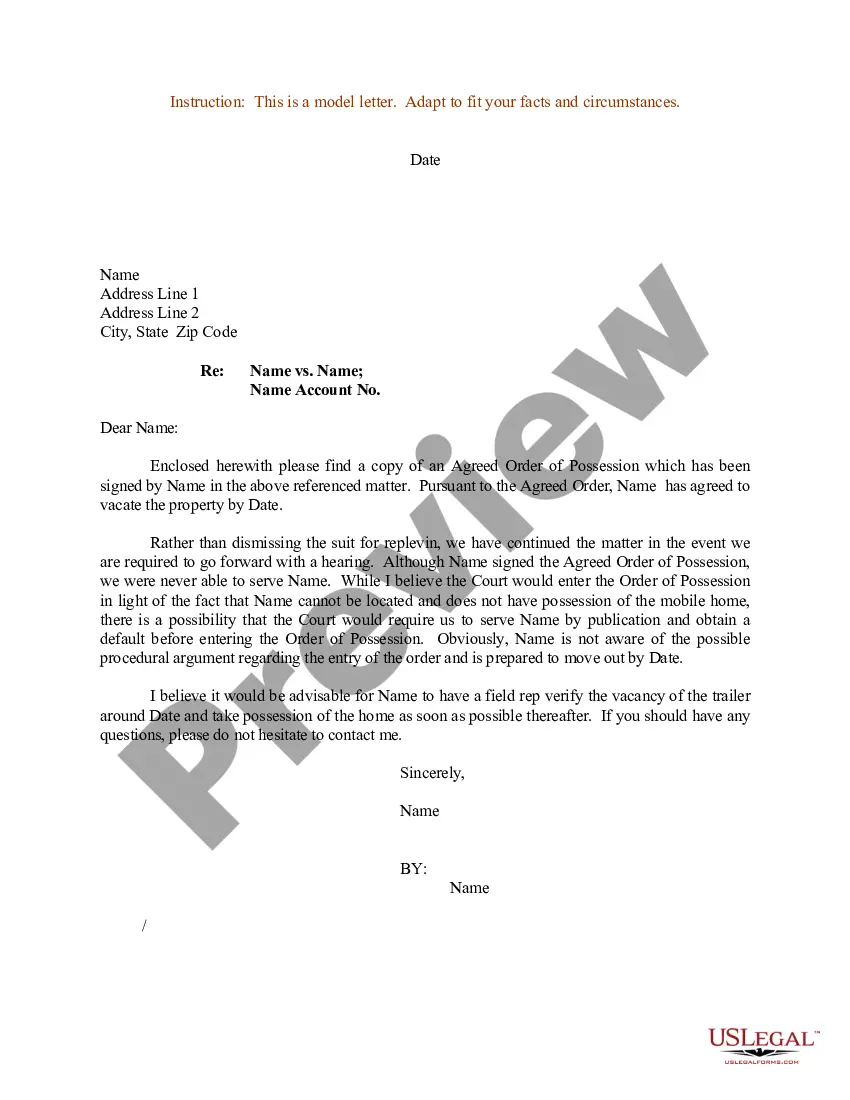
Get your form ready online
Our built-in tools help you complete, sign, share, and store your documents in one place.
Make edits, fill in missing information, and update formatting in US Legal Forms—just like you would in MS Word.
Download a copy, print it, send it by email, or mail it via USPS—whatever works best for your next step.
Sign and collect signatures with our SignNow integration. Send to multiple recipients, set reminders, and more. Go Premium to unlock E-Sign.
If this form requires notarization, complete it online through a secure video call—no need to meet a notary in person or wait for an appointment.
We protect your documents and personal data by following strict security and privacy standards.

Make edits, fill in missing information, and update formatting in US Legal Forms—just like you would in MS Word.

Download a copy, print it, send it by email, or mail it via USPS—whatever works best for your next step.

Sign and collect signatures with our SignNow integration. Send to multiple recipients, set reminders, and more. Go Premium to unlock E-Sign.

If this form requires notarization, complete it online through a secure video call—no need to meet a notary in person or wait for an appointment.

We protect your documents and personal data by following strict security and privacy standards.
Looking for another form?



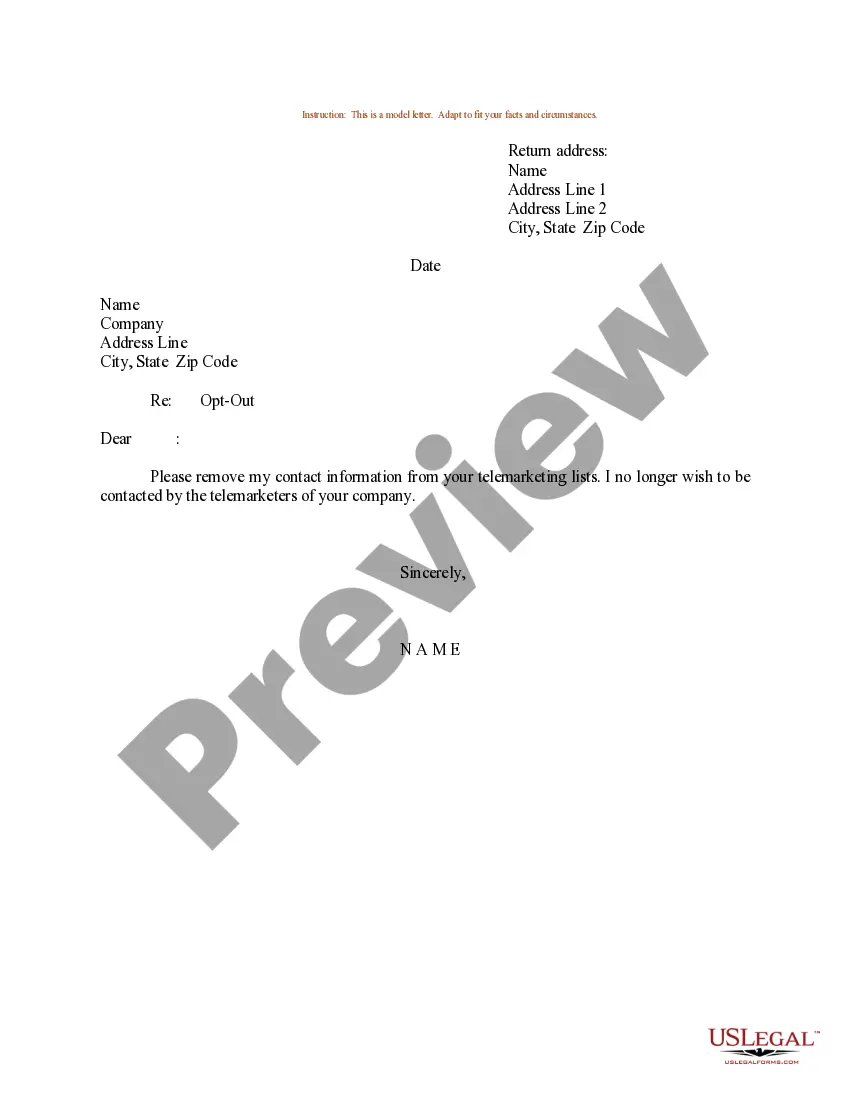






Form popularity
FAQ
Letters from non-lawyers to judges are absolutely to be avoided. They are inappropriate and violate many rules regarding proper communication with judges. Some letters may be in violation of criminal law that prohibits improper efforts to influenc...
Introduce yourself in the opening paragraph. Outline your relationship with the person who is the subject of the legal proceedings. Acknowledge the charges that have been brought against the person. State your opinion of the person's general character.
Determine What is “Relevant” to Your Case First, determine what is most important to you. Second, organize your declaration. Third, proofread & condense. Know what your audience is focused on. Tell the truth. Anticipate opposing party's response. Advocate for yourself. Use proof to validate your case.
General format - each motion generally consists of a case caption, a title that briefly identifies the relief sought, a series of numbered paragraphs that explains -- in a logical way -- why you are entitled to that relief, a prayer for relief, a signature block, a certification that a copy of the motion was sent to ...
Follow the order of this format, leaving a space in between each section: Your Information (first thing that goes on the inside of the letter) Name. The Date. The Judge's Information. Honorable Judge First Name Last Name. What the Letter Is Going to Address. Salutation. Body. Signature.
Format full mailing address of the sender. date on which letter is written. address of person to whom letter is addressed. subject line. salutation. body (the main message) complimentary closing. signature line (be sure to sign your letter)
They should be addressed either to the Honorable FIRST NAME LAST NAME or Judge FIRST NAME LAST NAME. Although you can put the case number on the letter, it is not necessary, as it will be submitted by the lawyer.
The letters should be addressed to ``To Whom It May Concern'' and be concise, ideally 2-5 paragraphs, focusing on sincerity. The content should highlight how the writer knows the defendant, the defendant's positive characteristics, obstacles overcome, potential as a valuable citizen, and future goals.
Follow the order of this format, leaving a space in between each section: Your Information (first thing that goes on the inside of the letter) Name. The Date. The Judge's Information. Honorable Judge First Name Last Name. What the Letter Is Going to Address. Salutation. Body. Signature.

