Court Letter Sample For Request In North Carolina
Description



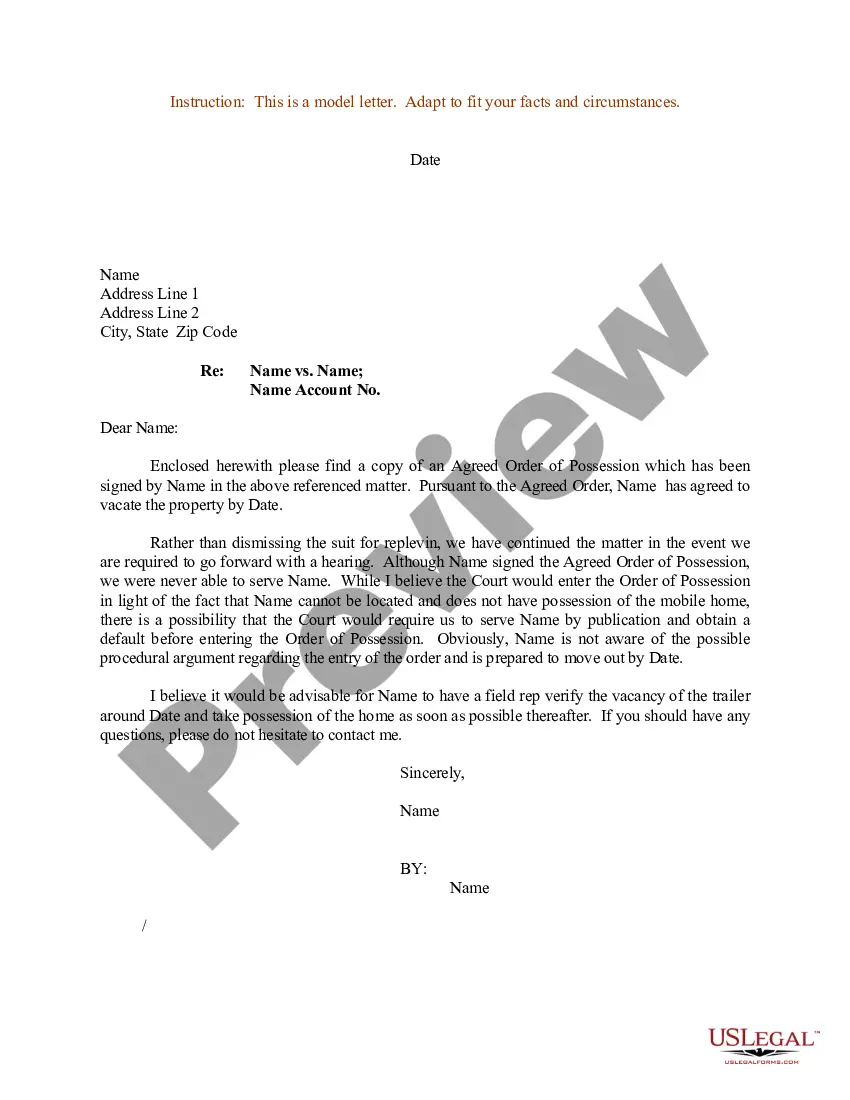
Get your form ready online
Our built-in tools help you complete, sign, share, and store your documents in one place.
Make edits, fill in missing information, and update formatting in US Legal Forms—just like you would in MS Word.
Download a copy, print it, send it by email, or mail it via USPS—whatever works best for your next step.
Sign and collect signatures with our SignNow integration. Send to multiple recipients, set reminders, and more. Go Premium to unlock E-Sign.
If this form requires notarization, complete it online through a secure video call—no need to meet a notary in person or wait for an appointment.
We protect your documents and personal data by following strict security and privacy standards.

Make edits, fill in missing information, and update formatting in US Legal Forms—just like you would in MS Word.

Download a copy, print it, send it by email, or mail it via USPS—whatever works best for your next step.

Sign and collect signatures with our SignNow integration. Send to multiple recipients, set reminders, and more. Go Premium to unlock E-Sign.

If this form requires notarization, complete it online through a secure video call—no need to meet a notary in person or wait for an appointment.

We protect your documents and personal data by following strict security and privacy standards.
Looking for another form?

Form popularity
FAQ
The process of writing a request letter should ideally occur on official stationery, following steps such as including the address and date, reference and subject, salutation, detailed paragraphs and a coherent conclusion.
What to include in your document request email or letter Introduce yourself. State who you are using full name, position and company name. Purpose for written request. Then, explain why you are writing. Call to action. Benefit to the client. Closing. Contact Information.
Smith, I am requesting my complete client files in your possession. I am asking that you return to me as soon as possible. I want them for my records and in case they are needed in the future.
Hello, I hope this letter finds you well. My name is INSERT NAME and I am with INSERT ORGANIZATION. I am writing because I need any and all written records pertaining to the case(s) and/or person(s) listed below. As well, please find enclosed a print out of the Judicial Case Search and/or CJIS document(s).
1. Use formal language: Address the judge as "Honorable Full Name". 2. Include proper titles: Use "Dear Judge Last Name" as the salutation.
A court letter, also known as a legal letter or court correspondence, refers to a written document used in legal proceedings. It's a type of formal communication addressed to court personnel, such as a judge, attorney, or another party involved in a legal case.
Character Letter for Court Sample Template First Paragraph: Begin by introducing yourself. Then, describe your relationship with the individual for whom you are writing the letter, including how long you've known them and the nature of your connection. Second Paragraph: State the purpose of your letter.
Under a power of attorney, an individual decides who will assist him or her with important decisions and the management of his or her own affairs and delegates that authority in a written document(s) without a court proceeding.
Refer to the judge as “the Court”, “his honor,” or “her honor” if you need to refer to the judge while addressing a witness or the jury. Stop speaking if the judge begins to speak.
Be sure to include the case name and case number on both the letter and the envelope. The salutation (opener) is either ``May it please the Court'' (preferred) or ``May it please Your Honour'' (``Your Honor'') -- this wording works for any jurisdiction in the world in a letter from a non-lawyer.

