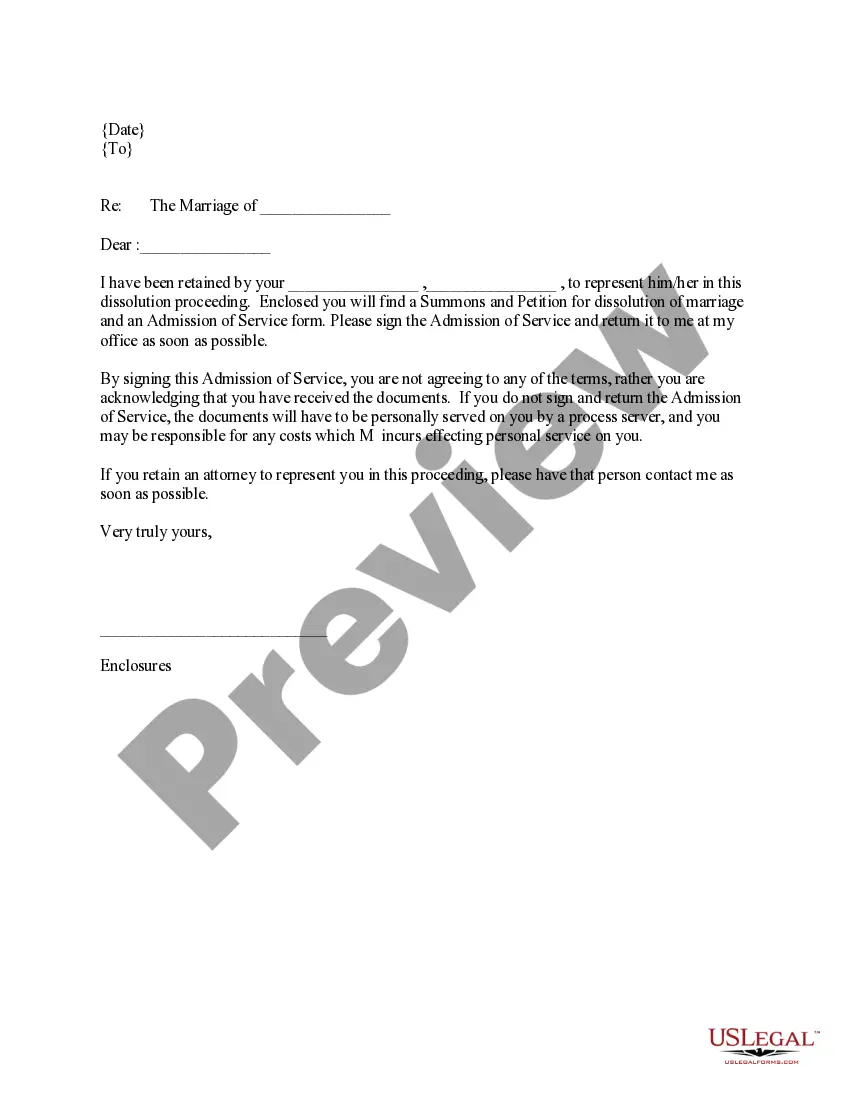
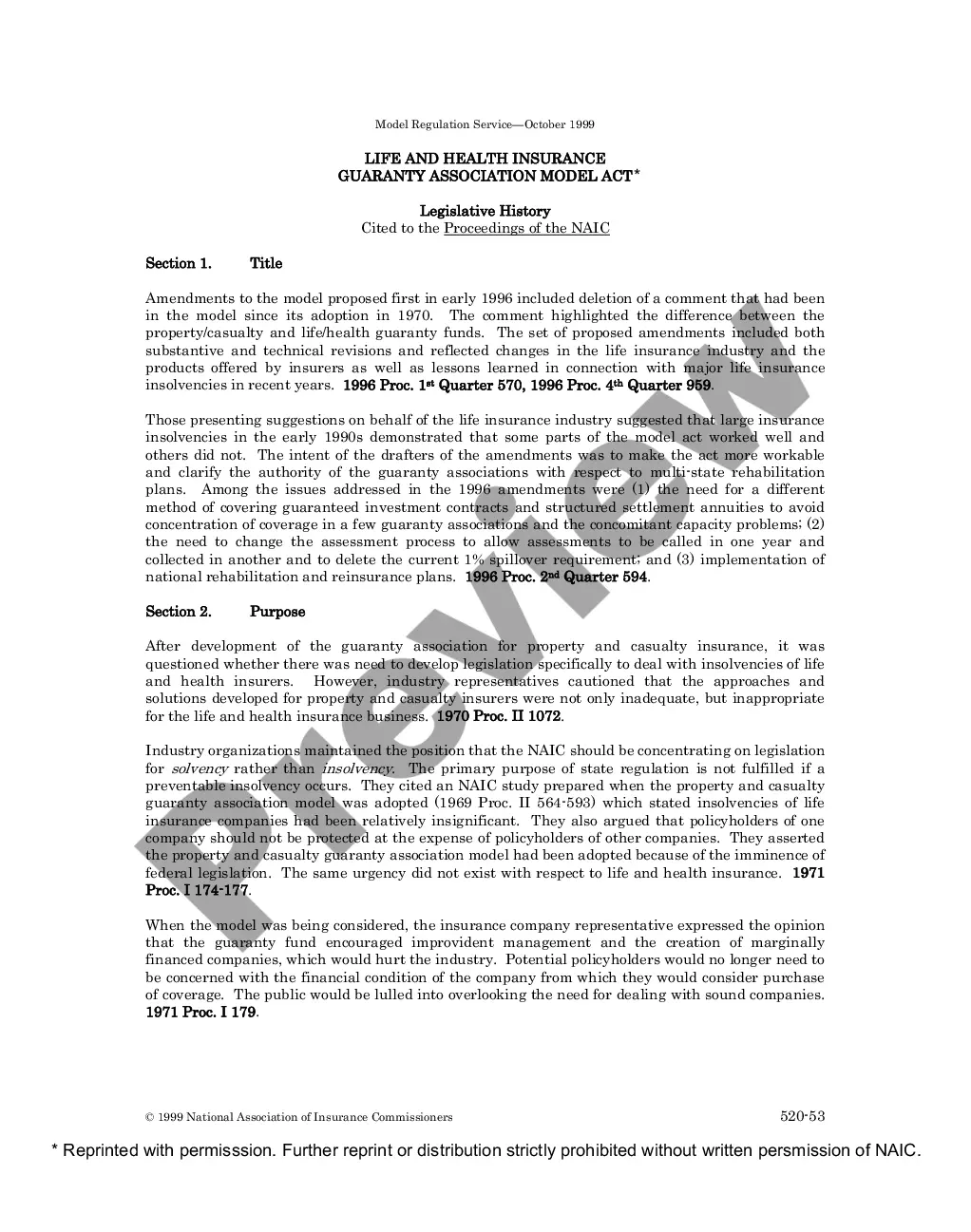
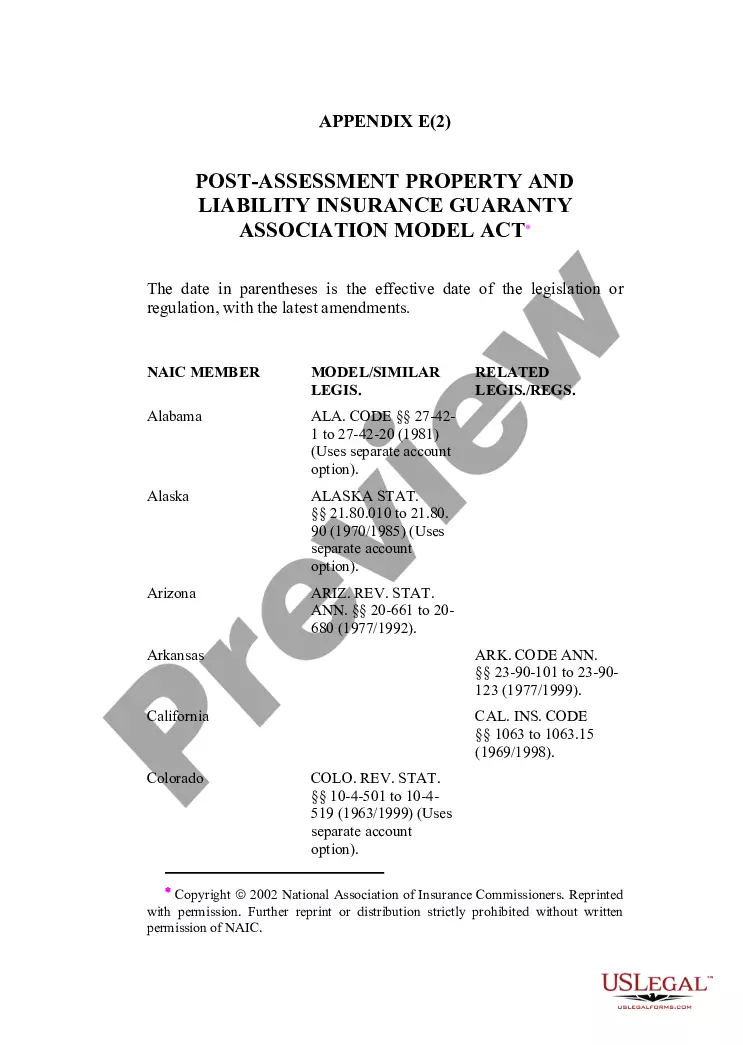
Post Assessment Property and Liability Insurance Guaranty Association Model Act
About this form
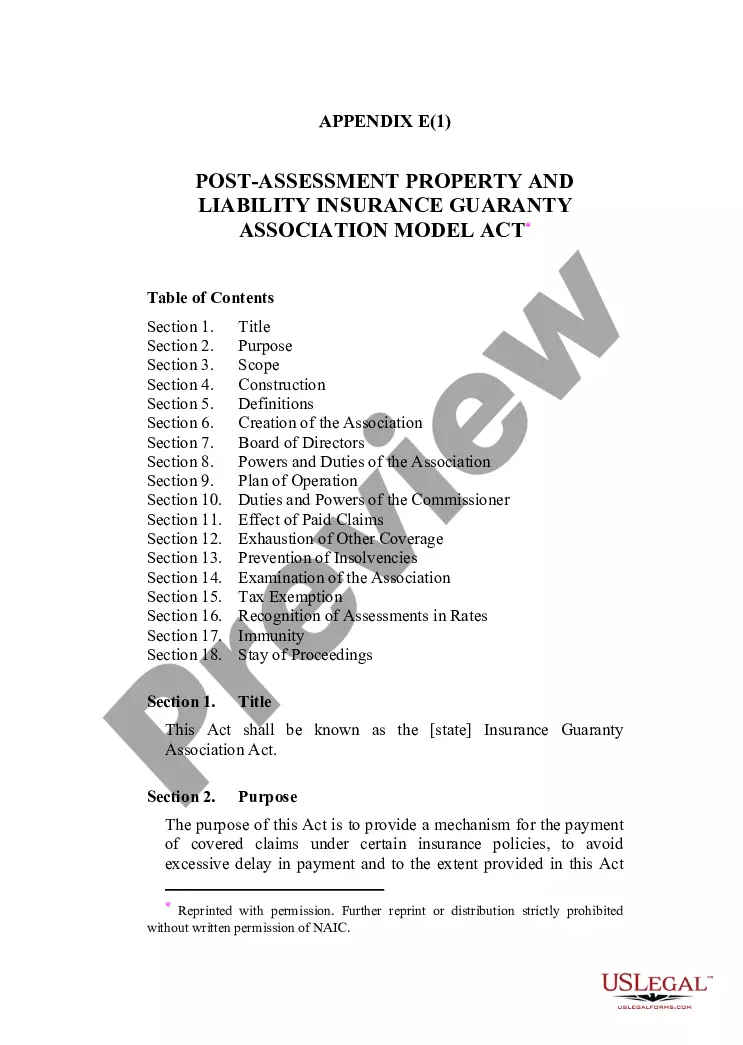
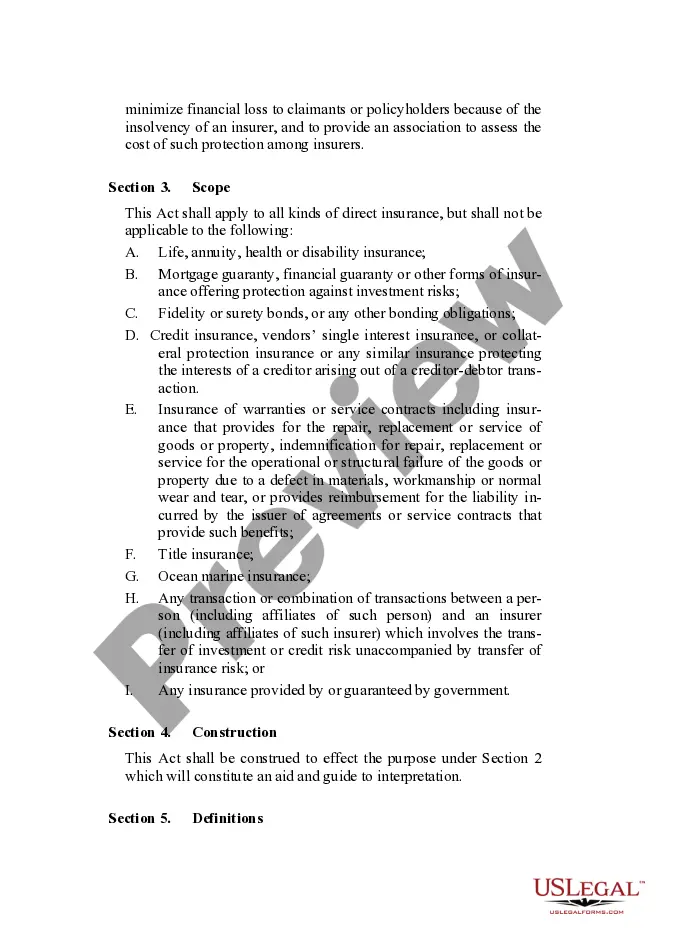
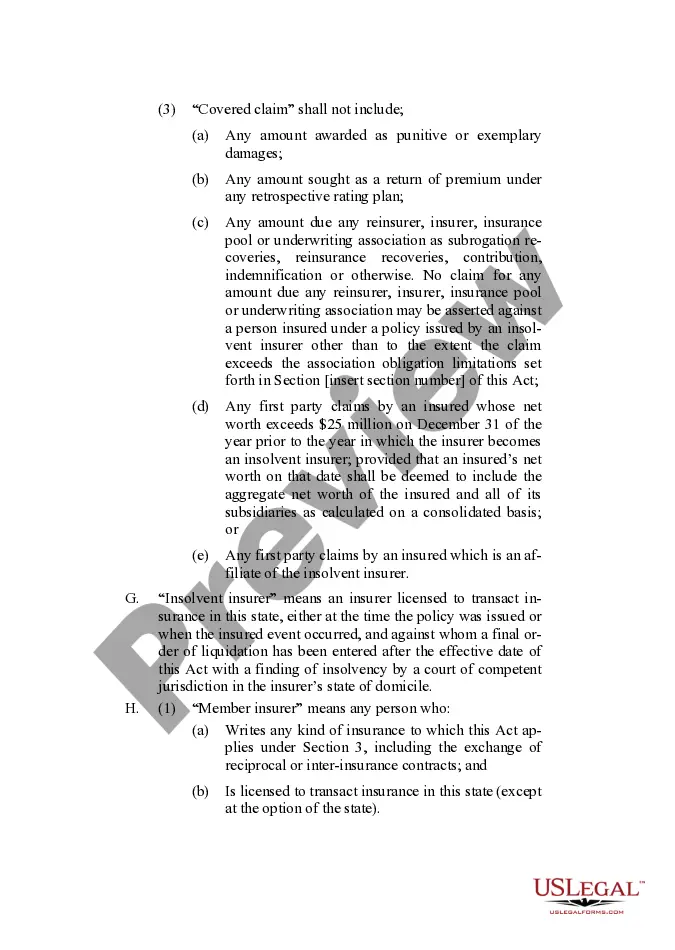
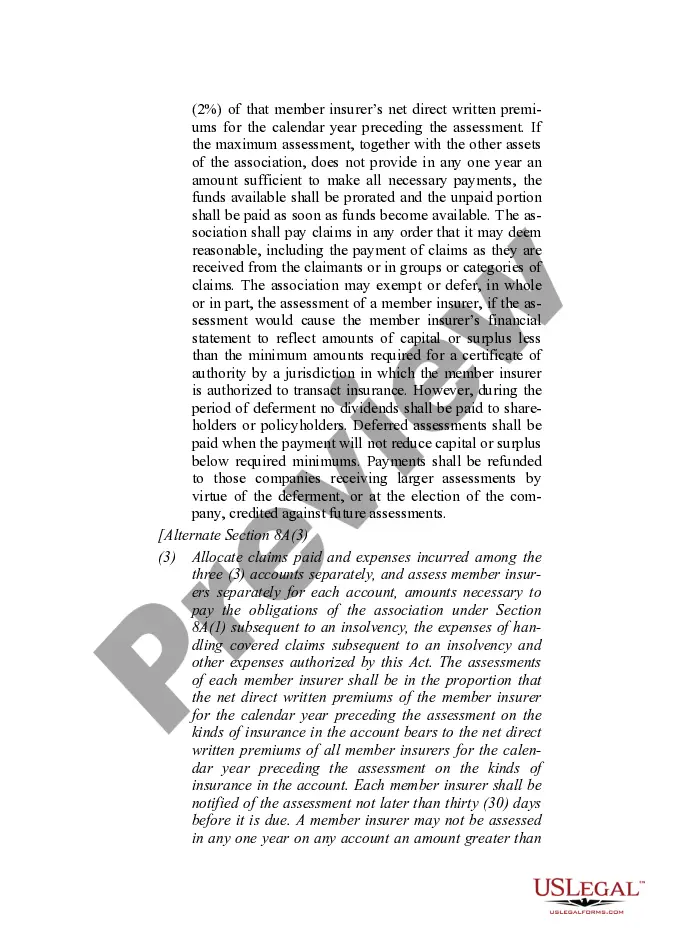
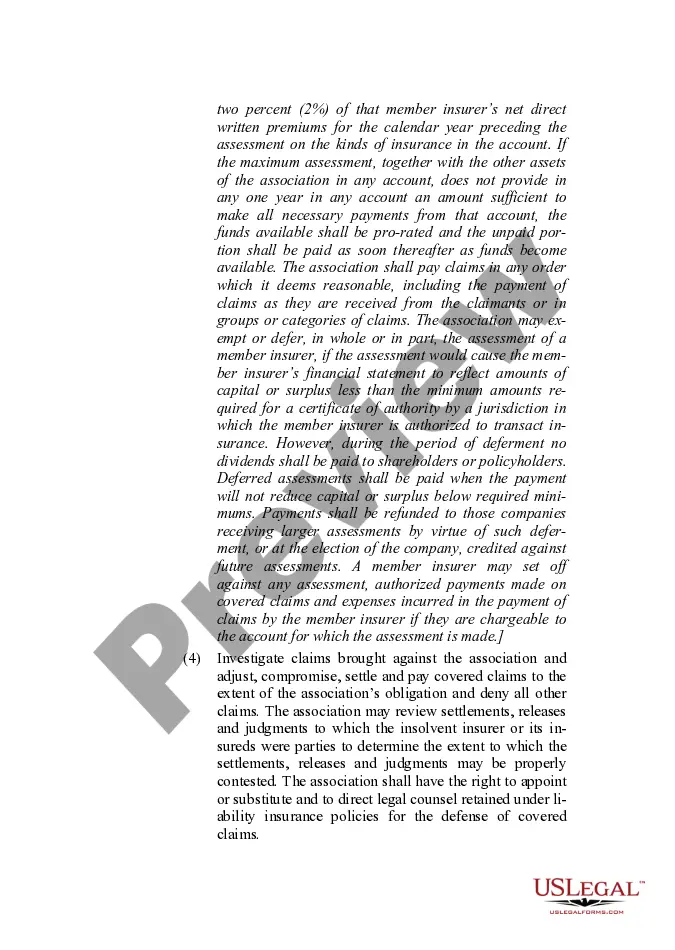
The Post Assessment Property and Liability Insurance Guaranty Association Model Act is a legal framework designed to ensure that policyholders receive payment for covered claims when their insurance companies become insolvent. This act establishes a mechanism for managing unpaid claims and allows for the assessment of member insurers to cover such costs, thus preventing delays in financial compensation for claimants. Unlike other insurance forms, this act specifically addresses situations where an insurer fails to fulfill its obligations due to insolvency, thereby providing additional security to policyholders.
Main sections of this form
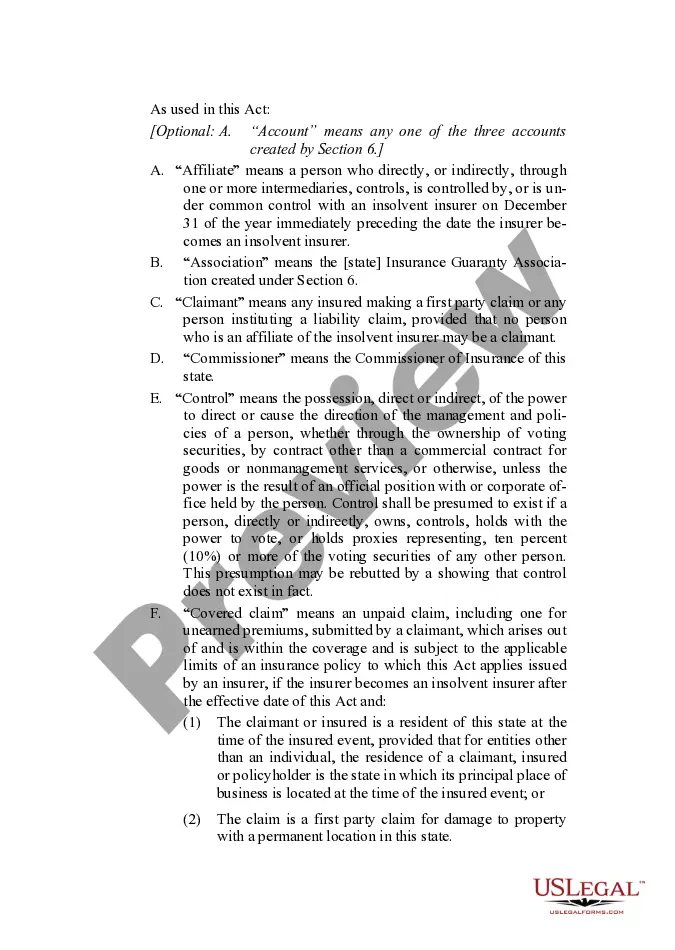
- Definitions of key terms including "covered claim" and "insolvency"
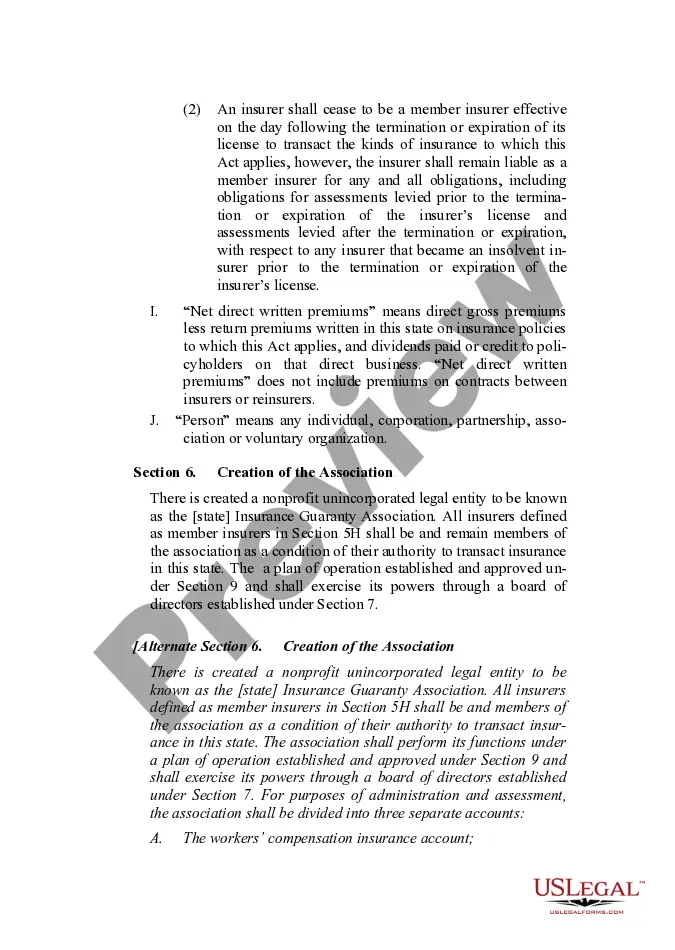
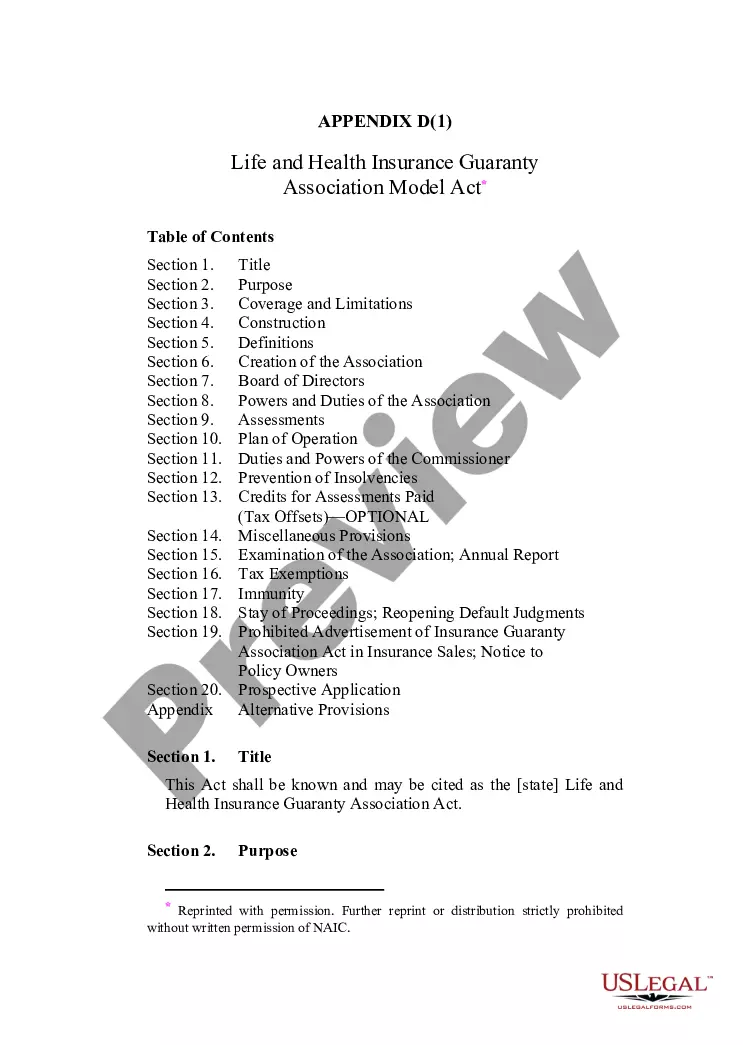
- Establishment of the state Insurance Guaranty Association
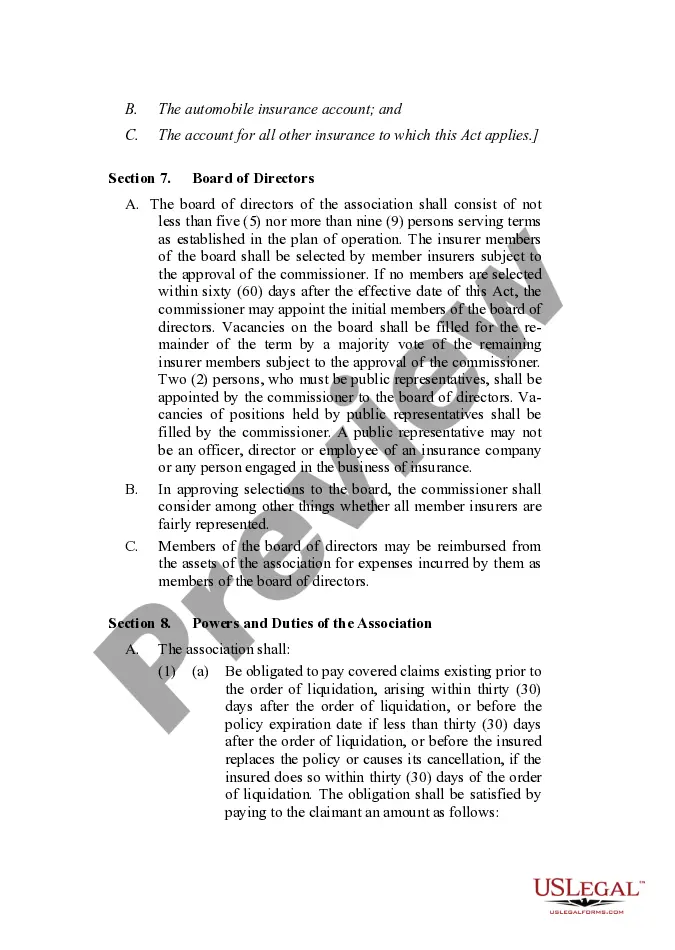
- Board of Directors responsibilities and composition
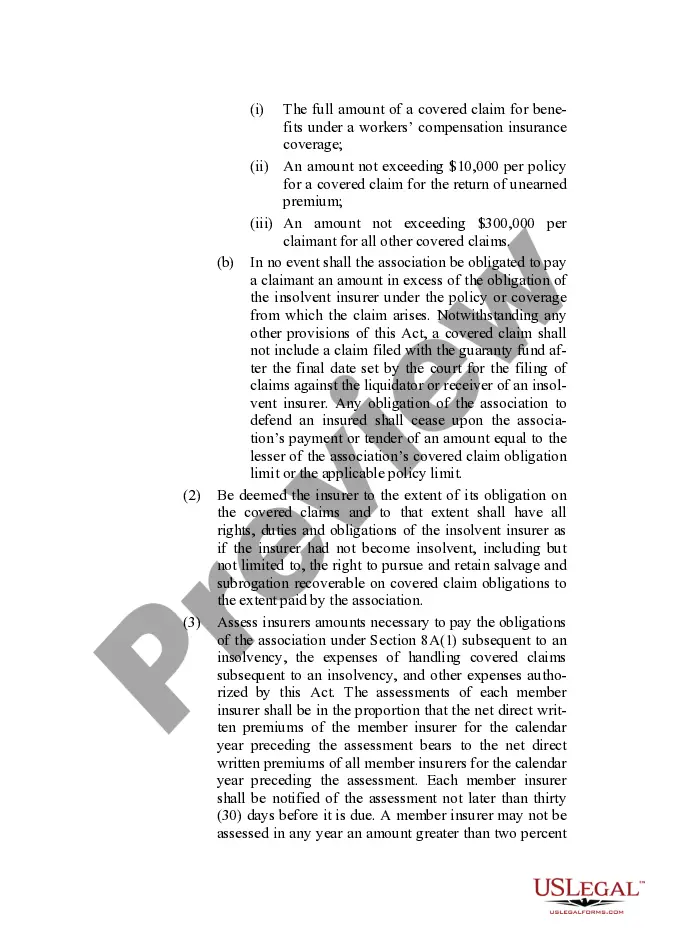
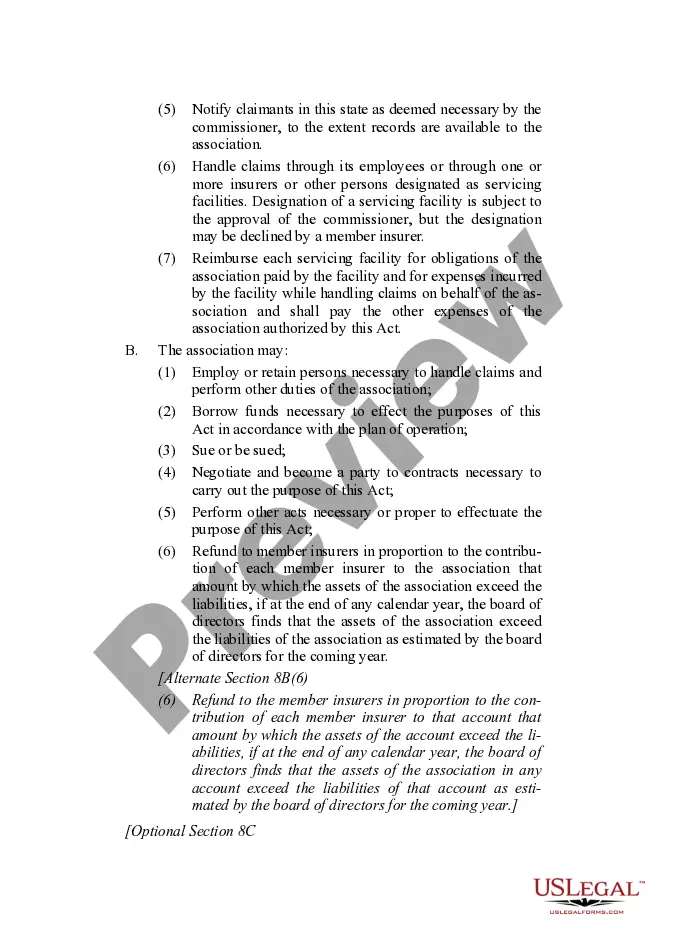
- Powers and duties related to managing claims and financial assessments
- Procedures for handling covered claims and member insurers' assessments
- Tax exemptions and limitations on liability for board members and the association


When to use this form
This form is used when an insurance company becomes insolvent and claimants are unable to recover benefits for covered claims. Specific scenarios include instances where insured individuals or entities submit claims for compensation due to the insurer's inability to pay, such as in the case of property damage, liability claims, or unearned premiums. The act provides a structured approach to ensure that financial obligations are met even in situations of insurer insolvency.
Intended users of this form
- Insurance policyholders seeking compensation for covered claims
- Insurers and agents needing to understand their obligations under the act
- Legal representatives assisting clients with claims arising from insurer insolvency
Completing this form step by step
- Identify the claimant and provide relevant contact information.
- Specify the type of insurance policy and the coverage details.
- Document the circumstances surrounding the claim and attach supporting evidence.
- Sign and date the form to certify the information provided is accurate.
- Submit the form according to the guidelines set by the state Insurance Guaranty Association.
Notarization guidance
This form does not typically require notarization to be legally valid. However, some jurisdictions or document types may still require it. US Legal Forms provides secure online notarization powered by Notarize, available 24/7 for added convenience.
Get your form ready online
Our built-in tools help you complete, sign, share, and store your documents in one place.
Make edits, fill in missing information, and update formatting in US Legal Forms—just like you would in MS Word.
Download a copy, print it, send it by email, or mail it via USPS—whatever works best for your next step.
Sign and collect signatures with our SignNow integration. Send to multiple recipients, set reminders, and more. Go Premium to unlock E-Sign.
If this form requires notarization, complete it online through a secure video call—no need to meet a notary in person or wait for an appointment.
We protect your documents and personal data by following strict security and privacy standards.

Make edits, fill in missing information, and update formatting in US Legal Forms—just like you would in MS Word.

Download a copy, print it, send it by email, or mail it via USPS—whatever works best for your next step.

Sign and collect signatures with our SignNow integration. Send to multiple recipients, set reminders, and more. Go Premium to unlock E-Sign.

If this form requires notarization, complete it online through a secure video call—no need to meet a notary in person or wait for an appointment.

We protect your documents and personal data by following strict security and privacy standards.
Avoid these common issues
- Not providing complete information about the insurance policy.
- Failing to include supporting documentation with the claim.
- Submitting the form after the deadline has passed.
- Omitting to sign or date the form before submission.
Benefits of using this form online
- Convenience of completing and submitting the form from any location.
- Editable templates that can be customized to suit individual needs.
- Quick access to legal forms drafted by licensed attorneys, ensuring compliance with state laws.
- Streamlined process for managing claims and receiving timely payments.
Legal use & context
- This act provides legal grounds for recovering claims when an insurer becomes insolvent.
- It outlines responsibilities and protects both claimants and insurers during the claims process.
- The adoption of this act can vary by state, impacting enforceability and procedures.
Main things to remember
- The Post Assessment Property and Liability Insurance Guaranty Association Model Act ensures policyholders are protected in case of insurer insolvency.
- Claimants need to follow specific procedures to submit claims under this act.
- Understanding the key components will help reduce errors and streamline the claims process.
Definitions you should know
- Covered claim: An unpaid claim under a relevant insurance policy due to insurer insolvency.
- Insolvency: A situation where an insurance company is unable to meet its financial obligations.
- Member insurer: An insurer that is part of the Insurance Guaranty Association and liable for assessments.
Looking for another form?


Form popularity
FAQ
Set Dues Based on Unit Value HOA dues are usually charged one of three ways: Equal share If there are 100 units, the total budget is divided by 100. Square footage Units pay a pro rata share based on their size.Note: Some states specifically prevent HOA dues from being divided this way.
Q: What is my Property Owners Association (POA) annual assessment? A:The POA's annual assessment is the amount due from each property owner to cover the operating expenses of the common area and provide for reserve funds for replacement of common facilities in future years.
If collection attempts for a special assessment fails as a personal obligation, the HOA can place a lien on the owner's property. The HOA records a notice of delinquent assessment with the county against the owner's interest in the development.
If a homeowner doesn't pay the required assessments, the HOA may choose to try to collect those dues through normal collection processes (like by making collection calls and sending demand letters), by filing a civil suit to obtain a personal judgment against the homeowner, or by initiating a foreclosure.
The special assessment becomes an obligation of the owners on the date the board or the membership adopts the resolution. The owner at the time the assessment is adopted is responsible for the payment of the special assessment, though the adoption of the assessment may create a lien against the owner's property.
If collection attempts for a special assessment fails as a personal obligation, the HOA can place a lien on the owner's property. The HOA records a notice of delinquent assessment with the county against the owner's interest in the development.
Ask to see the HOA budget. Join the HOA board. Review the HOA's contracts. Reduce landscaping costs. Determine if HOA is paying too much in property management fees. Look at insurance premiums. Defer non-essential maintenance or other projects.
It is up to the board of directors to set annual HOA fees. They look at the overall operating expenses of the community things like utilities, vendor services, overhead costs, maintenance, insurance, etc. as well as contributions to the reserve fund.
Assessment fees are payments the homeowners' association (HOA) collects from owners to cover expenses the HOA is responsible for, but that aren't covered in the regular monthly fees. Take lawn care, for example.The HOA board of directors may vote to impose an assessment fee to pay for that expense.