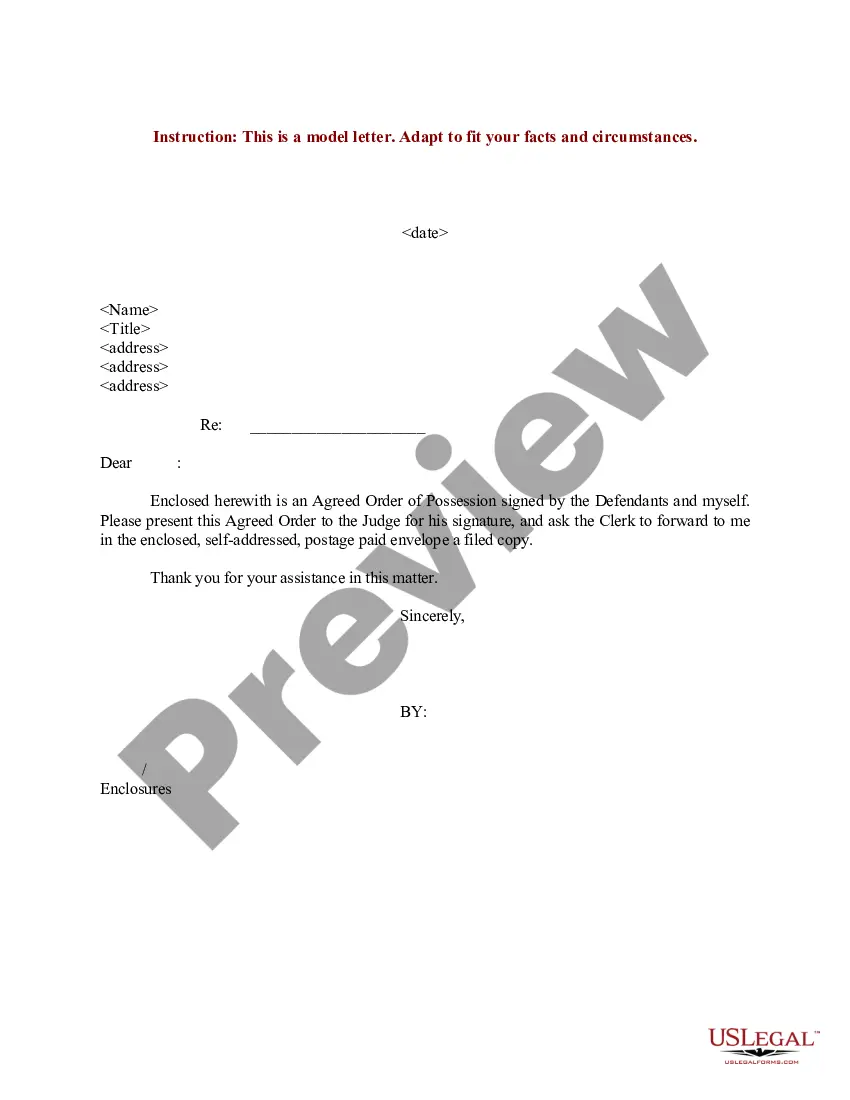
Sample Letter To Court For Adjournment In Michigan
Description
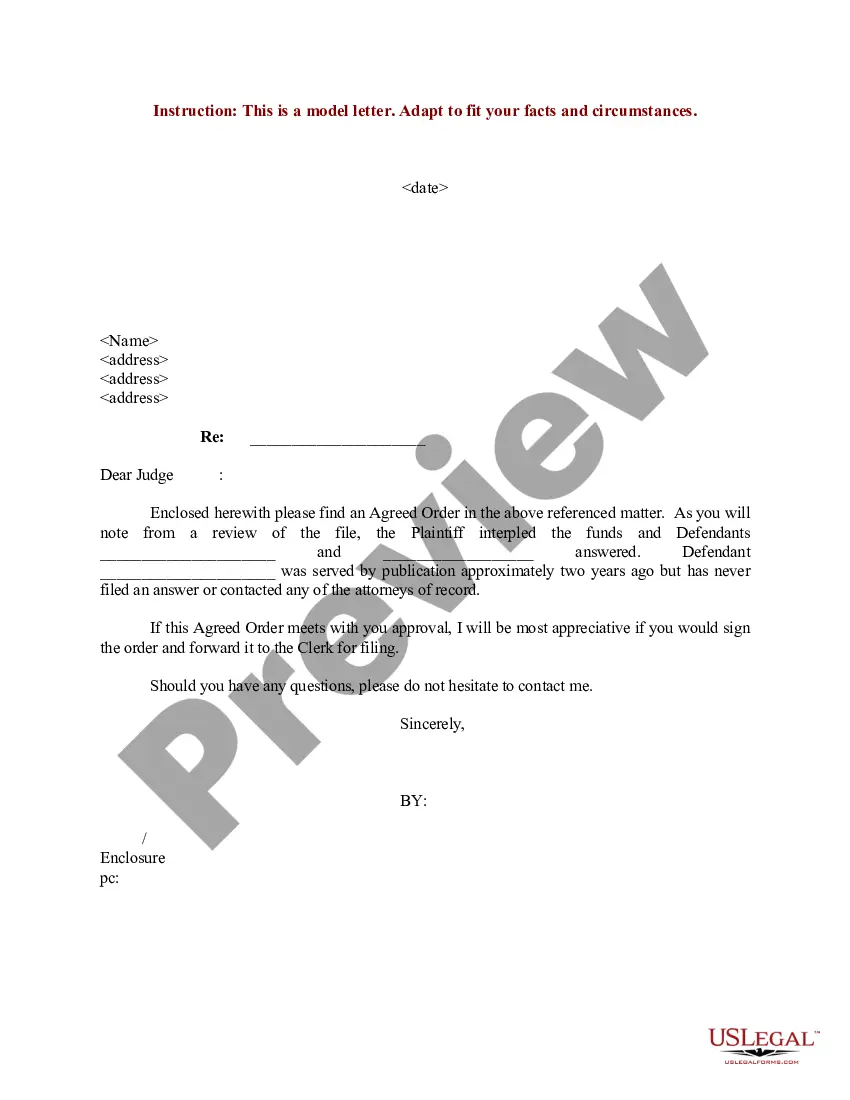
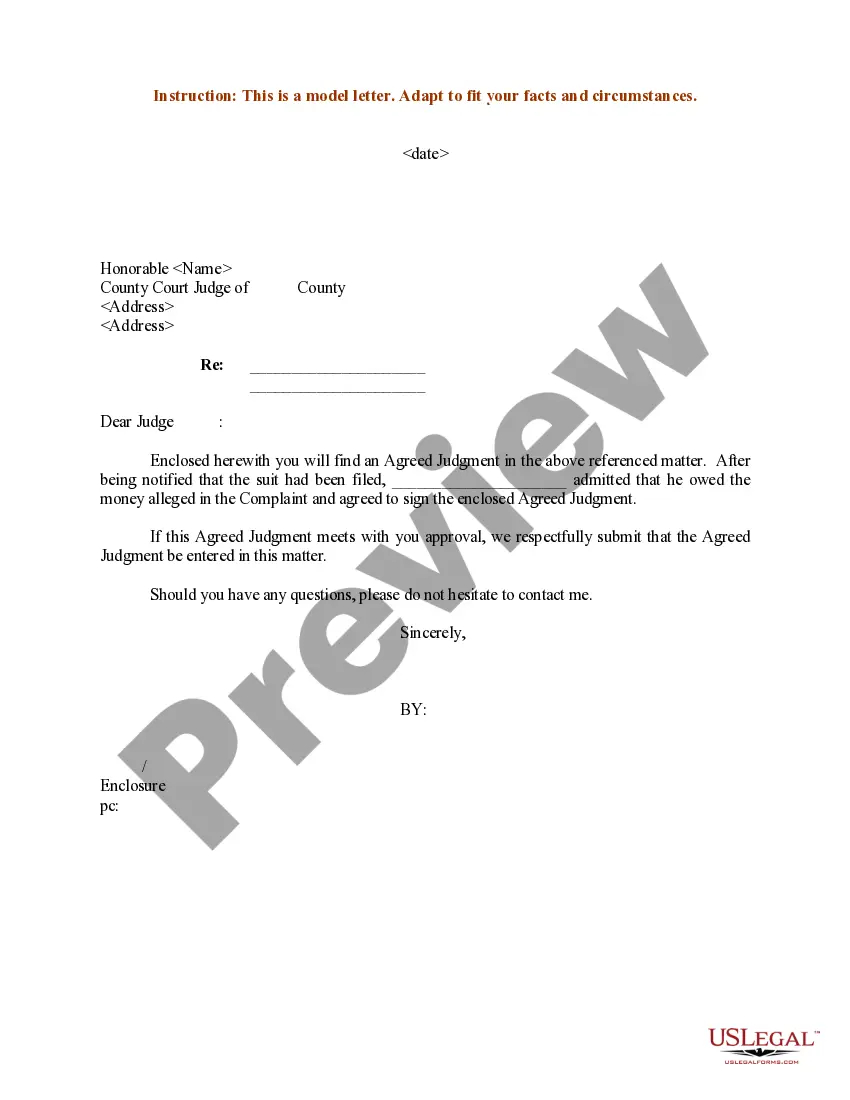
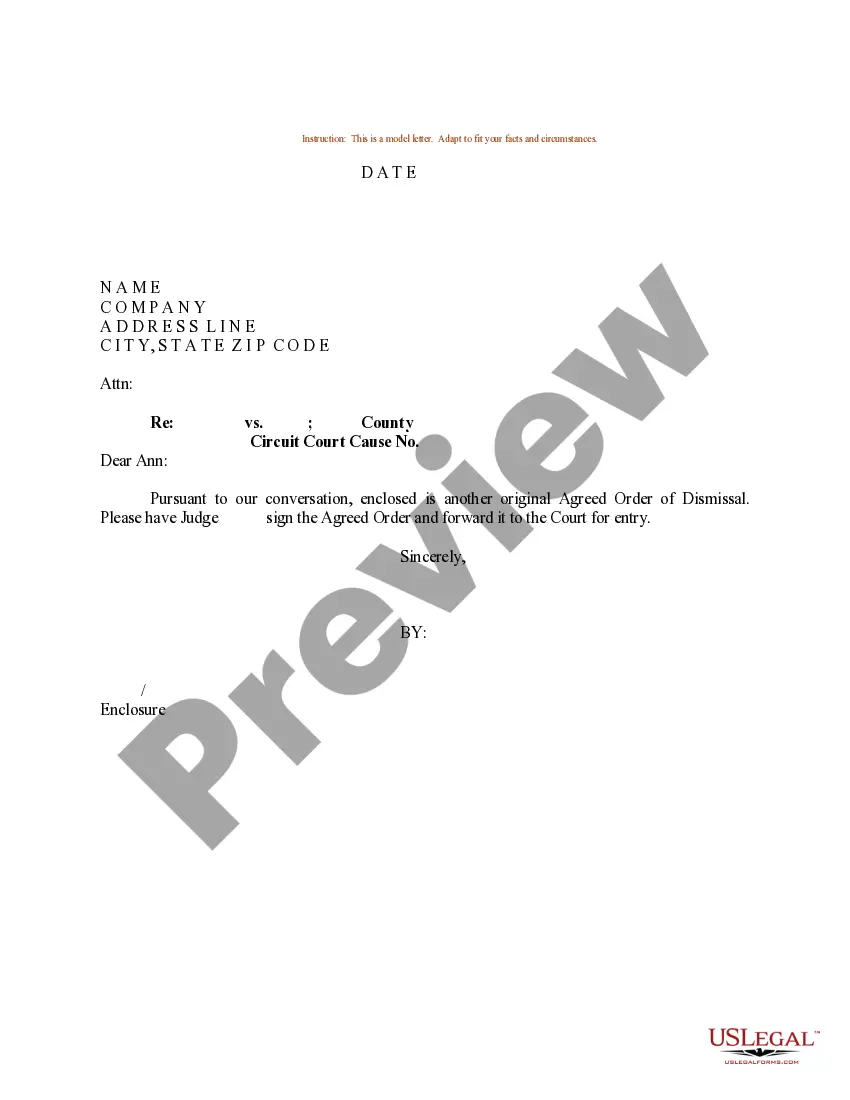
Get your form ready online
Our built-in tools help you complete, sign, share, and store your documents in one place.
Make edits, fill in missing information, and update formatting in US Legal Forms—just like you would in MS Word.
Download a copy, print it, send it by email, or mail it via USPS—whatever works best for your next step.
Sign and collect signatures with our SignNow integration. Send to multiple recipients, set reminders, and more. Go Premium to unlock E-Sign.
If this form requires notarization, complete it online through a secure video call—no need to meet a notary in person or wait for an appointment.
We protect your documents and personal data by following strict security and privacy standards.

Make edits, fill in missing information, and update formatting in US Legal Forms—just like you would in MS Word.

Download a copy, print it, send it by email, or mail it via USPS—whatever works best for your next step.

Sign and collect signatures with our SignNow integration. Send to multiple recipients, set reminders, and more. Go Premium to unlock E-Sign.

If this form requires notarization, complete it online through a secure video call—no need to meet a notary in person or wait for an appointment.

We protect your documents and personal data by following strict security and privacy standards.
Looking for another form?
Form popularity
FAQ
A “motion for a continuance” is a request asking the judge to make an order changing your hearing date. If the judge grants your motion, your court date will be postponed to a later time. For most requests for continuances, you must provide the judge with a suitable reason (“good cause”) for postponing your court date.
How to make a motion to adjourn. This is the formal meeting protocol to follow for moving to adjourn: Raising the motion: A member must clearly state, “I move to adjourn the session” to propose a formal close to the meeting. Seconding: Another member must second the motion for it to move forward by saying, “I second.”
How to make a motion to adjourn. This is the formal meeting protocol to follow for moving to adjourn: Raising the motion: A member must clearly state, “I move to adjourn the session” to propose a formal close to the meeting. Seconding: Another member must second the motion for it to move forward by saying, “I second.”
Adjournments The index number of your case. Your name and your address. A signed statement that you are allowing the person to request an adjournment for you. The name of the person you are sending. The reason you are not appearing yourself to make the request.
The basic rules for adjournment are: A board member cannot interrupt a speaker who has the floor. A motion to adjourn must be seconded. A motion to adjourn is not debatable or amendable. A motion to adjourn must have a majority vote.
Nevertheless, California Corporations Code section 7512(d) states that, “in the absence of a quorum, any meeting of members may be adjourned…by the vote of a majority of the votes represented either in person or by proxy….” (Emphasis added.)
My case is listed for Court Name on the Enter date of Hearing. I would request that the Hearing on that date is adjourned because... outline your reason I am unwell/injured and unable to attend Court. I enclose a letter from my Doctor confirming this.
: to put off further proceedings of either indefinitely or until a later stated time : close formally. adjourning the session. intransitive verb. : to suspend a session or meeting till another time or indefinitely : suspend formal business or procedure and disband.
Get Custom Synonyms Word replacements are determined using AI. Please check your word choices in our dictionary. as in to suspend. to bring to a formal close for a period of time the meeting was adjourned by the chairperson until further notice. suspend.
A motion to adjourn is a formal procedure that ends a meeting. If there is any unfinished business at the time of adjournment, it is typically carried over to the next meeting. Prior to the motion to adjourn, the chair should be sure that no important matters have gone unnoticed.