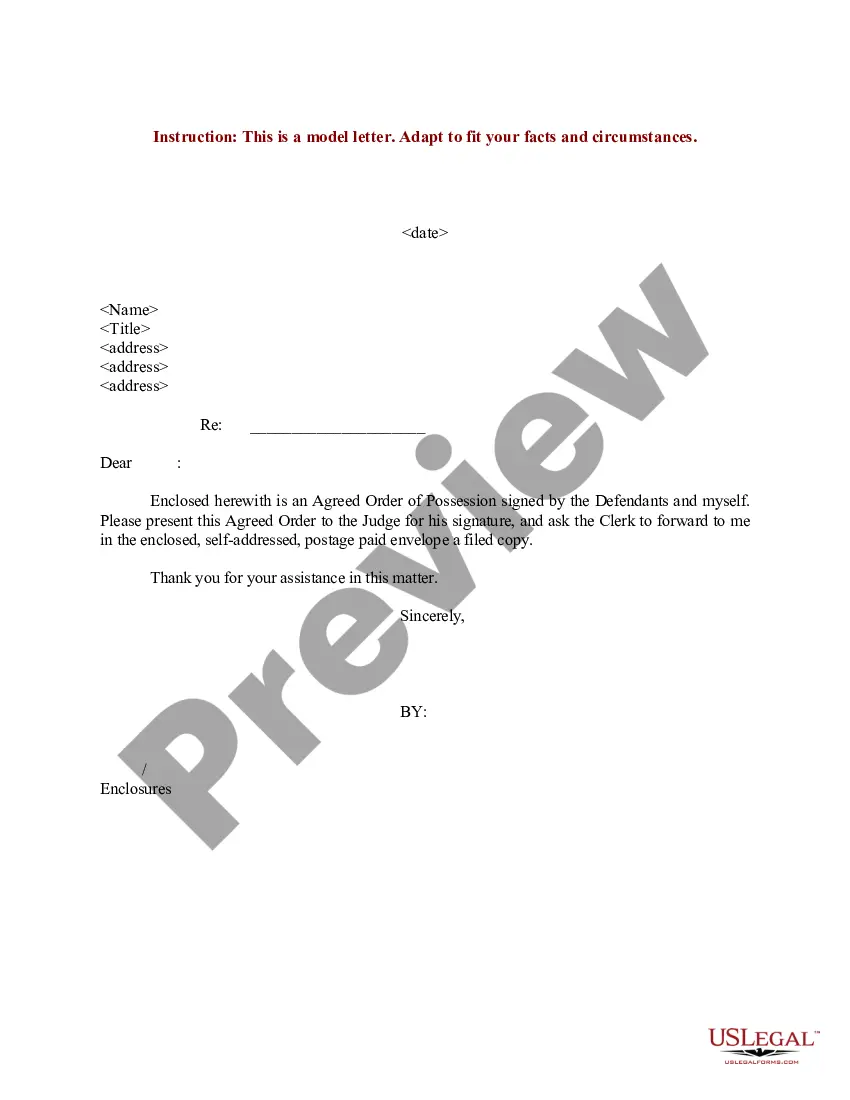
Sample Letter For Court From Therapist In Massachusetts
Description
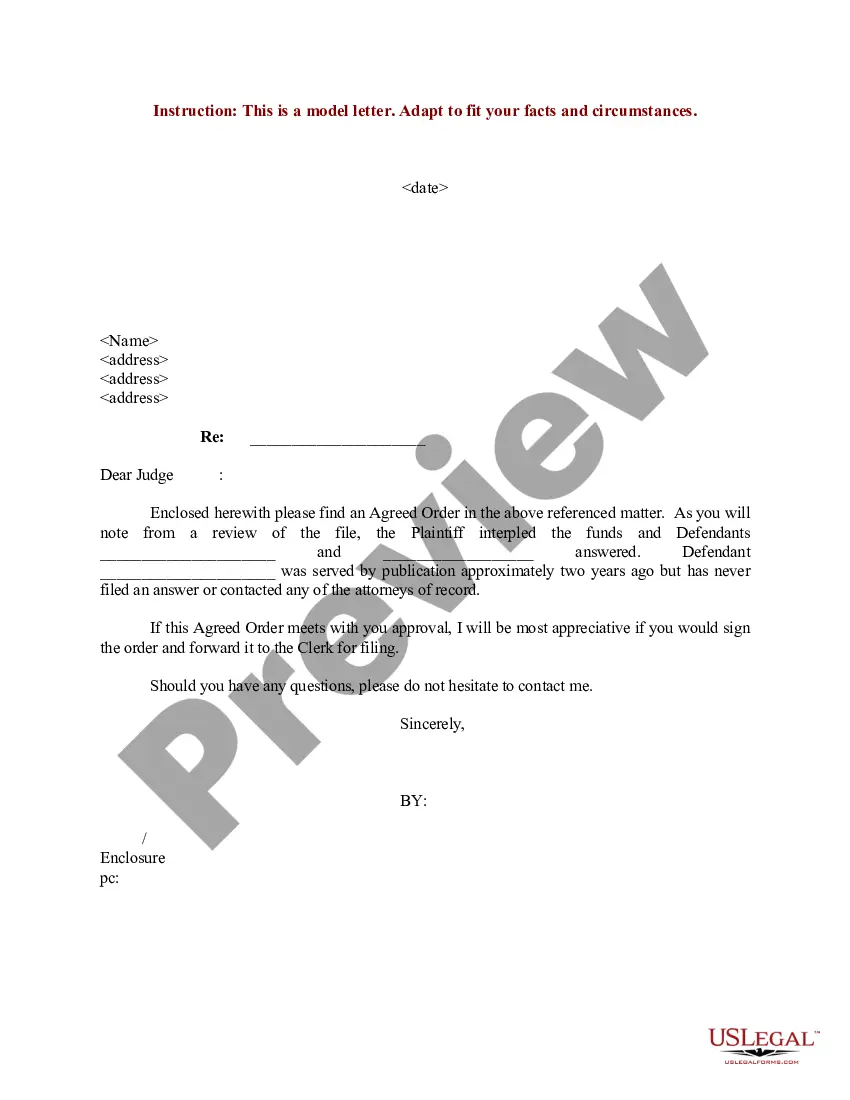
Get your form ready online
Our built-in tools help you complete, sign, share, and store your documents in one place.
Make edits, fill in missing information, and update formatting in US Legal Forms—just like you would in MS Word.
Download a copy, print it, send it by email, or mail it via USPS—whatever works best for your next step.
Sign and collect signatures with our SignNow integration. Send to multiple recipients, set reminders, and more. Go Premium to unlock E-Sign.
If this form requires notarization, complete it online through a secure video call—no need to meet a notary in person or wait for an appointment.
We protect your documents and personal data by following strict security and privacy standards.

Make edits, fill in missing information, and update formatting in US Legal Forms—just like you would in MS Word.

Download a copy, print it, send it by email, or mail it via USPS—whatever works best for your next step.

Sign and collect signatures with our SignNow integration. Send to multiple recipients, set reminders, and more. Go Premium to unlock E-Sign.

If this form requires notarization, complete it online through a secure video call—no need to meet a notary in person or wait for an appointment.

We protect your documents and personal data by following strict security and privacy standards.
Looking for another form?
Form popularity
FAQ
In some instances, once the duty to warn has arisen and the therapist has divulged the patient's statements, those statements may be used at trial. State law can, however, allow the therapist to warn but prevent him or her from testifying at any eventual trial.
I am reviewing your question now... The answer is yes, unless the other side is willing to allow them to be admitted into evidence. That is because those documents, by themselves, are considered hearsay and must be authenticated. For example, the therapist must be present to authenticate the copy of that letter.
If called upon as a fact witness, the therapist must stick to the facts. He or she will only discuss his or her medical findings, patient's condition and course of treatment. He or she will not express views on any issues regarding the case. However, therapists can also be expert witnesses.
Character Letter Template Dear Judge Name or Honorable Name, I am writing to you in my capacity as Your Relationship to the Person, to advocate for Name of the Person, whom I have known for Number of Years years. It is an honor to vouch for their character and integrity in my time knowing them.
The letter should be addressed to the Judge, but mailed to the defendant's attorney. Who are you? ... Make it personal when describing the defendant's characteristics. Only talk about what you know. Be truthful. Never attack the victims or law enforcement. Never allow the defendant to write the letter for you.
Licensed therapists are mandated reporters, so if issues involving suicide, homicide, the threat to harm yourself or others, or child or domestic abuse are disclosed in therapy, they are required to report them to the proper authorities and may testify to them in court.
The bottom line is that psychotherapy notes can be subpoenaed, but it's unlikely. You would need a separate authorization from the client to release psychotherapy notes under HIPPA law. You're more likely to receive a request or testify in court about information related to the client's official medical record.
The letter should be addressed to the Judge, but mailed to the defendant's attorney. Who are you? ... Make it personal when describing the defendant's characteristics. Only talk about what you know. Be truthful. Never attack the victims or law enforcement. Never allow the defendant to write the letter for you.