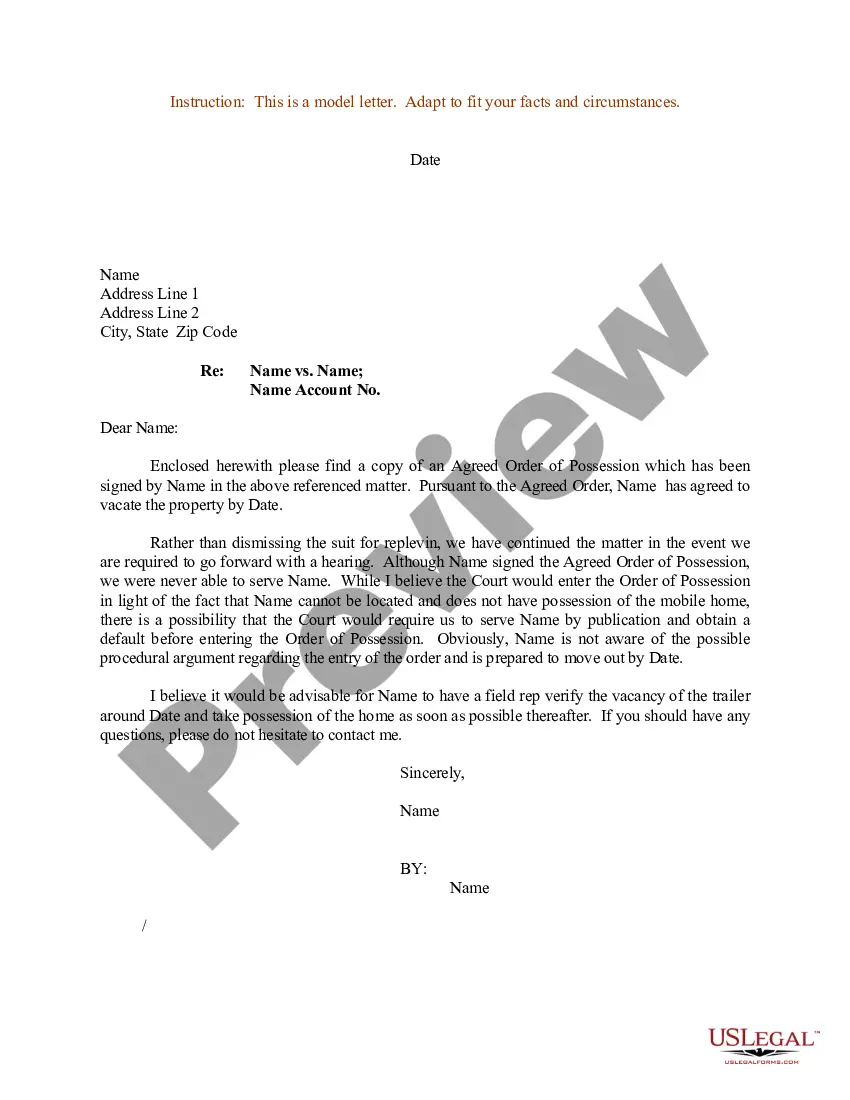
Court Letter Sample For School In Maryland
Description



Get your form ready online
Our built-in tools help you complete, sign, share, and store your documents in one place.
Make edits, fill in missing information, and update formatting in US Legal Forms—just like you would in MS Word.
Download a copy, print it, send it by email, or mail it via USPS—whatever works best for your next step.
Sign and collect signatures with our SignNow integration. Send to multiple recipients, set reminders, and more. Go Premium to unlock E-Sign.
If this form requires notarization, complete it online through a secure video call—no need to meet a notary in person or wait for an appointment.
We protect your documents and personal data by following strict security and privacy standards.

Make edits, fill in missing information, and update formatting in US Legal Forms—just like you would in MS Word.

Download a copy, print it, send it by email, or mail it via USPS—whatever works best for your next step.

Sign and collect signatures with our SignNow integration. Send to multiple recipients, set reminders, and more. Go Premium to unlock E-Sign.

If this form requires notarization, complete it online through a secure video call—no need to meet a notary in person or wait for an appointment.

We protect your documents and personal data by following strict security and privacy standards.
Looking for another form?









Form popularity
FAQ
Most judicial records are in the custody of a local clerk's office. To request those records, please contact the appropriate clerk's office, which is generally where the case was filed or the hearing or trial was conducted.
You can file a motion to revise or vacate (cancel) the judgment in writing within 30 days after the date of the judgment. This motion is usually filed to correct clerical errors, or to vacate a judgment if you believe that you were not served with the court papers or were not notified of the court date.
You can file a motion to revise or vacate (cancel) the judgment in writing within 30 days after the date of the judgment. This motion is usually filed to correct clerical errors, or to vacate a judgment if you believe that you were not served with the court papers or were not notified of the court date.
The following defenses may be made by motion to dismiss filed before the answer, if an answer is required: (1) lack of jurisdiction over the subject matter, (2) failure to state a claim upon which relief can be granted, (3) failure to join a party under Rule 2-211, (4) discharge in bankruptcy, and (5) governmental ...
Primary tabs. A motion for judgment as a matter of law asks the court to enter a judgment based on the conclusion that no reasonable jury could reach a different conclusion. The motion is made before the case is submitted to the jury but after a party has been fully heard on the issue.
Notice of Intention to Defend - This is a form located on the bottom of your summons. Complete the Notice of Intention to Defend if you dispute owing all or some of what the plaintiff claims. The completed form must be returned to the Maryland District Court location listed at the top of your summons.
If you want to file a motion, the process is generally something like this: You write your motion. You file your motion with the court clerk. The court clerk inserts the date and time your motion will be heard by the judge. You “serve” (mail) your motion to the other side.
If you are filing an answer, you must file in the county where the Complaint, Petition, or Motion was filed. If you think the other side filed in the wrong county, you can ask the court, in writing, to move the case to a different county. This is a situation that may require a lawyer's assistance.
Affidavit must be properly verified and must clearly state what is based on knowledge and what is on belief. (1963 (i) Cr. LJ 512 and AIR 1987 SC 294). The Magistrate must satisfy himself about the identity of the deponent and that the deponent had owned the statements contained in the affidavit.
Most judicial records are in the custody of a local clerk's office. To request those records, please contact the appropriate clerk's office, which is generally where the case was filed or the hearing or trial was conducted.

