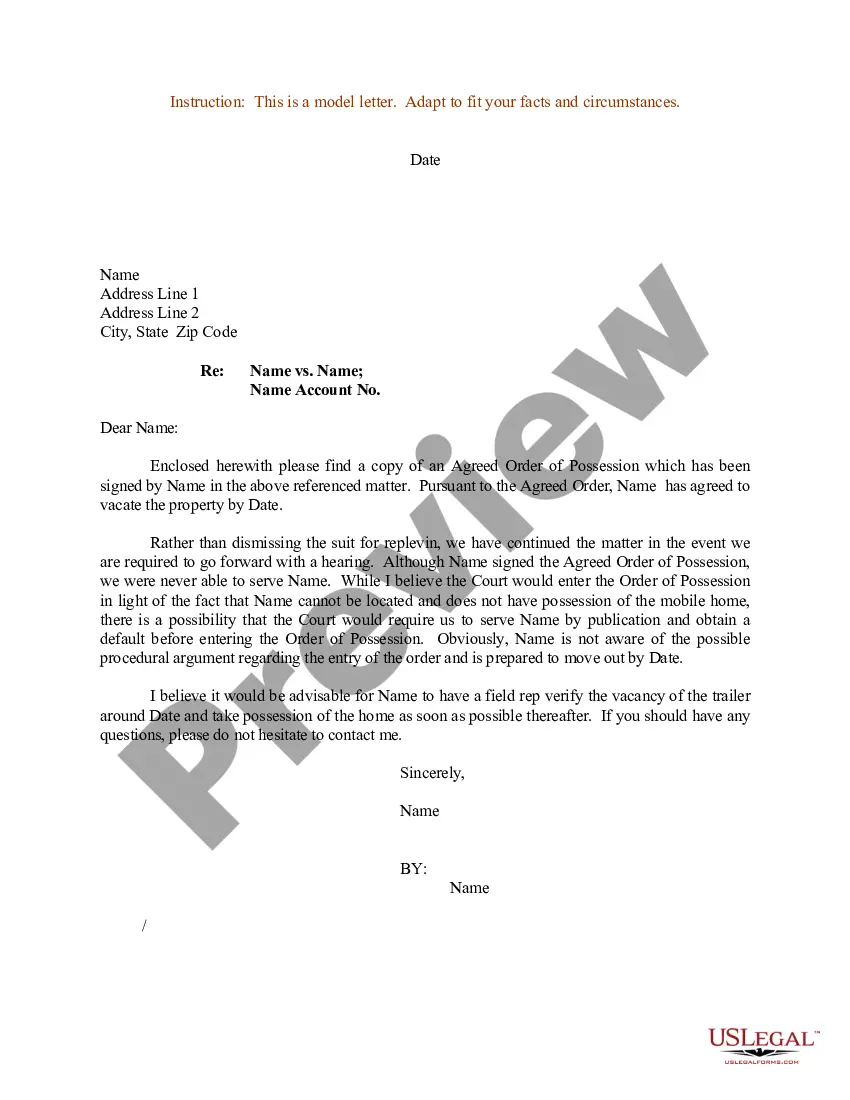
Court Letter Sample With Reference In Kings
Description



Get your form ready online
Our built-in tools help you complete, sign, share, and store your documents in one place.
Make edits, fill in missing information, and update formatting in US Legal Forms—just like you would in MS Word.
Download a copy, print it, send it by email, or mail it via USPS—whatever works best for your next step.
Sign and collect signatures with our SignNow integration. Send to multiple recipients, set reminders, and more. Go Premium to unlock E-Sign.
If this form requires notarization, complete it online through a secure video call—no need to meet a notary in person or wait for an appointment.
We protect your documents and personal data by following strict security and privacy standards.

Make edits, fill in missing information, and update formatting in US Legal Forms—just like you would in MS Word.

Download a copy, print it, send it by email, or mail it via USPS—whatever works best for your next step.

Sign and collect signatures with our SignNow integration. Send to multiple recipients, set reminders, and more. Go Premium to unlock E-Sign.

If this form requires notarization, complete it online through a secure video call—no need to meet a notary in person or wait for an appointment.

We protect your documents and personal data by following strict security and privacy standards.
Looking for another form?







Form popularity
FAQ
They should be addressed either to the Honorable FIRST NAME LAST NAME or Judge FIRST NAME LAST NAME. Although you can put the case number on the letter, it is not necessary, as it will be submitted by the lawyer.
Either “Judge” or “The Honorable” is acceptable. It's also acceptable to use “To Whom It May Concern.”
If the judge's name is "John Smith," then in references to him that would be read by others (e.g., the mailing address on a letter) you would refer to him "The Honorable John Smith" (or some might just use "Hon."). In directly communicating with him in writing, I would start with "Dear Judge Smith."
You can either answer the summons in writing or in person. If you answer in person, you must go to the courthouse clerk's office and tell the clerk about your defenses to the plaintiff's claims. The clerk will check off the boxes in a Consumer Credit Transaction Answer In Person form.
Write the Salutation If you are addressing it to a member of the court staff, type "Dear Ms. Smith:" and include a colon after the person's name. If you are addressing the letter generally, type "Dear Clerk of Court:" and include a colon after the last word.
You can address the judge to “The Honorable First Name Last Name” or “Judge First Name Last Name” or “Judge Last Name.” It is redundant to say “Honorable Judge” so use either “Judge” or “Honorable.”
If the judge's name is "John Smith," then in references to him that would be read by others (e.g., the mailing address on a letter) you would refer to him "The Honorable John Smith" (or some might just use "Hon."). In directly communicating with him in writing, I would start with "Dear Judge Smith."
For each numbered paragraph in the complaint, type "Admitted" if you admit the allegation or "Denied" if you deny the allegation. If you don't have enough information to know whether the fact is true or false, respond with "Lack enough information to respond to Plaintiff's allegations."
An eligible consensual case that was commenced and continued in hard copy form may be converted to a NYSCEF case by filing a Stipulation and Consent to E–Filing (found on the website) with the court. Any such conversion should be done promptly after commencement.
Proof of service shall specify the papers served, the person who was served and the date, time, address, or, in the event there is no address, place and manner of service, and set forth facts showing that the service was made by an authorized person and in an authorized manner.

