Court Letter Template With Subject Line In Illinois
Description



Get your form ready online
Our built-in tools help you complete, sign, share, and store your documents in one place.
Make edits, fill in missing information, and update formatting in US Legal Forms—just like you would in MS Word.
Download a copy, print it, send it by email, or mail it via USPS—whatever works best for your next step.
Sign and collect signatures with our SignNow integration. Send to multiple recipients, set reminders, and more. Go Premium to unlock E-Sign.
If this form requires notarization, complete it online through a secure video call—no need to meet a notary in person or wait for an appointment.
We protect your documents and personal data by following strict security and privacy standards.

Make edits, fill in missing information, and update formatting in US Legal Forms—just like you would in MS Word.

Download a copy, print it, send it by email, or mail it via USPS—whatever works best for your next step.

Sign and collect signatures with our SignNow integration. Send to multiple recipients, set reminders, and more. Go Premium to unlock E-Sign.

If this form requires notarization, complete it online through a secure video call—no need to meet a notary in person or wait for an appointment.

We protect your documents and personal data by following strict security and privacy standards.
Looking for another form?



Form popularity
FAQ
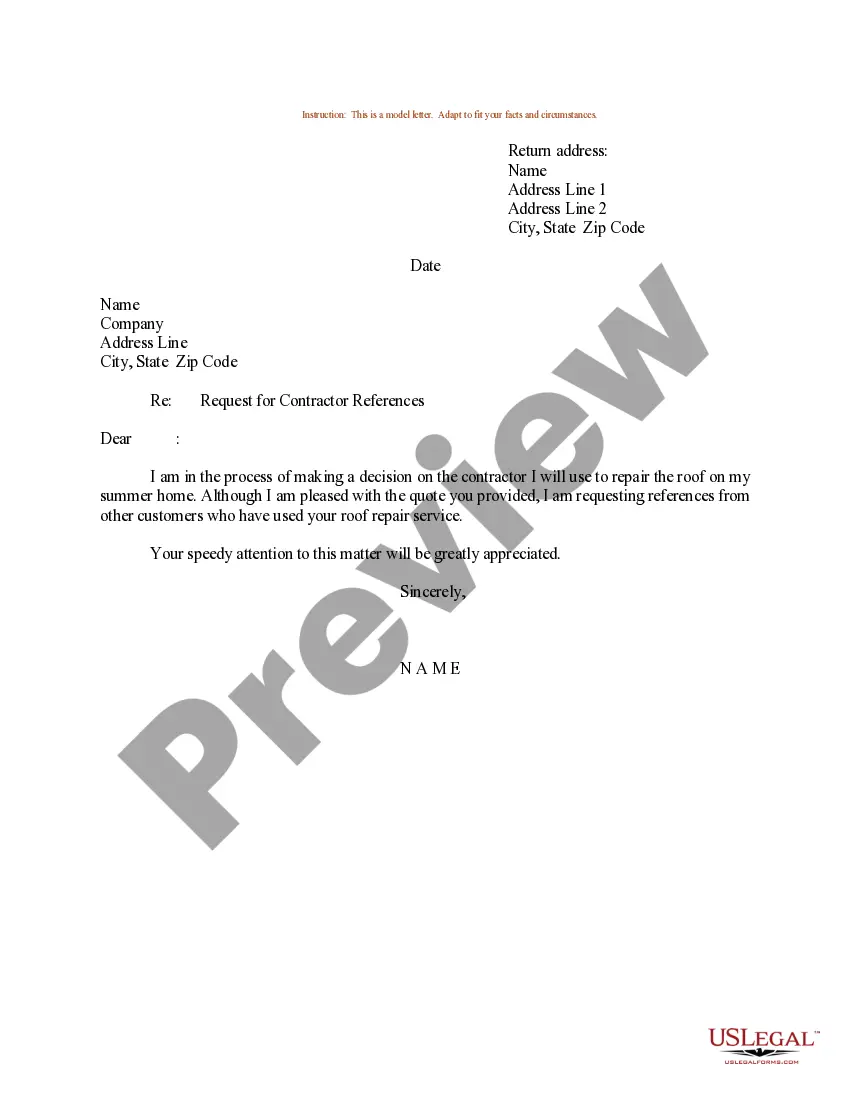
Writing Your Letter Use a proper greeting. Introduce yourself. State the favor you're asking. Keep it simple. Tell your recipient why the favor is important. Offer to provide assistance to the recipient. Close the letter politely. Proofread your letter before sending it.
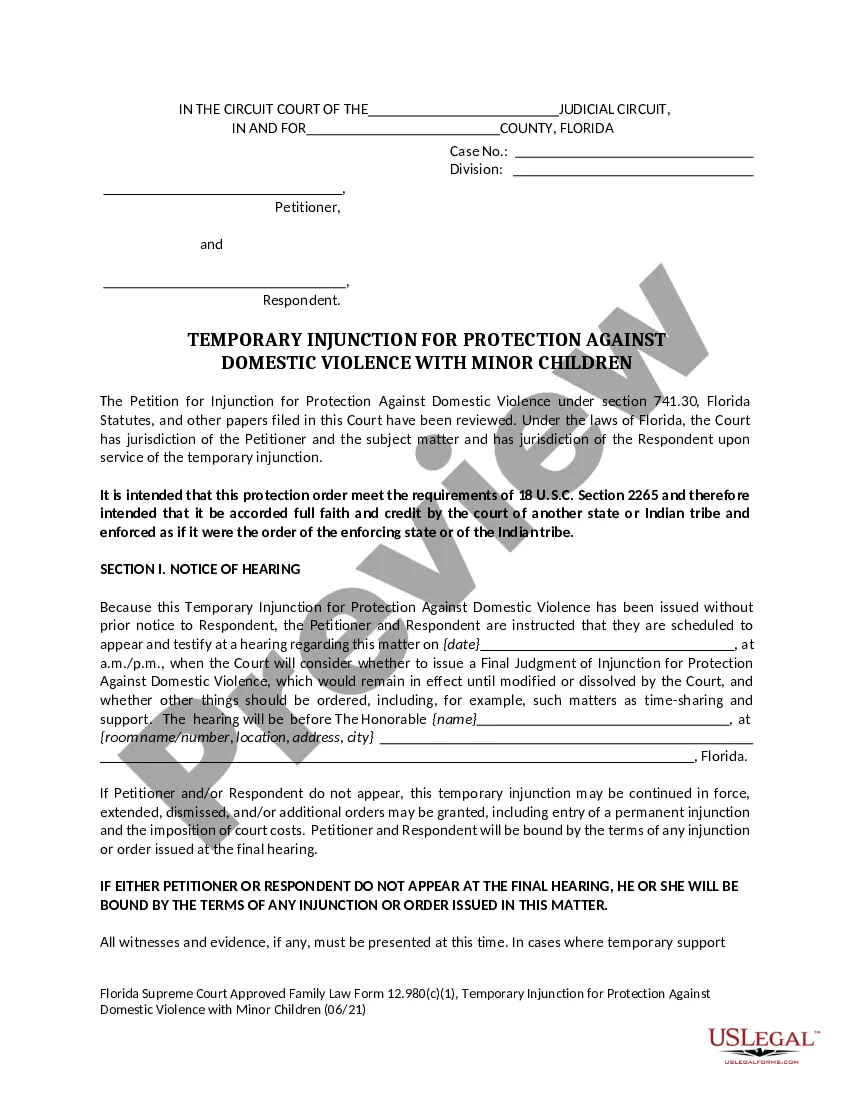
For example, a legal pleading might involve a complaint from a homeowner that a roofer did not adequately perform a repair, resulting in a leak in the roof and damage to the home. The roofer could then file an answer to the claim, denying culpability.
Introduce yourself in the opening paragraph. Outline your relationship with the person who is the subject of the legal proceedings. Acknowledge the charges that have been brought against the person. State your opinion of the person's general character.
Introduce yourself in the opening paragraph. Outline your relationship with the person who is the subject of the legal proceedings. Acknowledge the charges that have been brought against the person. State your opinion of the person's general character.
The key to drafting a successful pleading is to make sure that you have a clear idea of what the claims are that your client is making and relevant proof for each of those claims. Then you should state the events in a chronological and logical order.
7 Keys to drafting a strong statement of the case Accuracy. Accuracy is the cornerstone of a good statement of facts. Clarity. A good statement of facts and procedural history should be clear and easy to read. Chronological order. Relevant facts. Organization. Objectivity. Relevant citations.
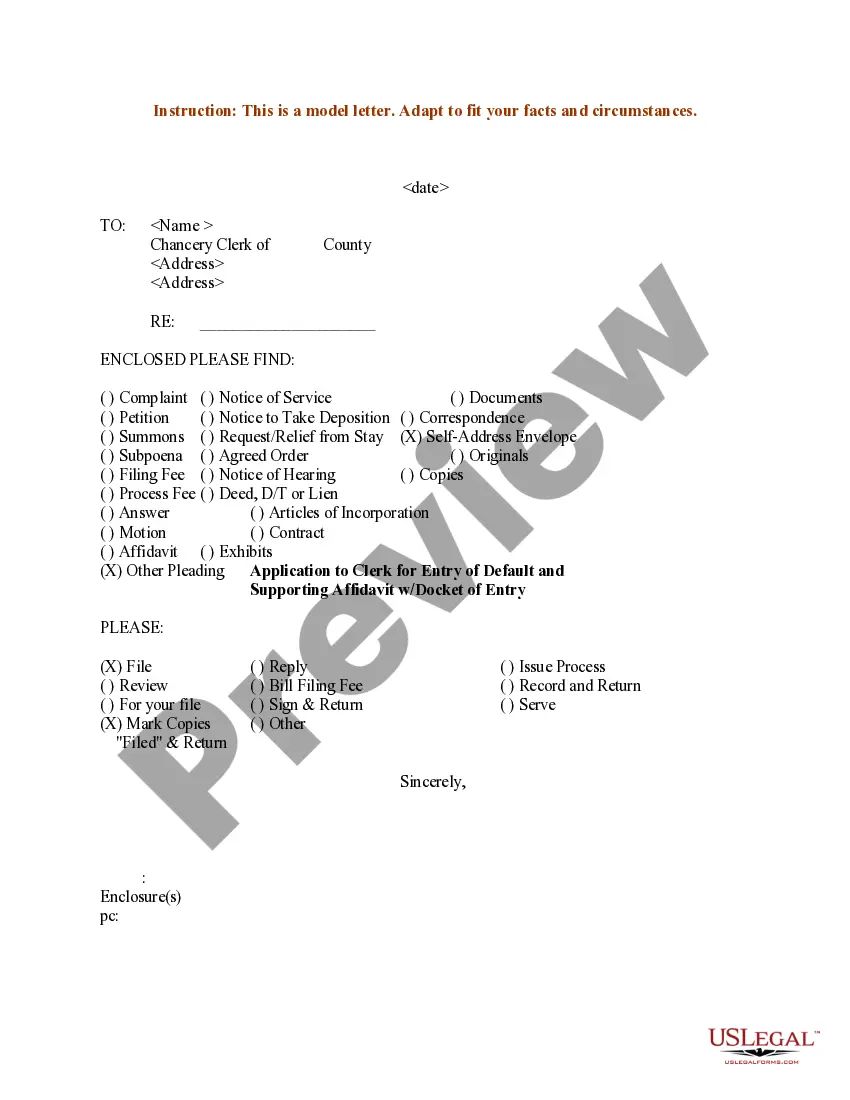
Follow the order of this format, leaving a space in between each section: Your Information (first thing that goes on the inside of the letter) Name. The Date. The Judge's Information. Honorable Judge First Name Last Name. What the Letter Is Going to Address. Salutation. Body. Signature.
Comply With the Relevant Federal, State, and Local Rules. Research Before Writing. Allege Subject Matter Jurisdiction, Personal Jurisdiction, and Venue. Jurisdiction. Draft Concise and Plain Statement of the Facts. Factual Allegations. Draft Separate Counts for Each Legal Claim. Plead Facts With Particularity Where Necessary.
Format of the letter: introduce yourself, state how long you've known the person and in what capacity. Choose 2 to 3 reasons why you support them and write a brief paragraph on each. Close with a sentence reiterating your support.
If you are well known in your community, your family name or place of work might make you more reputable in the eyes of the judge. Next, express exactly why you are writing. Include the name of the victim or the defendant, how you know the defendant, and why you're writing on behalf of them.

