Letter To Court Template With Immigration In Harris
Description



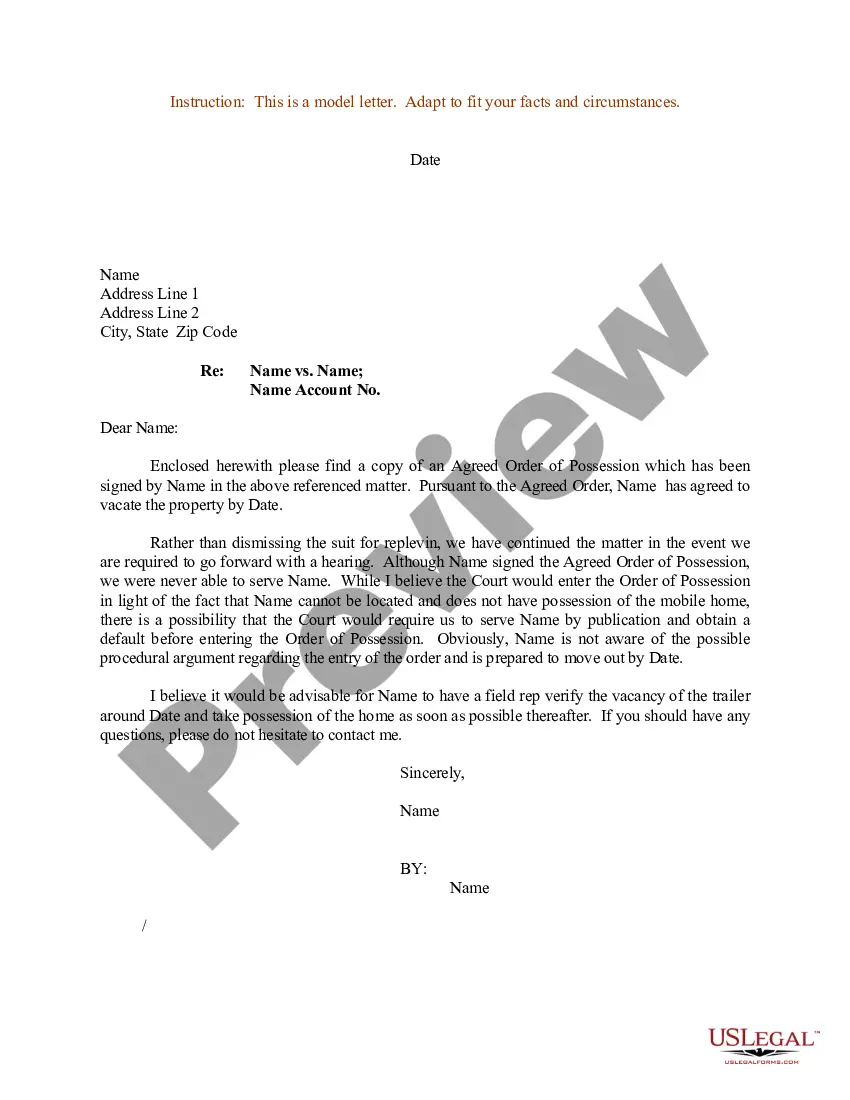
Get your form ready online
Our built-in tools help you complete, sign, share, and store your documents in one place.
Make edits, fill in missing information, and update formatting in US Legal Forms—just like you would in MS Word.
Download a copy, print it, send it by email, or mail it via USPS—whatever works best for your next step.
Sign and collect signatures with our SignNow integration. Send to multiple recipients, set reminders, and more. Go Premium to unlock E-Sign.
If this form requires notarization, complete it online through a secure video call—no need to meet a notary in person or wait for an appointment.
We protect your documents and personal data by following strict security and privacy standards.

Make edits, fill in missing information, and update formatting in US Legal Forms—just like you would in MS Word.

Download a copy, print it, send it by email, or mail it via USPS—whatever works best for your next step.

Sign and collect signatures with our SignNow integration. Send to multiple recipients, set reminders, and more. Go Premium to unlock E-Sign.

If this form requires notarization, complete it online through a secure video call—no need to meet a notary in person or wait for an appointment.

We protect your documents and personal data by following strict security and privacy standards.
Looking for another form?








Form popularity
FAQ
How to write an explanation letter in 3 steps Choose letter format. Clients, team members or students may use print or email for their letters. Explain the situation. To begin writing this type of letter, you might explain the situation or circumstance and any contributing factors. Take responsibility and accountability.
A good Letter of Explanation (LoE) for a study permit application should be clear and concise and provide relevant information to support the applicant's case. It should have an introduction, a main body, and a closing. Use a formal tone and maintain appropriate formatting throughout the letter.
One example that I witnessed that demonstrates his/her good moral character is when name successfully helped a sick, injured, or elderly person, did volunteer work for a charity, helped victims of a crime, emergency or disaster, etc. in year in city, state.
How To Write Your Letter of Explanation for Visa Application Start With a Proper Greeting. Just like any formal letter, begin by addressing the relevant authority. Introduce the Purpose of the Letter. Explain the Issue in Detail. Offer Supporting Documentation. Wrap It Up With Gratitude.
For a friend or relative, your letter should showcase their character, achievements, and contributions in a personal and supportive way. Describe your relationship with them, provide specific examples of their strengths and accomplishments, and explain why they are deserving of the immigration benefit they are seeking.
Writing Tips The LOE should generally be kept to one to two pages. Clearly state the purpose of the letter and provide the context to the immigration officer. If applicable, include a timeline of events to outline your situation. Maintain a positive or neutral tone, stick to the main points, and avoid going off topic.
Address the letter to the "Honorable Immigration Judge." Introduce yourself, mentioning your relationship with the person who seeks a bond and how long you have known him or her. Describe the person's traits, common interests, noteworthy accomplishments, and other reasons they are not a threat to others.
Tips for writing an immigration recommendation letter Share specific examples of their character, contributions, and how they've positively impacted your life or the community. This letter should emphasize the genuine nature of your relationship and their suitability for the immigration status they're applying for.
If you need help with an immigration issue, you can use the services of a licensed immigration attorney or accredited representative of a Board of Immigration Appeals recognized organization.
Start with an introduction that clearly states your purpose and why you're writing the letter. In the middle section, provide a detailed explanation of your request or concern. Use supporting evidence to make your case as strong as possible. Finally, end your letter with a polite but firm request for action.

