Court Letter Sample For Job In Georgia
Description



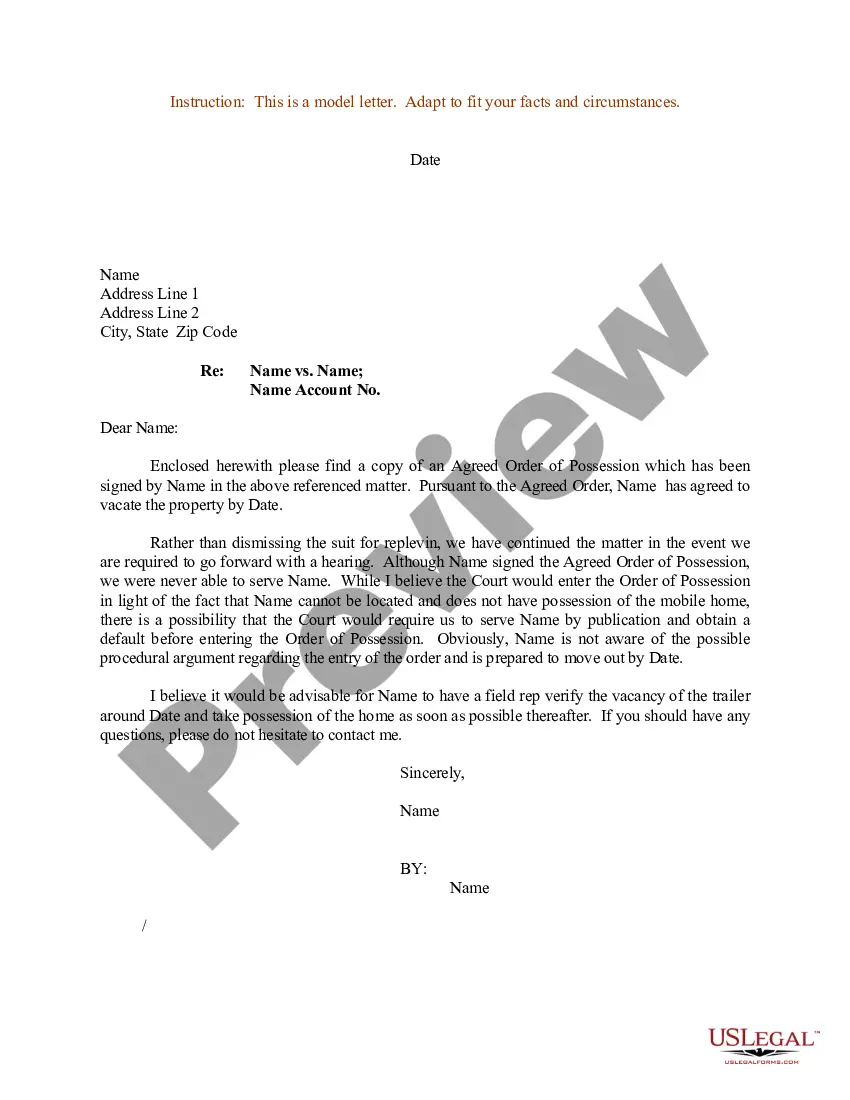
Get your form ready online
Our built-in tools help you complete, sign, share, and store your documents in one place.
Make edits, fill in missing information, and update formatting in US Legal Forms—just like you would in MS Word.
Download a copy, print it, send it by email, or mail it via USPS—whatever works best for your next step.
Sign and collect signatures with our SignNow integration. Send to multiple recipients, set reminders, and more. Go Premium to unlock E-Sign.
If this form requires notarization, complete it online through a secure video call—no need to meet a notary in person or wait for an appointment.
We protect your documents and personal data by following strict security and privacy standards.

Make edits, fill in missing information, and update formatting in US Legal Forms—just like you would in MS Word.

Download a copy, print it, send it by email, or mail it via USPS—whatever works best for your next step.

Sign and collect signatures with our SignNow integration. Send to multiple recipients, set reminders, and more. Go Premium to unlock E-Sign.

If this form requires notarization, complete it online through a secure video call—no need to meet a notary in person or wait for an appointment.

We protect your documents and personal data by following strict security and privacy standards.
Looking for another form?

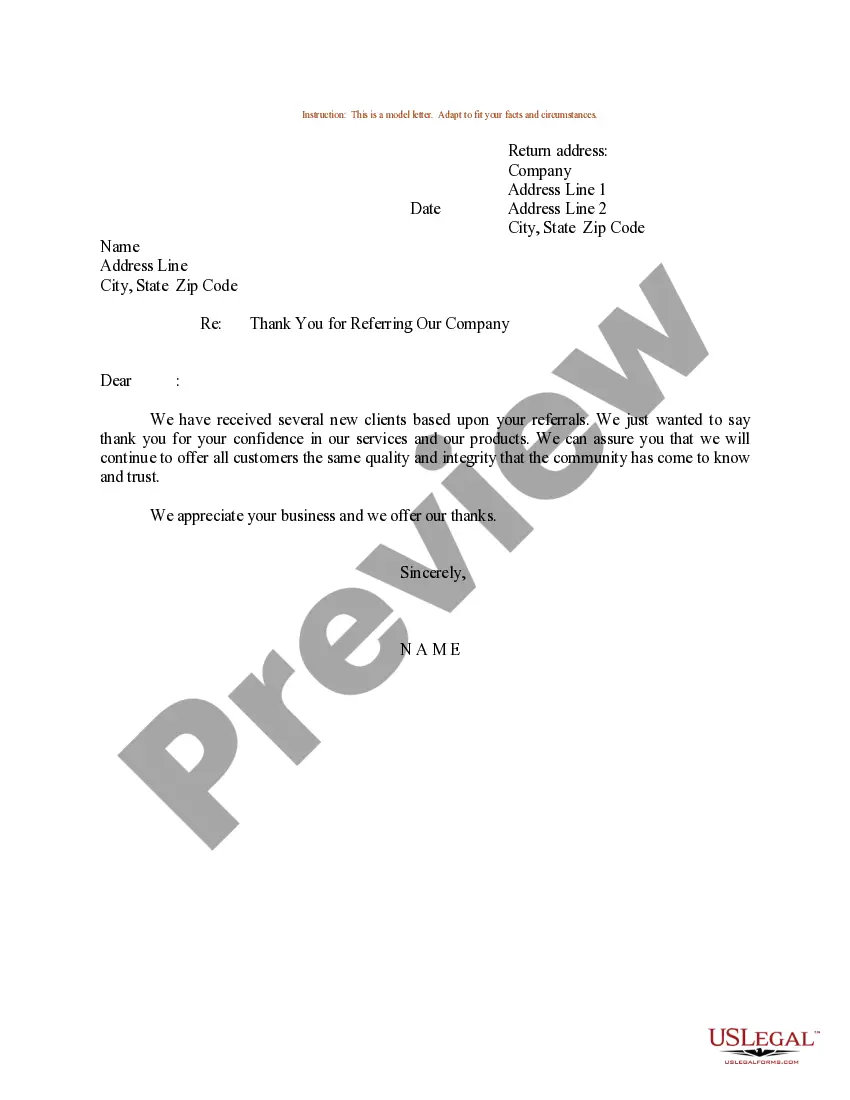






Form popularity
FAQ
Here are the steps for writing a letter of interest: Introduce yourself. Explain why you're writing. Detail how you fit into the company. Mention your skills and experience. Request an informational interview.
Cover letters are for companies actively hiring for a certain position. Letters of interest are for companies that aren't actively hiring. A letter of interest is for inquiring about potential roles for a certain company that you'd love to work for.
Key Takeaways The biggest difference between a cover letter and a letter of interest is their purpose. One is used for available job openings whereas the other is used for a job posting that isn't currently being advertised. That being said, they're still pretty similar in terms of what they're trying to accomplish.
Use your training as a legal professional to craft the perfect cover letter. Tips for Writing Cover Letters. Be clear and to the point. Keep your letter to one page and say only what you need to say. Research the company. Persuade the Employer. Write a Strong Conclusion.
Start the body of your letter with enthusiasm for the position. Continue with an interesting statement about how your professional abilities closely match the prospective job. This is your opportunity to make a positive first impression and set yourself apart from other applicants with experience in the courtroom.
A letter of interest is a message written to a company or institution asking about employment opportunities. Also known as a letter of inquiry, prospecting letter, or statement of inquiry, a letter of interest usually highlights the sender's skills or strengths to make a good first impression.
A letter of interest is a document used to get your name in front of hiring managers at organizations at which you're interested in working, but there are currently no open roles that fit your qualifications. This letter has also been referred to as a 'letter of intent,' 'statement of interest' or 'letter of inquiry'.
Writing an EOI letter is just like writing a cover letter for a job. The only difference is that you're not applying for a specific job but are stating your interest in working with the company in general. The EOI should be no longer than one page. Make sure to include all your contact details (email, phone).
How do I file a complaint or petition in civil court? You file the complaint or petition with the clerk of court. You generally want to file in the court in the county where the person you are suing lives. Along with the complaint, the court must be told where to serve (give it a copy of it to) the defendant.
If proof of service of the summons has not been filed within 60 days of the complaint's filing, the court may dismiss the action without prejudice.

